As India pursues its Net-Zero 2070 commitment, the commercial transport sector faces mounting pressure to reduce emissions while maintaining operational efficiency. With long-haul trucking responsible for 35-40% of total road transport emissions and the truck market projected to grow fourfold by 2050, fleet operators must fundamentally rethink their fuel strategies. Liquefied Natural Gas has emerged as the most pragmatic bridge fuel, offering immediate emissions reductions without compromising the operational parity that diesel provides. However, the transition to LNG demands more than simply swapping fuel sources, it requires a comprehensive optimization strategy that addresses route planning, driver behavior, vehicle maintenance, and data-driven fleet management.
Why Use LNG as Primary Fuel
The case for LNG extends well beyond regulatory compliance. LNG trucks deliver compelling operational and economic advantages that directly impact fleet profitability. These vehicles reduce CO2 emissions by up to 30% compared to diesel while completely eliminating sulphur oxides and particulate matter. Studies confirm that LNG trucks produce 59% less nitrogen oxides and 98% less particulate matter, offering immediate improvements to public health and urban air quality. Economically, LNG presents a more stable fuel alternative, with fleet operators reporting cost reductions of 20-40% compared to diesel. The Union Oil Ministry's September 2024 draft policy underscores LNG's strategic importance, targeting conversion of one-third of India's long-haul trucking fleet to LNG within five to seven years as part of the broader goal to increase natural gas's share in India's energy mix from 6% to 15% by 2030.
How to Optimize Fleet Operations Using LNG as a Primary Fuel
Successful LNG fleet optimization requires a multi-dimensional approach. Advanced route optimization stands as the foundation of efficiency gains. Fleet management software incorporating real-time traffic data can reduce unnecessary mileage by up to 15%. For LNG trucks with ranges exceeding 1,400 km on dual tank configurations, strategic route planning that aligns with expanding LNG refuelling stations maximizes operational uptime. Driver behavior represents another critical optimization lever. Studies demonstrate that driving patterns, including acceleration, braking, idling, and speed management, can impact fuel consumption by up to 30%. Implementing eco-driving training programs focused on maintaining optimal speeds of 55-65 km/h, minimizing harsh acceleration, and reducing idle time yields immediate returns.
Vehicle maintenance directly correlates with fuel efficiency. Regular preventive maintenance schedules prioritizing engine servicing, fuel system checks, and transmission servicing ensure LNG trucks operate at peak efficiency. For LNG-specific considerations, maintaining the integrity of vacuum-insulated cryogenic tanks prevents fuel loss and ensures consistent performance. Finally, data-driven fleet management through connected vehicle platforms transforms operational data into actionable insights, enabling fleet managers to identify inefficiencies and optimize fleet utilization in real-time.
What's Tata Motors Doing in India to Help This Process Along?
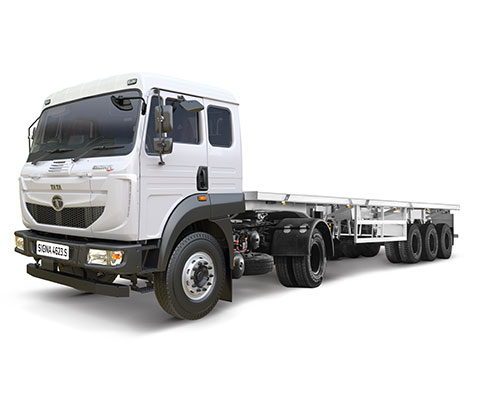
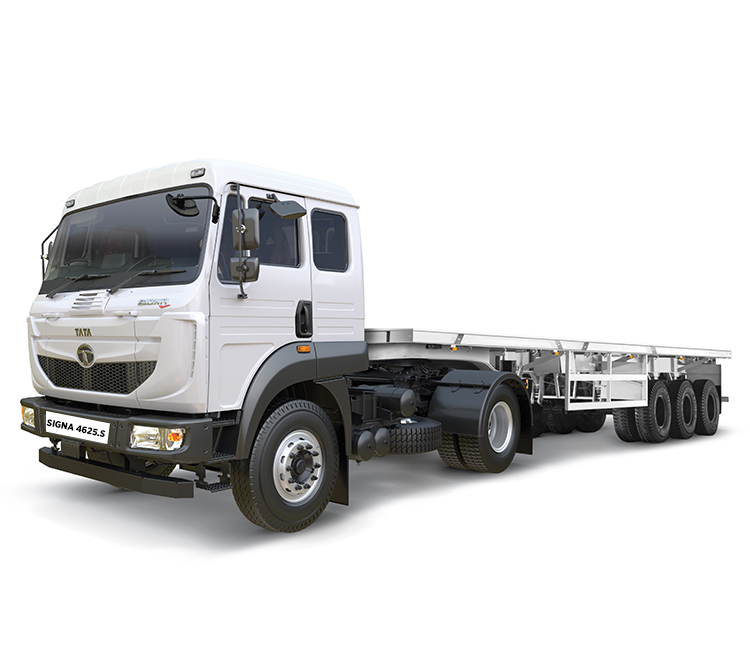
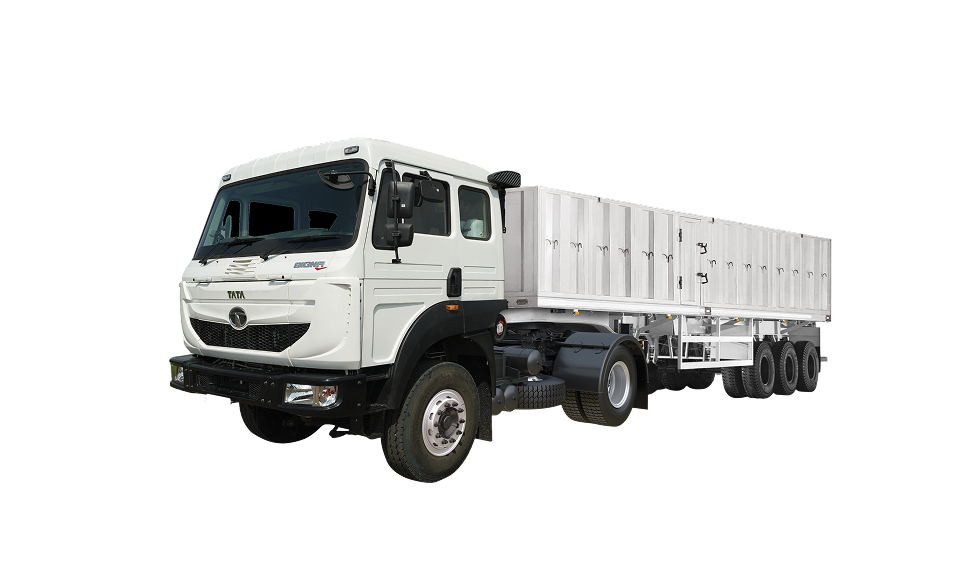
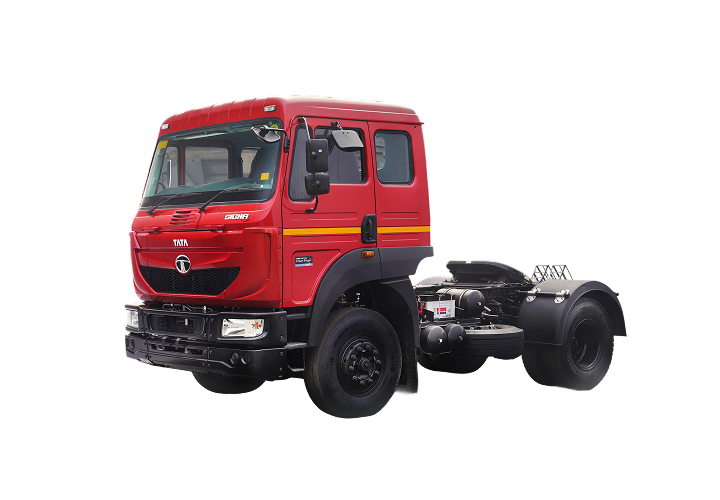
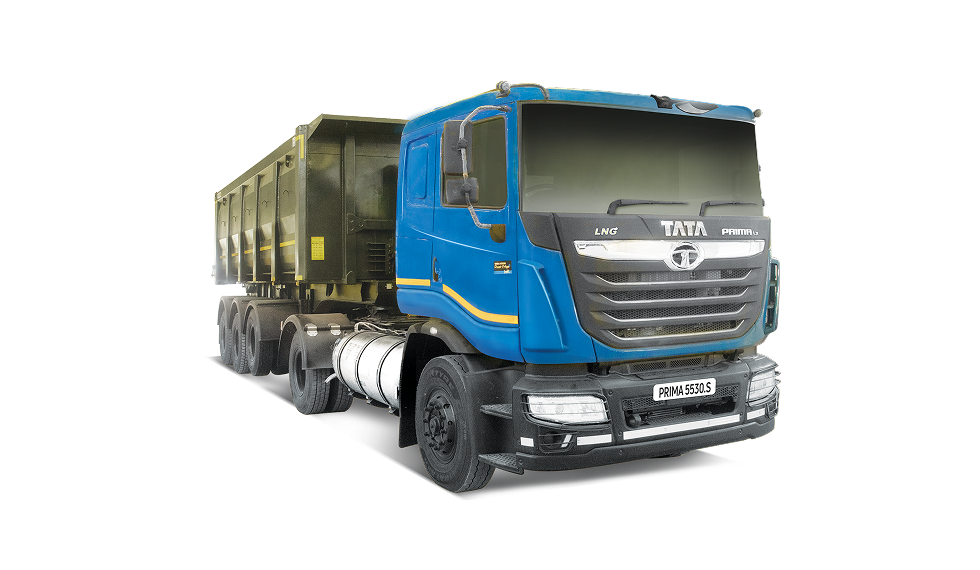
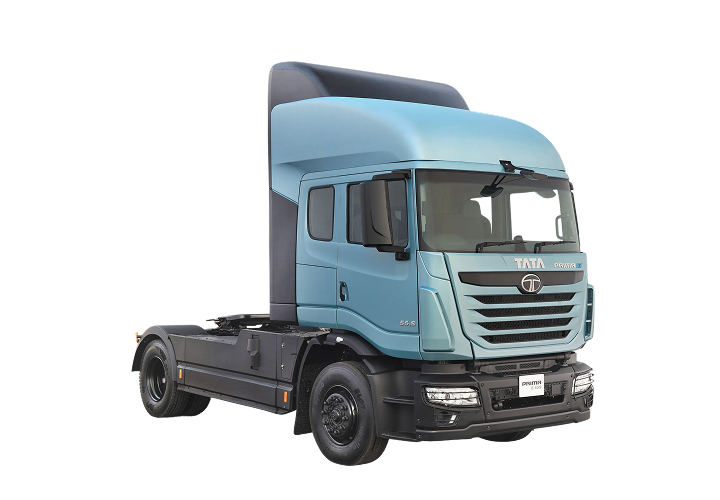
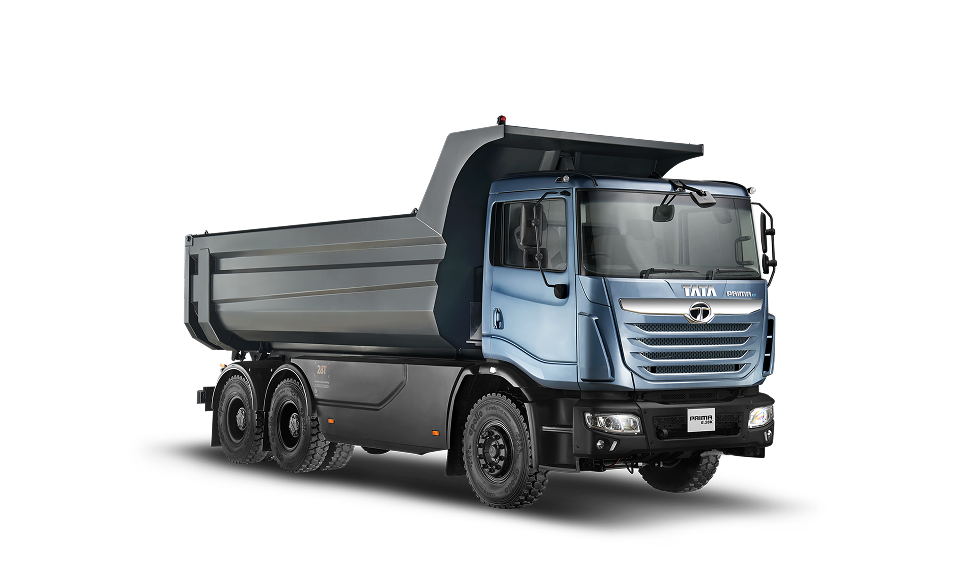
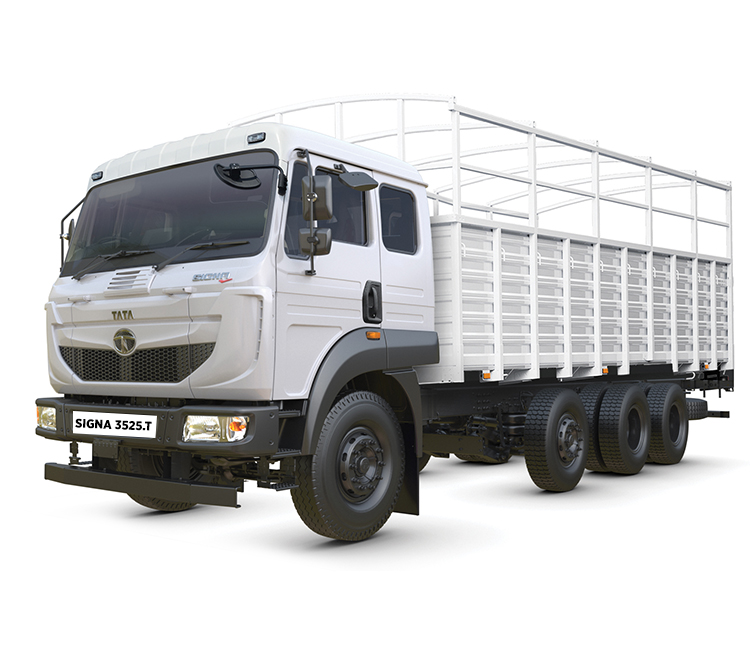
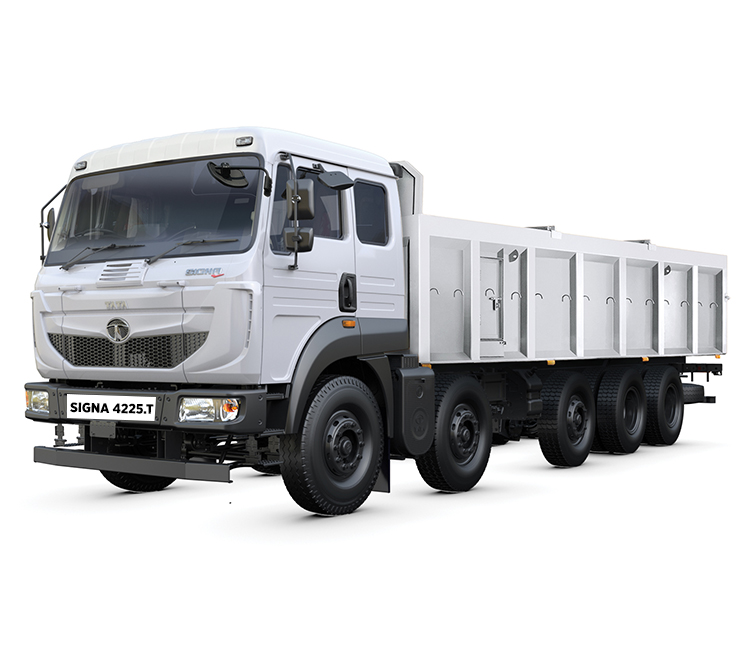
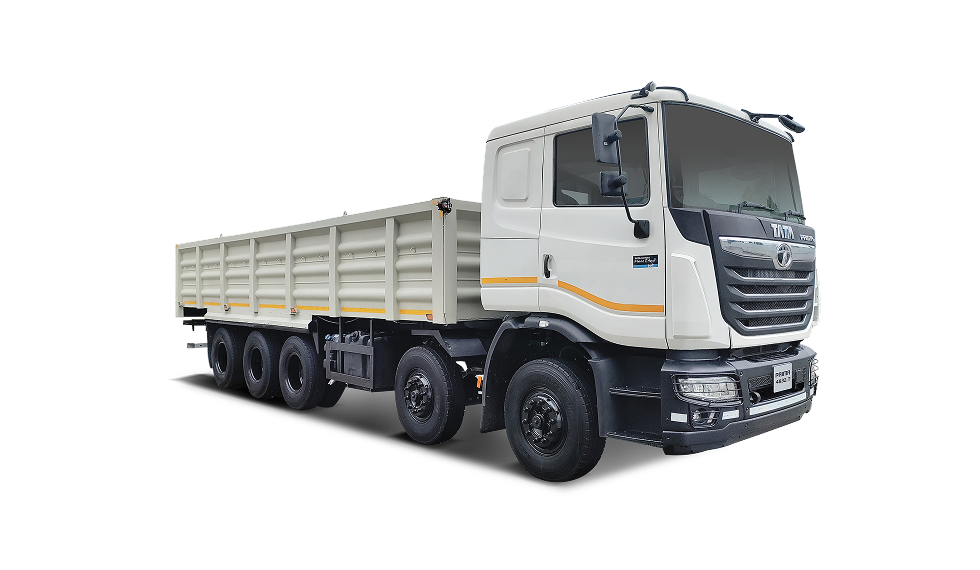
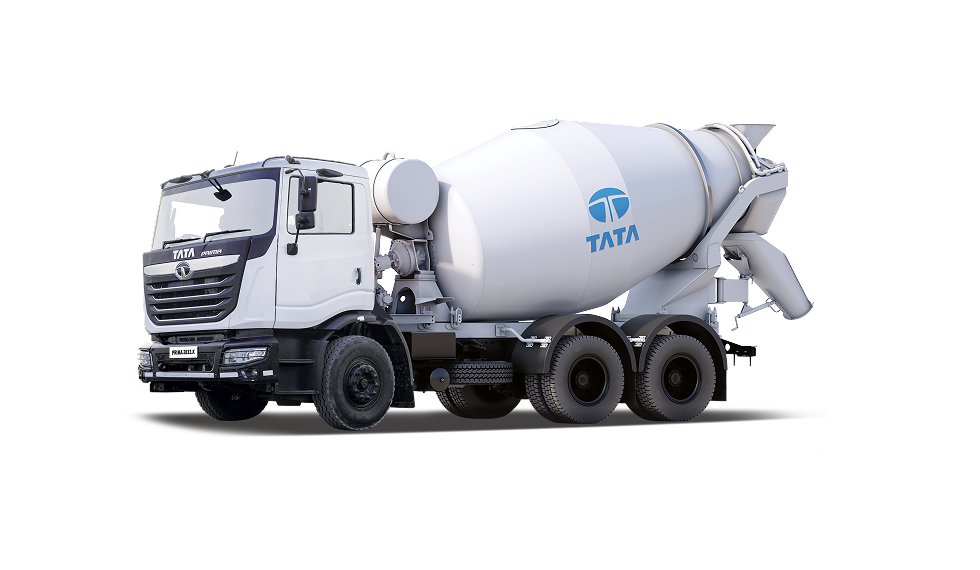
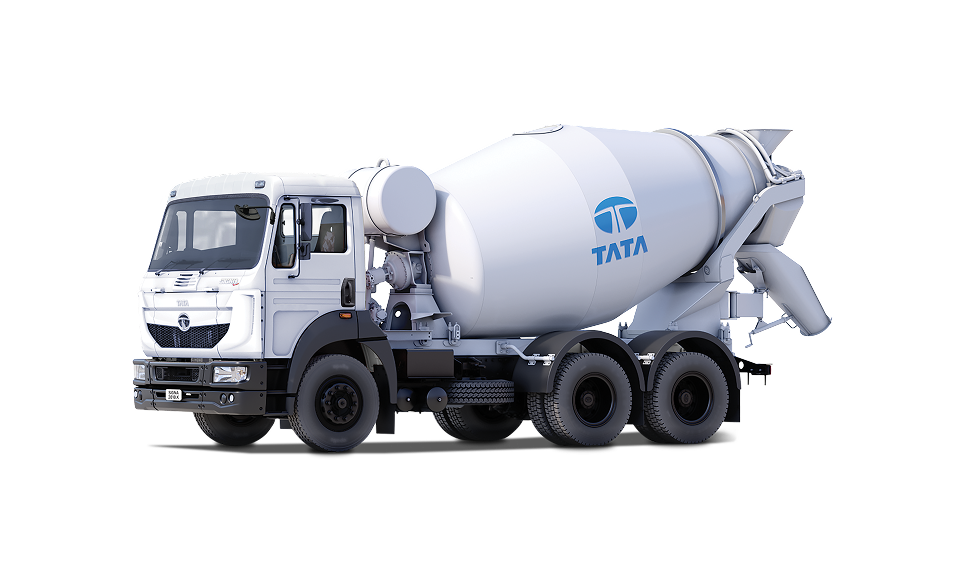
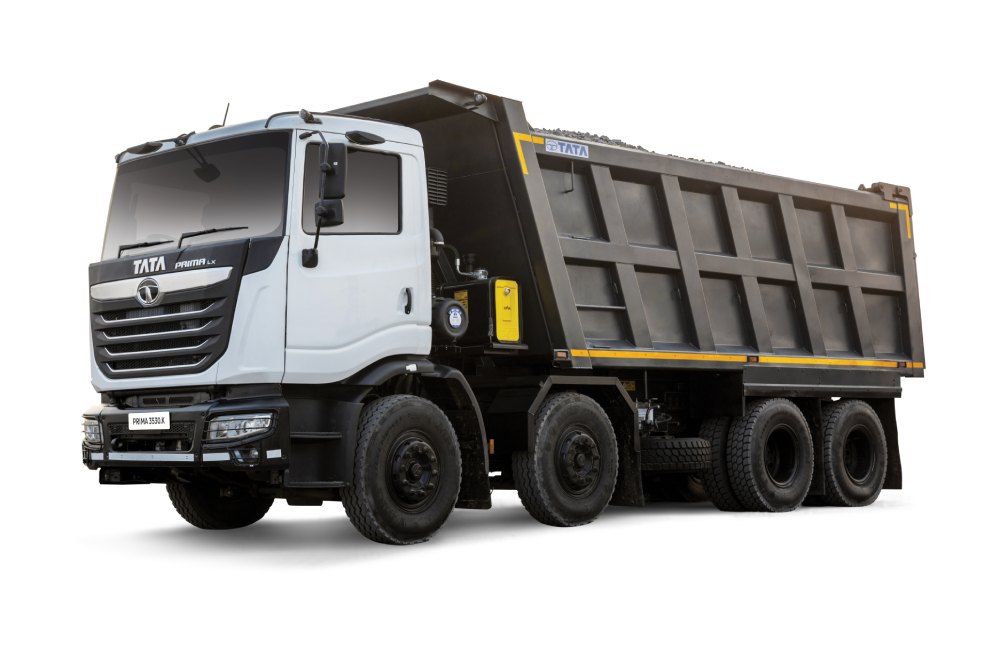
Tata Motors has recognized that successful LNG adoption requires an ecosystem approach extending beyond vehicle supply. The company's Fleet Edge platform, a next-generation connected vehicle solution, now digitally connects over 500,000 commercial vehicles, providing fleet operators with real-time intelligence necessary to optimize LNG operations. All Tata Motors LNG trucks, including the Prima 5530.S and 3530.K models, come factory-fitted with AIS 140-compliant Telematics Control Units with embedded 4G SIMs. Fleet Edge delivers real-time insights on track and trace capabilities, vehicle health monitoring, driving behavior analysis, fuel efficiency metrics, and fuel loss alerts. For LNG fleet operators, this means continuous visibility into cryogenic tank performance, precise fuel consumption tracking, and predictive maintenance alerts that maximize uptime.
The platform enables fleet managers to drill down from macro-level fleet performance to individual vehicle analysis, identifying specific optimization opportunities. By combining these digital capabilities with Tata's strategic partnership with THINK Gas for infrastructure development, the company delivers a comprehensive solution addressing both technological and logistical challenges of LNG fleet optimization. This ecosystem approach, proven through deployments with Tata Steel and Clean Green Fuel and Logistics, demonstrates that data-driven fleet management, when paired with reliable LNG vehicles and expanding refuelling infrastructure, enables operators to achieve both environmental and economic goals simultaneously.