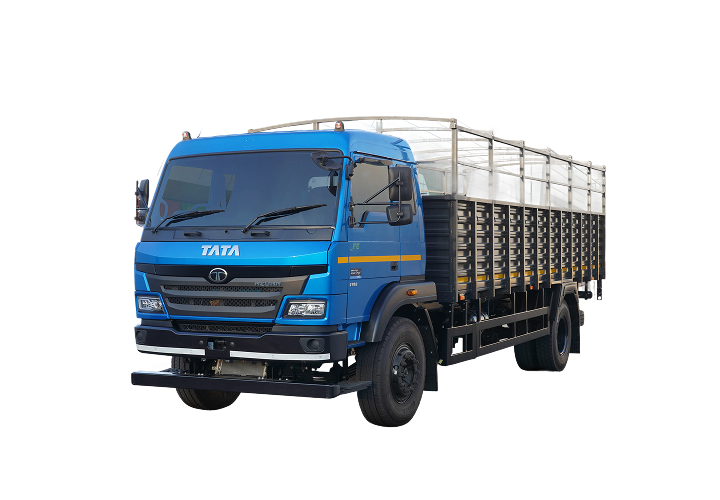
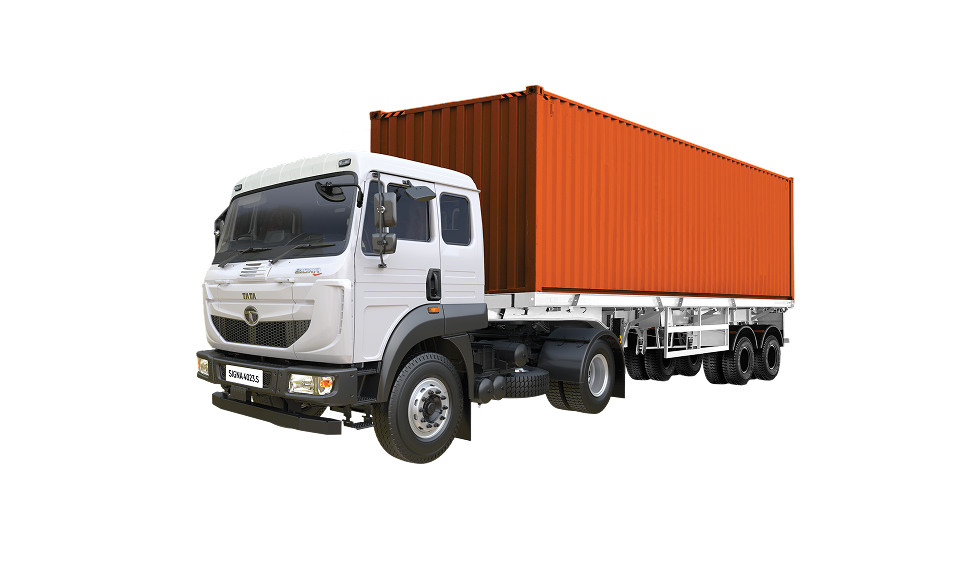
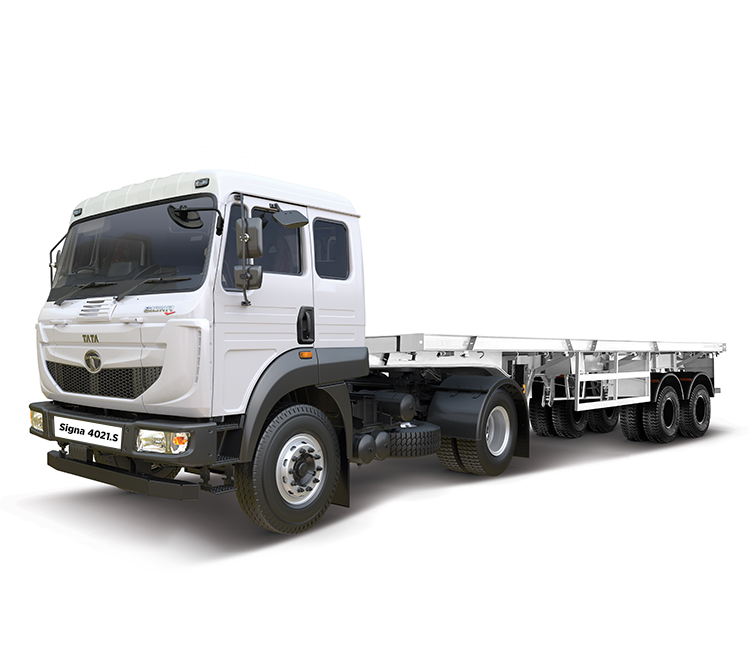
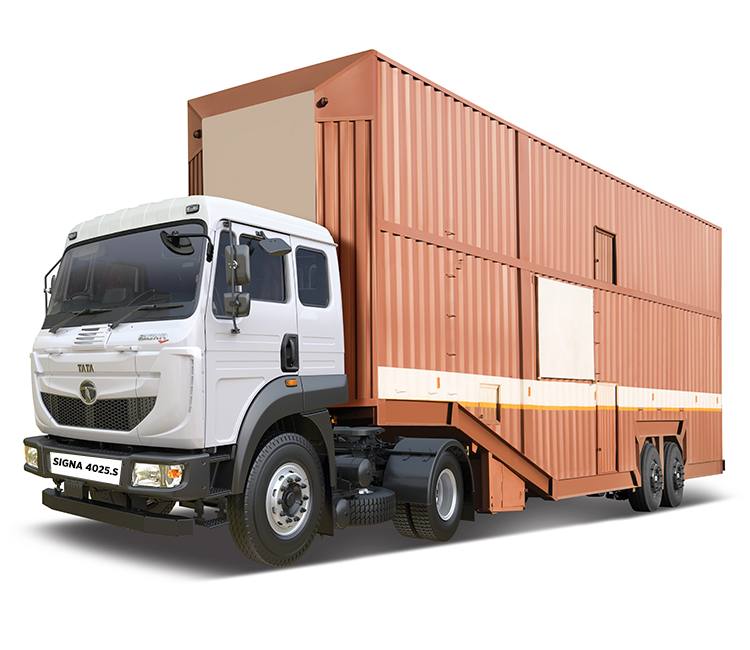
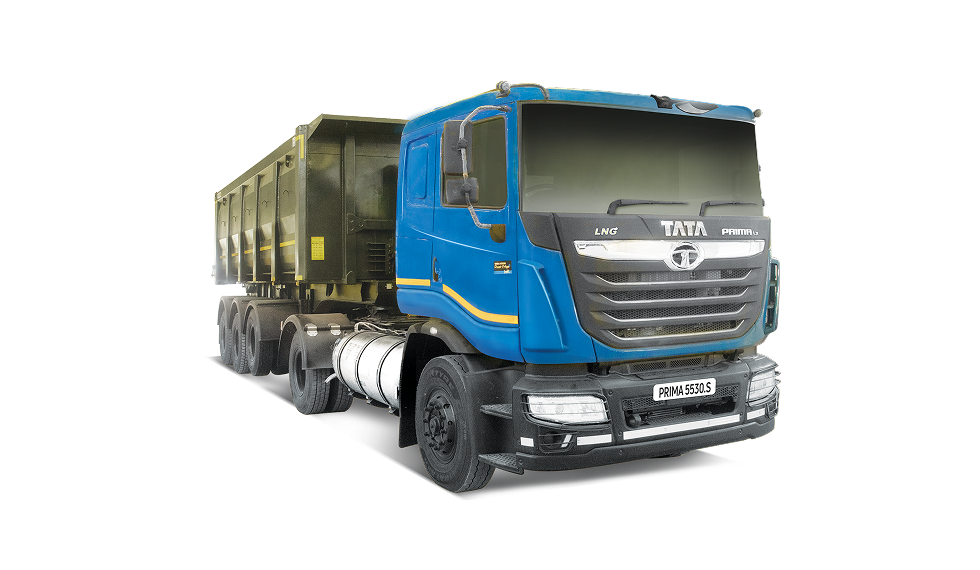
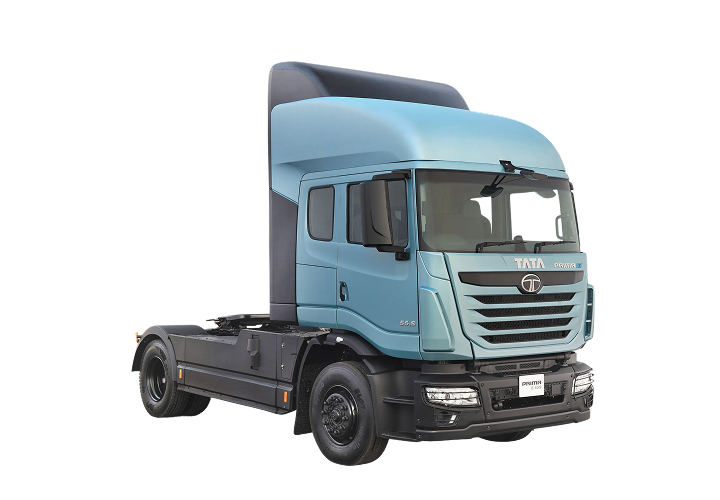
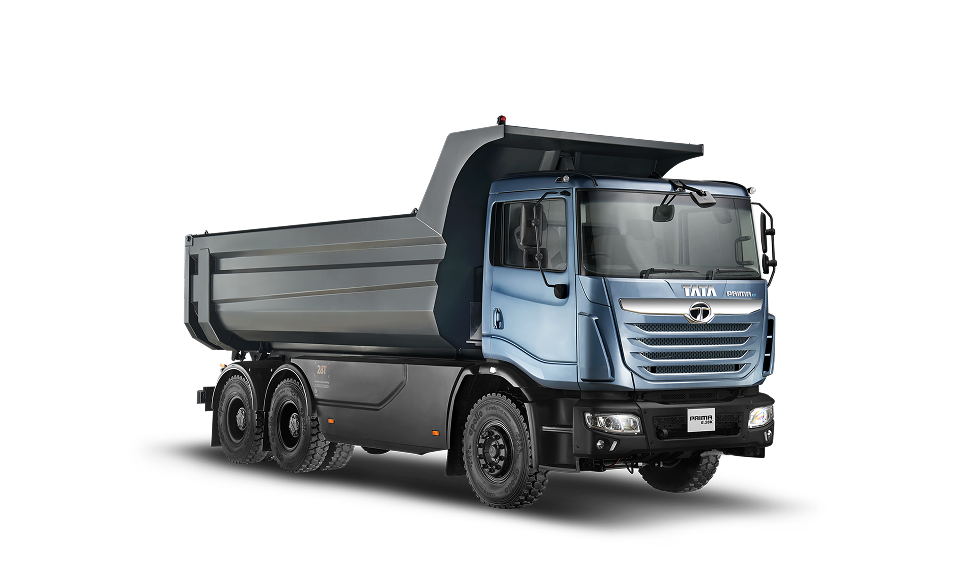
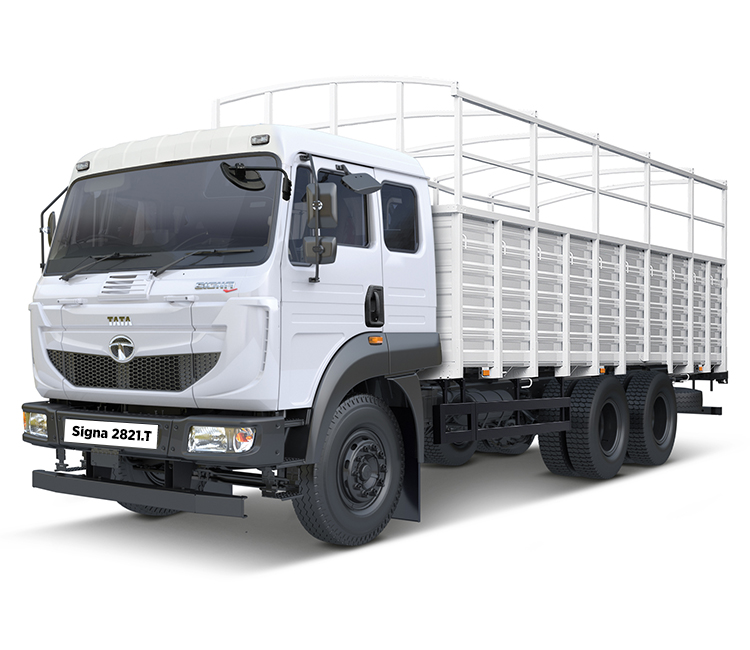
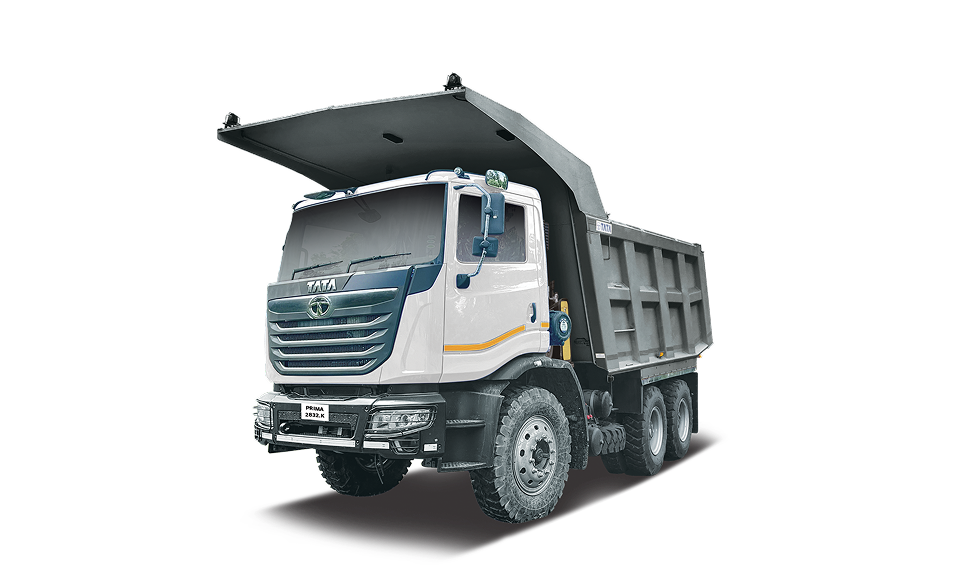
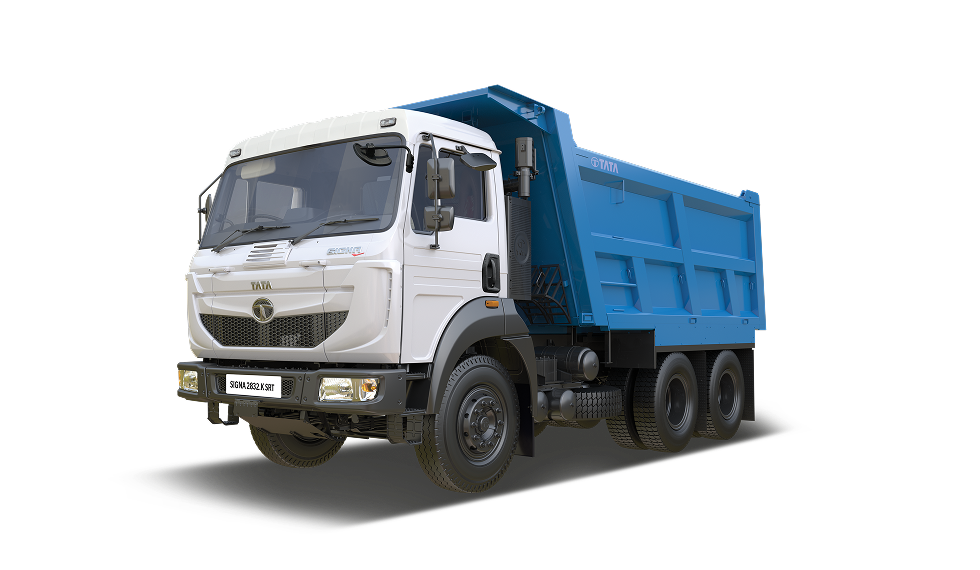
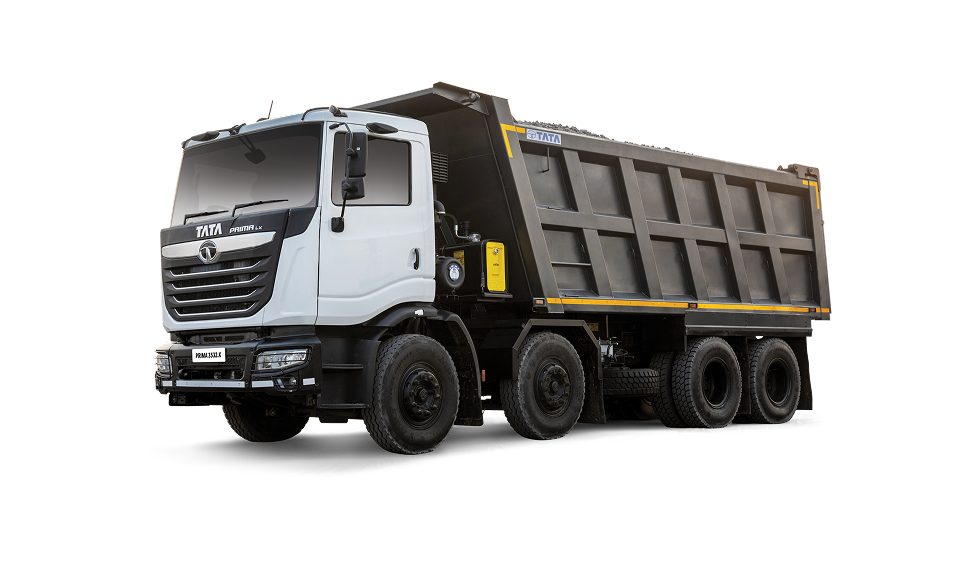
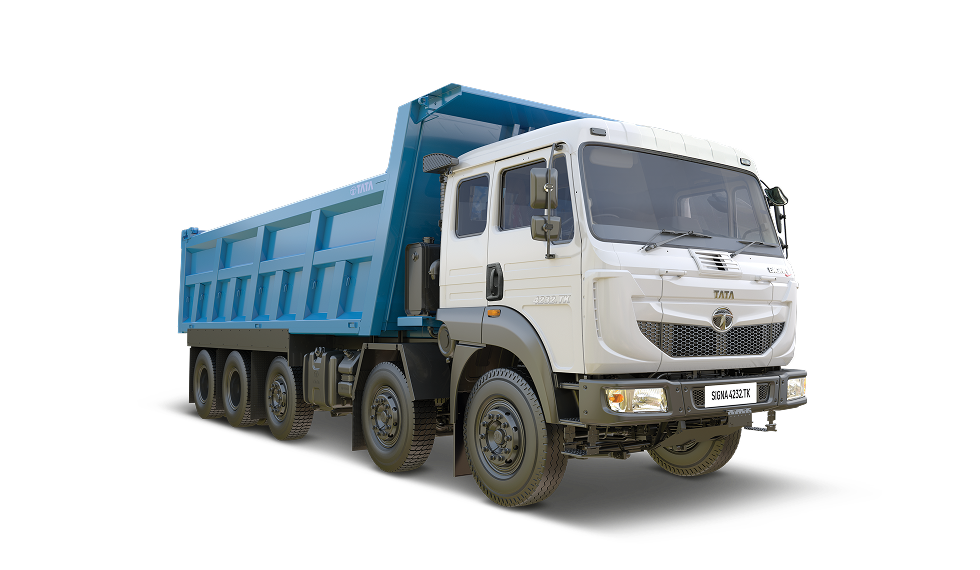
With increasing focus on cleaner freight operations, LNG (Liquefied Natural Gas) is emerging as an attractive alternative fuel for heavy-duty trucks due to its lower emissions and operational efficiencies compared to diesel. However, LNG is a cryogenic and flammable fuel that necessitates rigorous safety engineering to protect personnel, infrastructure, and vehicles. For manufacturers like Tata Motors, ensuring fuel system safety in LNG-powered M&HCVs (Medium & Heavy Commercial Vehicles) is central to product integrity and fleet operator confidence.
Fuel System Architecture: Cryogenic Design and Safety by Default
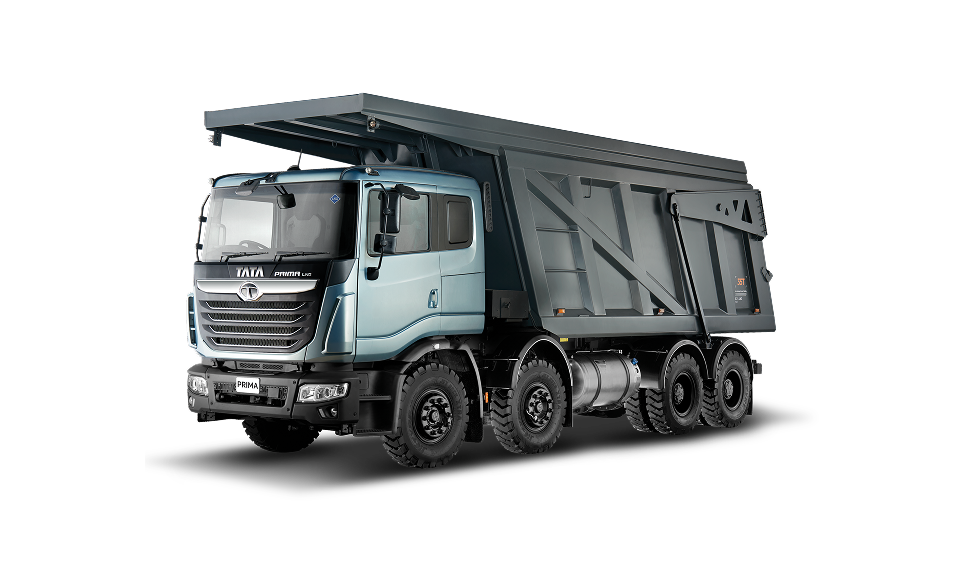
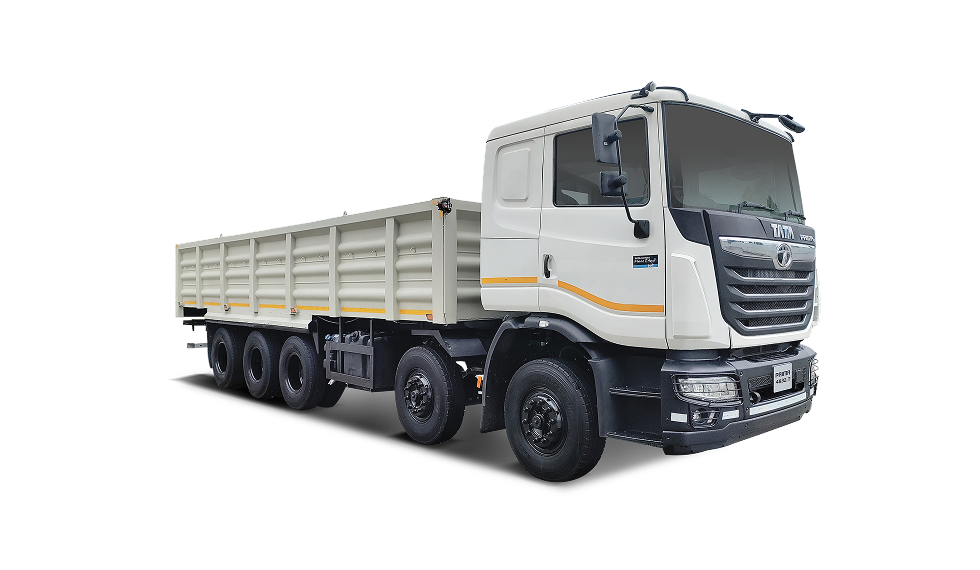
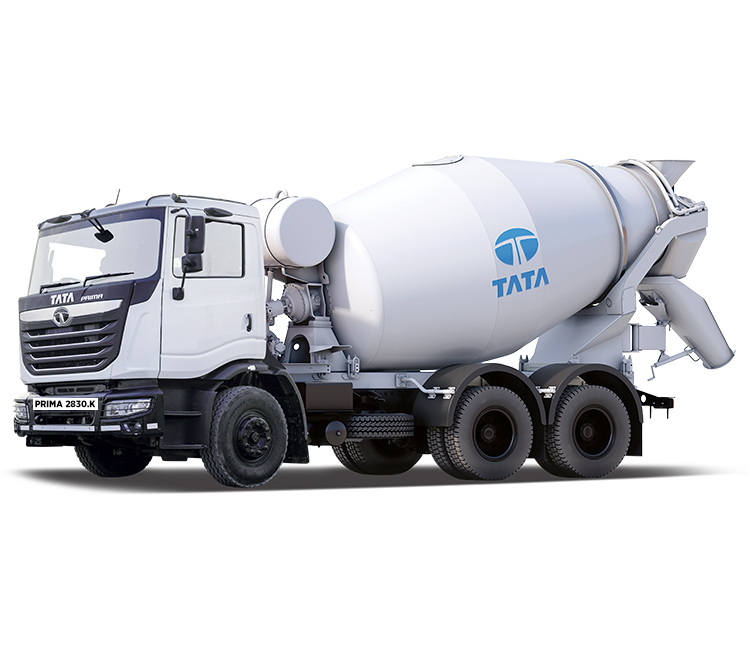
LNG must be stored at extremely low temperatures (around -162 °C) to remain liquid - a fundamental difference from traditional diesel or petrol systems. To address this, Tata’s LNG trucks employ double-walled cryogenic fuel tanks that are heavily insulated to maintain liquid conditions and prevent rapid vaporization. Tata Motors’ Prima LNG range, for example, features these cryogenic tanks in configurations suited for long-haul and heavy-duty logistics applications.
Double-wall construction is not just about insulation: it provides a primary safety barrier against leaks. Industry standards for LNG vehicle fuel systems (such as those embedded in NFPA 52, the Vehicular Natural Gas Fuel Systems Code) explicitly require such tank designs and pressure-relief provisions to manage boil-off gas safely.
Pressure Relief and Management: Preventing Overpressure Risks
One of the inherent features of LNG systems is boil-off gas - LNG naturally vaporizes over time, leading to pressure build-up within the tank. To manage this, Tata’s engineering adheres to robust pressure-relief strategies:
- Thermally Activated Pressure Relief Devices (PRDs): These valves open to safely vent excess vapour if tank pressure rises beyond safe limits, preventing unsafe overpressure conditions. Industry codes require multiple, certified relief devices based on tank capacity and pressure thresholds.
- Redundant Safety Mechanisms: Redundancy in safety valves and pressure controls ensures that even if one component fails, others maintain system safety.
These engineered measures are part of compliance with established standards for LNG fuel containment and are foundational to commercial vehicle safety.
Leak Detection and Gas Monitoring: Safety Beyond Mechanical Barriers
Unlike CNG (Compressed Natural Gas), which includes odourants to facilitate human leak detection, LNG is inherently odourless in both liquid and vapour forms. This necessitates technological leak detection systems rather than relying on sensory detection alone.
In practice, modern LNG vehicles integrate:
- Electronic methane sensors: Installed near critical points in the fuel system to detect trace levels of natural gas vapour.
- Telematics and diagnostic systems: Tata’s connected platforms - such as Fleet Edge - provide real-time health data from the vehicle, effectively identifying anomalies in fuel system pressure, levels and other parameters that could indicate leak risks.
These systems enhance both preventive maintenance and early warning, enabling fleet managers to intervene before a minor leak becomes a safety incident.
Automated Shut-off and Emergency Isolation
Safety engineering also includes shutdown valves - devices that automatically stop fuel flow when sensors detect unsafe conditions (e.g., rapid pressure spikes or sudden loss of containment). Shutdown valves are a critical component in any hazardous fluid system, including LNG trucks, as they isolate the fuel source quickly without manual intervention.
In conjunction with PRDs and leak detection, these automated valves form part of a layered safety approach that can isolate fuel delivery in seconds during an emergency.
Material Selection and Cryogenic Compatibility
Handling cryogenic liquids introduces unique material challenges: at low temperatures, ordinary metals can become brittle, leading to fractures or leaks. Tata’s LNG systems use cryogenic-grade materials for tanks, piping, valves and fittings to maintain structural integrity under extreme conditions.
In addition, meticulous design ensures compatibility between different materials to avoid thermal stress and cracking - a principle reflected in broader LNG system safety guidelines.
Operational Safety Practices and Ecosystem Support
Tata does not operate in isolation; part of its strategy involves collaborating with ecosystem partners to support fuel quality, infrastructure safety and refuelling norms. For instance, Tata’s partnership with THINK Gas aims to bolster LNG fuel supply quality and station reliability - a key factor in avoiding contamination or unsafe refuelling that could compromise fuel systems.
This ecosystem-oriented approach reinforces safety not just in vehicle design but across the entire LNG value chain.
For fleet managers, this multi-layered safety framework means LNG adoption can proceed with confidence - provided that planned maintenance, training, and infrastructure support accompany vehicle deployment.
- Fuel System Architecture: Cryogenic Design and Safety by Default
- Pressure Relief and Management: Preventing Overpressure Risks
- Leak Detection and Gas Monitoring: Safety Beyond Mechanical Barriers
- Automated Shut-off and Emergency Isolation
- Material Selection and Cryogenic Compatibility
- Operational Safety Practices and Ecosystem Support