As liquefied natural gas (LNG) gains traction as a lower-emission, cost-efficient fuel for heavy-duty trucking, fleet managers are increasingly exploring LNG-powered vehicles as part of their sustainability and total cost of ownership strategies. LNG trucks offer significant reductions in carbon and nitrogen-oxide emissions compared with diesel, along with operational efficiencies on long-haul routes.
However, replacing diesel with LNG isn’t just a matter of filling a different tank - it requires a fundamental shift in how vehicles are maintained, operated and integrated into existing fleet workflows. Here’s what seasoned operators should know.
Understanding LNG Truck Systems
Unlike diesel, LNG must be stored at cryogenic temperatures (around -162°C) to remain liquid, which means both the fuel itself and the storage system behave very differently from traditional fuels. LNG trucks have insulated, double-walled tanks designed to manage extreme cold and prevent excessive pressure build-up.
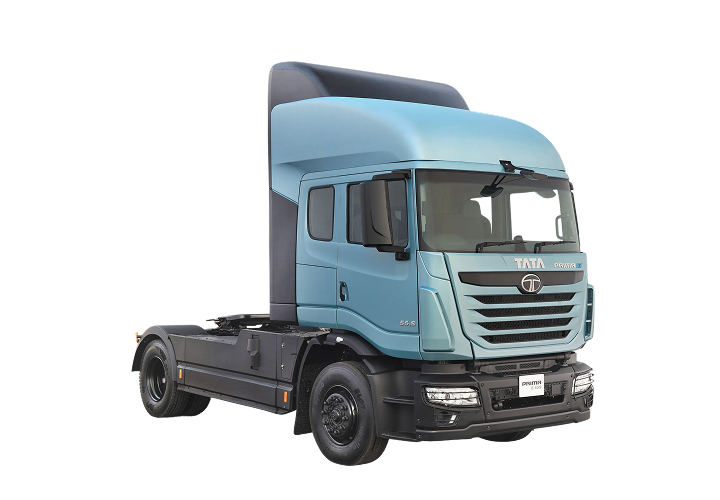
The engine in an LNG truck - for example, those used in Tata Motors’ Prima LNG range - is a spark-ignited gas engine adapted for natural gas combustion, with technology and components much like conventional diesel engines.
For maintenance planning, fleet managers must treat the cryogenic fuel system as a specialized subsystem: it’s not simply “another fuel tank”. Proper inspection, handling, and servicing protocols are essential for performance and safety.
Daily & Routine Checks: Foundation of Reliable Operations
1. Visual Inspection of Cryogenic Tanks
Before each duty cycle, drivers and technicians should visually inspect LNG tanks and associated piping for signs of wear, insulation damage, frost build-up, or abnormal venting. These tanks rely on vacuum-insulated technology; any breach in insulation integrity can accelerate boil-off and reduce range.
2. Pressure and Temperature Monitoring
Cryogenic systems have pressure-relief valves that must function correctly to avoid unsafe pressure build-up. Regular monitoring of temperature and pressure sensors helps catch early signs of system imbalance. This isn’t a diesel routine — the nature of LNG means any temperature or pressure deviations deserve immediate attention.
3. Safety System Checks
In LNG systems, safety systems such as pressure relief and emergency shutdown must be part of daily or weekly checklists. Faulty safety valves or sensors can cause false venting or, worse, dangerous releases.
Industry practice highlights the importance of trained maintenance staff who understand LNG’s unique properties: cryogenic hazards, pressure responses, and the handling of vaporized methane.