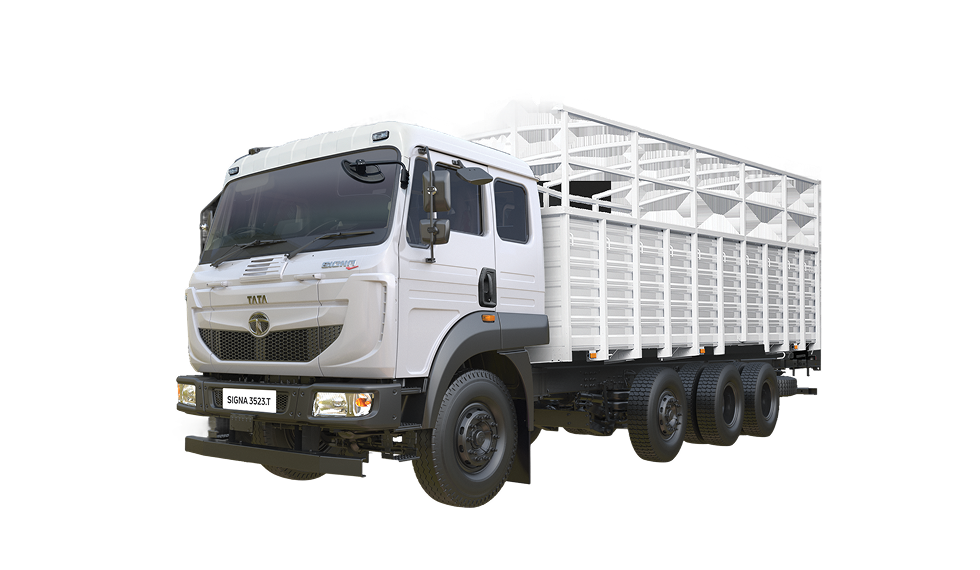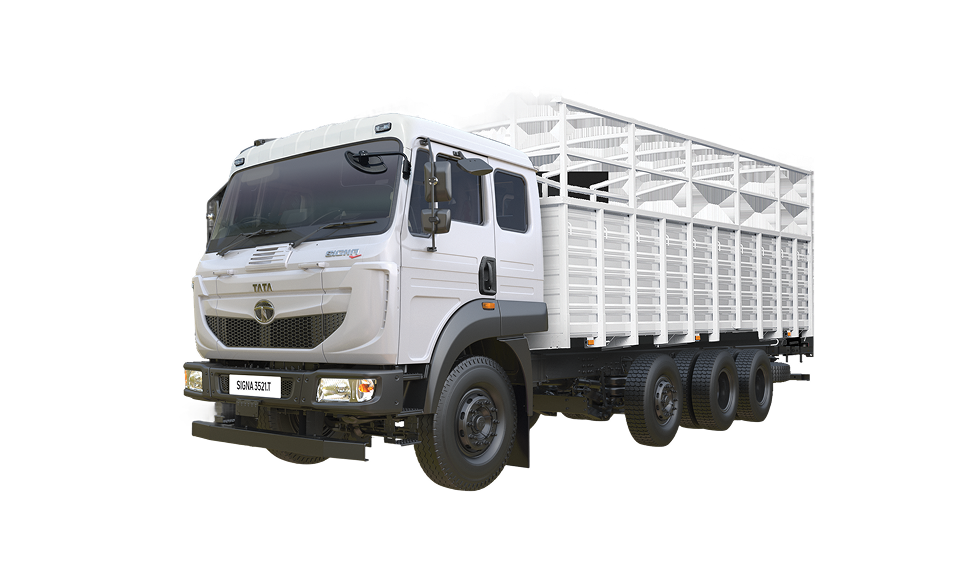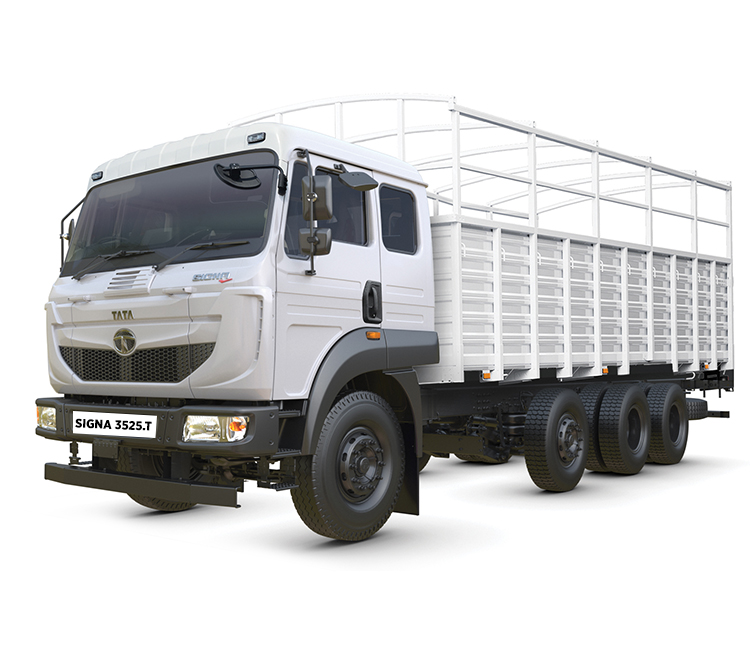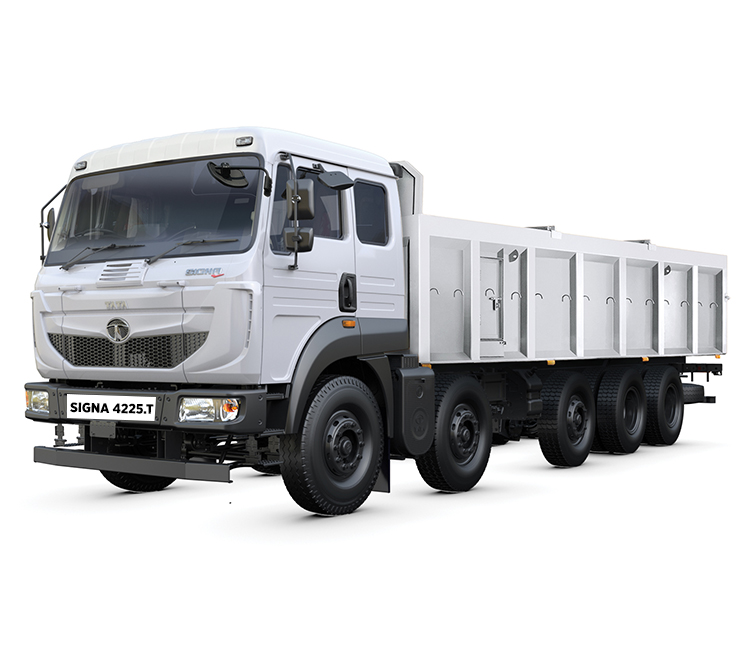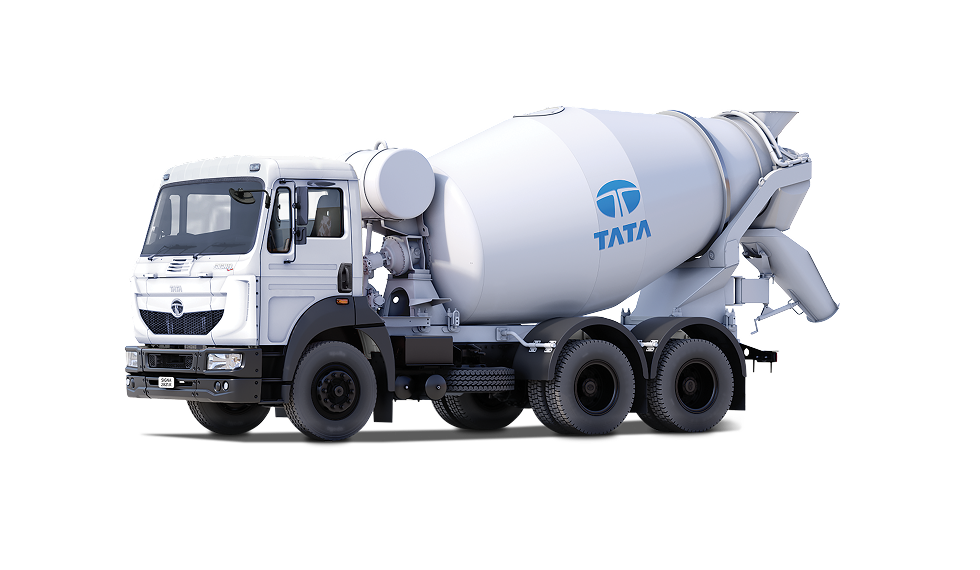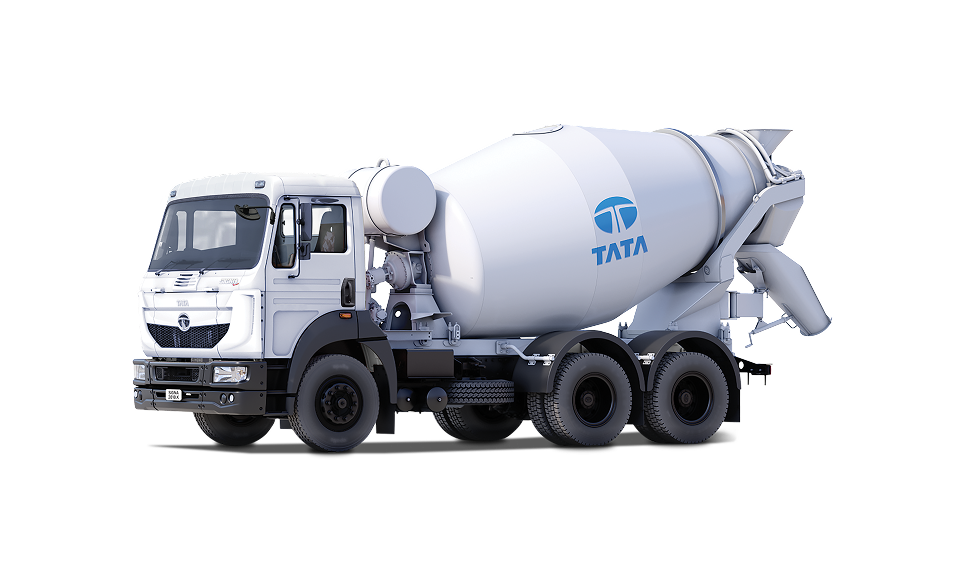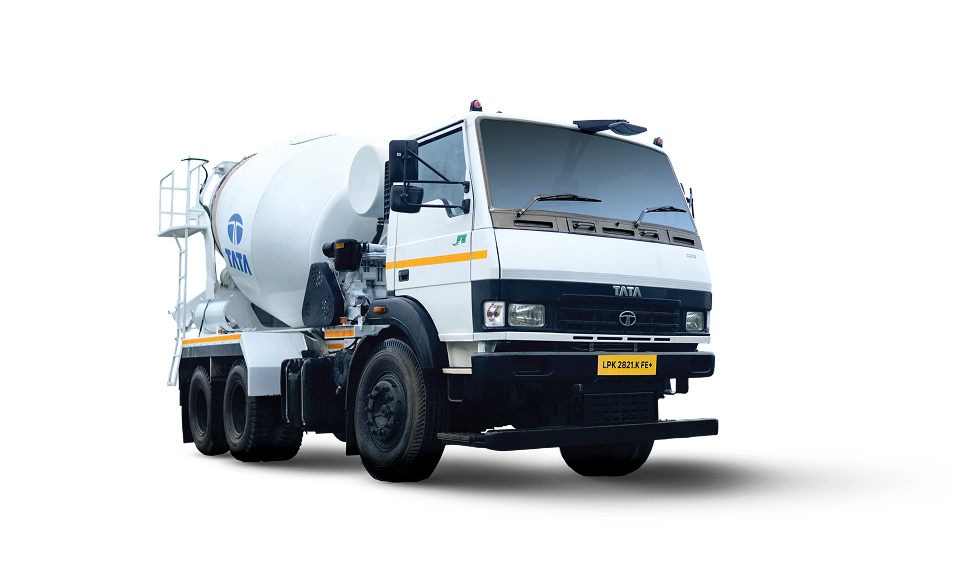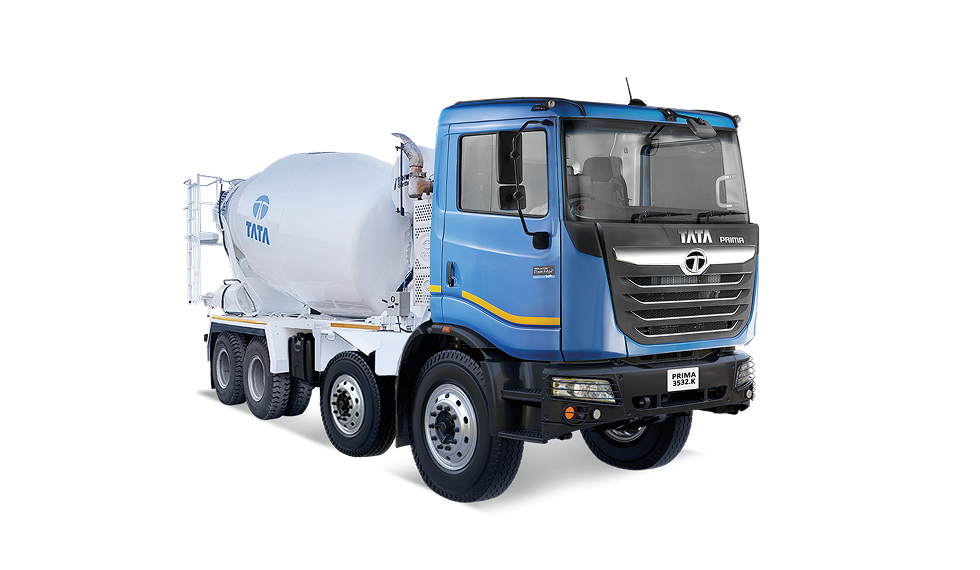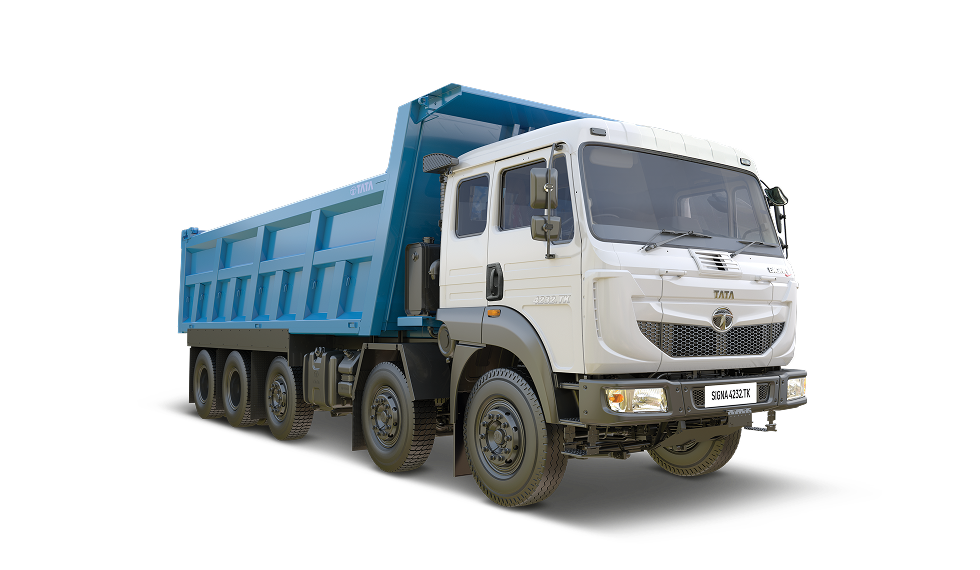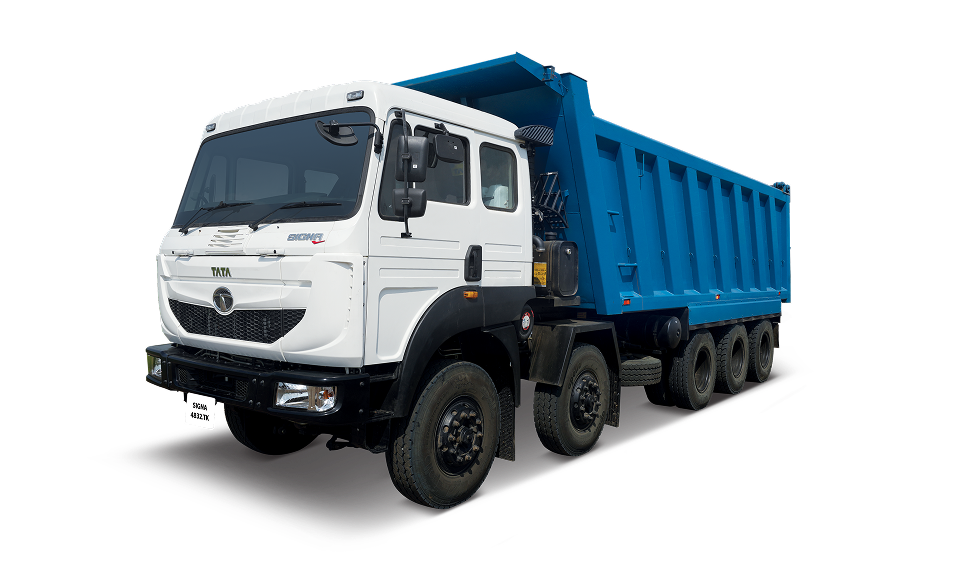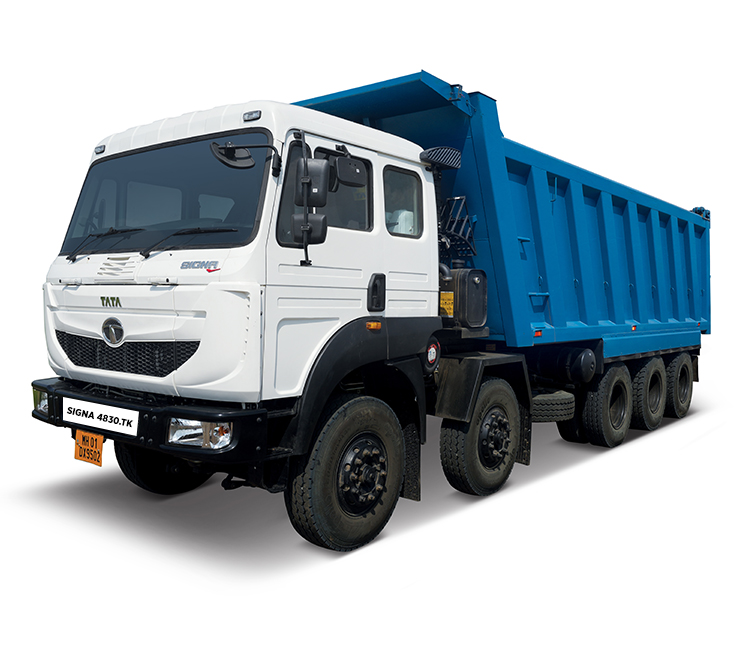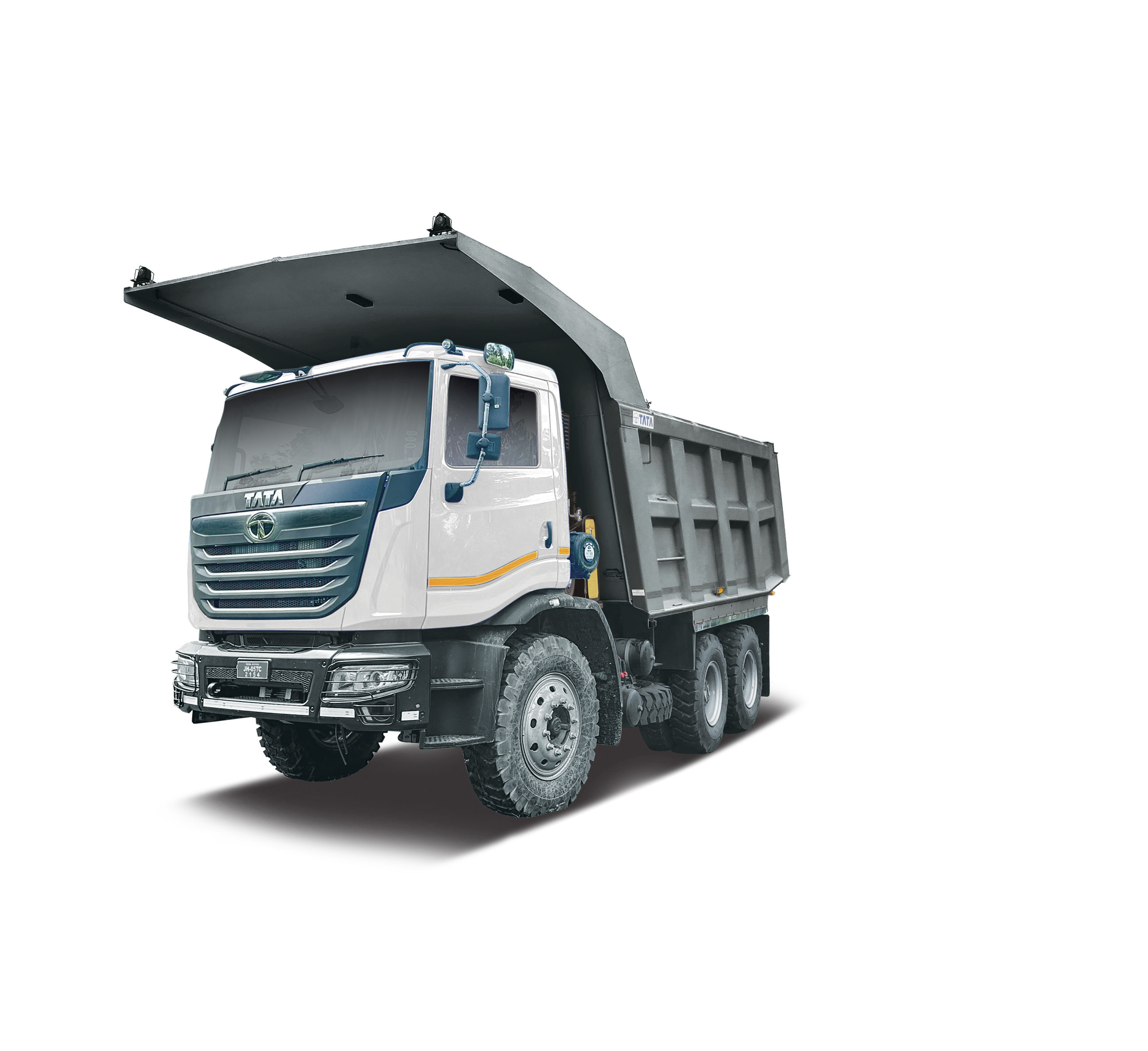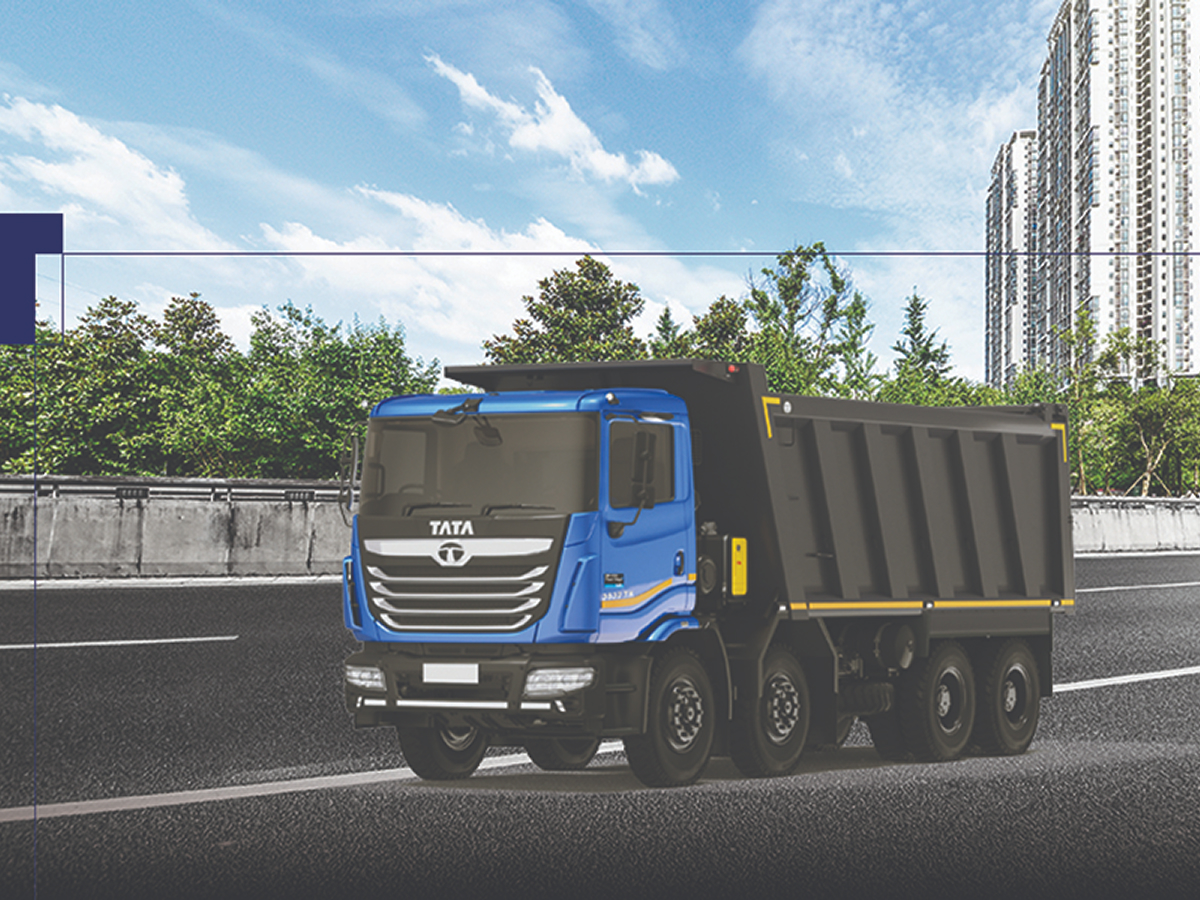
If you want to know how serious someone is about building India - roads, metros or housing - don’t look at their PowerPoint. Look at their tipper truck. That’s where intent meets EMI, stone dust and site reality.
Tipper Truck Price Range in India
Across the Tata Motors’ tipper universe, prices currently range from about ₹14.30 lakh to around ₹65 lakh ex‑showroom, depending on size and use-case.
Broadly:
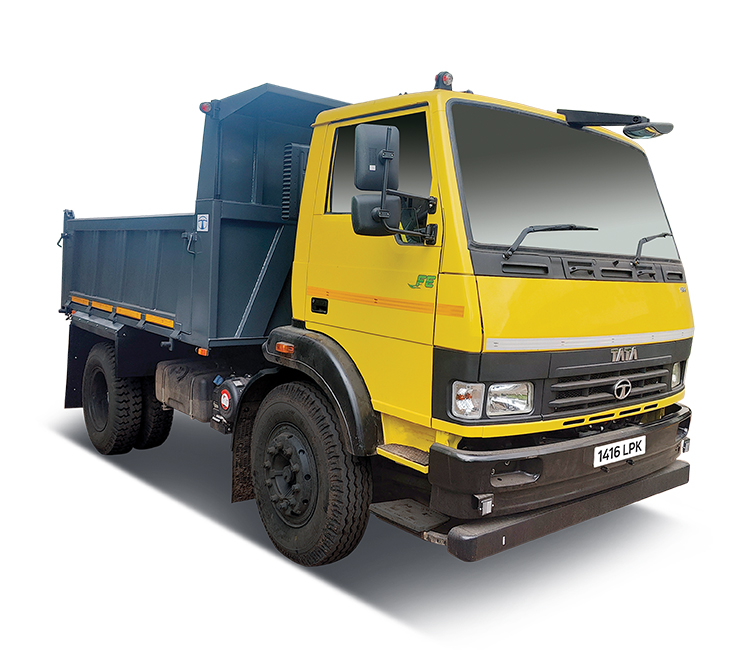
- Entry/intra-city tippers like the 6–10 tonne GVW models sit at the lower end (around ₹14–21 lakh).
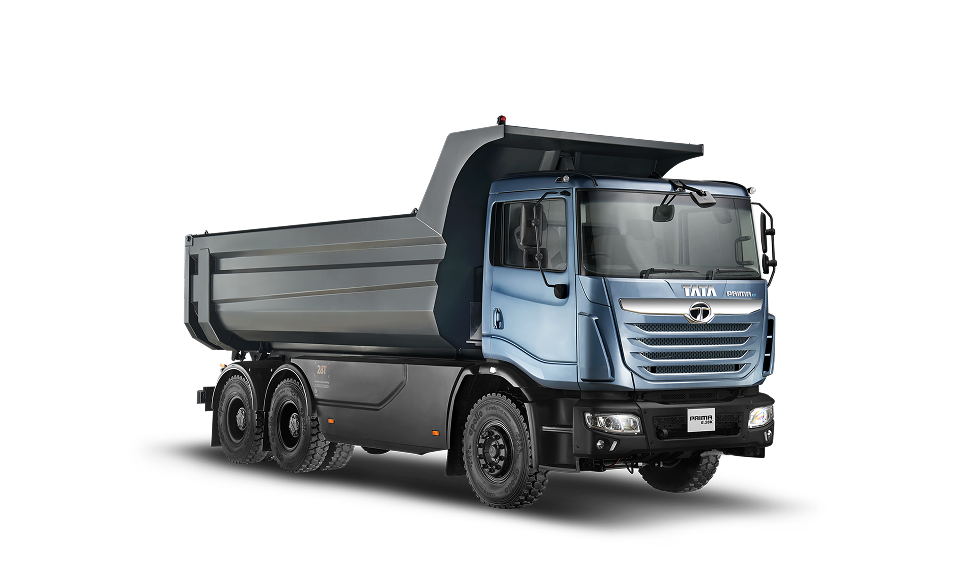
- Mid-segment highway and construction tippers in the 18–28 tonne GVW band move into the ₹28–45 lakh zone.
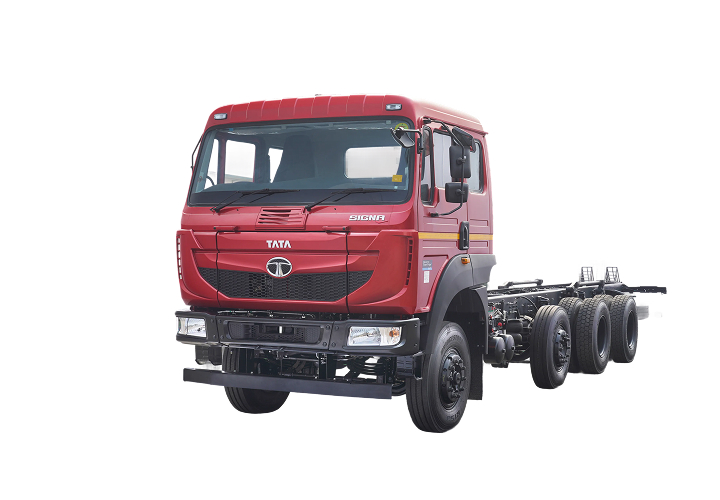
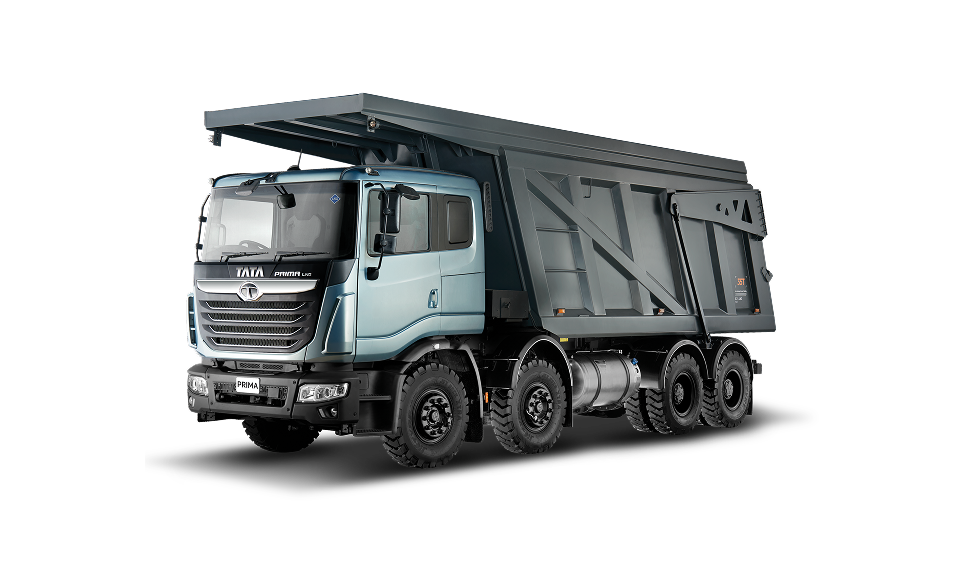
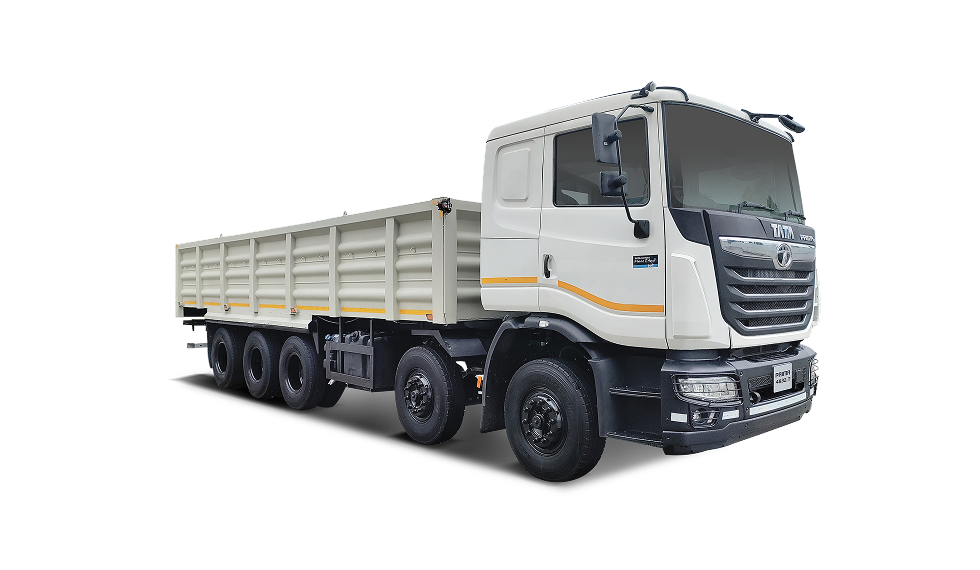
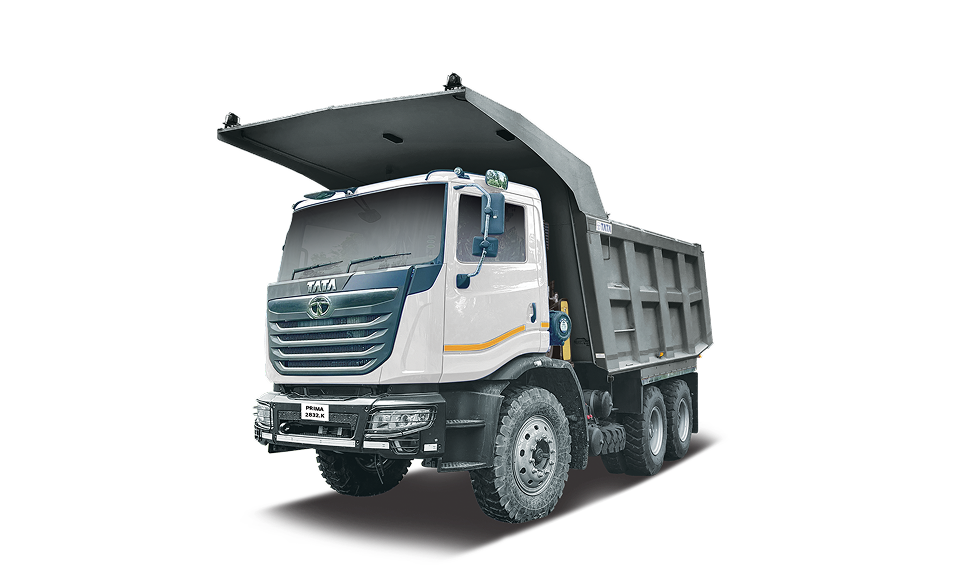
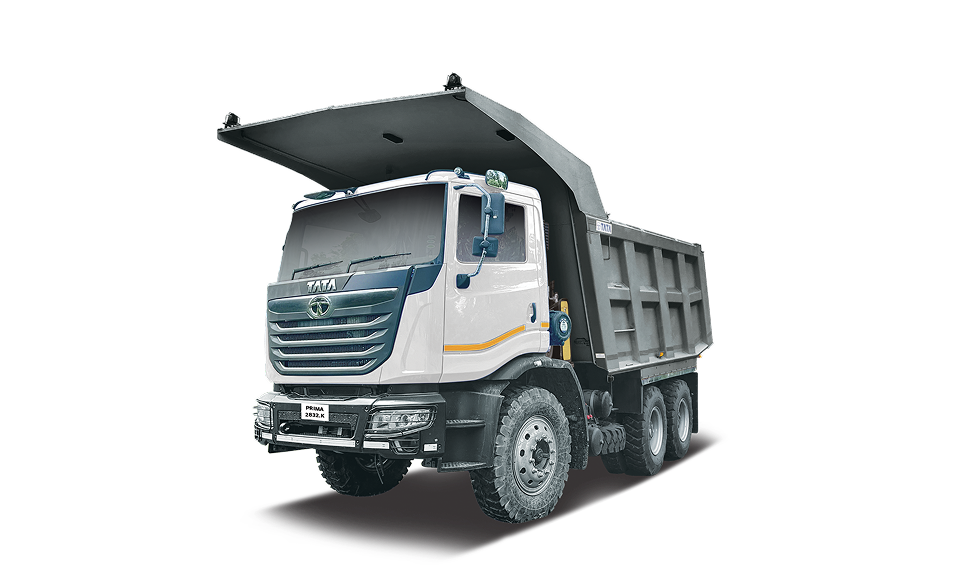
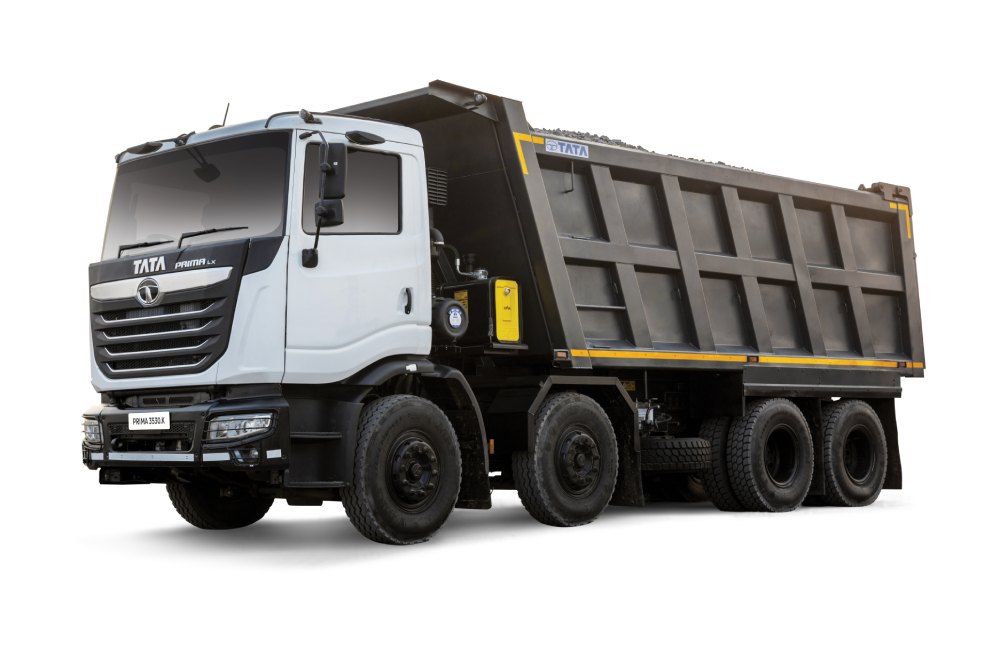
- Heavy-duty construction and mining workhorses such as Prima and high-GVW Signa tippers go up to the ₹50–65 lakh bracket.
On-road, you’ll add body building (if not fully built), insurance, permits and local taxes. The smarter way to think about it: what does each lakh you spend do for your payload, routes and uptime over the next 5–7 years?
Matching Tipper Types to Best Uses
1. Construction & Infra Tippers
Use these when:
- You haul sand, aggregates, bricks and debris for roads, city infra, housing, metro jobs.
- Distances are short-to-medium, with frequent loading and unloading.
Key traits to look for:
- Strong but not overbuilt chassis
- 4x2, 6x4 or 8x4 layouts depending on typical loads and road quality.
- Decent power (200–250 hp range) with multi-mode fuel maps so your driver can switch between power and economy when needed.
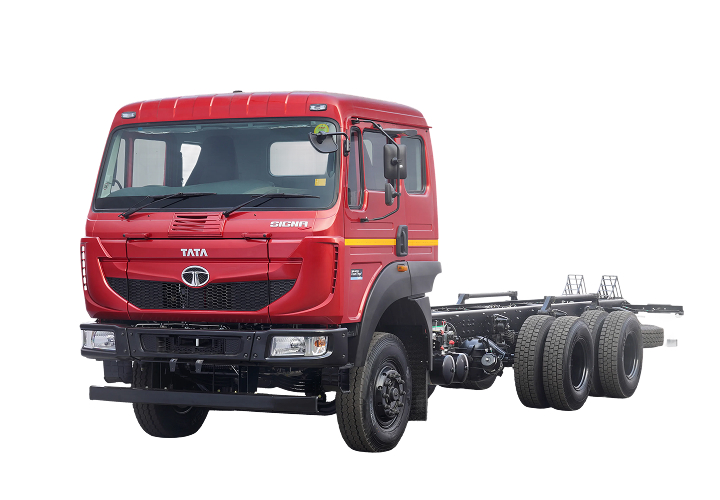
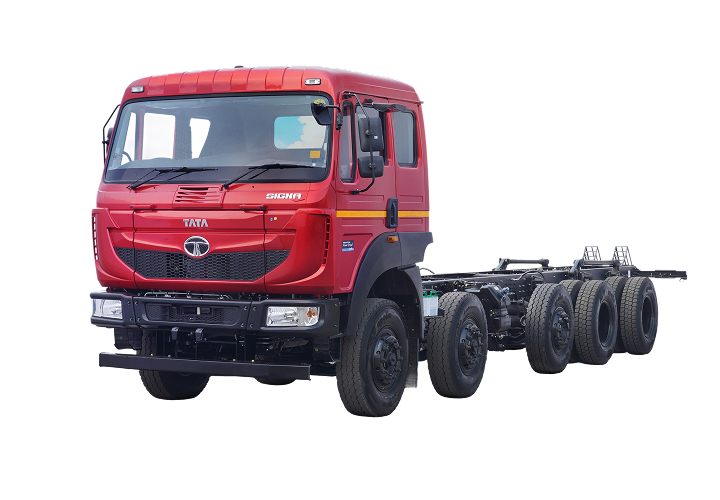
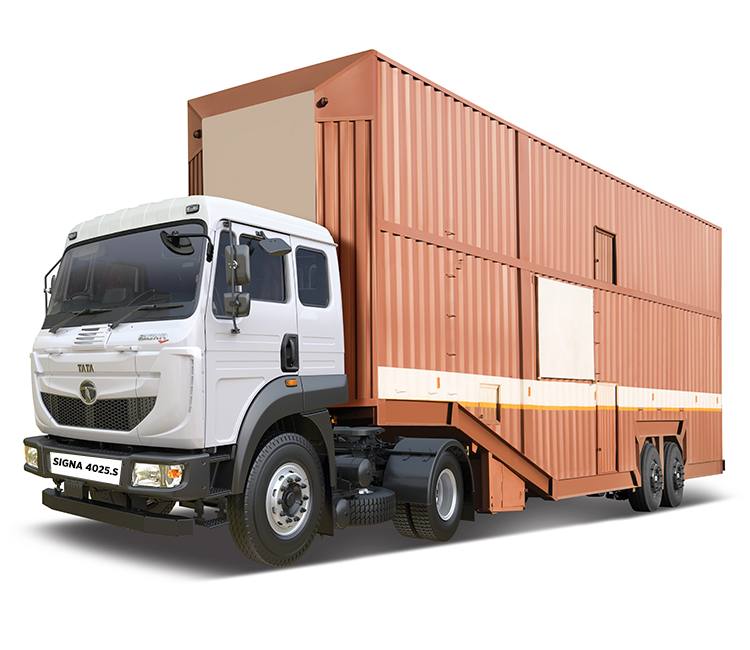
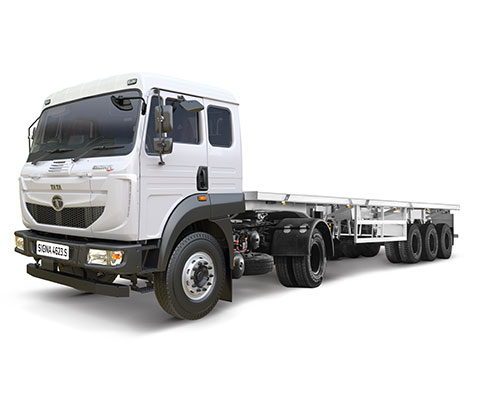
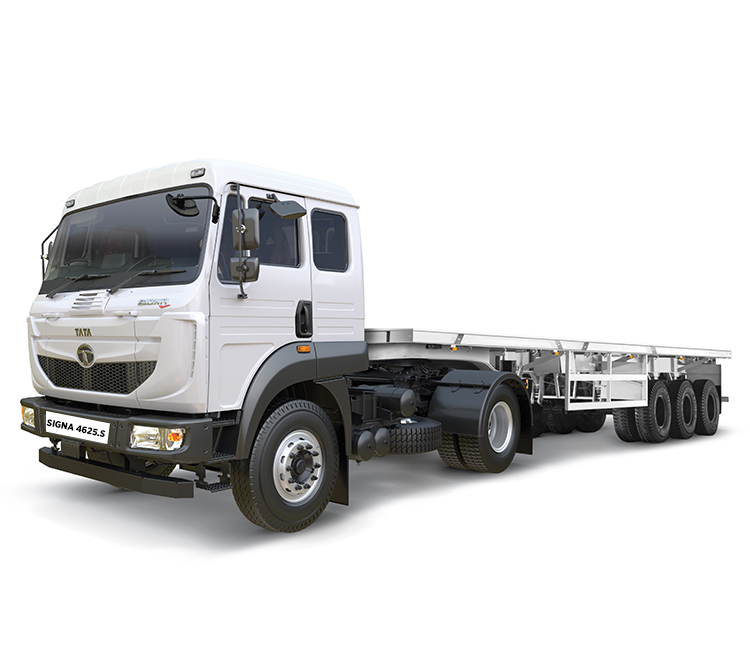
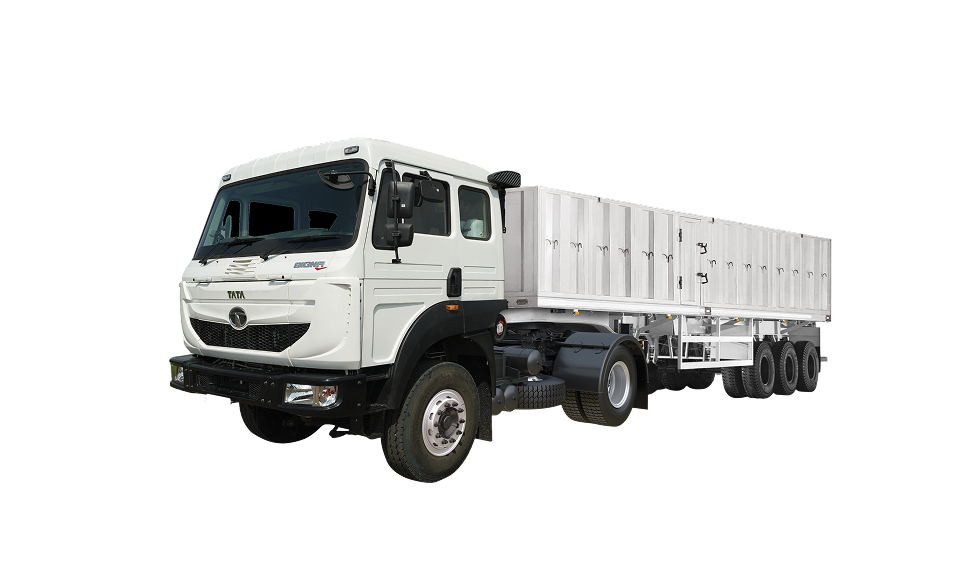
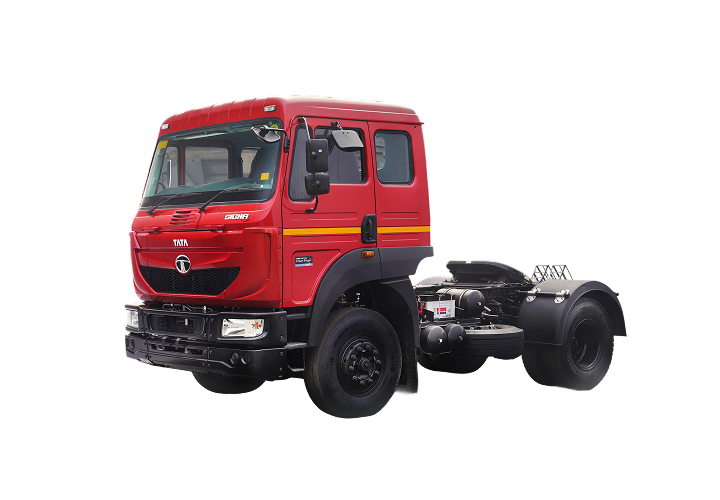
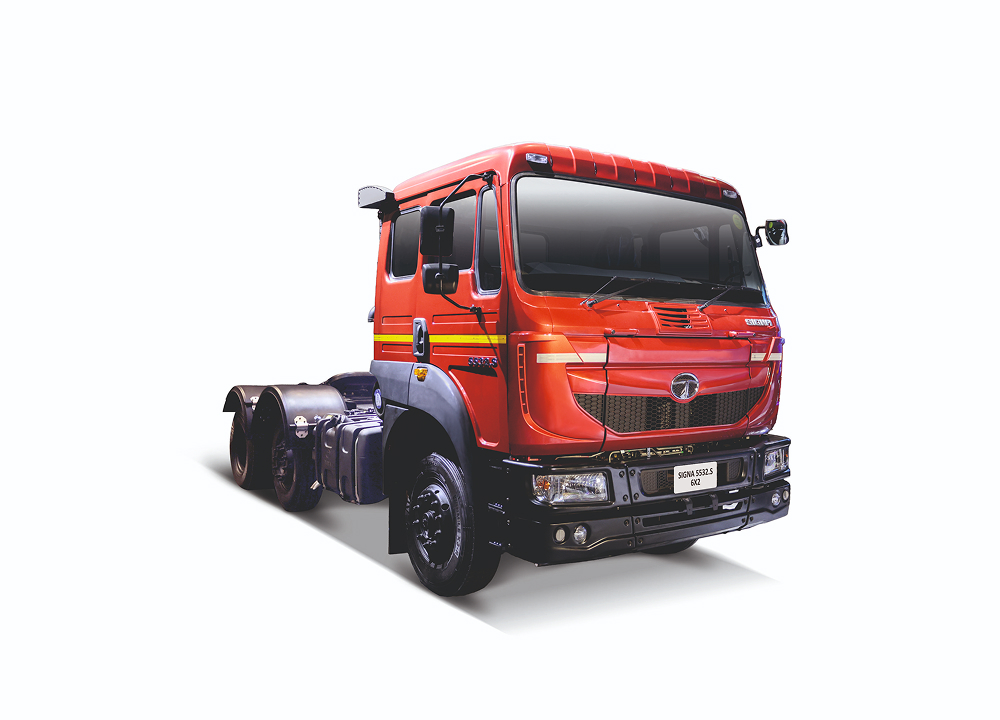
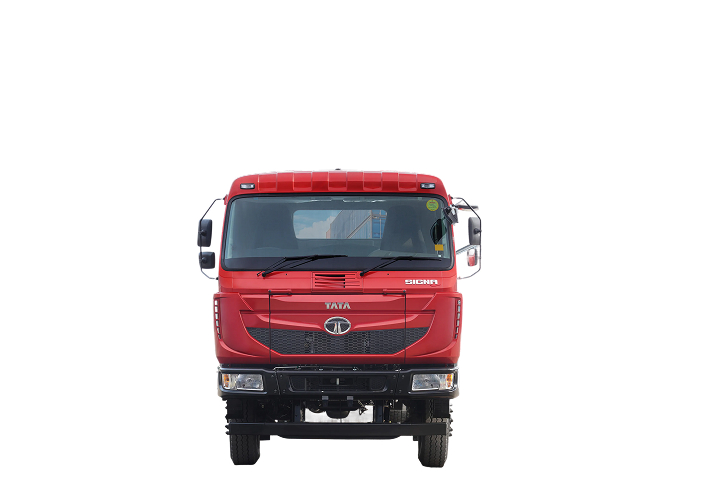
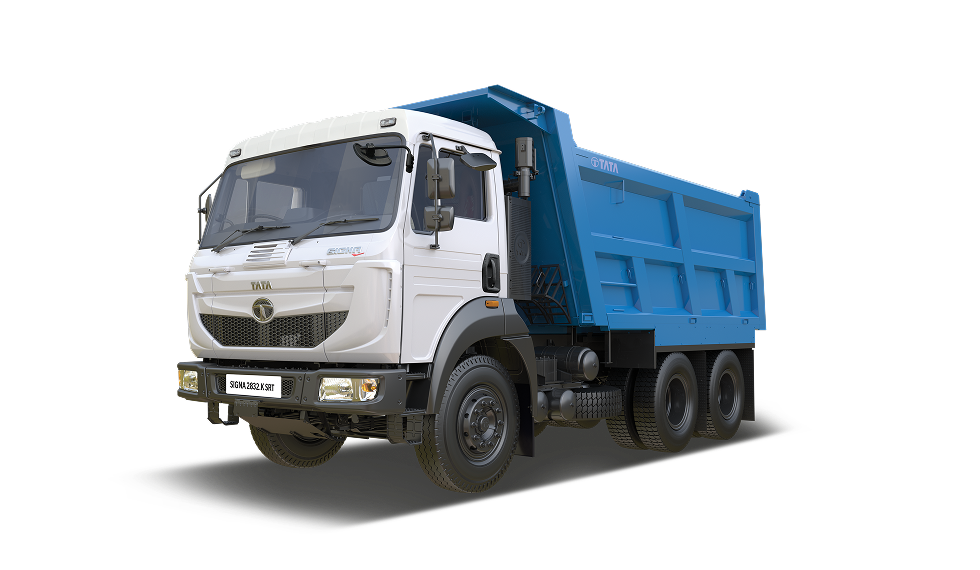
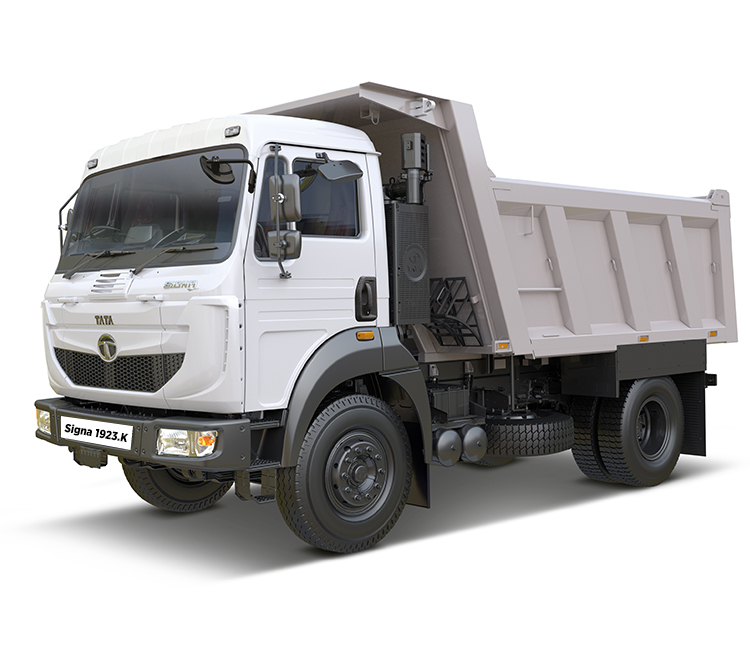
This is where mid-range Signa tippers in the 28–35 tonne GVW segment typically play - balancing payload, manoeuvrability and cost.
2. Mining & Off-Road Tippers
Use these when:
- The truck spends its life in coal, iron ore, stone, limestone mines or heavy earthwork projects.
- Roads are more “suggestions” than actual roads.
Tata’s “Construck” mining tipper range, for example, features 300 hp BS6 tippers in 28-tonne and 35-tonne configurations, with Cummins 6.7L engines delivering up to 1100 Nm of torque. They are built with:
- Heavier frames and bogie suspensions to survive constant impact.
- High-strength rock bodies.
- Cabin and brake systems designed for round‑the‑clock shifts.
In mining, uptime is king. A dumper standing idle because of breakdown is more expensive than the EMI. So in this segment, paying more upfront for a rugged, higher-spec tipper often works out cheaper in the long run.
3. Highway & Multi-Utility Tippers
Then there are tippers that live double lives: construction by day, highway loads when needed.
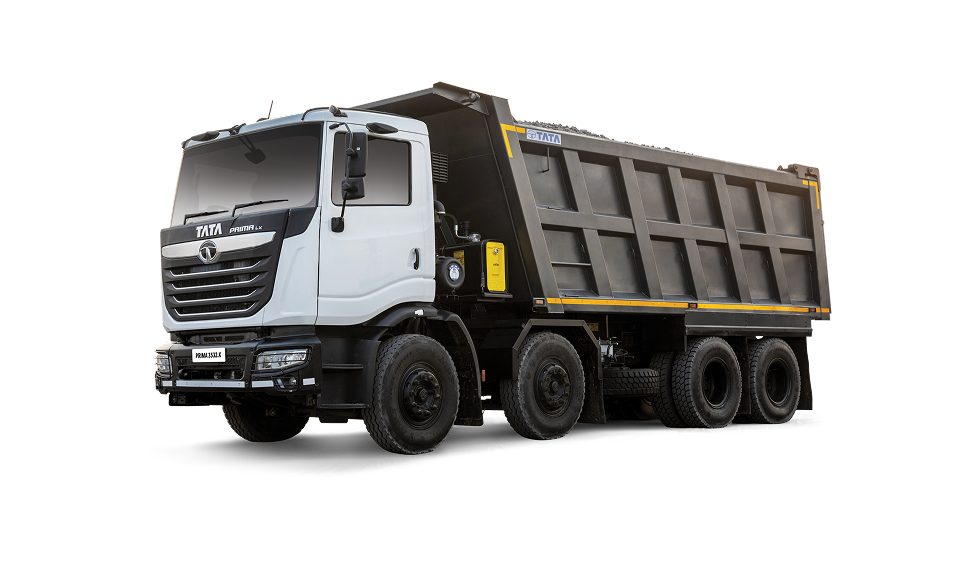
- These usually sit in the 6x4 or 8x4 bracket, with comfortable cabins, cruise-friendly engines, and bodies that can handle everything from aggregates to bulk materials.
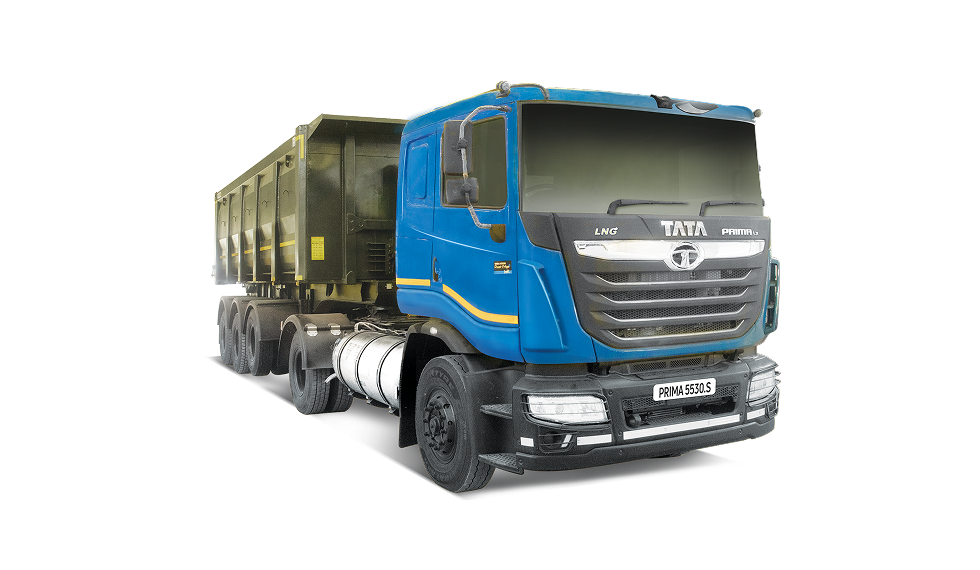
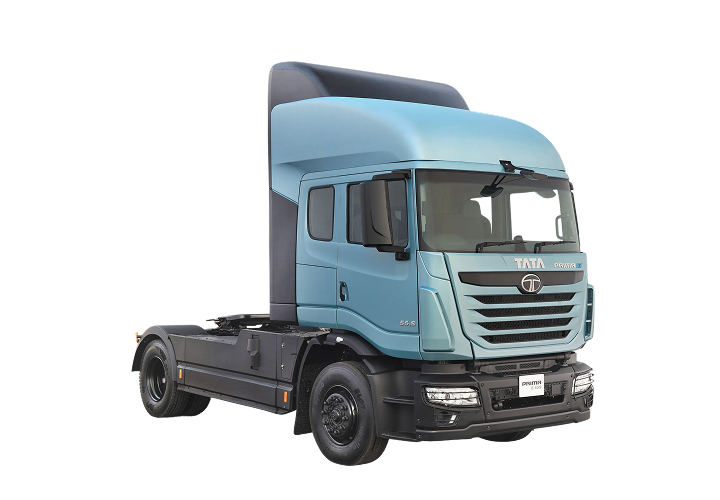
- Prima-series tippers are often used here, leveraging the same platform family that powers long-haul tractor-trailers but adapted for tipping duties.
If your work mixes infra projects with some regional haulage, these multi-utility setups make sense. You’re paying for versatility and better driver comfort—both key to running multiple shifts and retaining drivers.
Practical Buying Checklist
When you finally sit down to shortlist, run through a quick reality checklist:
- Route profile: Flat city runs, hilly terrain, mines, highways? Gradeability figures (like up to 39% on some 28T tippers) matter when you are on steep ghats or mine ramps.
- Average lead distance: Short leads justify higher payload and more trips; long leads put focus on mileage and cabin comfort.
- Loading infrastructure: Do you use excavators, loaders or hand-loading? That will drive body volume and height decisions.
- Fuel and emissions norms: City contracts may nudge you towards cleaner or even CNG/electric tippers; heavy mining might still favour high-torque diesels.
- Service network and uptime: Check how close major service points are to your sites and mines. Tippers don’t break down in convenient places.
A tipper truck isn’t just another line item on the balance sheet; it’s often the core asset that makes or breaks a project timeline. From compact construction tippers starting in the mid‑teens to muscular Prima and high-GVW Signa models stretching into the ₹60‑lakh zone, there’s a clear ladder of price, power and payload in the Indian market today.
Get the matching right - route, load, budget, and uptime expectations - and a good tipper will quietly do what India does best: move mountains, one truckload at a time.