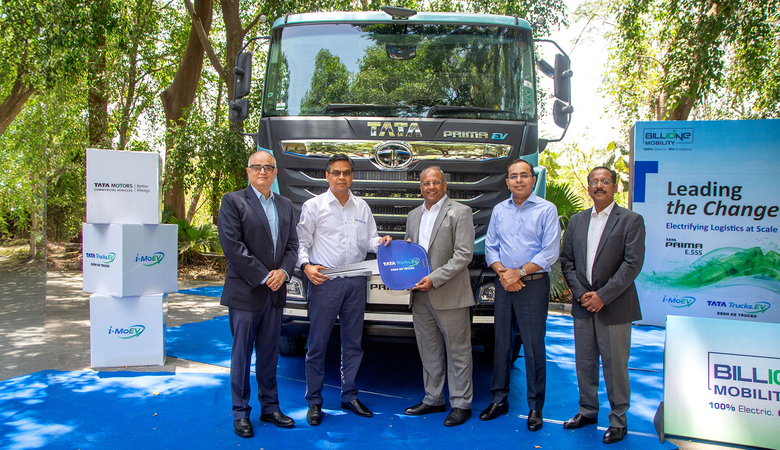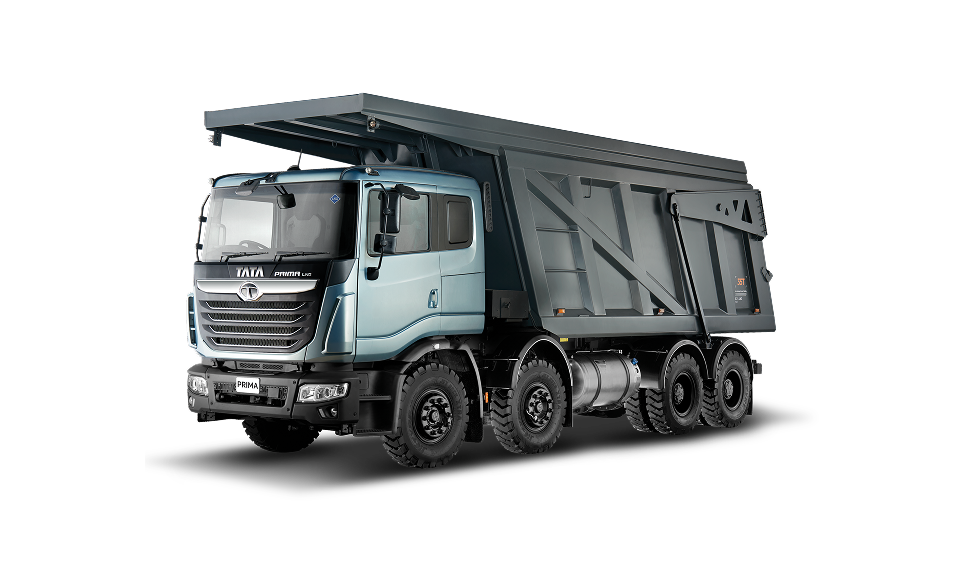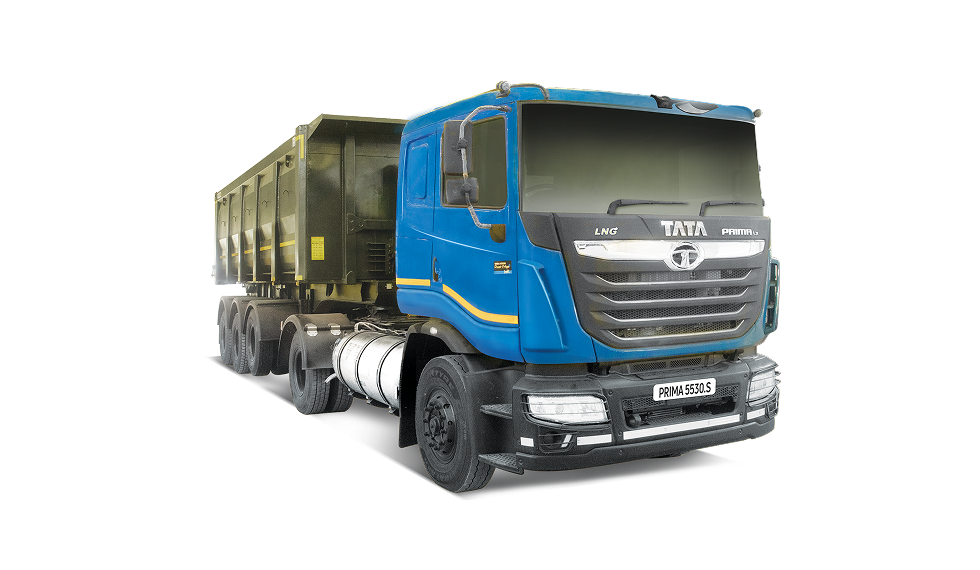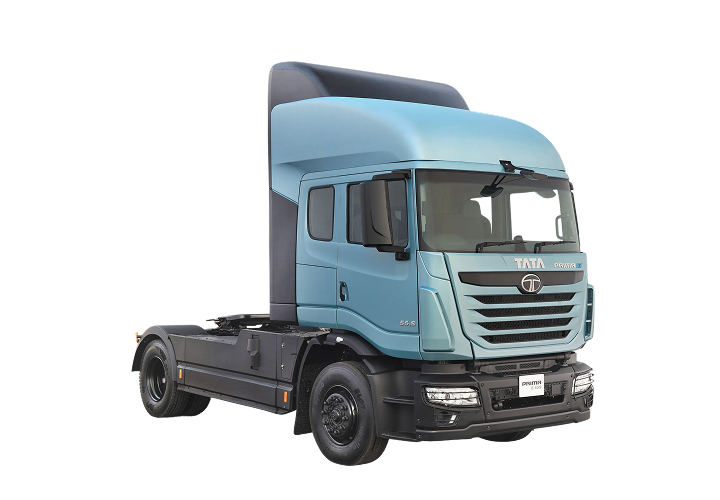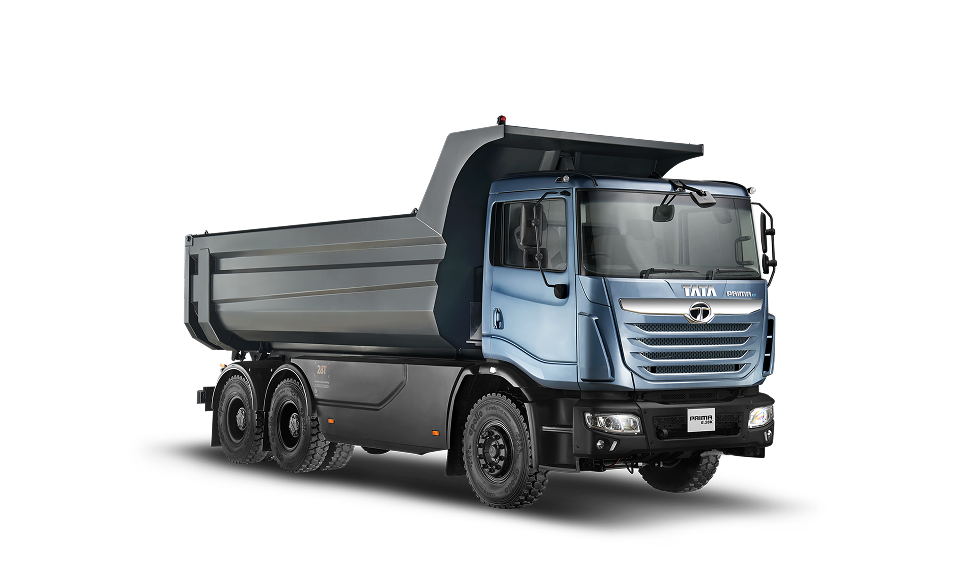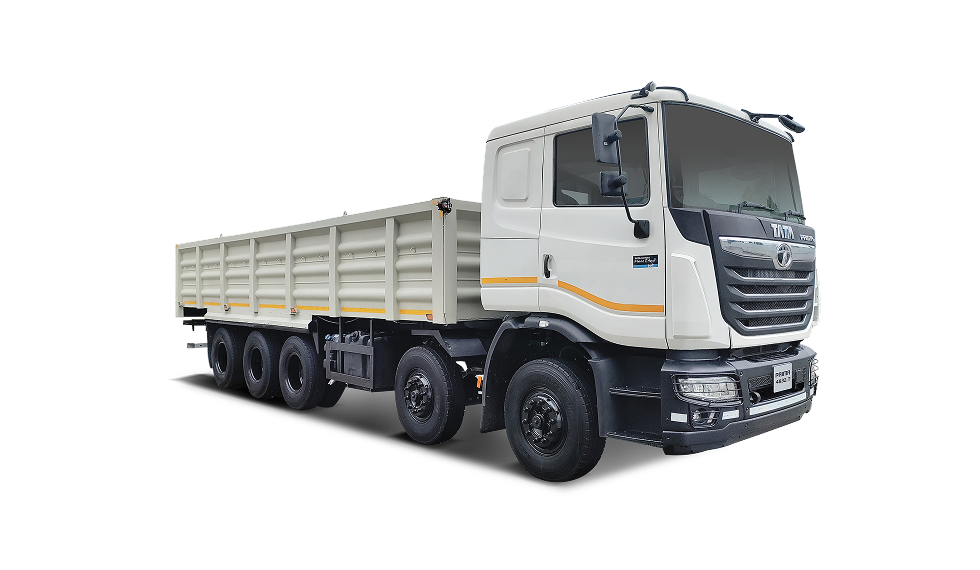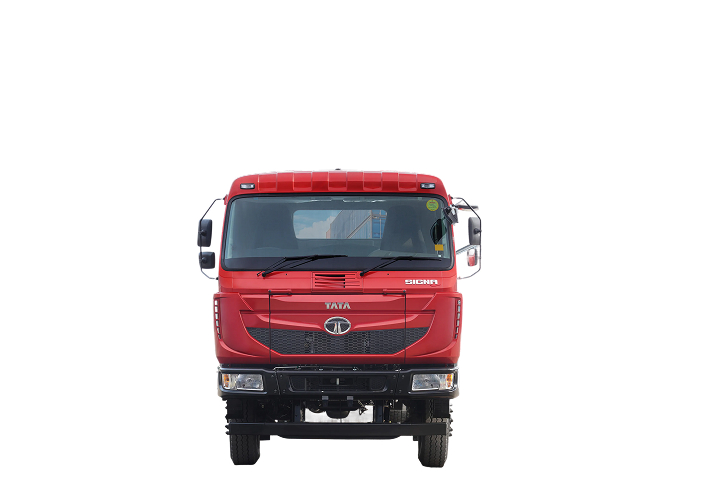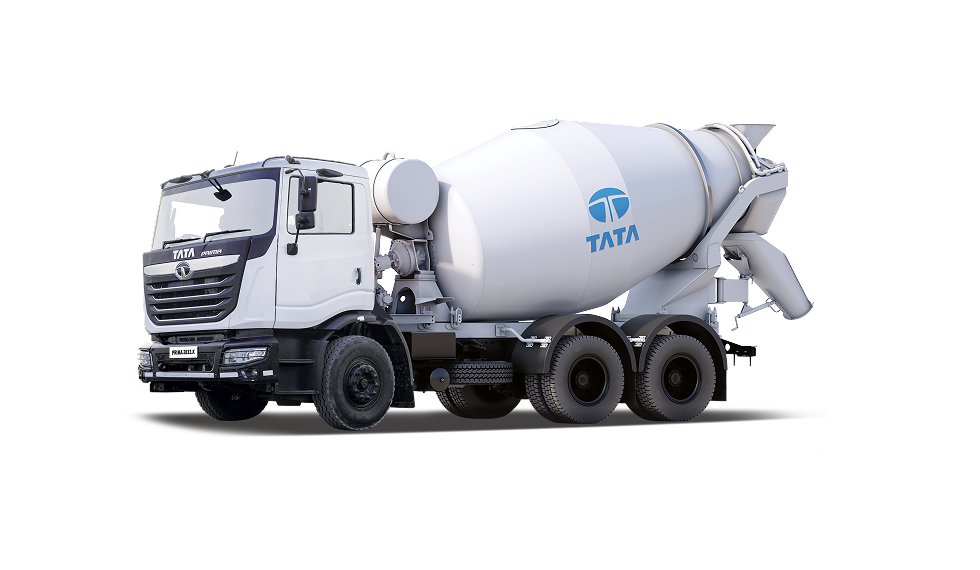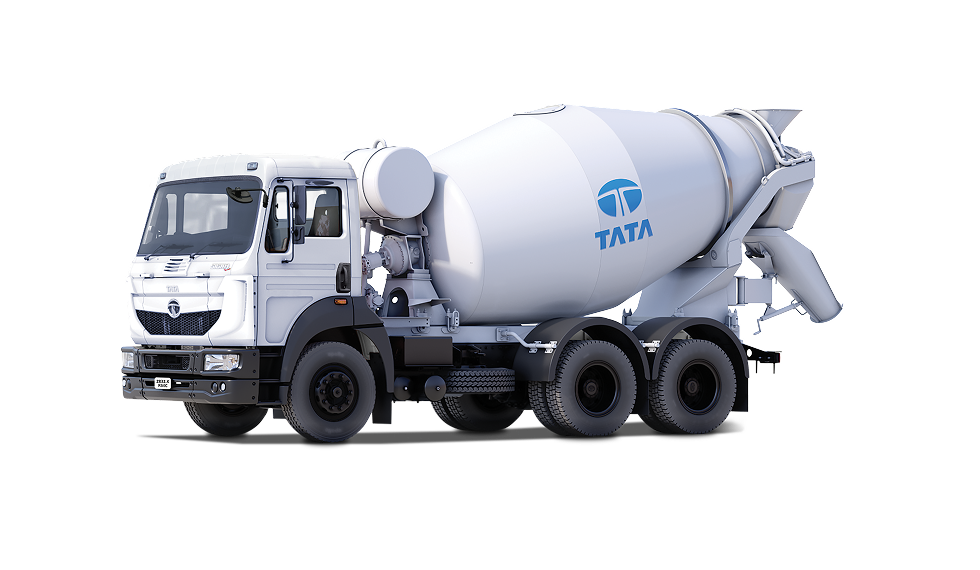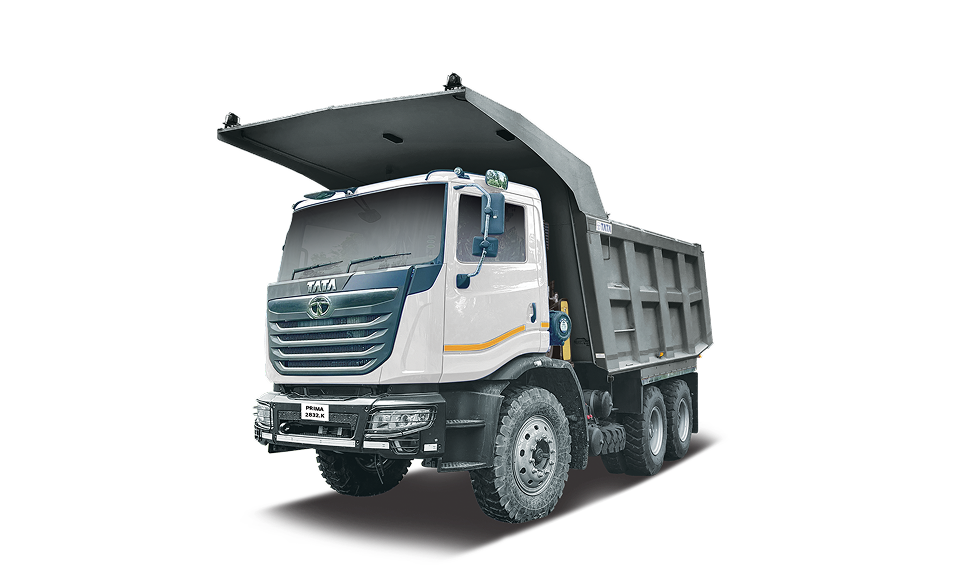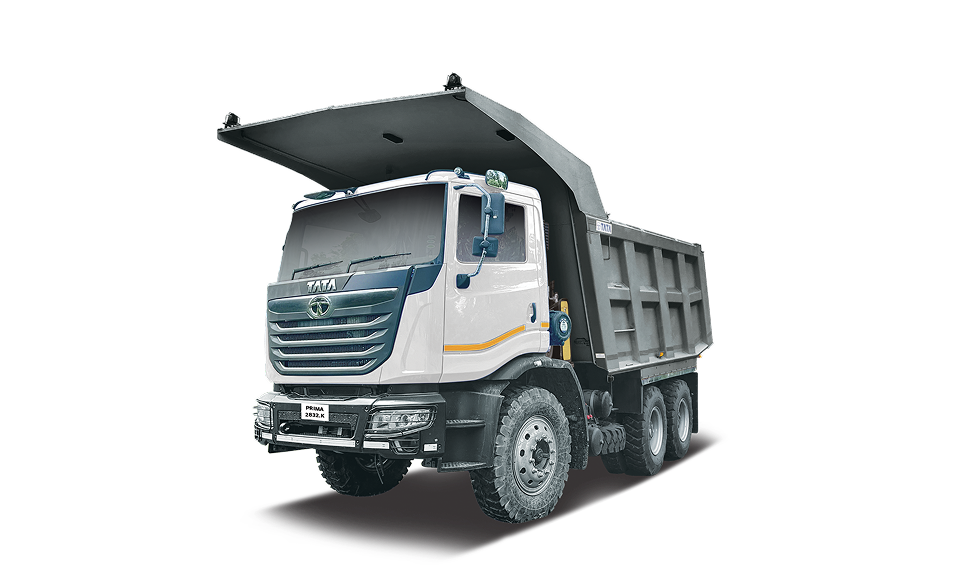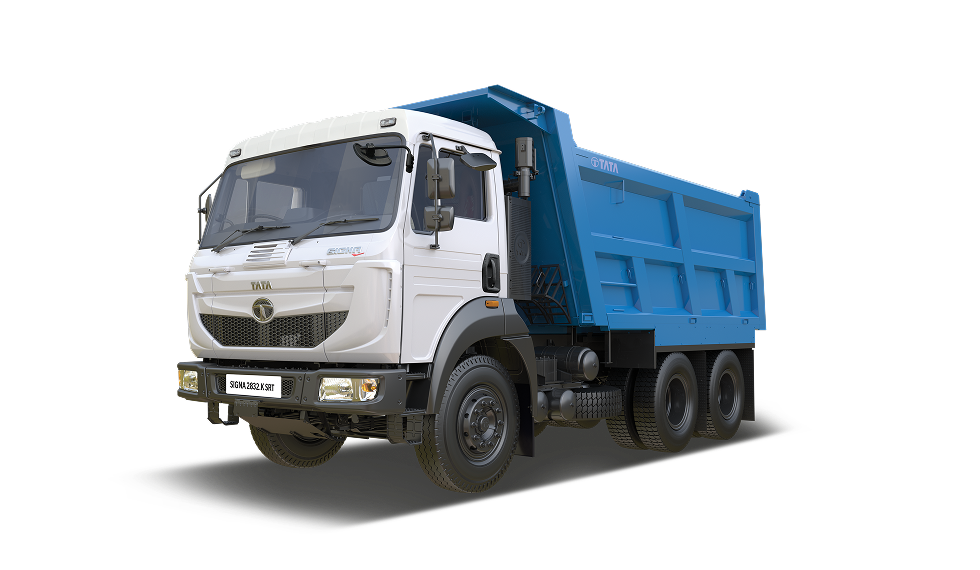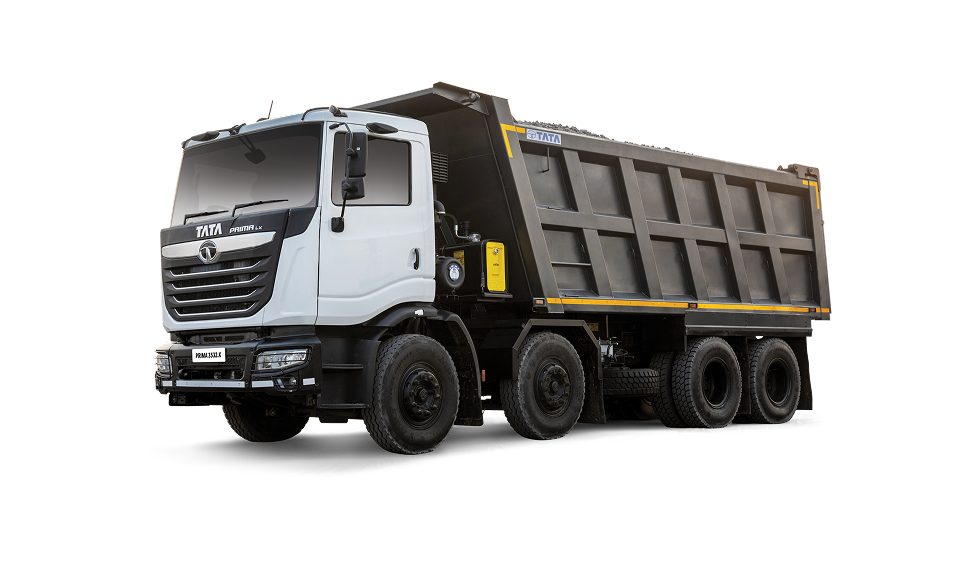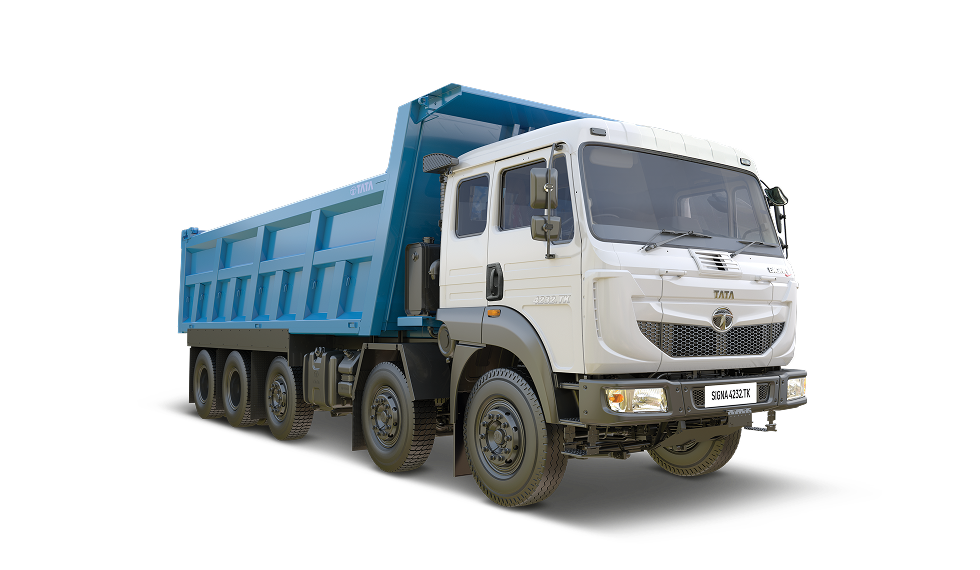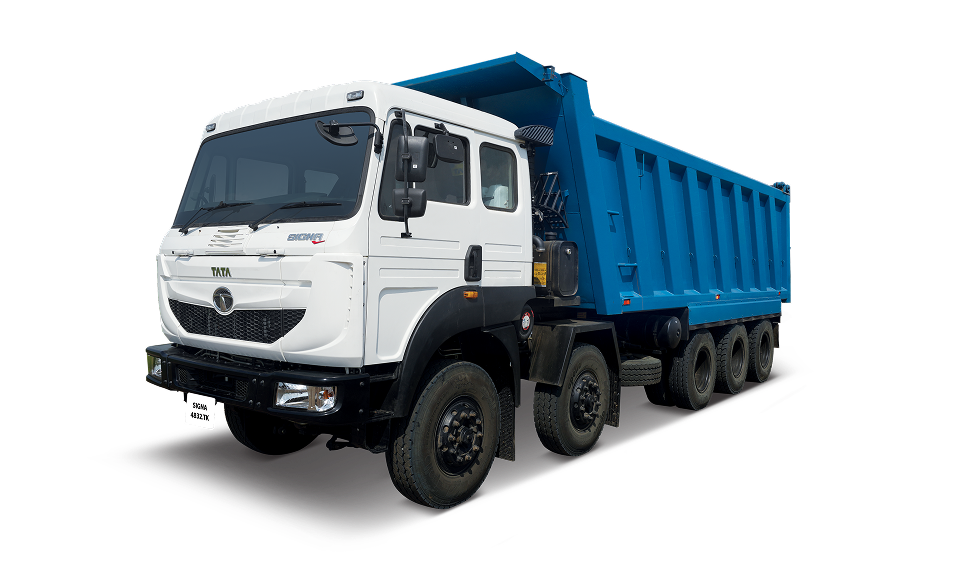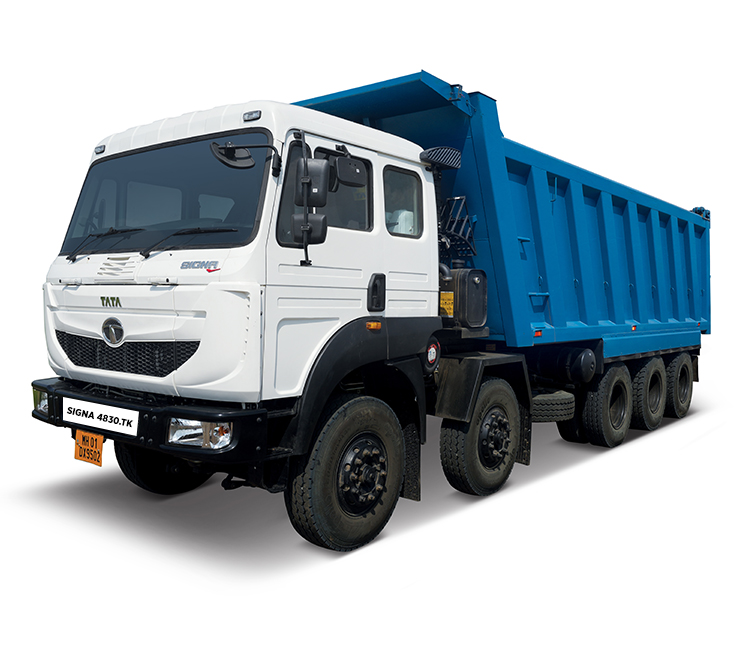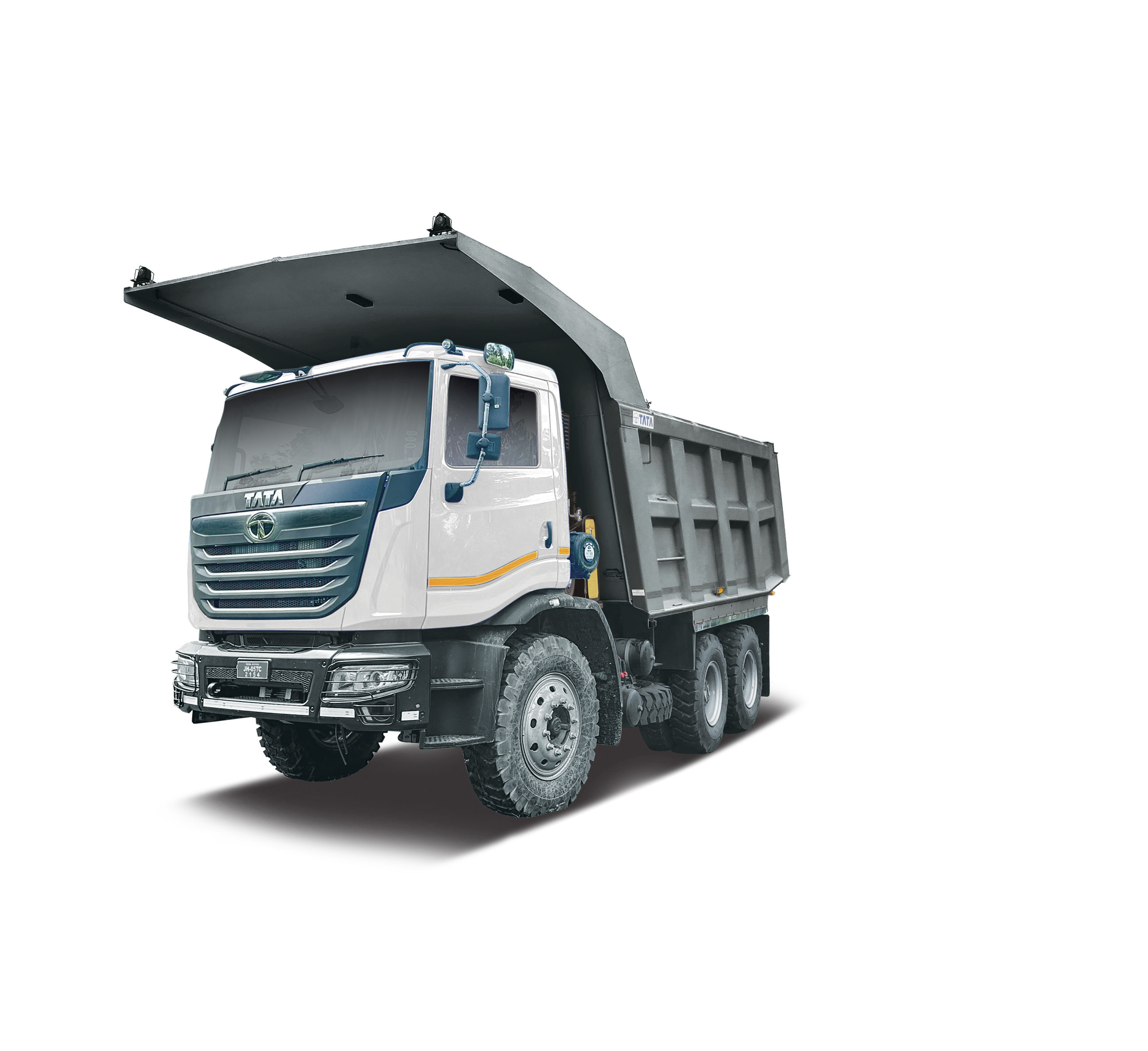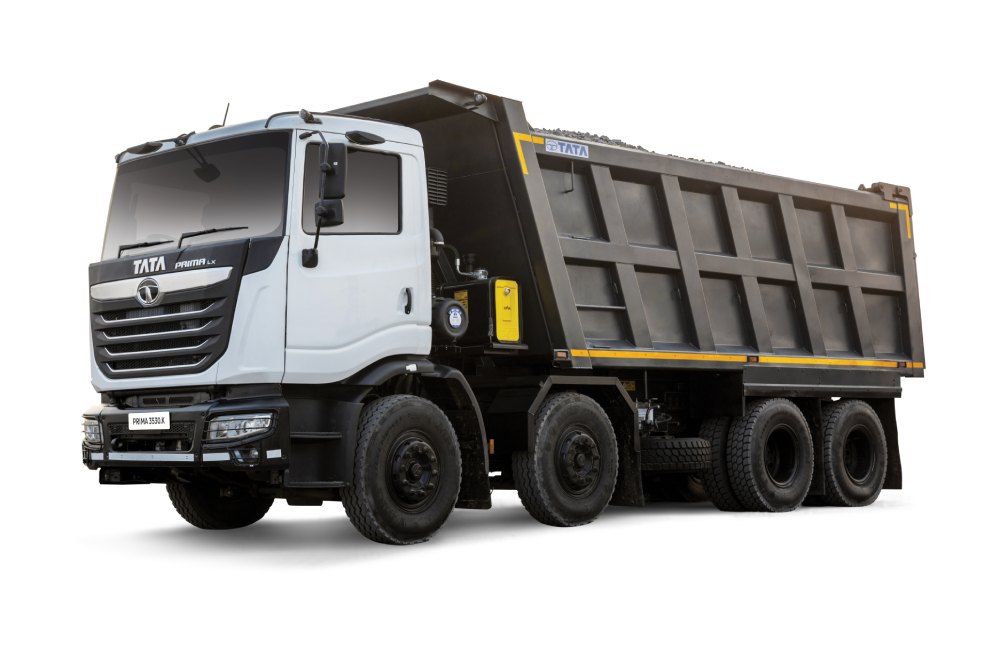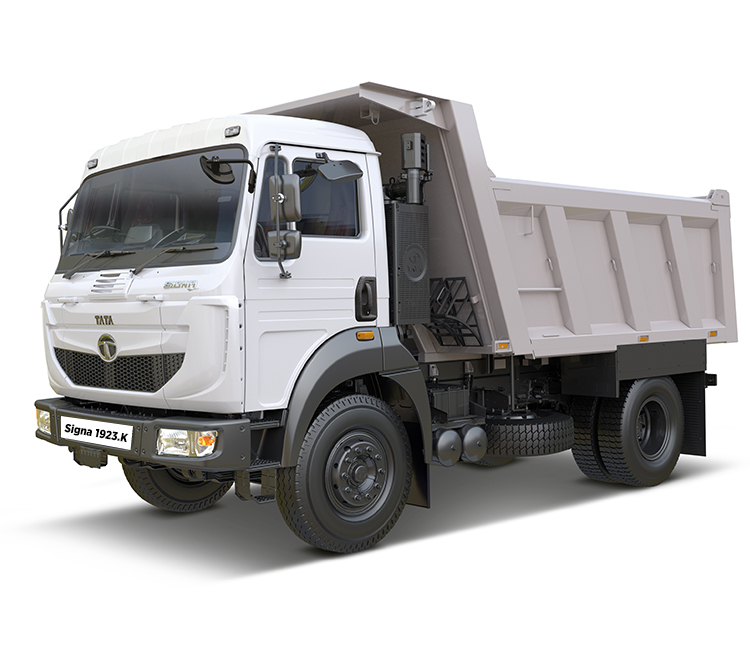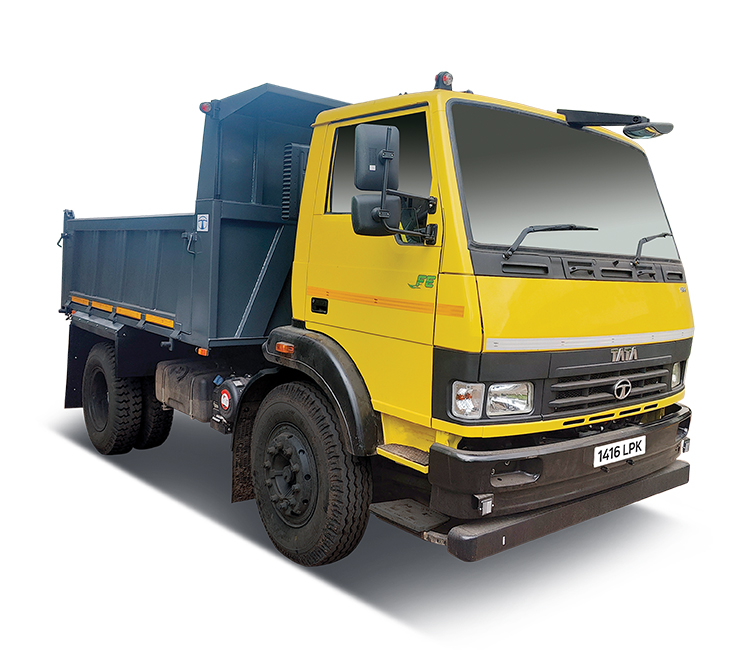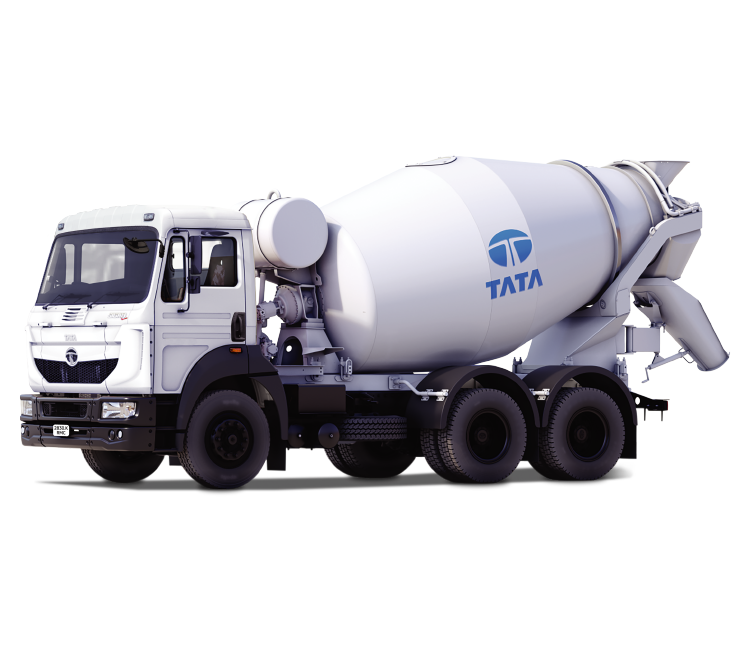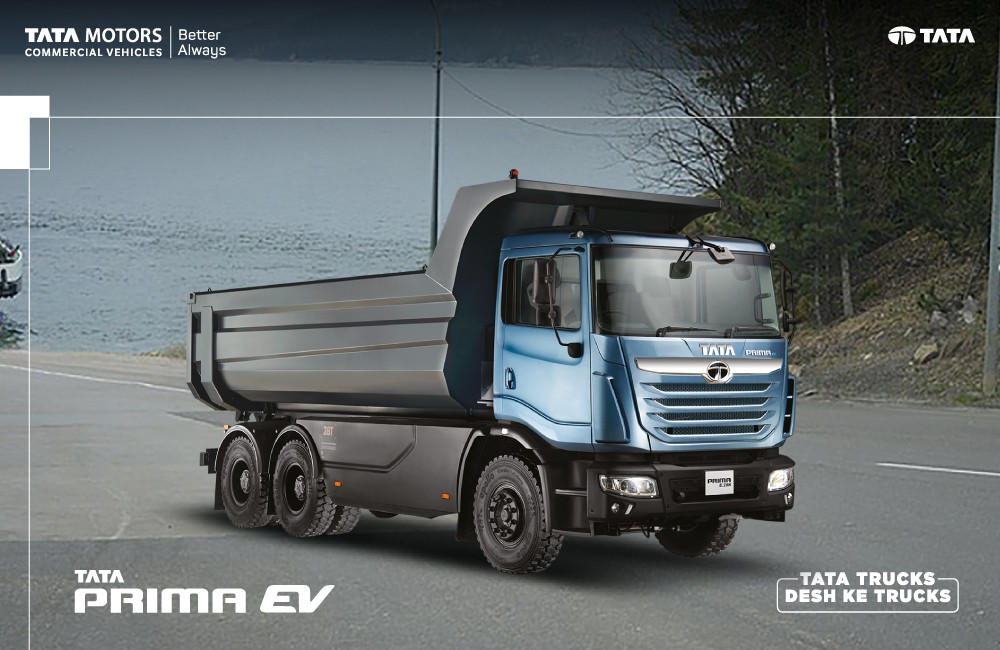
Electric medium and heavy commercial vehicles (MHCVs) have moved from concept to concrete reality in Tata Motors’ portfolio, and three questions dominate every fleet conversation: how far will they go, how much can they carry, and what does that do to operating economics. Tata’s new generation of electric MHCVs - led by the Prima E.28K tipper and Ultra E-series trucks - has been engineered to answer those questions in real Indian conditions.
Real-world range: built around duty cycles
Instead of quoting headline numbers alone, Tata Motors talks about operating range in the context of specific applications. The Prima E.28K, powered by a 453 kWh battery pack, typically delivers about 150–220 km per charge depending on duty cycle, terrain and load - a band that comfortably covers a full shift in mining, construction and infrastructure work. For many tipper routes, this means one charge can support multiple trips between site and dump yard before the truck needs to plug in.
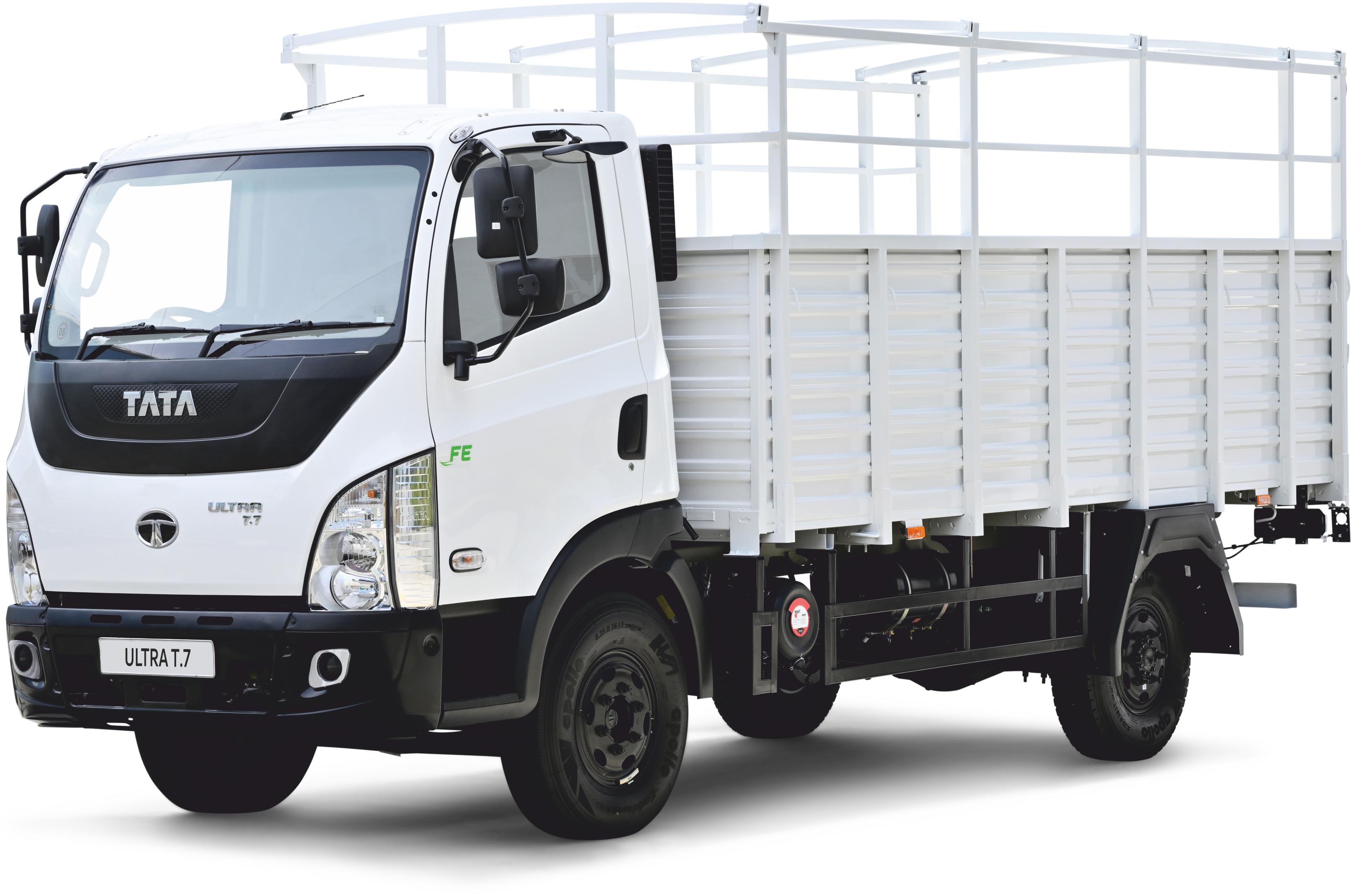
In the cargo-focused MHCV space, the Ultra E.7 and Ultra E.12 offer practical operating ranges of up to roughly 180 km, with different battery options to match city, regional and hub‑and‑spoke operations. These trucks are optimised for common Indian routes such as urban distribution, short intercity hauls and port‑to‑warehouse shuttles, where predictable turnarounds and planned charging windows can be built into the schedule.
Fast charging capability through CCS2 chargers further reduces downtime. On the Prima E.28K, dual CCS2 ports allow quick replenishment of the 453 kWh pack in suitable infrastructure setups, so fleets can top up during meal breaks or shift changes rather than parking trucks for extended periods.
Payload and performance: no compromise on the “CV” in EV
Range means little if a truck cannot haul. That’s why Tata’s electric MHCVs are designed to retain the core strengths of their diesel counterparts: gross vehicle weight, usable payload and drivability under full load. The Prima E.28K comes with 28,000 kg GVW and a high‑torque 6‑phase permanent‑magnet motor delivering around 245 kW of power and up to 2950–2960 Nm of torque. This allows the tipper to pull full loads in off‑road conditions, with gradeability quoted between 32% and over 40% depending on configuration - enough for steep mine ramps and hilly construction sites.
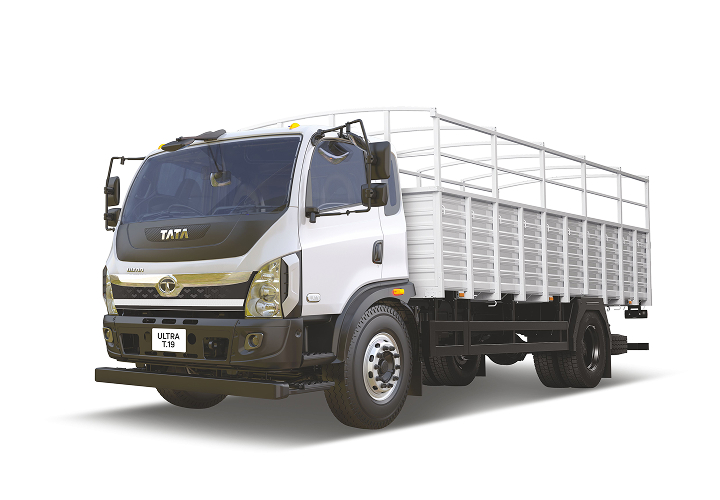
Heavy‑duty chassis design, mining tyres and bogie rear suspension help the Prima E.28K maintain stability and load balance when running at or near GVW over rough terrain. In the Ultra E-series, GVWs span the 7–12 tonne segment, with power outputs designed to keep up with dense urban traffic and highway cruising while carrying typical mid‑haul and regional loads.
Importantly, the characteristic instant torque of electric motors means these trucks can move off the line quickly, even when fully loaded, improving driveability in stop‑go city traffic and on inclines. An auto‑shift e‑gearbox on the Prima E.28K further smoothens acceleration and reduces driver fatigue over long shifts.
Efficiency: rupee-per-kilometre reimagined
Where Tata’s electric MHCVs truly shift the equation is in energy efficiency and running cost. With zero diesel consumption and far fewer moving parts, electric drivelines reduce both fuel and maintenance expenses over the life of the vehicle. Energy consumption per kilometre is managed by a combination of high‑capacity batteries, optimised control software and regenerative braking that recovers energy every time the truck slows down.
For fleet operators, this translates into a different way of thinking about efficiency: aligning route length, load, charging infrastructure and shift patterns so that the truck’s usable range is fully utilised each day. Tata’s connected solutions and telematics support this by providing real‑time data on state of charge, remaining range, driving behaviour and route performance, helping transporters fine‑tune operations to squeeze more work out of every kilowatt-hour.
Taken together, Tata’s electric MHCVs show that fleets can expect workable, application‑specific ranges, payloads that stay true to the MHCV badge and a step‑change in energy efficiency once routes are planned with EVs in mind. Instead of trading off capability for sustainability, operators get heavy trucks designed to do real work - just with cleaner, quieter and more cost‑predictable power under the cab.