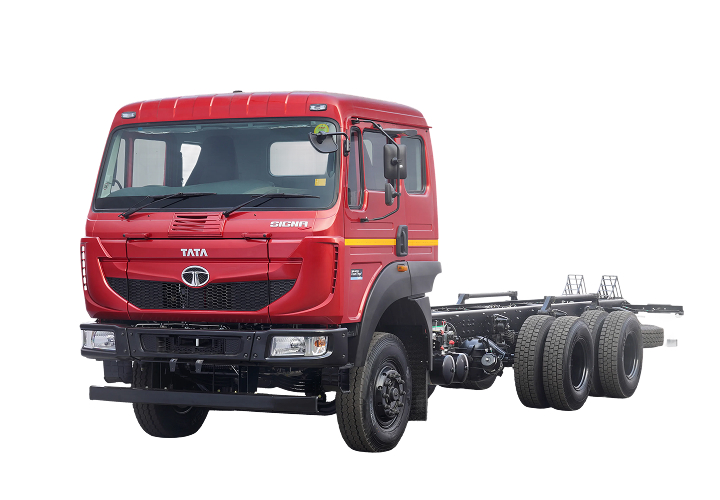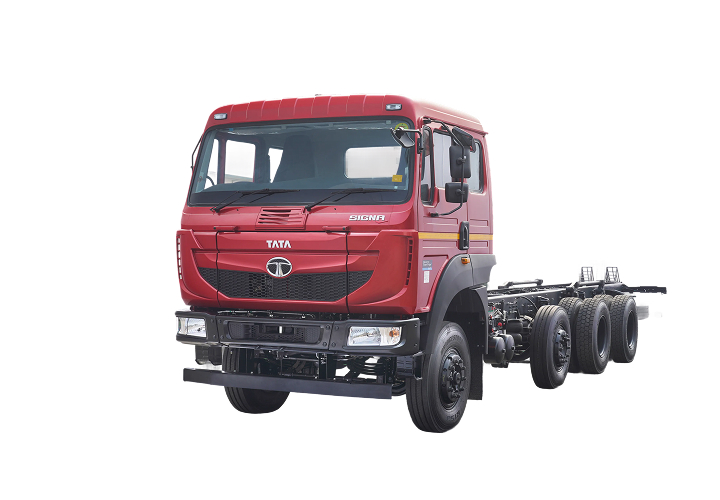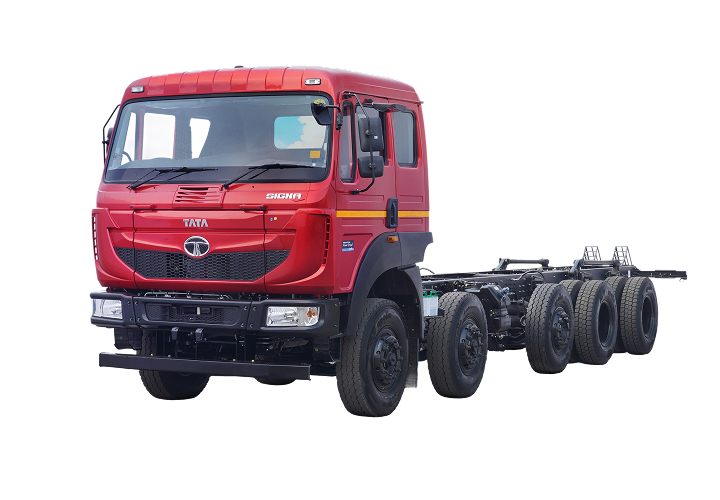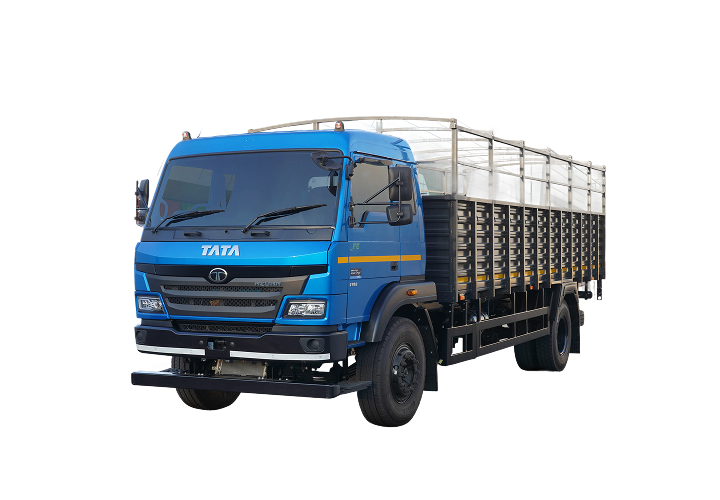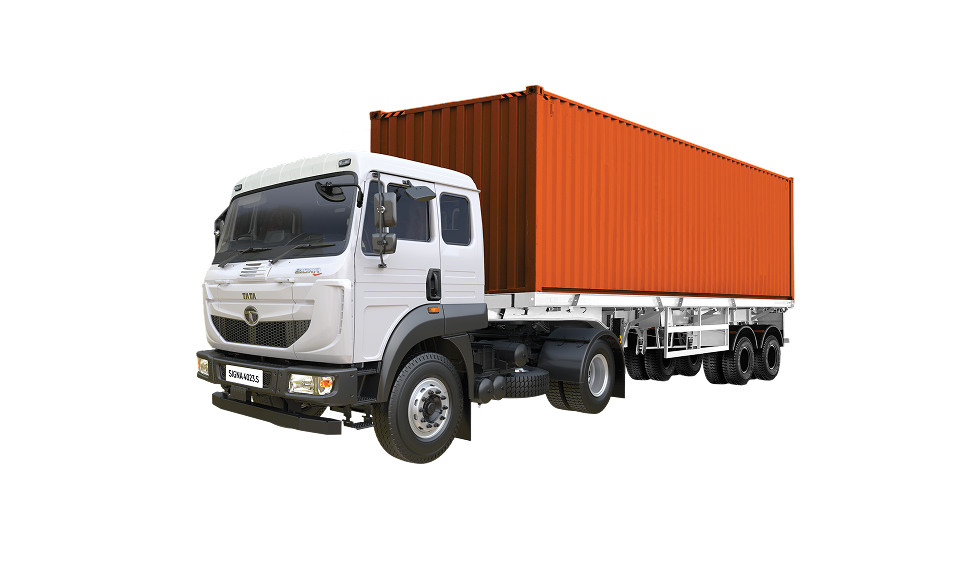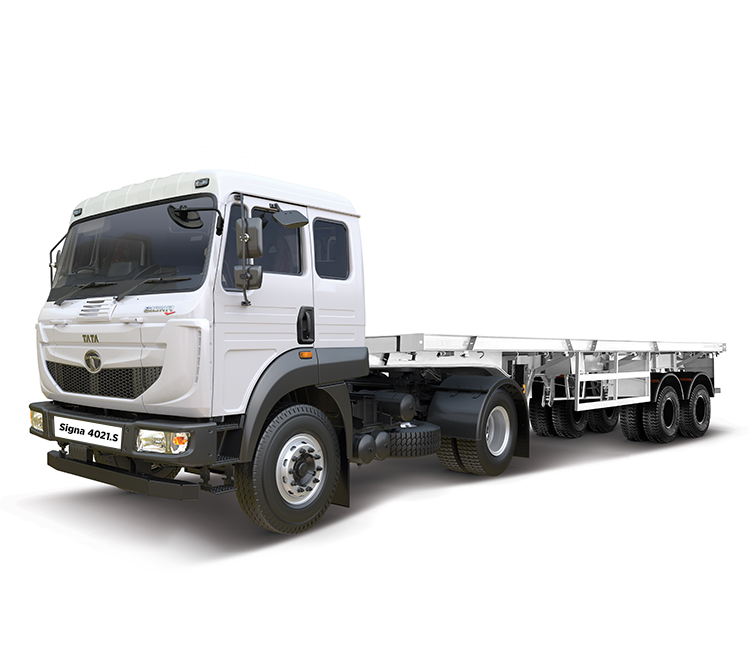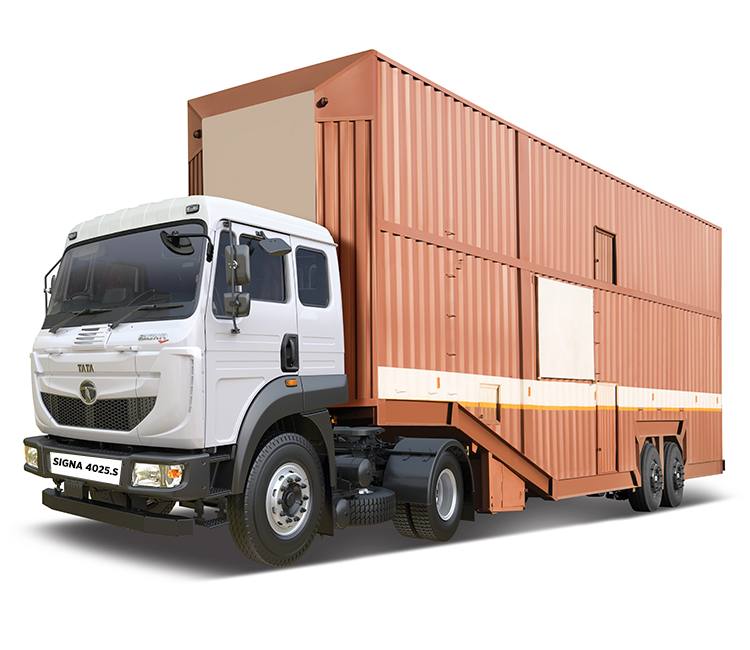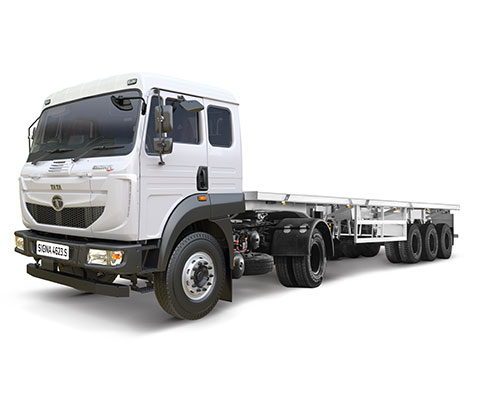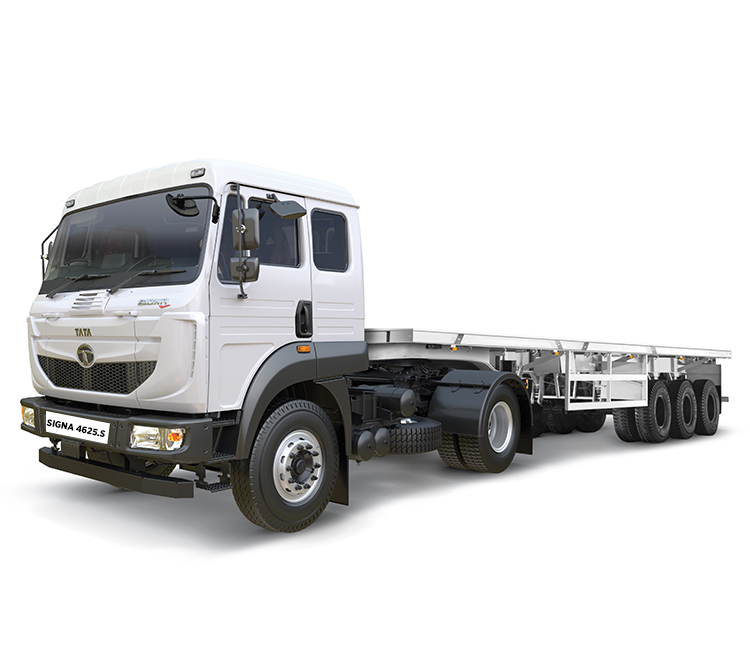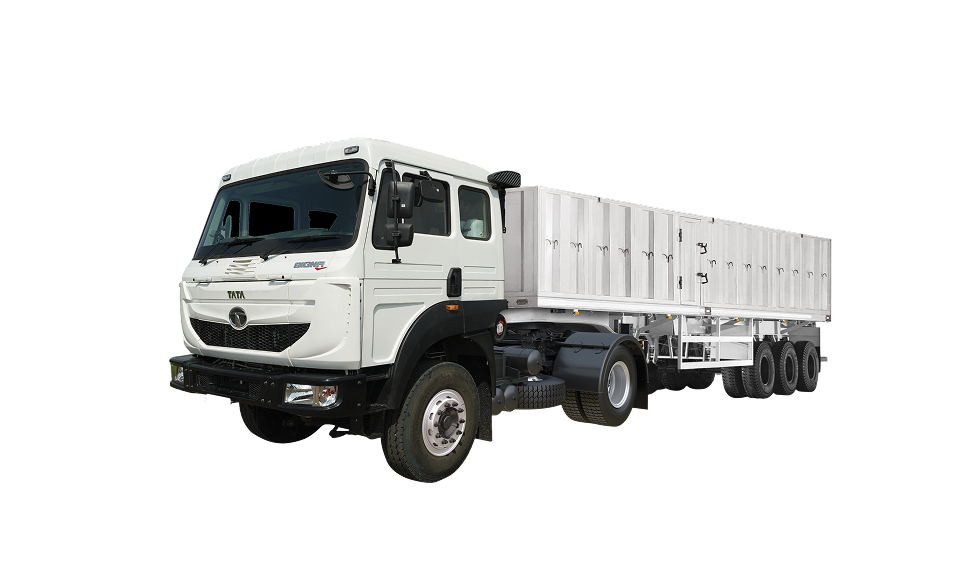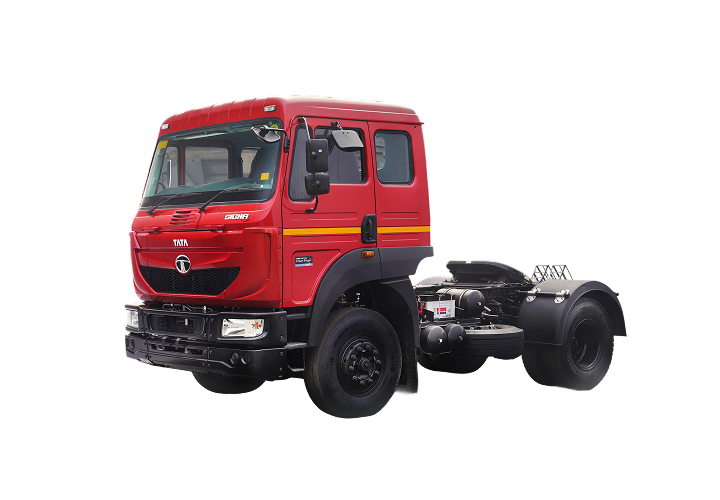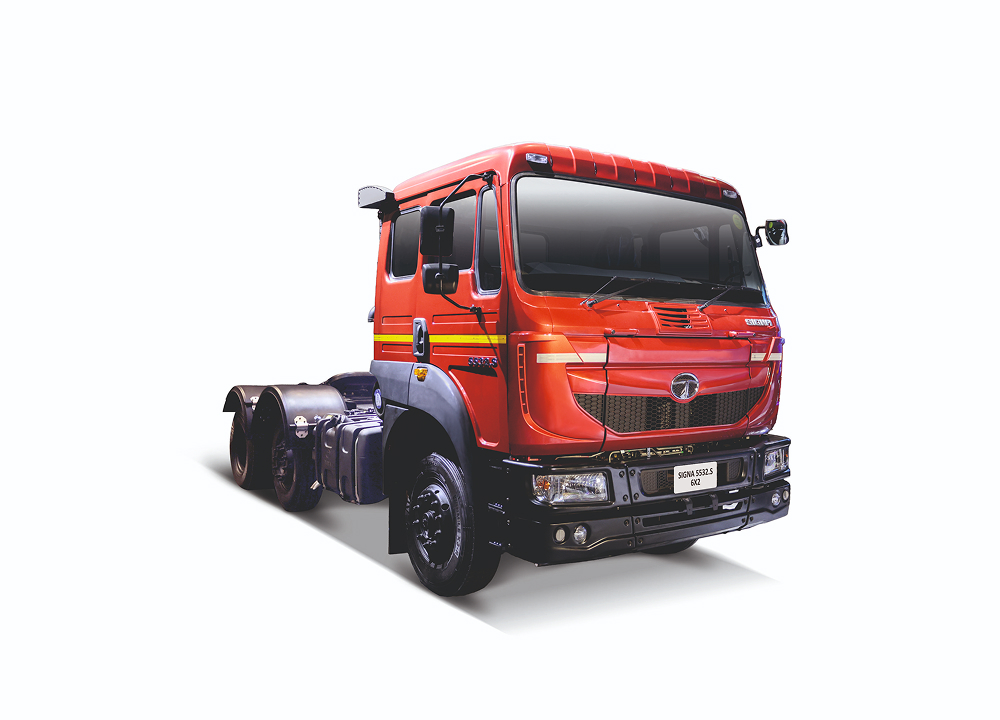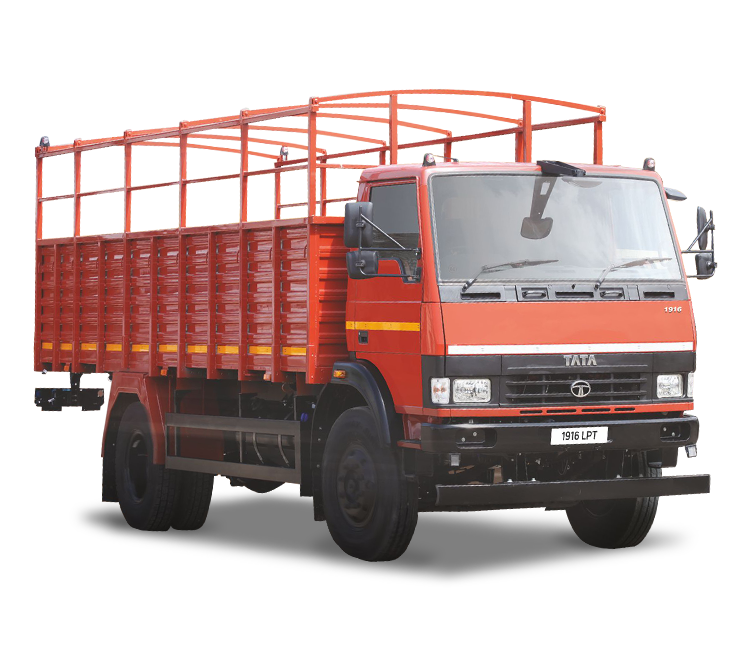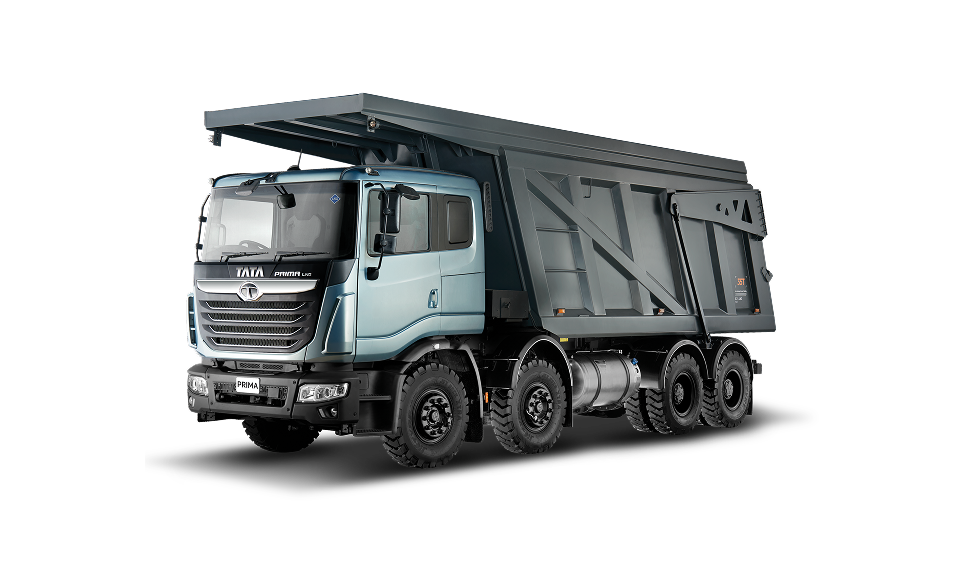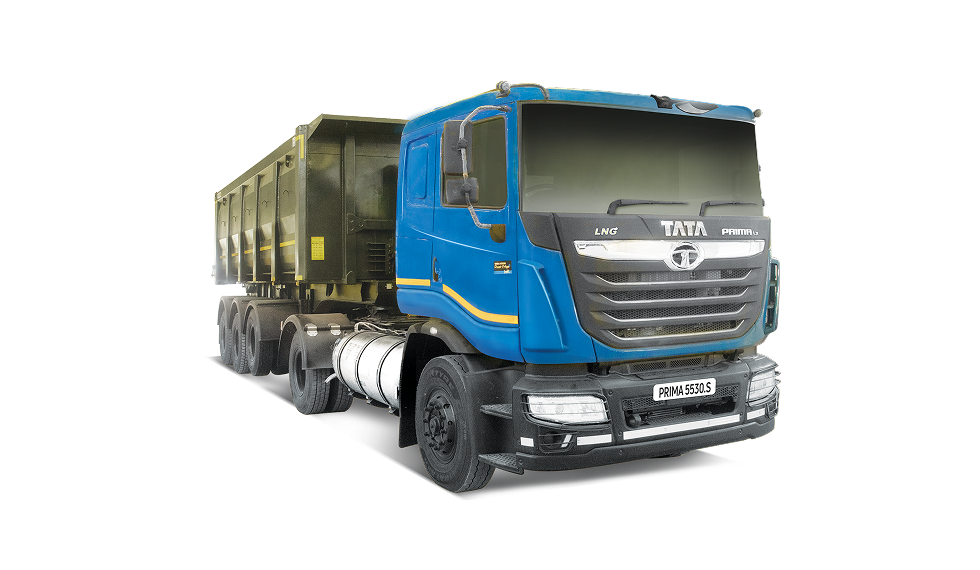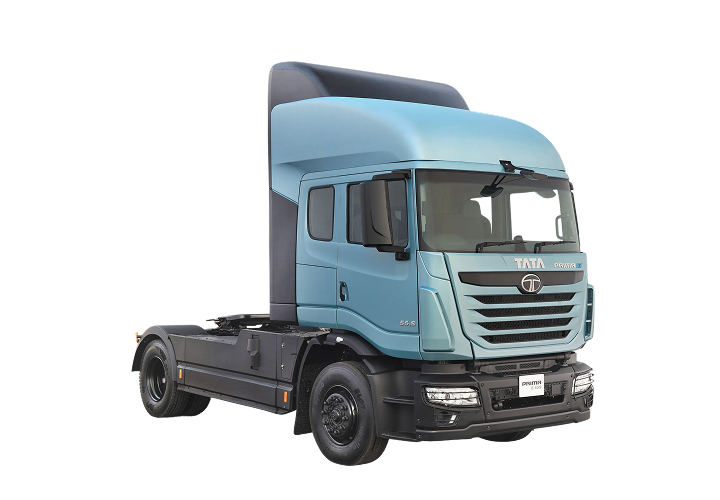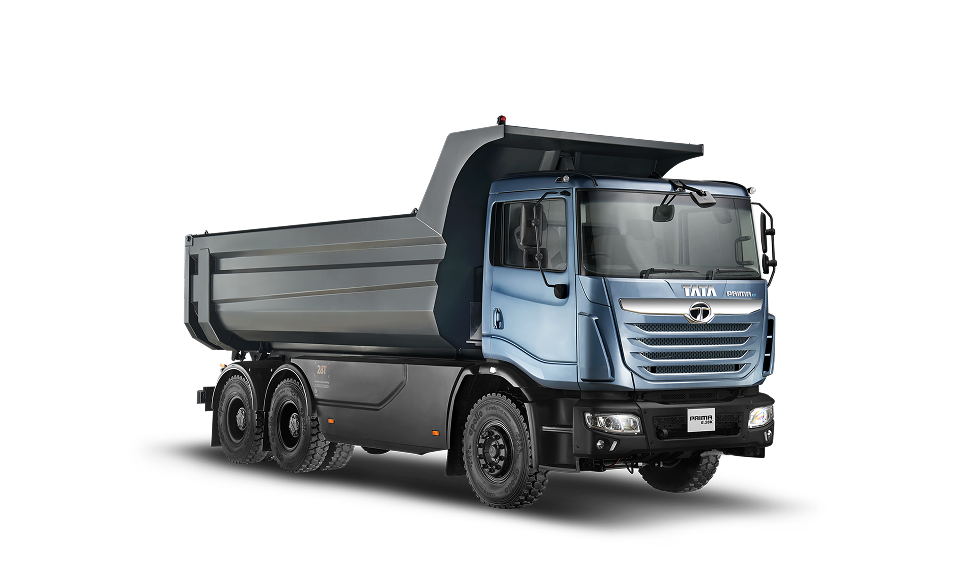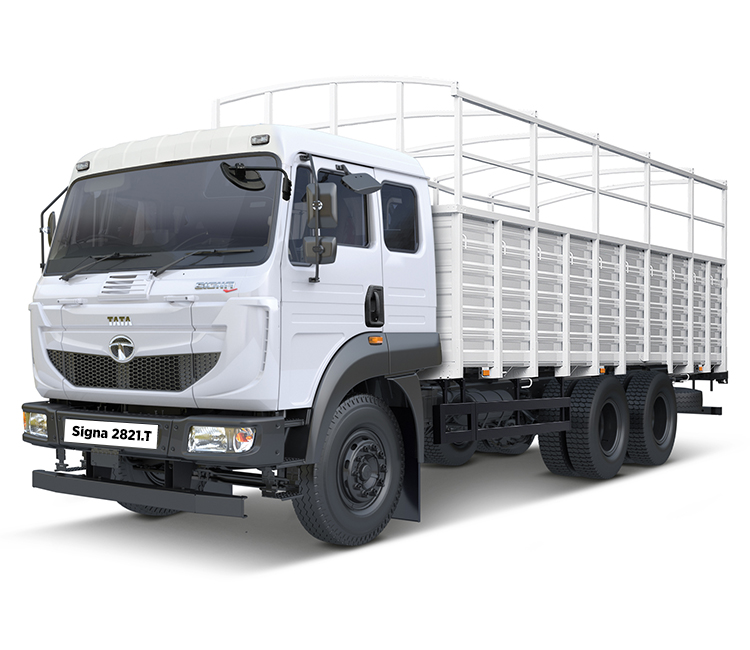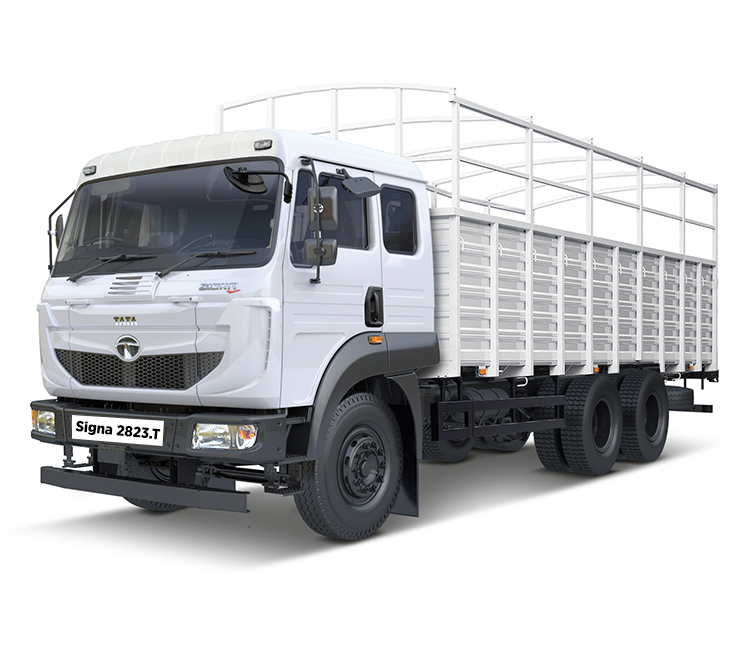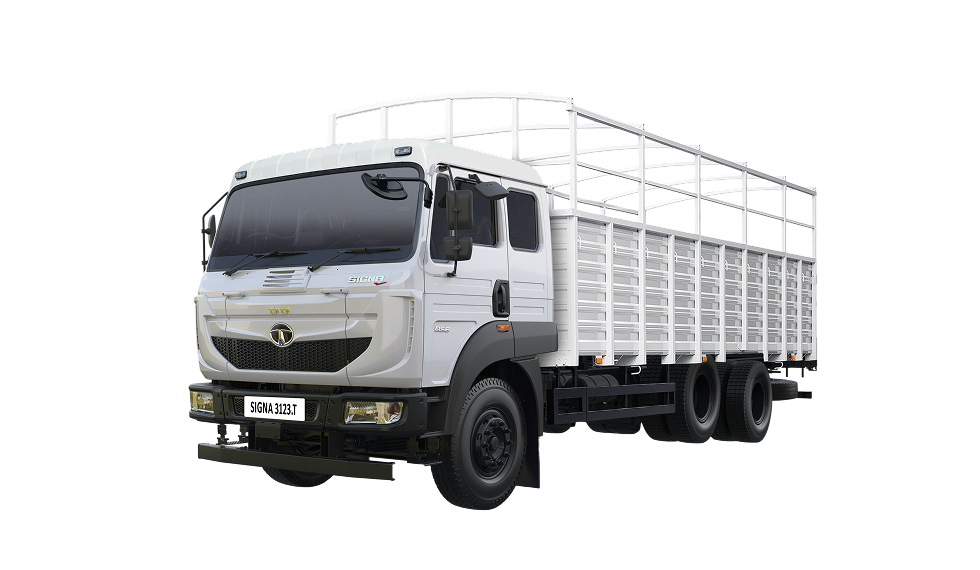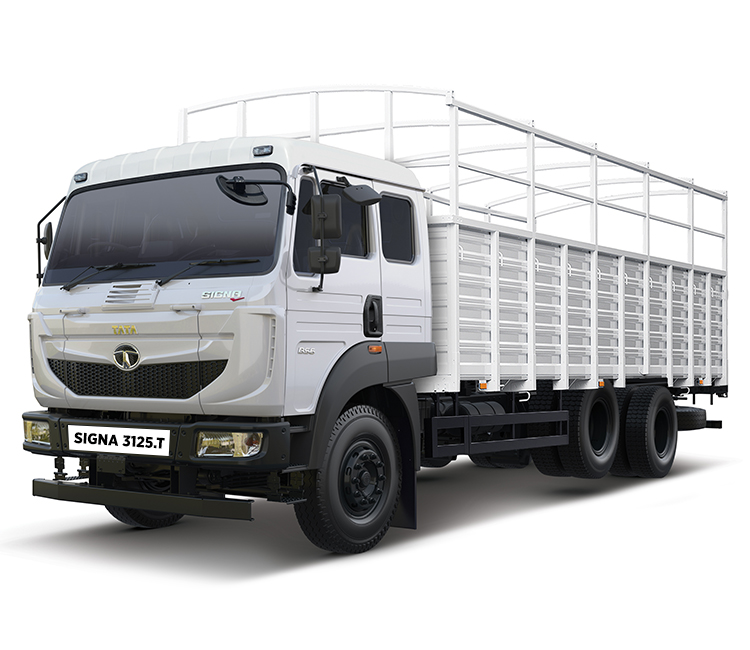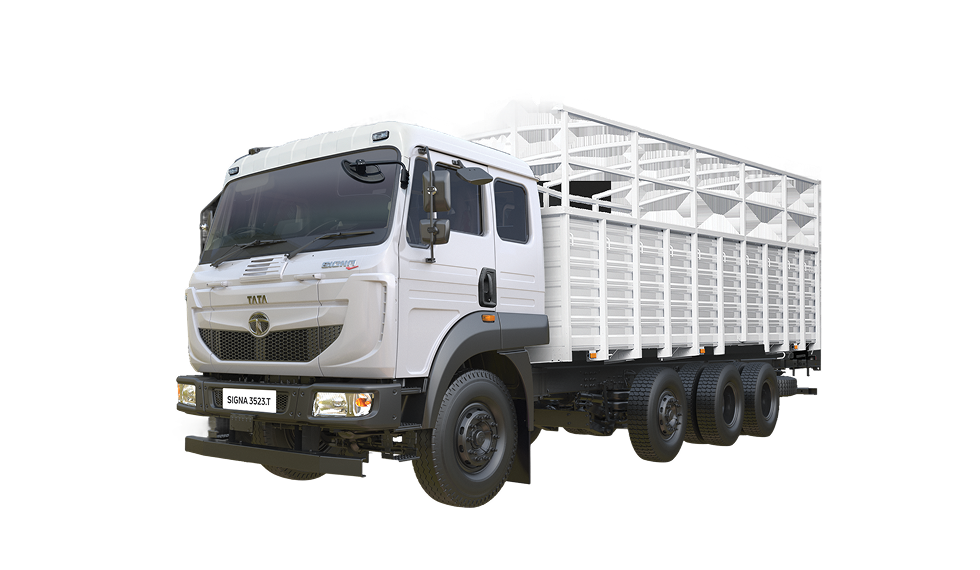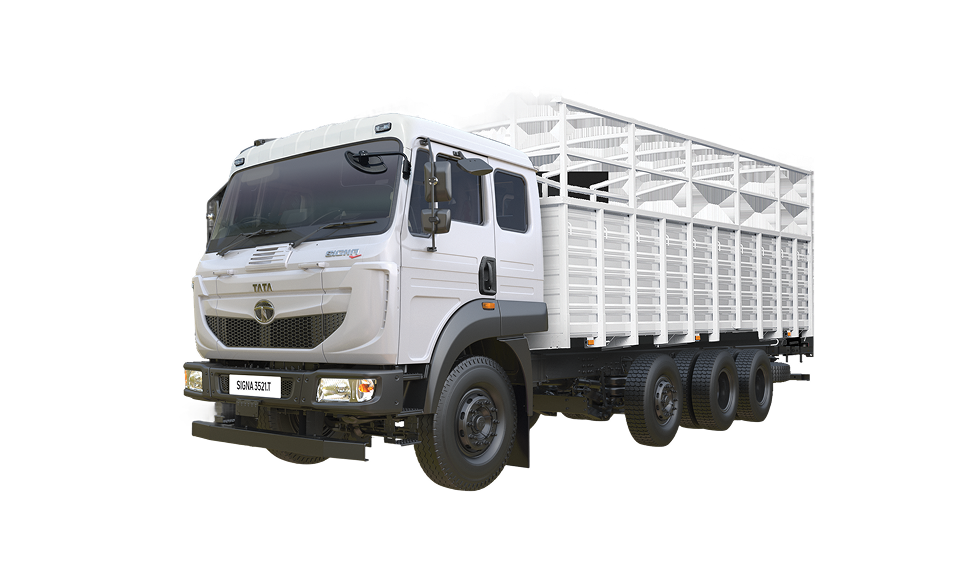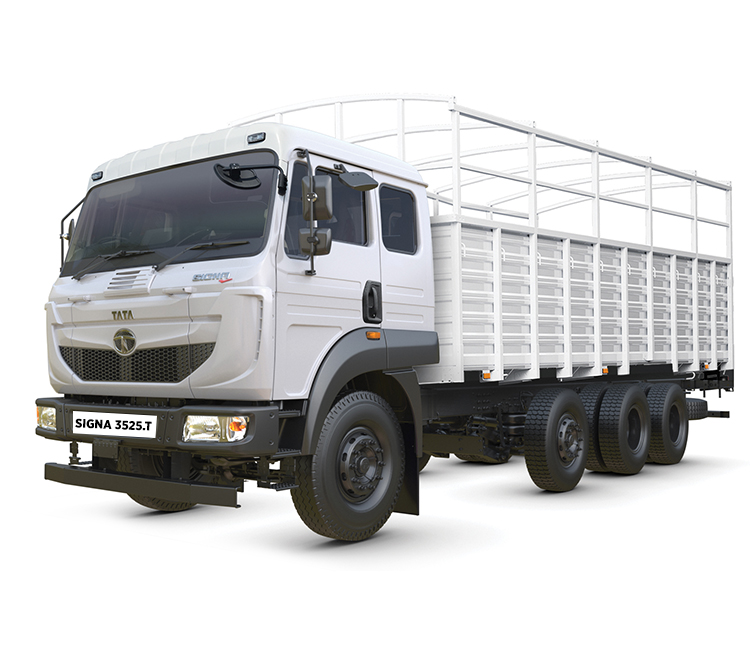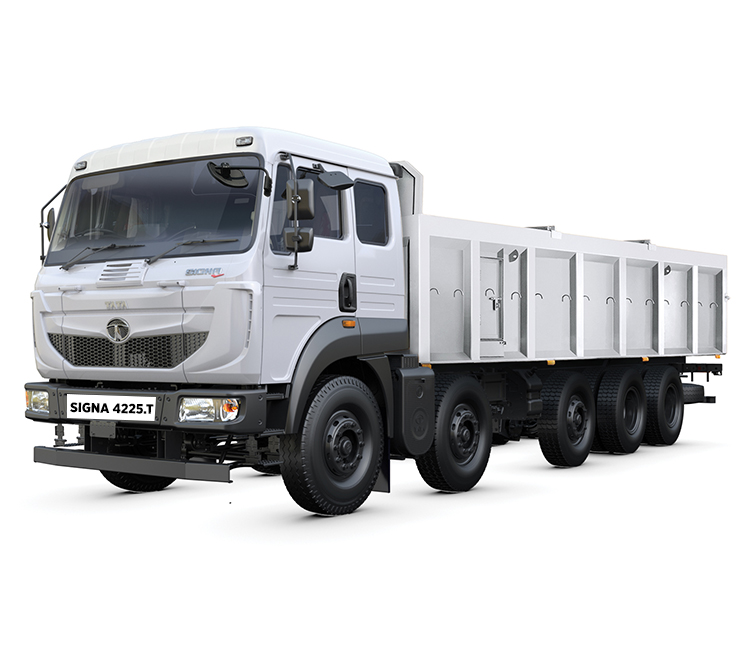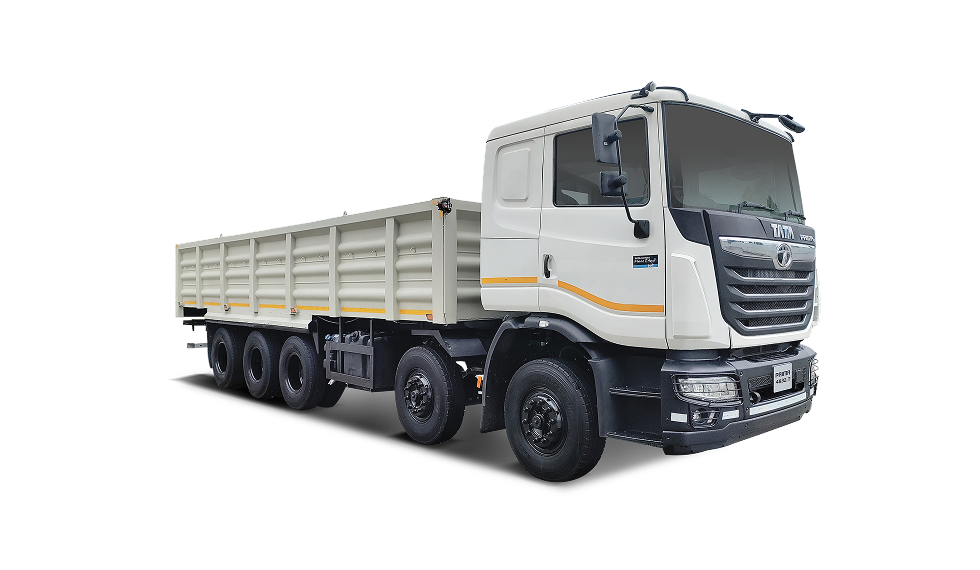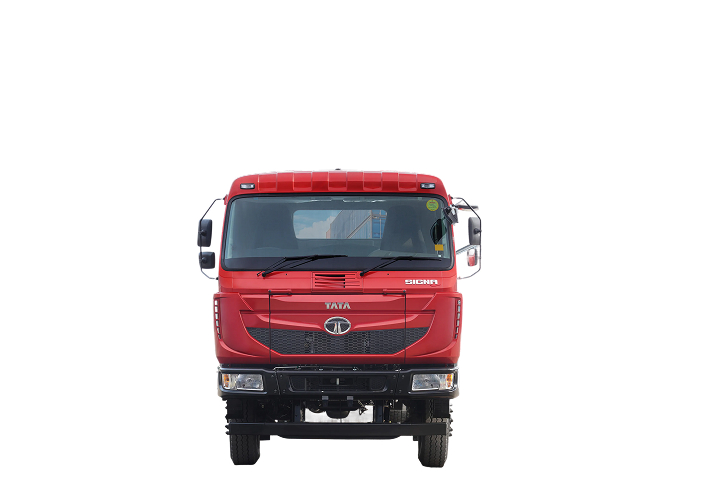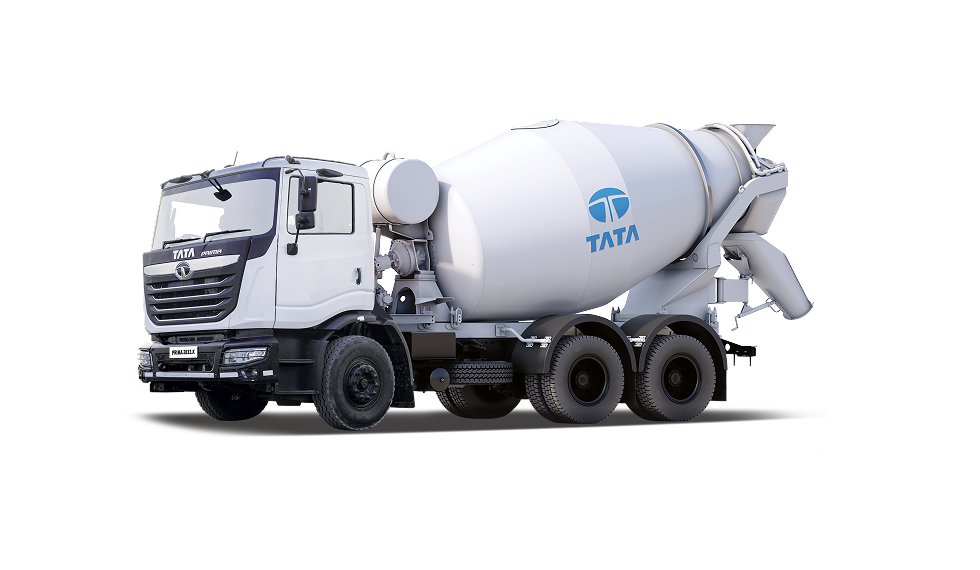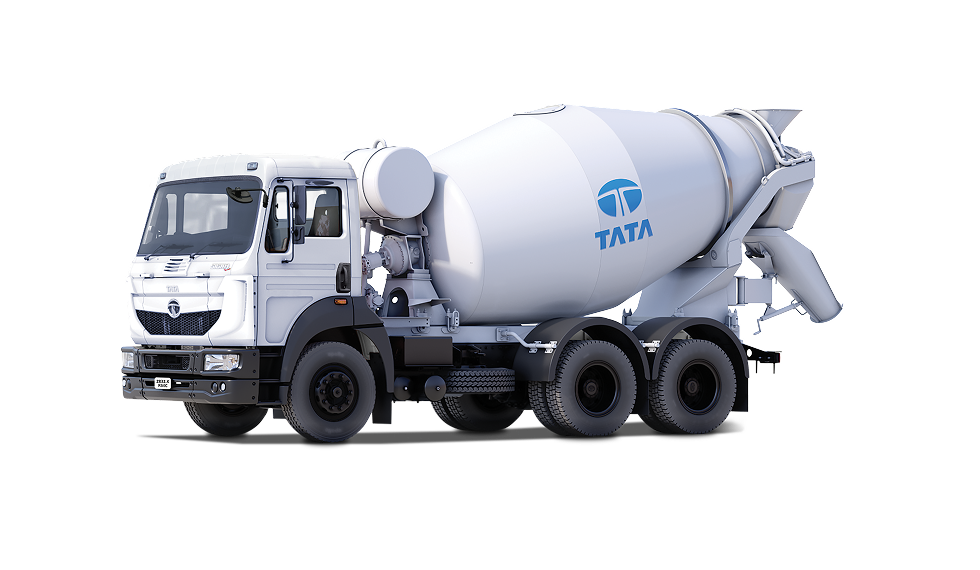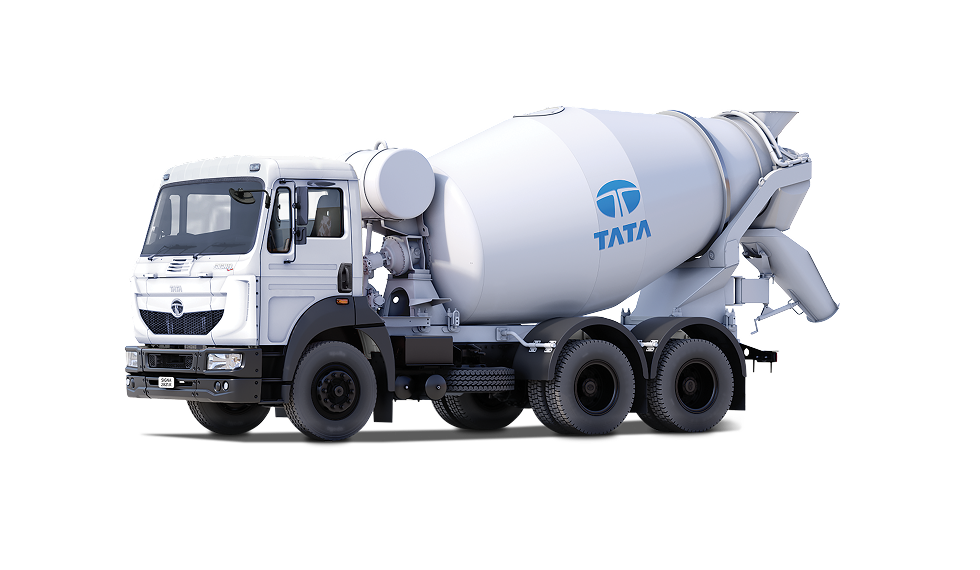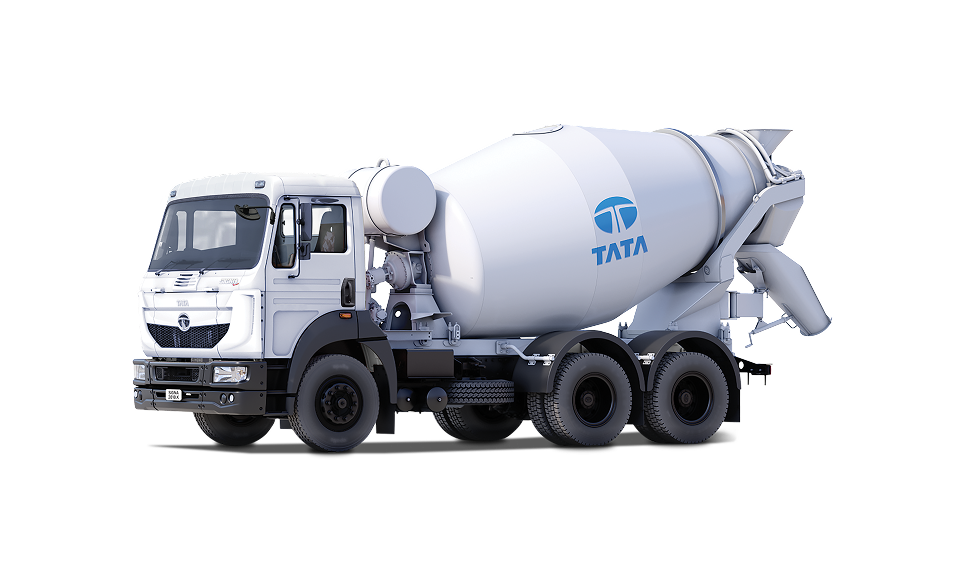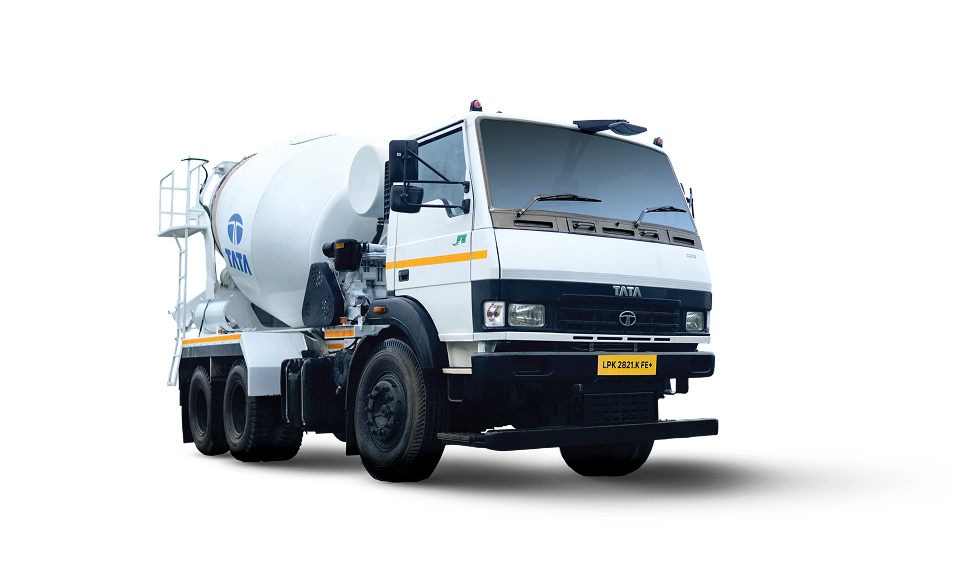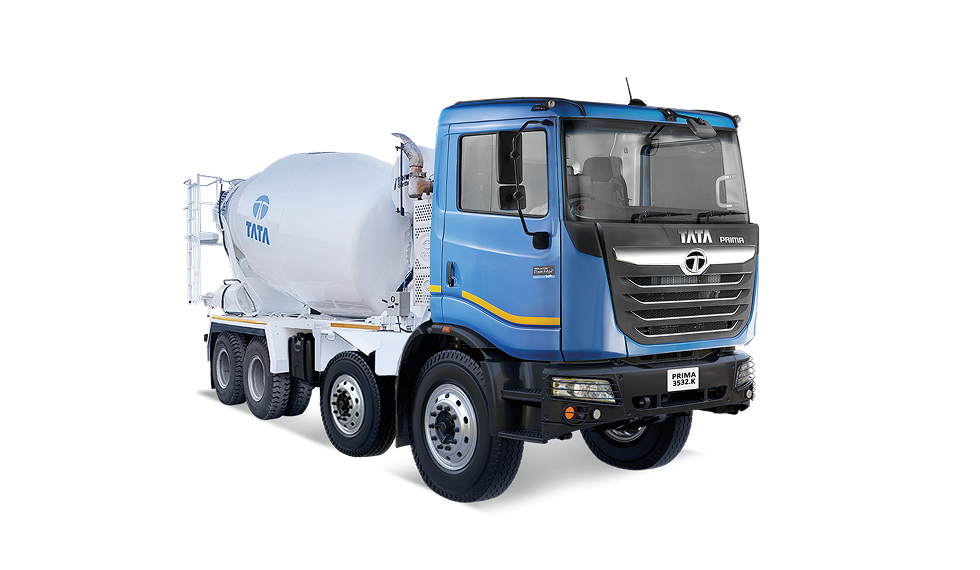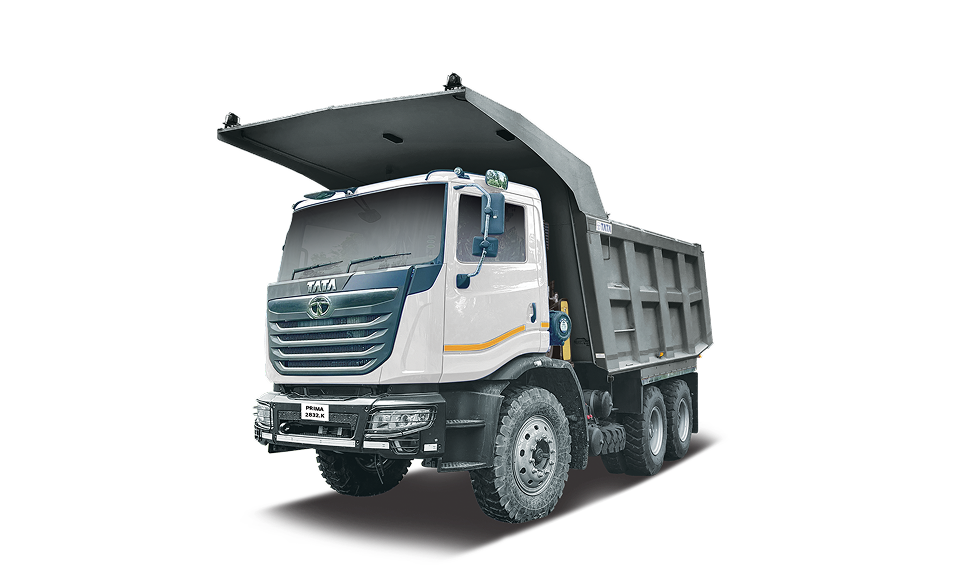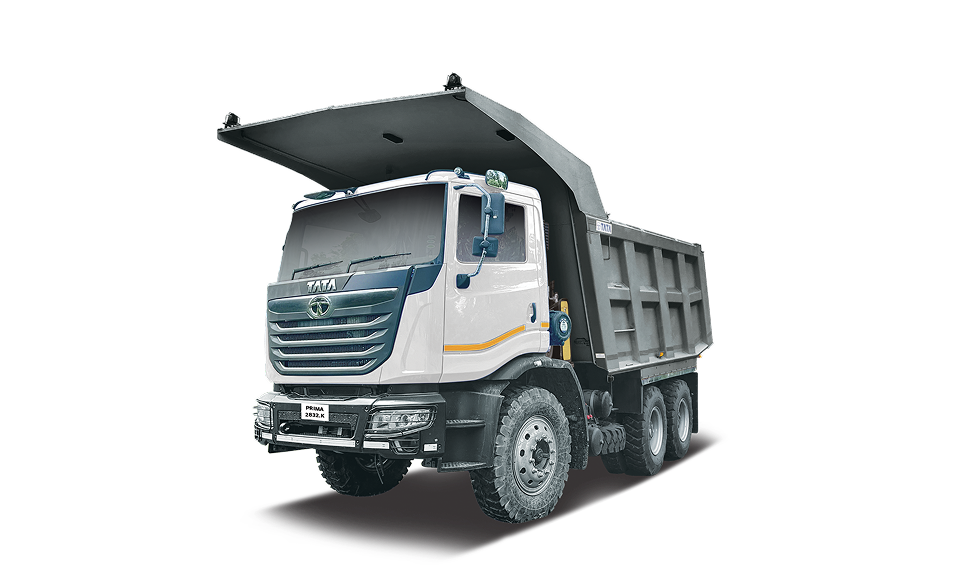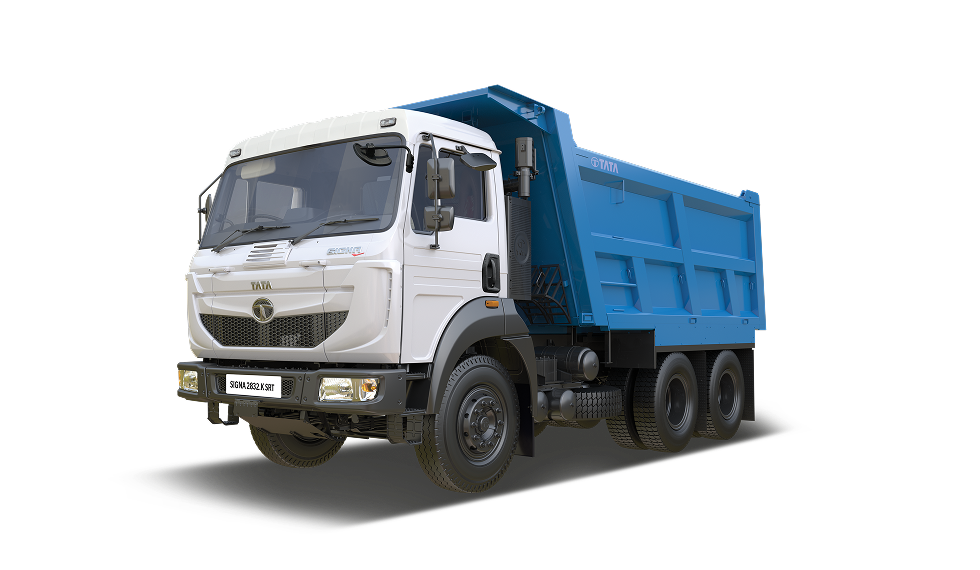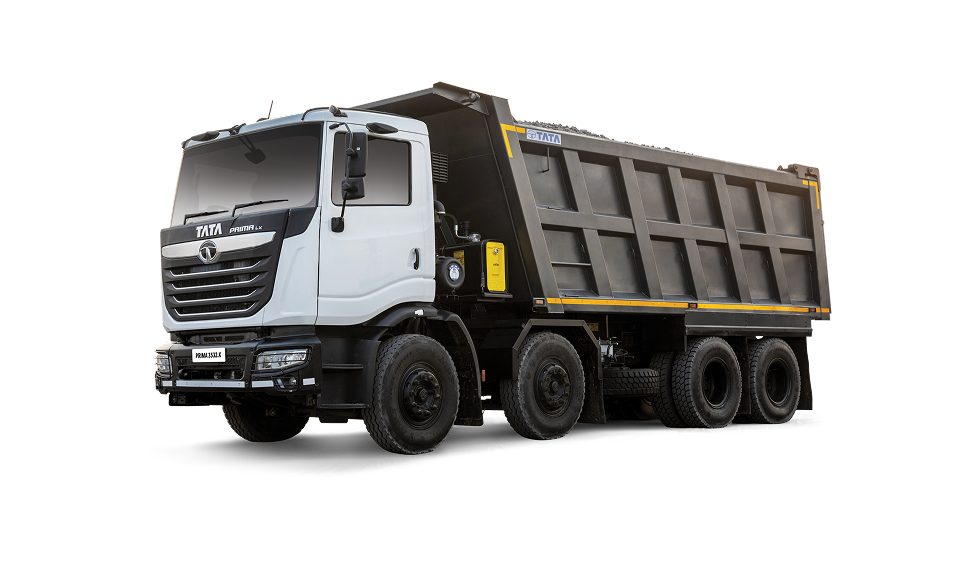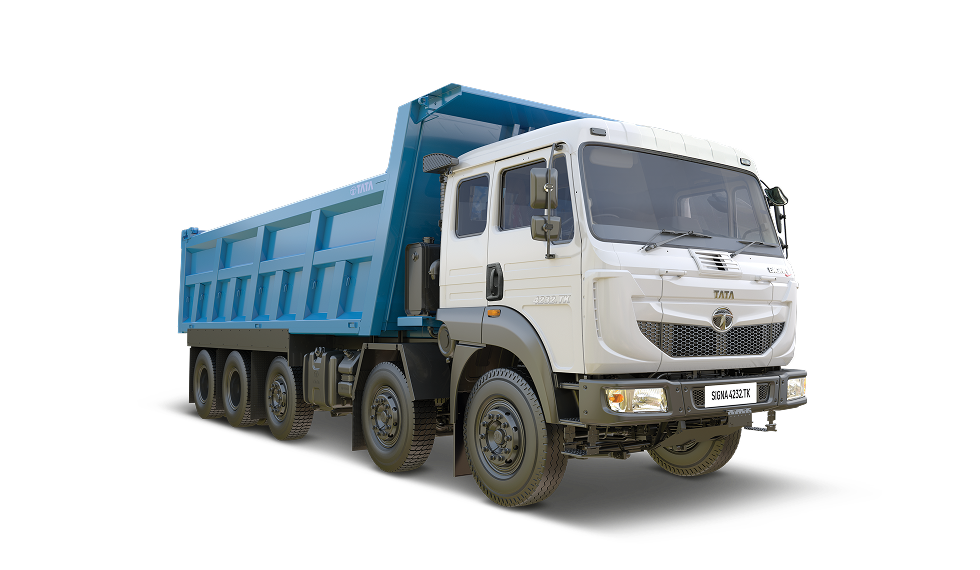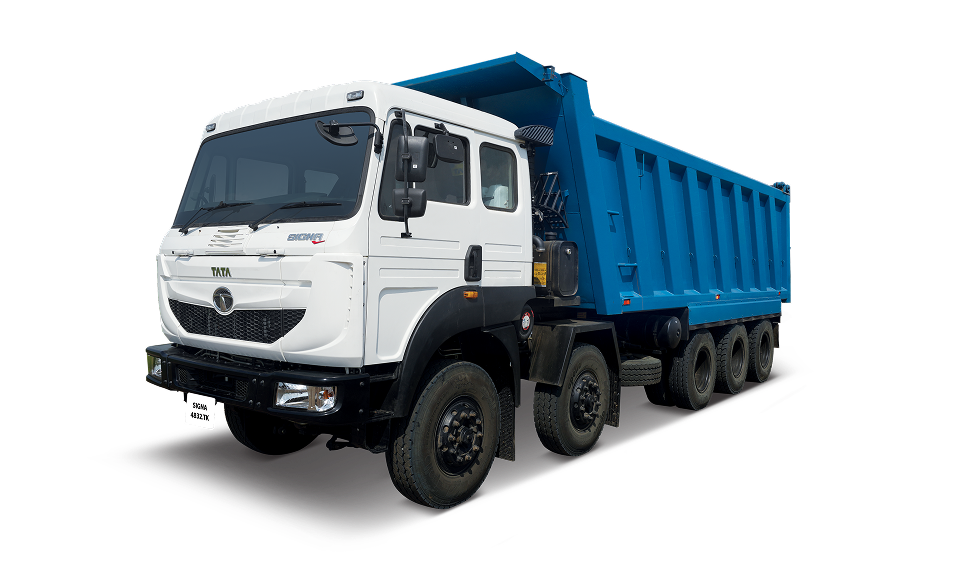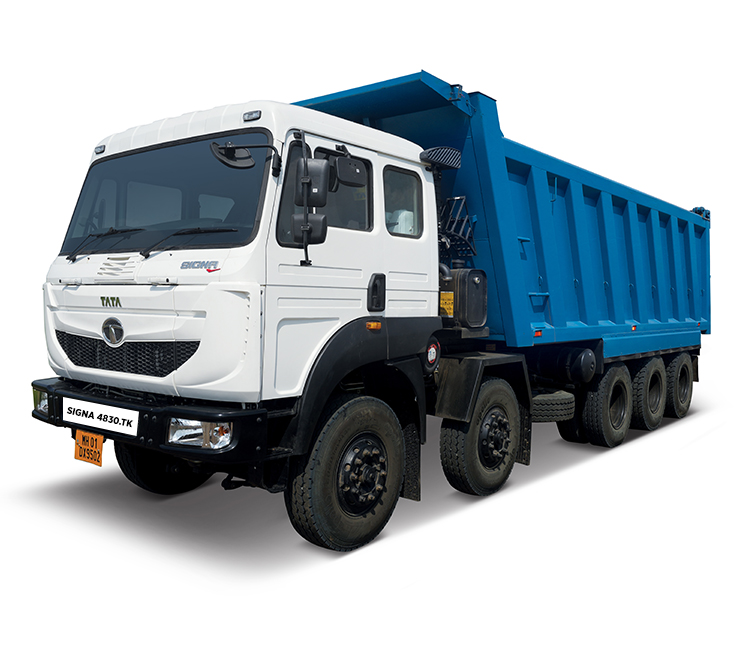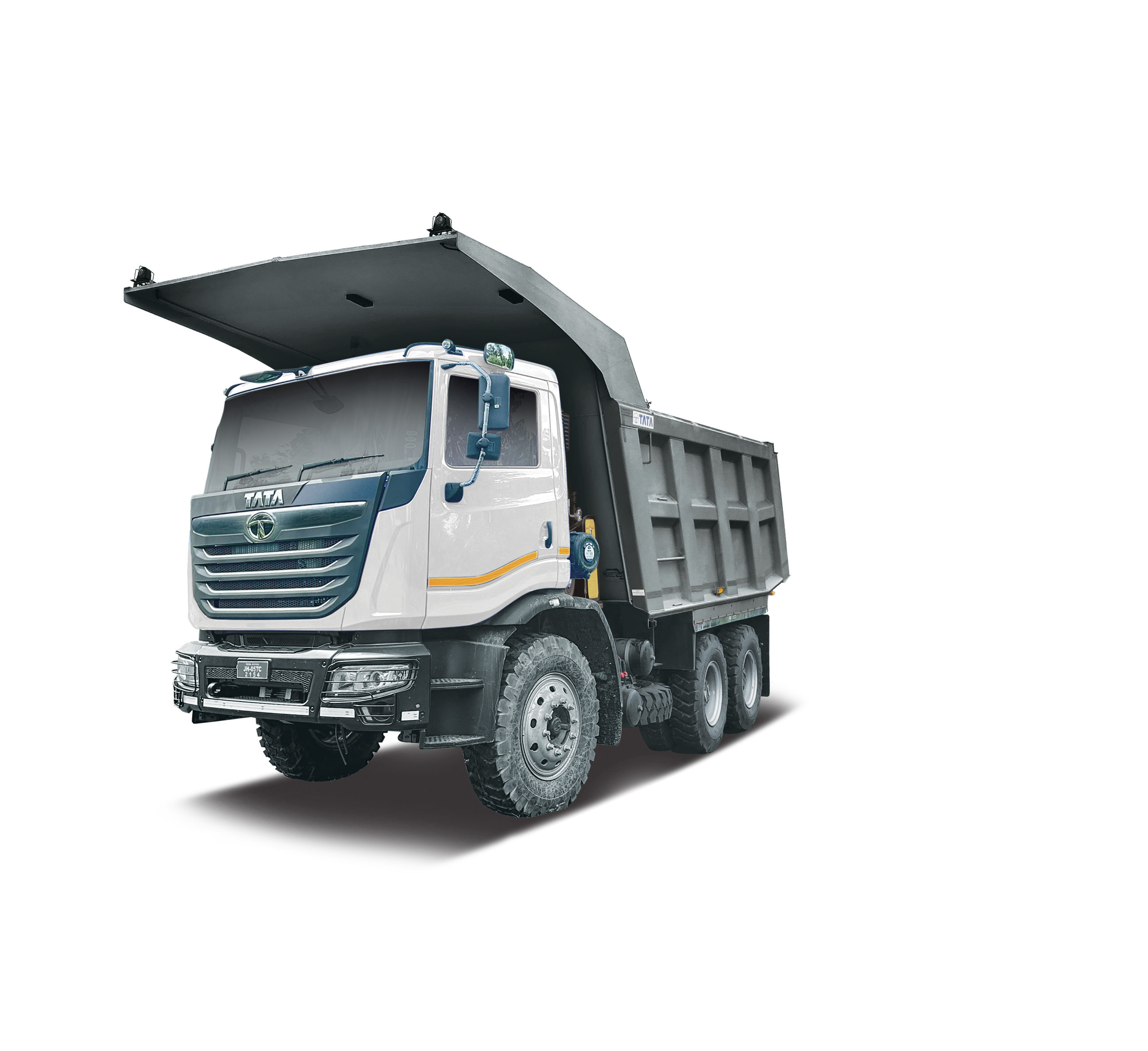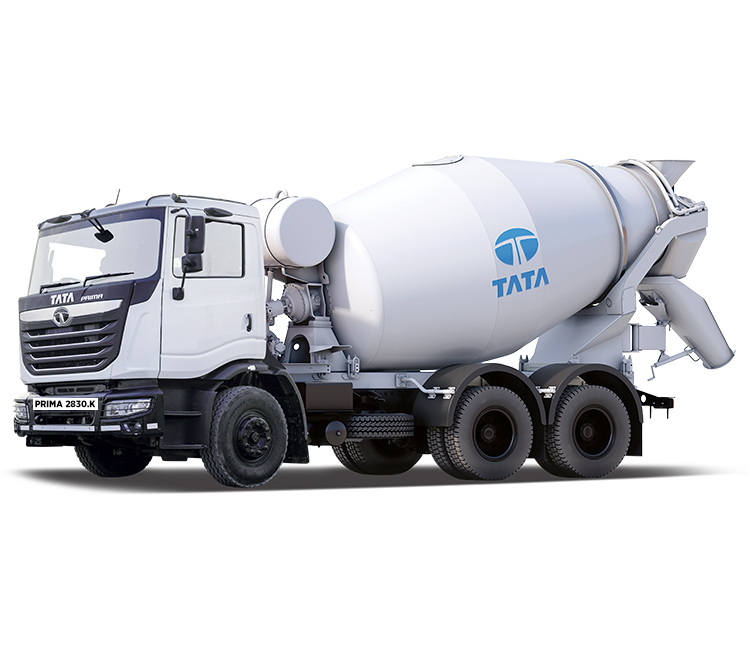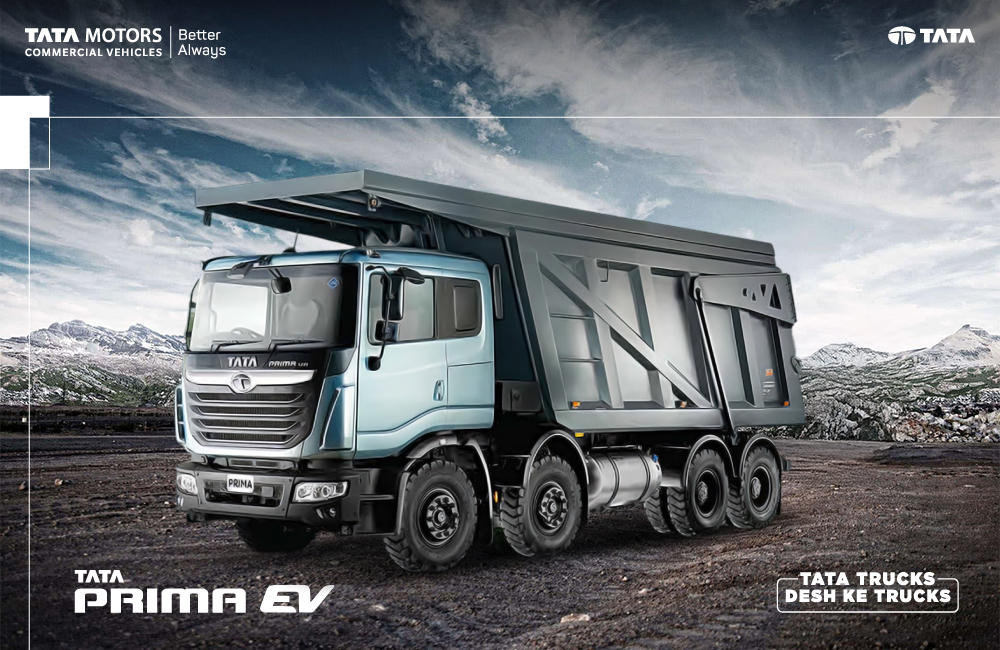
Liquefied natural gas (LNG) is quietly reshaping Indian long-haul trucking, and Tata Motors is right at the centre of this shift with its new-generation LNG Prima and Ultra range. For fleet owners chasing lower TCO and cleaner operations without sacrificing performance, understanding what’s inside these trucks matters as much as the badge on the grille.
What Makes Tata’s LNG Trucks Different?
Tata’s LNG portfolio is built to serve core high-mileage applications such as long-haul trailers and regional cargo runs where range and uptime are non‑negotiable. Instead of just retrofitting a gas tank, Tata Motors has engineered a full ecosystem – engine, chassis, tanks, telematics and safety – around LNG as a primary fuel.
Some headline capabilities you can lead with:
- Heavy-duty GCW up to 55 tonnes in the Prima LNG tractor segment for national freight movement.
- Single-fill range claimed around 1,000 km on select Prima LNG models, enabled by twin cryogenic tanks.
- Significant CO₂ and tailpipe emission reduction versus a comparable diesel truck, with lower particulates and noise.
Under the Hood: LNG Powertrain Explained
At the heart of Tata’s LNG trucks is a gas-optimised powertrain designed to deliver diesel-like driveability.
- Engine architecture: The Prima LNG tractors are powered by the Cummins 6.7‑litre gas engine, tuned to produce around 280 hp and 1,100 Nm of torque, aligning closely with popular 30–55 tonne highway diesel tractors.
- Transmission: The engine is typically paired with a 9‑speed gearbox to keep the power band accessible across gradients and load profiles common on Indian highways.
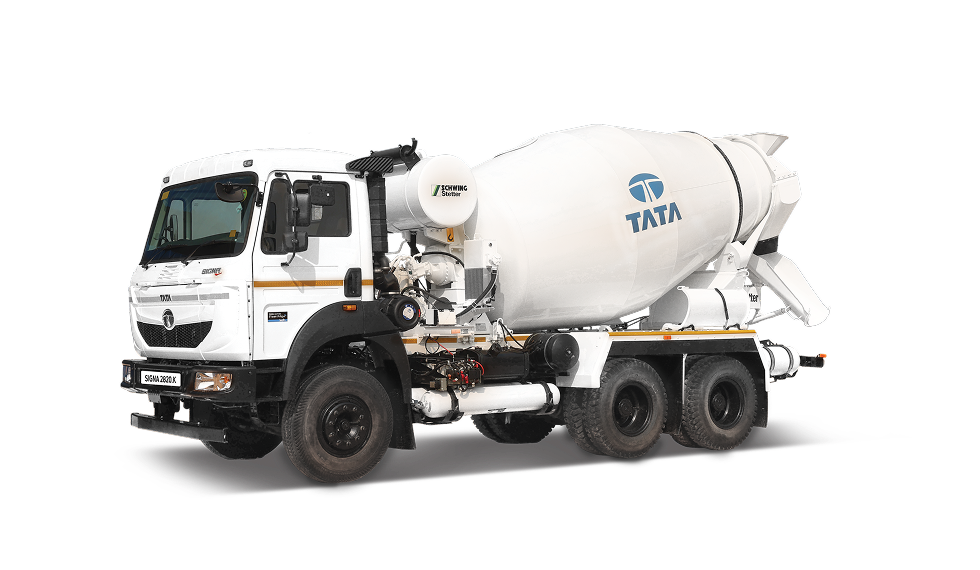
- Duty cycles: These specs make LNG Primas suitable for applications like containers, cement, steel, FMCG and e‑commerce line‑haul where sustained cruising and quick turnarounds are key.
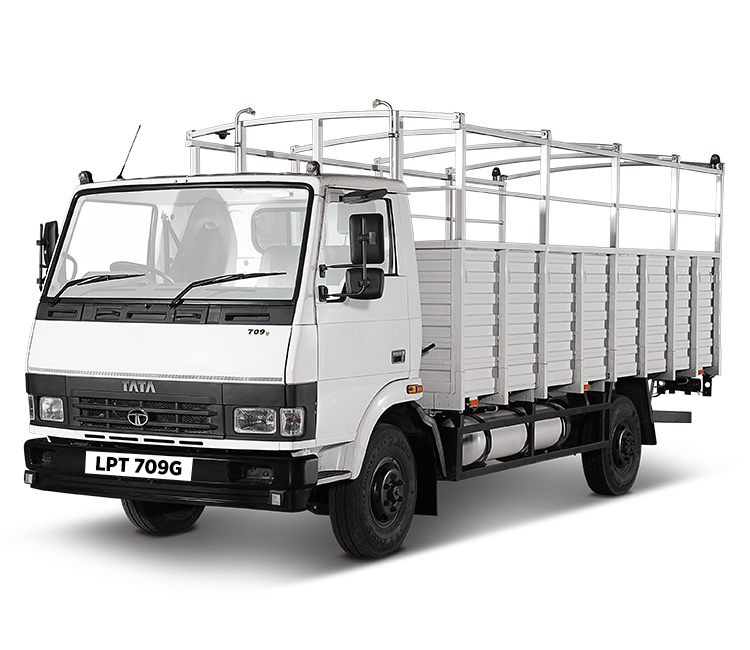
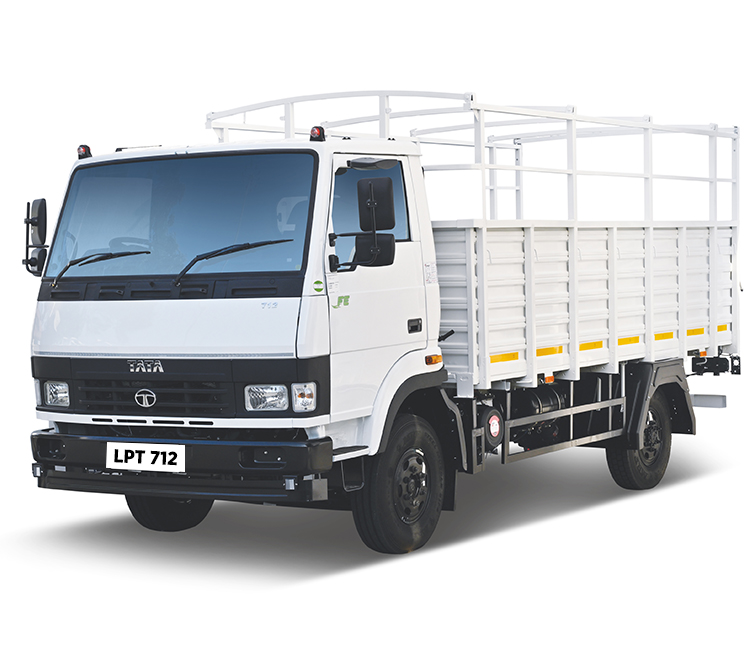
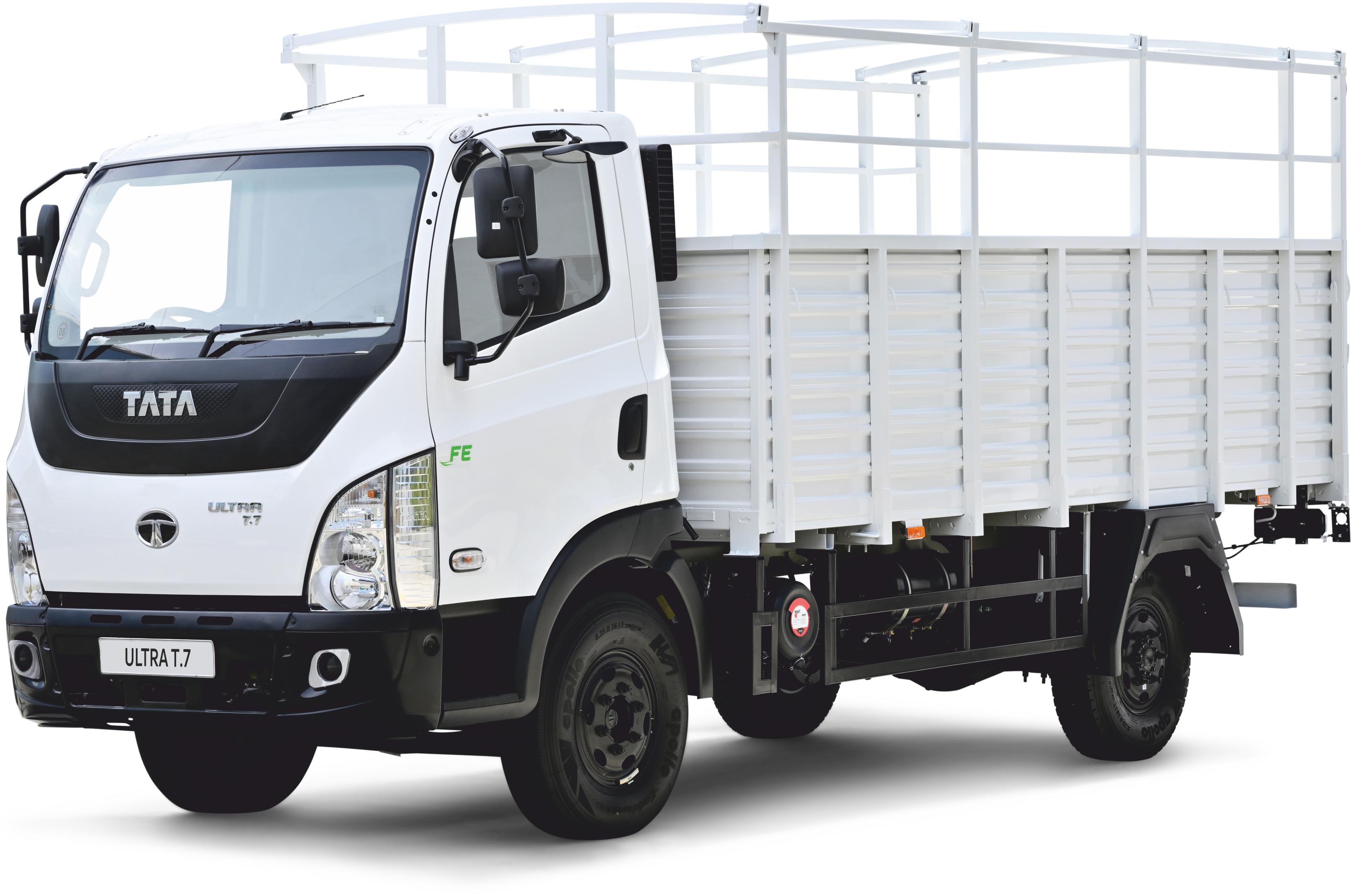
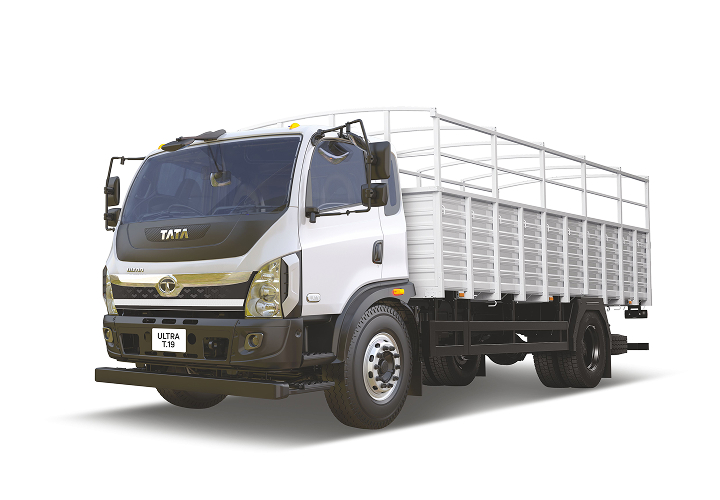
For lighter applications, the Ultra T.14 LNG pairs a Tata 497 engine (approx. 122 hp, 420 Nm) with a medium-duty chassis, targeting regional and intra-state distribution where range and fuel savings still matter.
Inside the Cryogenic LNG Tank System
LNG isn’t stored like diesel; it’s a cryogenic liquid at very low temperatures, which changes tank design completely.
Tata’s LNG trucks typically use:
- Twin cryogenic tanks: For example, the Prima 5530.S LNG uses 450 L + 450 L twin tanks mounted on the chassis, delivering long range between refills.
- Vacuum-insulated construction: The tanks are double-walled with vacuum insulation to keep LNG at cryogenic temperatures and minimise boil‑off losses during typical operating cycles.
- Integrated fuel management: On‑board systems handle pressure build‑up, vaporisation and supply of gas to the engine at controlled pressure and temperature, ensuring consistent performance across ambient conditions.
In the Ultra T.14 LNG, a 420‑litre tank supports a claimed range of up to roughly 1,400 km per filling in certain duty cycles, making it attractive for hub‑and‑spoke operations.
Safety: From Tank to Telematics
With a cryogenic fuel on board, safety engineering is non‑negotiable, and Tata has layered multiple hardware and software controls into these vehicles.
Key safety elements include:
- Braking & stability: Heavy-duty air brakes with large 410 mm drums on medium trucks, complemented by ABS to reduce wheel lock‑up and improve control during panic braking.
- ADAS & active safety: Select Prima LNG models offer Level 2 ADAS with features like active brake assist and lane‑keeping support to mitigate human error at highway speeds.
- Tank-side safeguards: LNG systems are engineered with multiple shut‑off valves, pressure relief devices and strict standards on mounting, piping and routing to protect the tank in case of impact.
- Cabin & driver protection: Features such as seat belts, robust cabin structure and driver information displays for critical alerts help the driver respond early to any anomaly.
On top of this, Tata backs its LNG trucks with digital oversight through FleetEdge, the OEM telematics platform that enables real-time tracking, fuel monitoring and proactive maintenance triggers.
Infrastructure & TCO: The Bigger LNG Picture
The viability of LNG trucks depends not just on the vehicle but also on the fuel ecosystem and economics.
- Ecosystem partnerships: Tata Motors has tied up with gas companies to develop LNG corridors, identify key freight routes and set up refuelling infrastructure along major highways.
- Operational economics: With the right running kilometres, LNG can offer lower cost per km than diesel, especially for high-mileage fleets, while also delivering a greener brand image that logistics customers increasingly value.
For fleet owners, the real story is this: you get a familiar Tata heavy truck platform, modern ADAS and telematics, diesel-like performance, and a fuel that’s cleaner and potentially cheaper over the life cycle – all engineered to work together as a single, robust LNG solution.