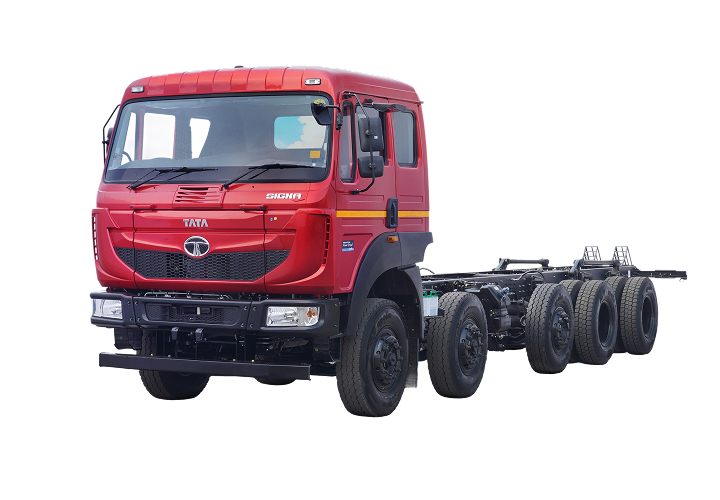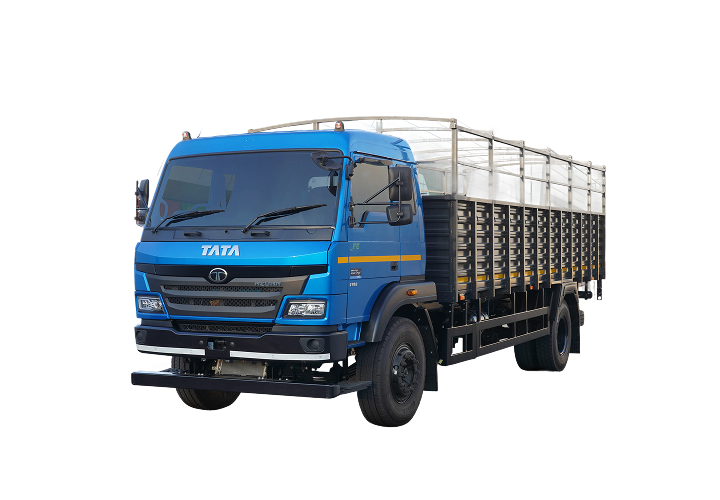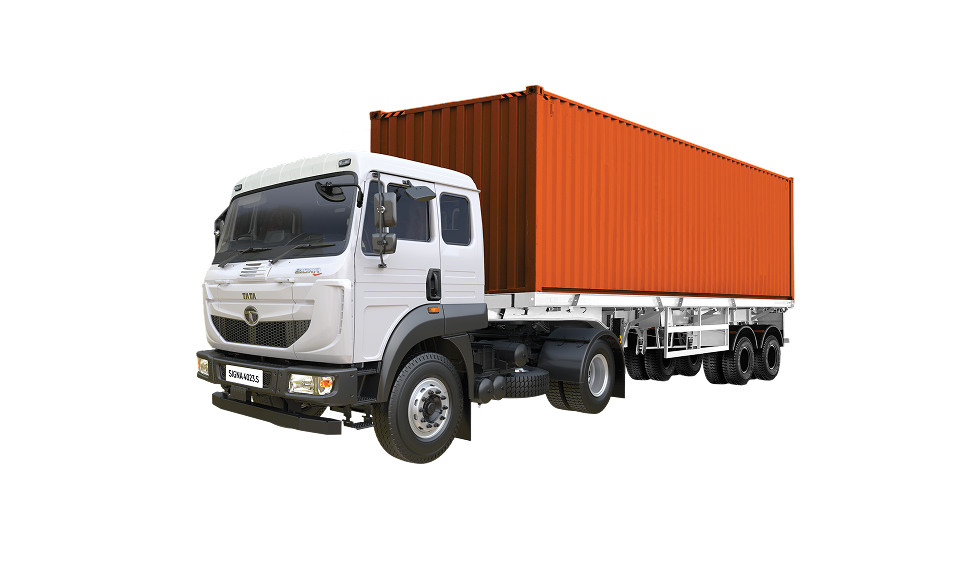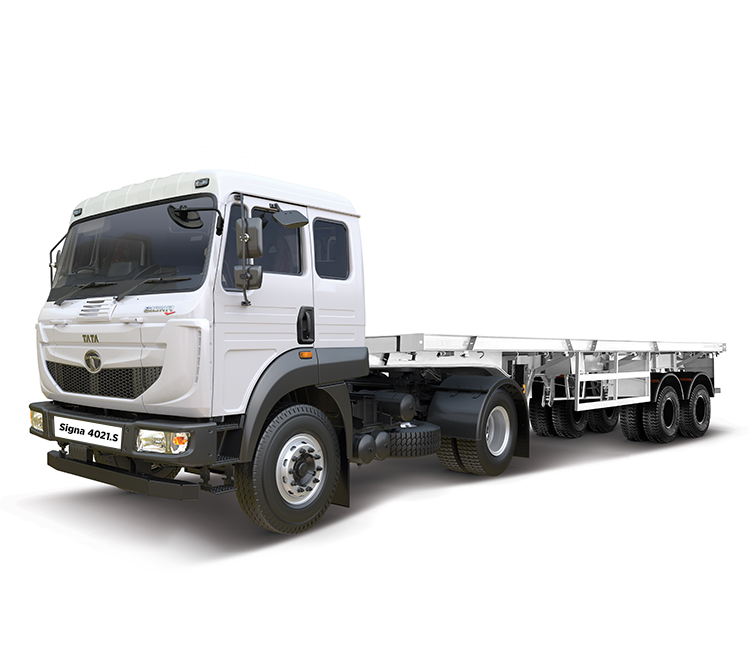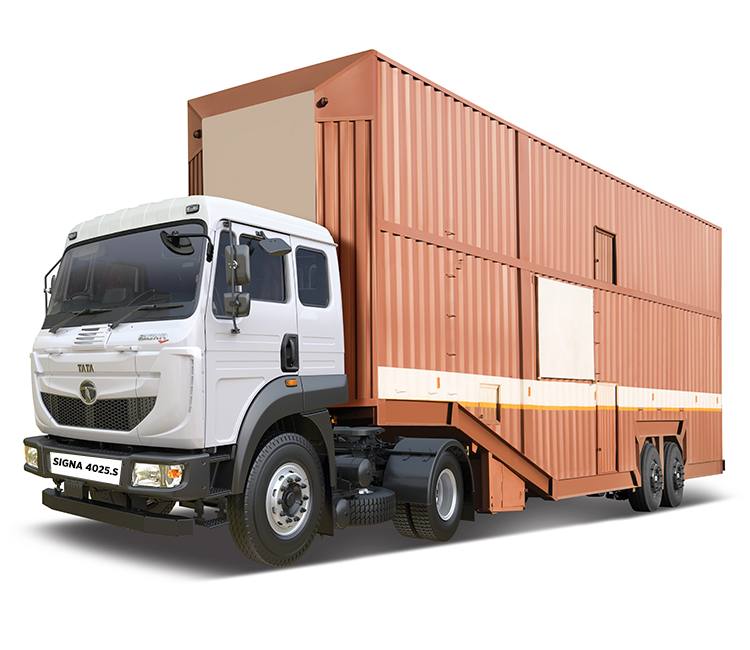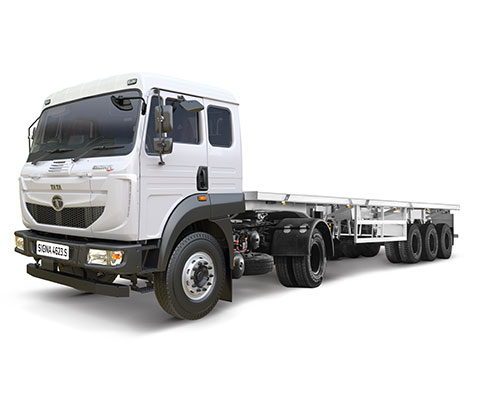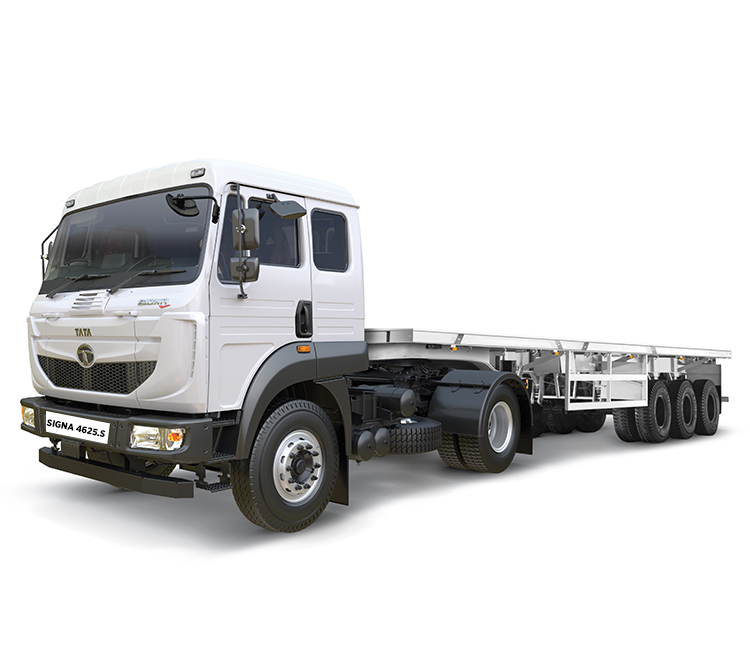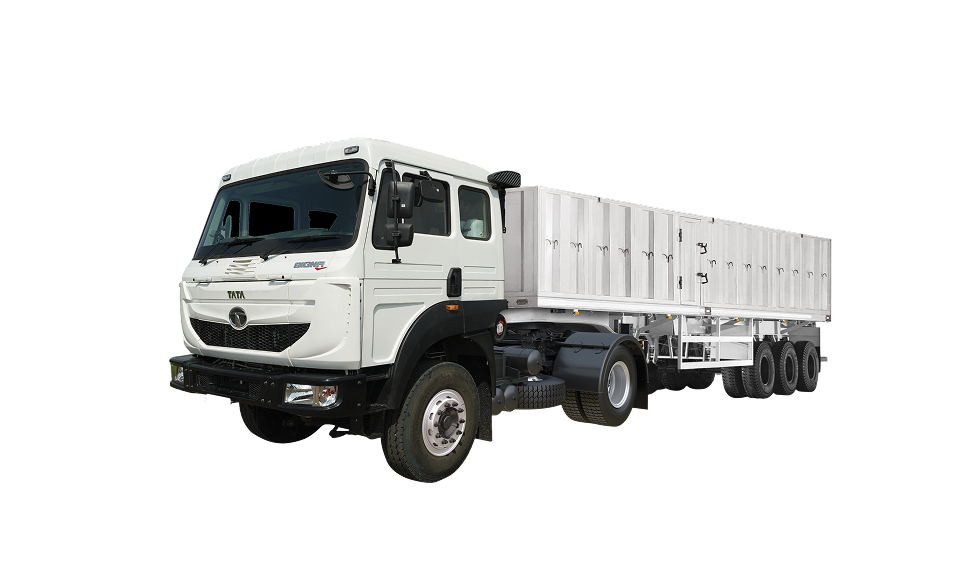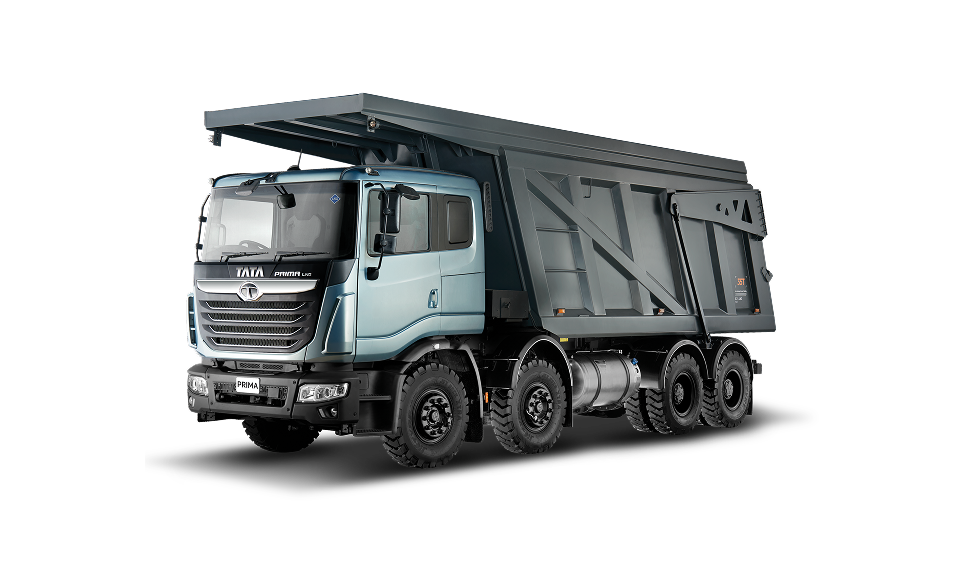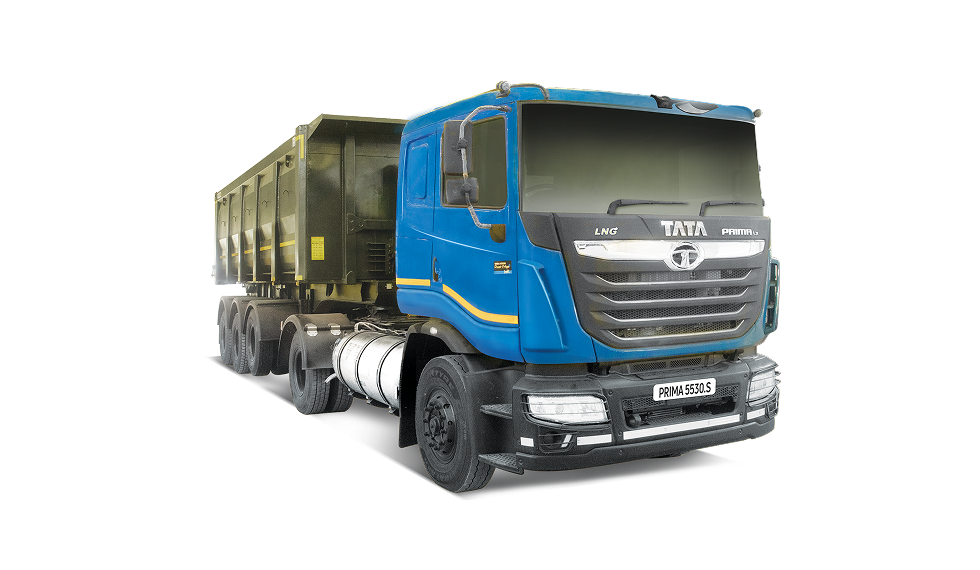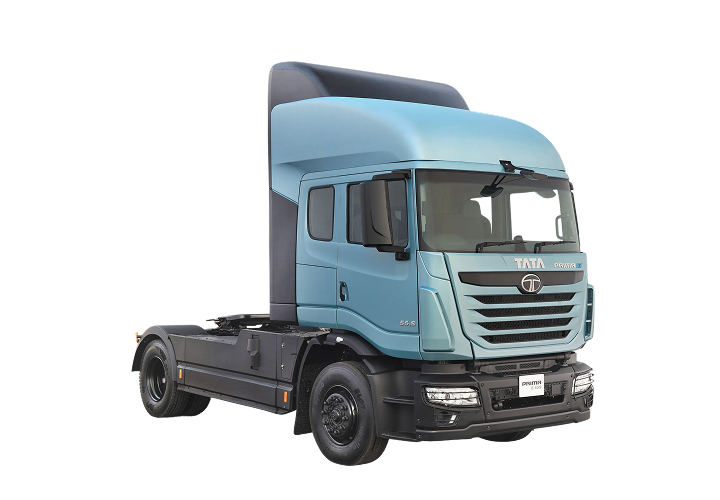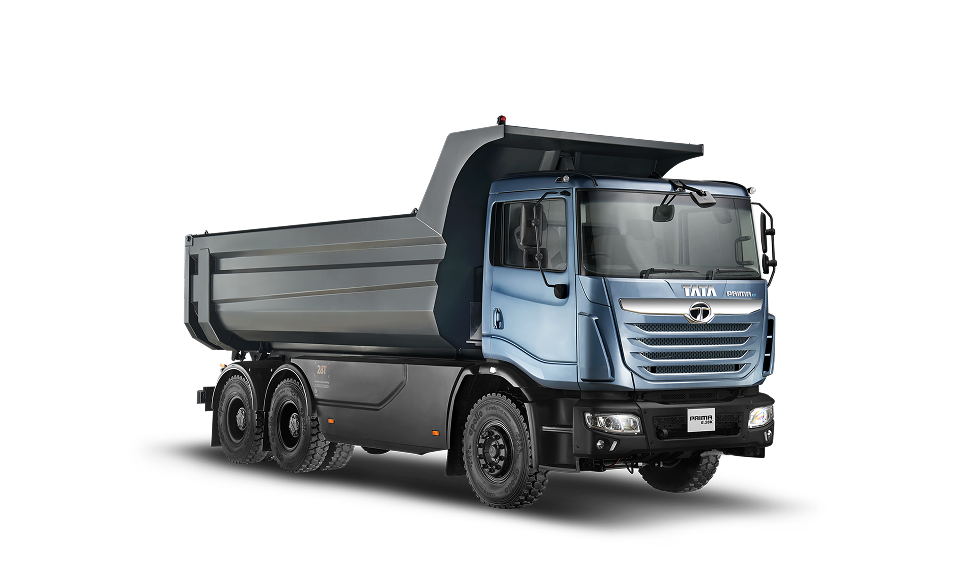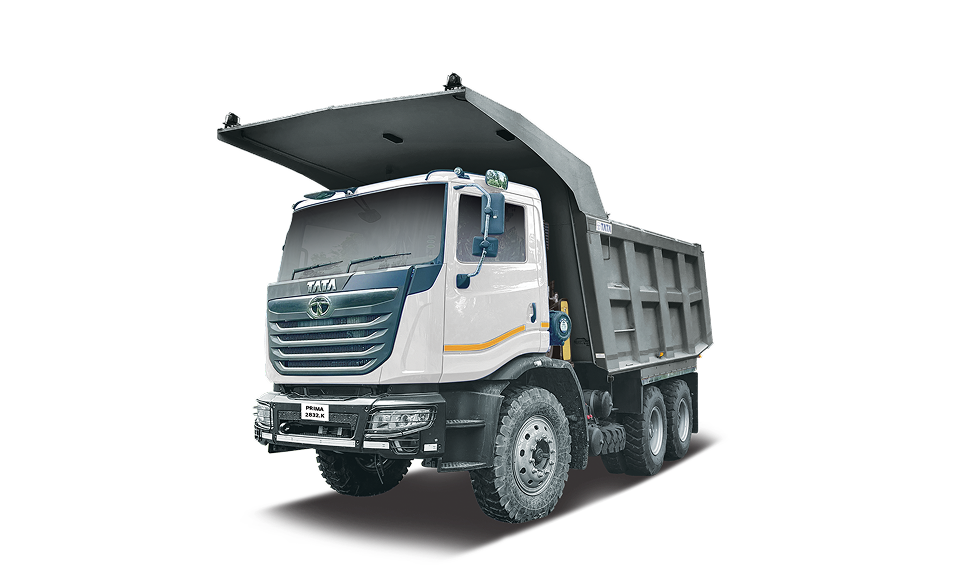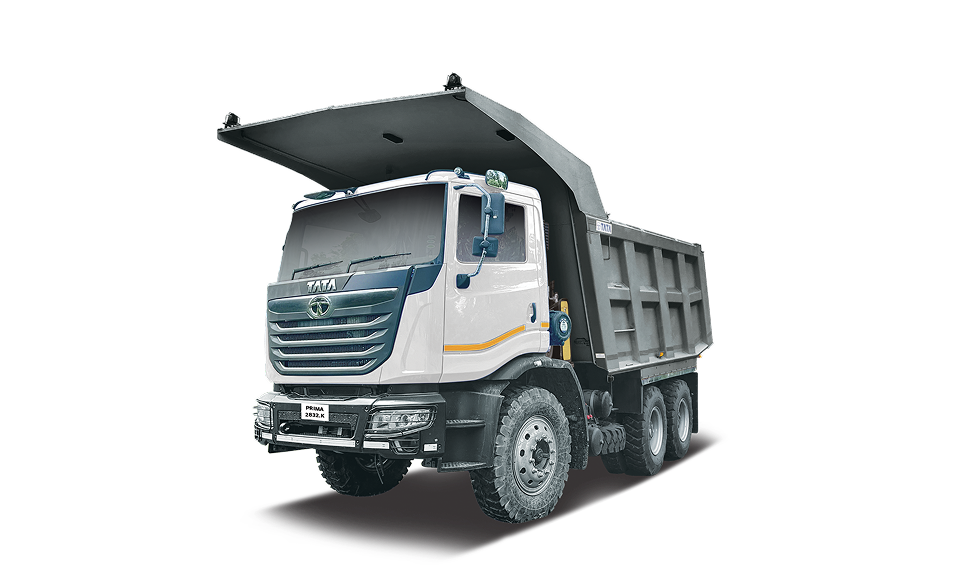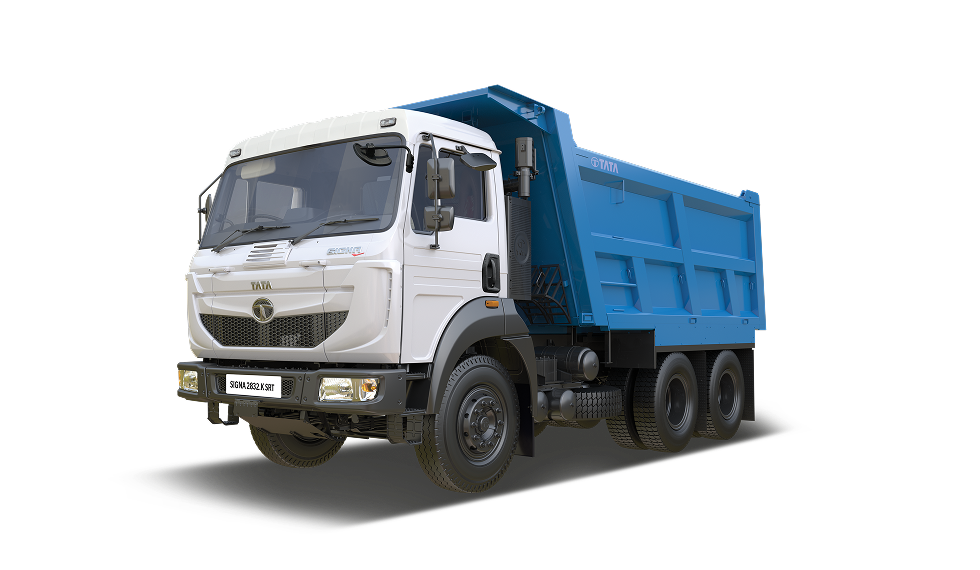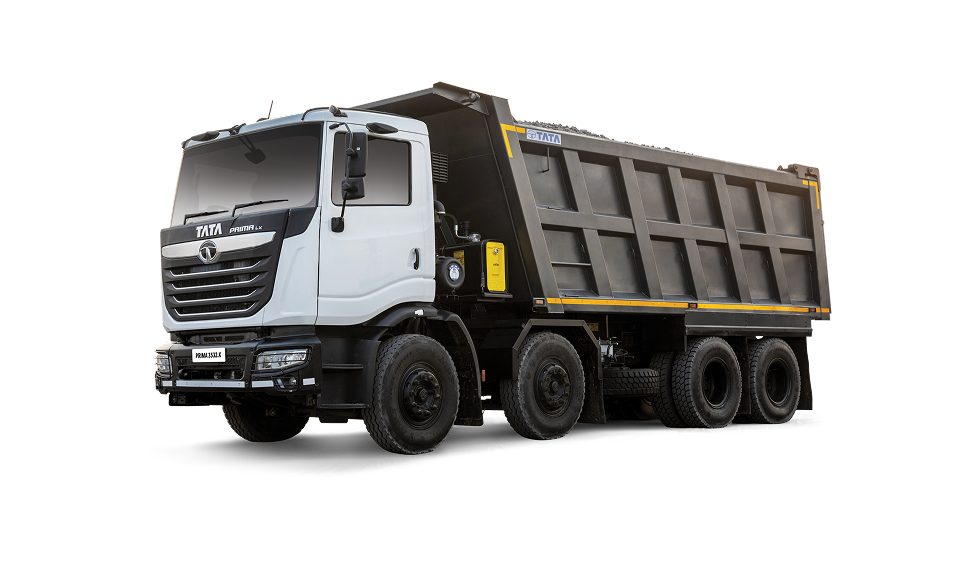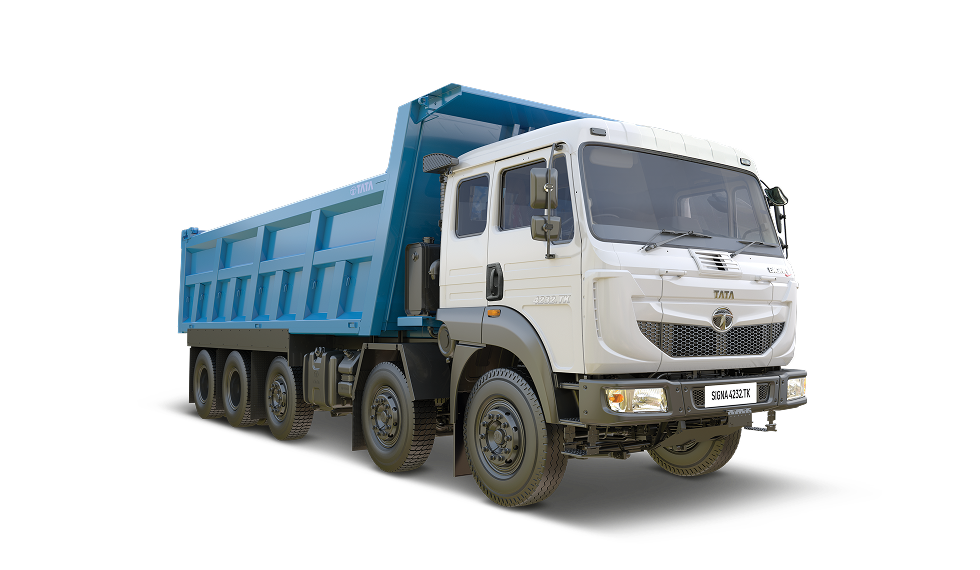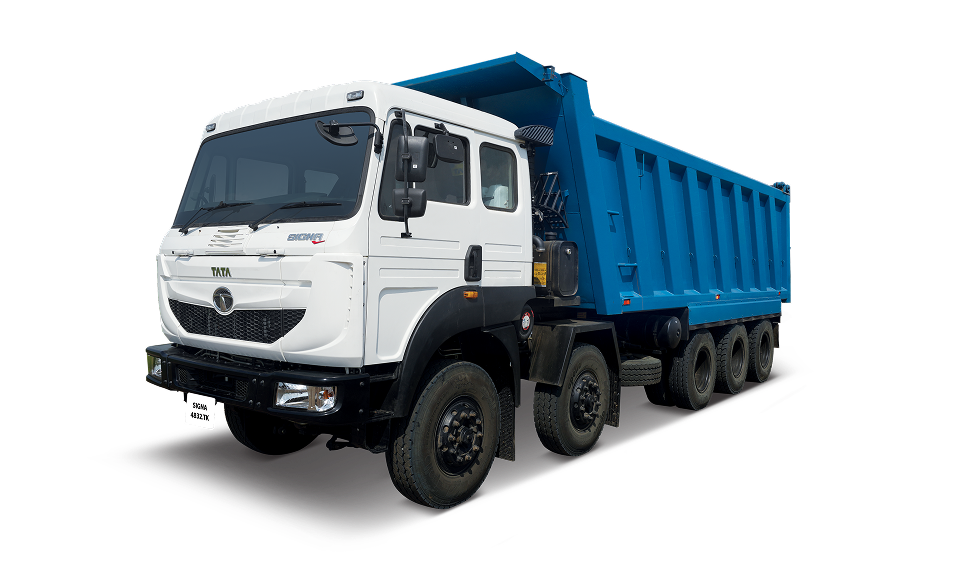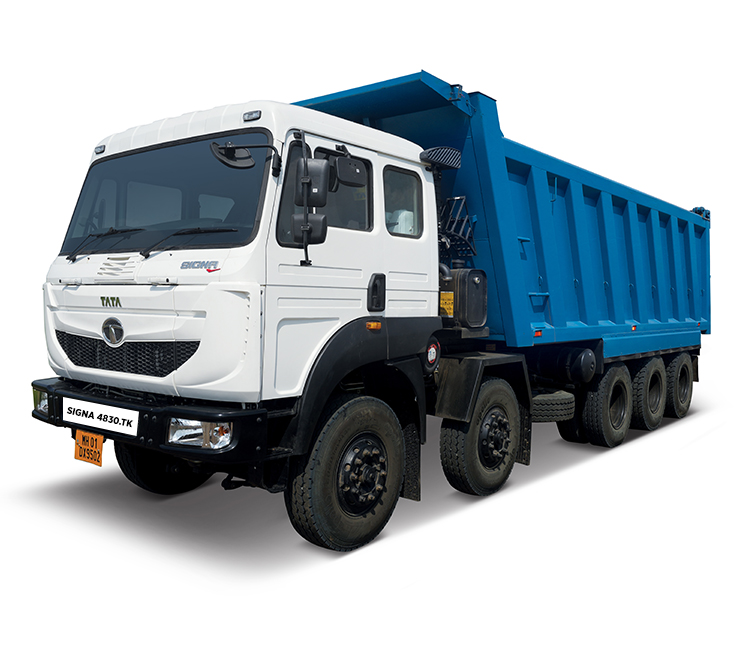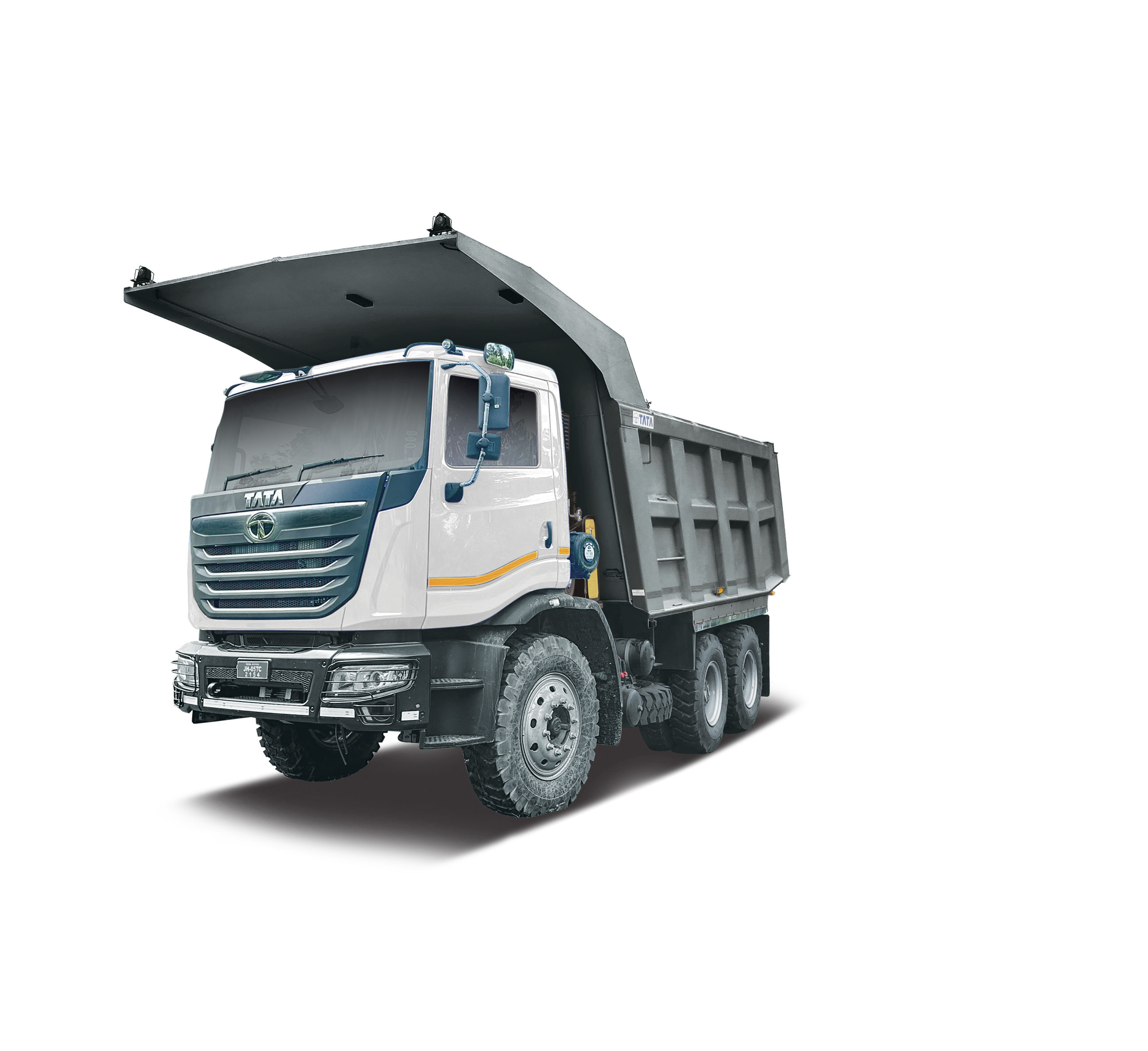
In logistics and industrial supply chains, payload capacity isn’t just a number - it’s a direct driver of profitability, turnaround times, and overall efficiency. Fleets hauling heavy cargo over long distances must balance fuel efficiency, emissions performance, and the ability to carry large loads without compromise. Liquefied natural gas (LNG)-powered trucks are one of the emerging solutions in this space, particularly for heavy-duty applications where range and payload matter. Tata Motors has been at the forefront of offering LNG-powered heavy commercial vehicles that meet these industrial requirements.
Designing for Heavy Loads: Understanding Payload Goals
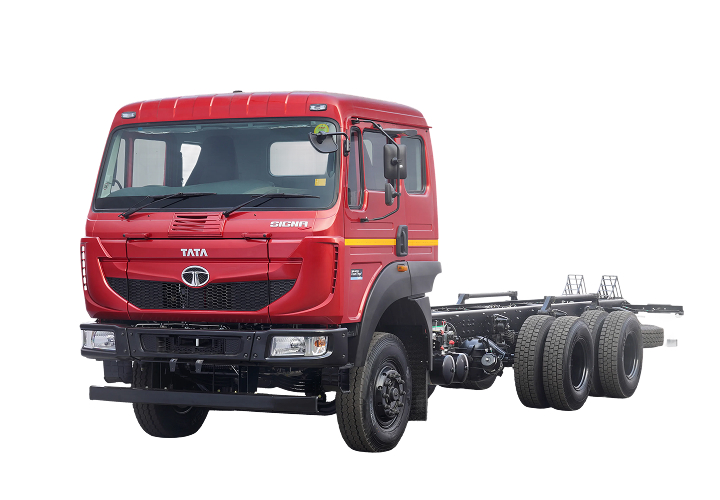
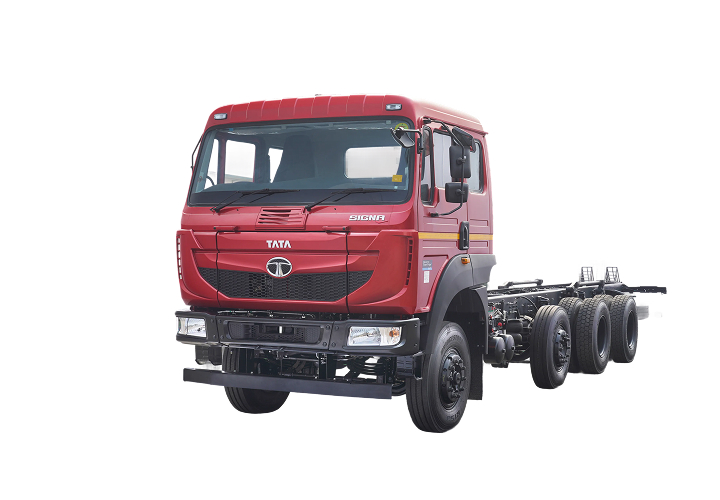
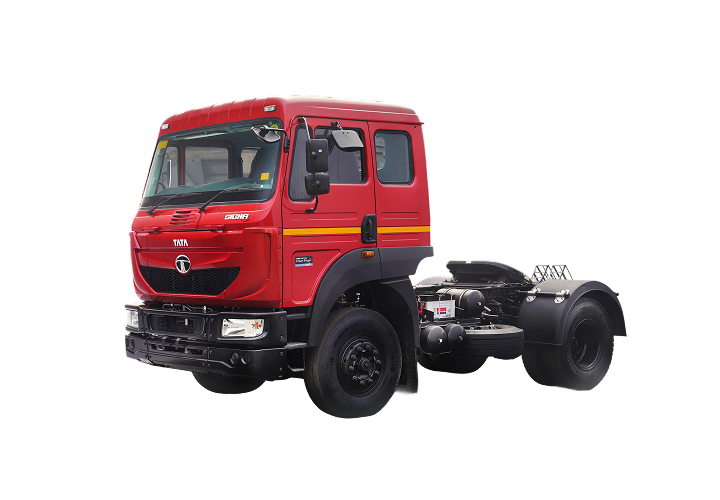
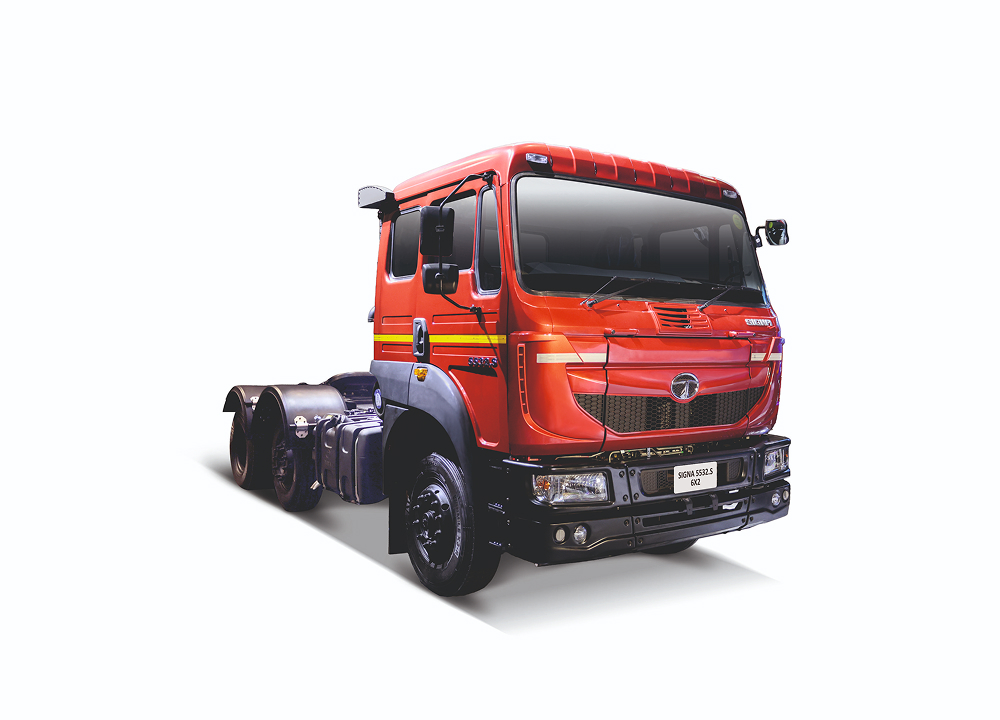
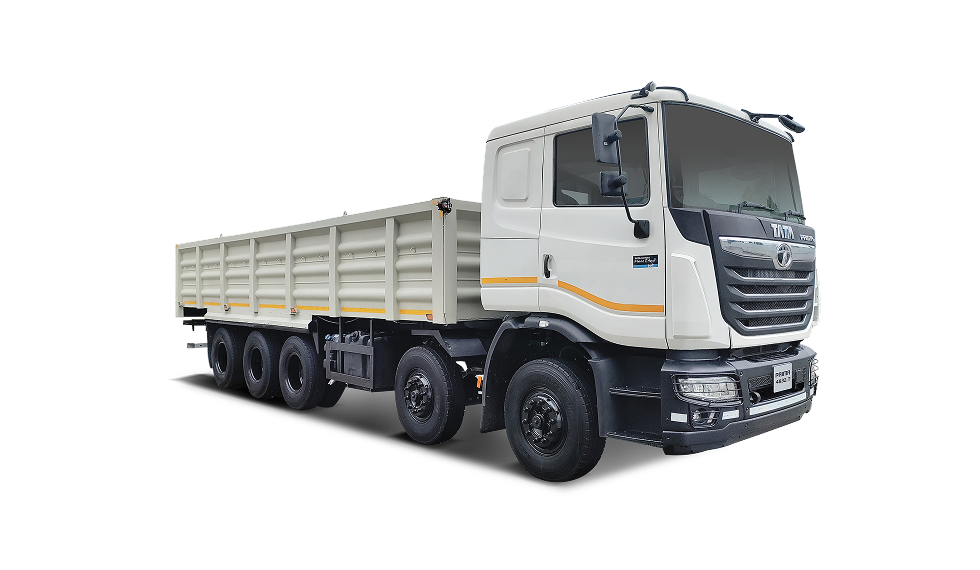
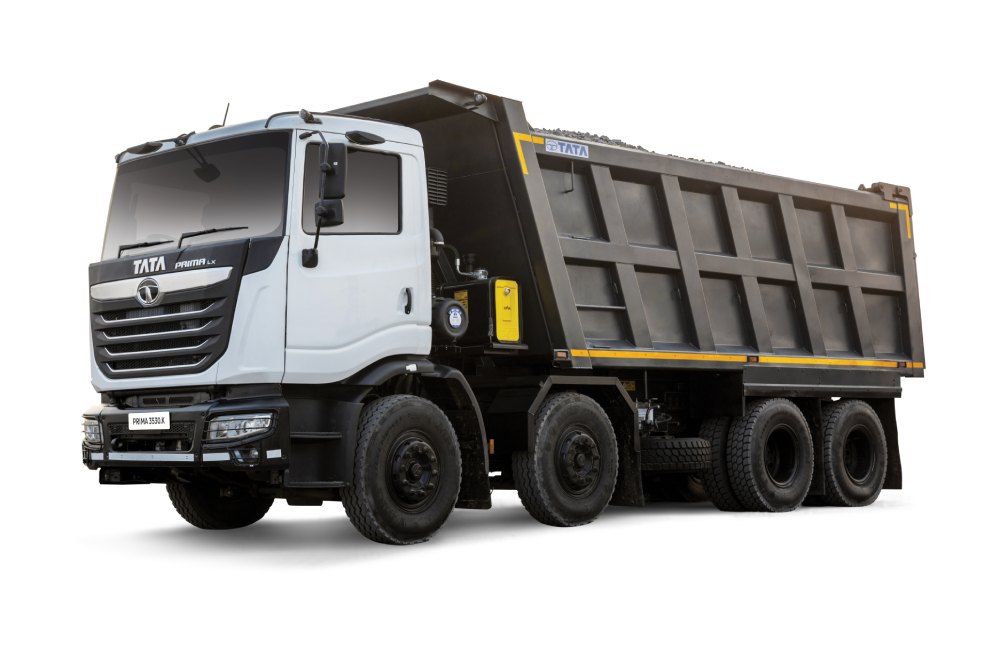
For industrial supply chains, payload capacity is critical. It determines how much cargo you can move per trip and therefore how quickly you can turn inventory, fulfil orders, and optimise costs. Heavy commercial vehicles like the Tata Prima range are engineered with high gross vehicle weights (GVW) - a measure that reflects the combined weight of vehicle plus maximum load - to support demanding load applications. In Tata’s LNG lineup, models such as the Tata Prima 5530.S 4x2 LNG are designed with a GVW of 55,000 kg, indicating their suitability for long-haul and high-payload operations.
This means that even with the LNG fuel system and cryogenic tanks fitted, the vehicle architecture allows substantial cargo weight, making it viable for industries like manufacturing, steel, and logistics where heavy shipments are routine.
Power and Torque That Match the Task
A truck’s ability to carry heavy payloads isn’t just about how much space it has - it’s about how the engine and drivetrain handle that load. Tata’s LNG trucks use powerful engines calibrated for torque and sustained highway performance. For example, the Cummins 6.7 L gas engine in the Tata Prima LNG delivers significant torque - up to 1,100 Nm - which helps the vehicle pull heavy loads with confidence, even on gradients or during sustained long-haul runs.
High torque at usable engine speeds makes starting with heavy payloads easier and steadier on long stretches of road. For fleet managers, this translates into smoother haulage, better control, and sustained speeds even when the truck is fully loaded.
LNG Fuel and Payload: A Practical Balance
One common concern when shifting to alternative fuels is whether the new fuel system will impact payload capacity. LNG systems require cryogenic tanks and additional infrastructure to store the super-cooled fuel, which inherently adds some weight. However, LNG’s higher energy density compared to gaseous fuels like CNG means fleets can store more fuel onboard without a disproportionate increase in weight, enabling longer range without frequent refuelling.
More importantly for industrial fleets, this balance allows Tata’s LNG trucks to carry typical industrial payloads without sacrificing operational range. Dual-tank options, available on some variants, further extend the range without reducing cargo volume - a key consideration for operations between freight hubs, ports, and distribution centres.
Chassis and Frame: Built for Load and Longevity
Beyond engines and fuel systems, the vehicle’s chassis and frame are central to how well it handles big jobs. Tata commercial vehicles are built on heavy-duty ladder-type frames with components engineered to absorb load stresses and provide structural integrity over repeated cycles. This means the truck carries heavy loads without undue frame flexing, ensuring consistent handling and durability over time even with intensive use.
For industrial logistics, this matters because repeated load-unload cycles and long stretches on national highways can otherwise accelerate structural fatigue.
Smart Features That Support Payload Efficiency
Tata’s LNG range is also complemented by features that support efficient operation under load. Tools like 3-mode fuel economy settings help drivers optimise engine behaviour based on load conditions - whether light, medium or heavy cargo - striking the right balance between power and fuel use. Telematics platforms such as Fleet Edge provide live data on vehicle performance, so fleet managers can monitor load versus fuel efficiency, trip patterns, and engine health to make operational tweaks that improve turnaround times.
This blend of on-board intelligence and connected insights supports smarter planning - for instance, assigning the right vehicle to the right route based on payload and distance.
Practical Impact for Industrial Fleets
For industrial supply operations - whether moving steel coils, bulk bags of cement, or finished goods to port - Tata’s LNG vehicles offer a combination of robust payload capacity, long range, and fuel cost efficiency. LNG fuel itself tends to be less expensive than diesel over time, and its cleaner burning characteristics contribute to sustainability goals without a drastic compromise on load-carrying capability.
In effect, fleets benefit from the ability to haul significant cargo volumes, keep fleets on the road longer between fills, and trim operational costs - all while aligning with emerging environmental mandates and corporate sustainability commitments.