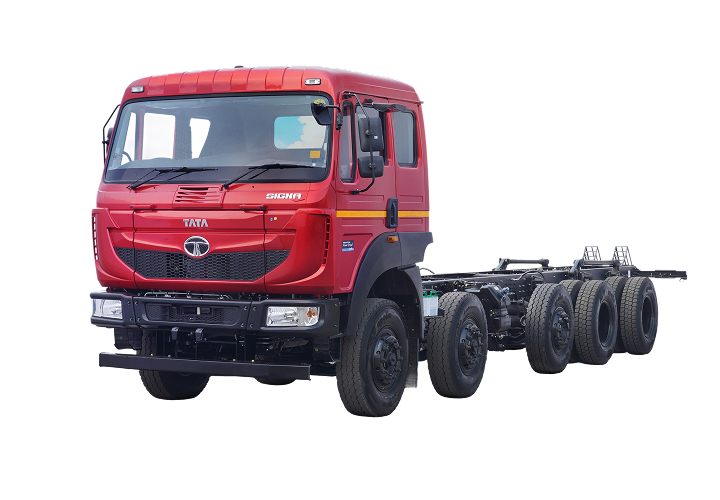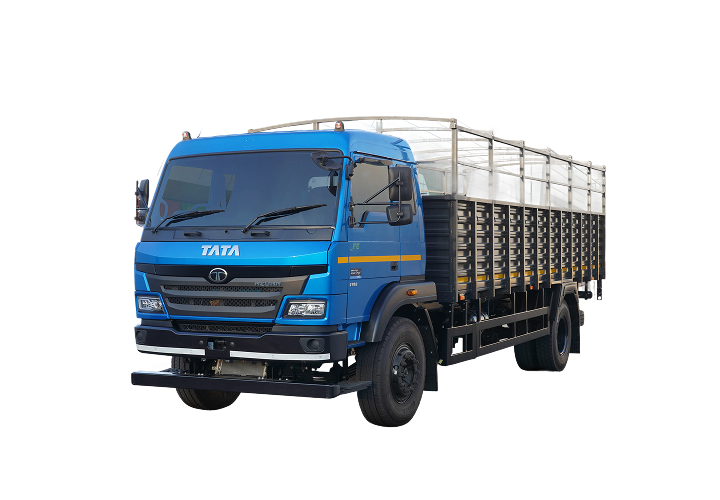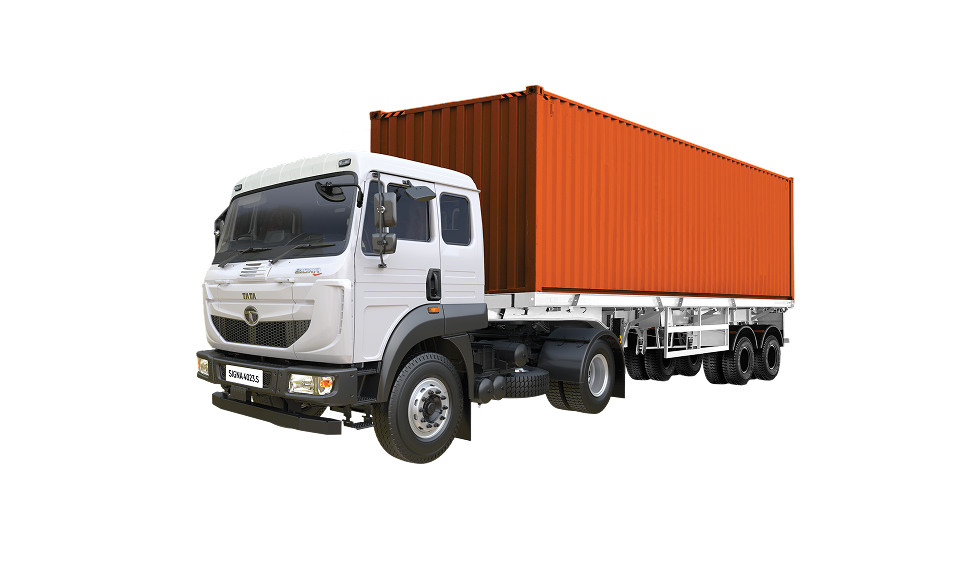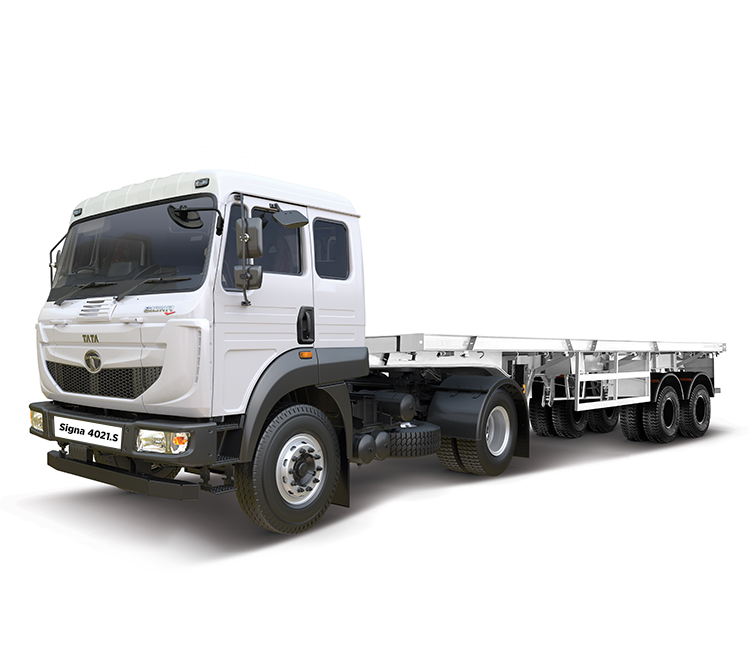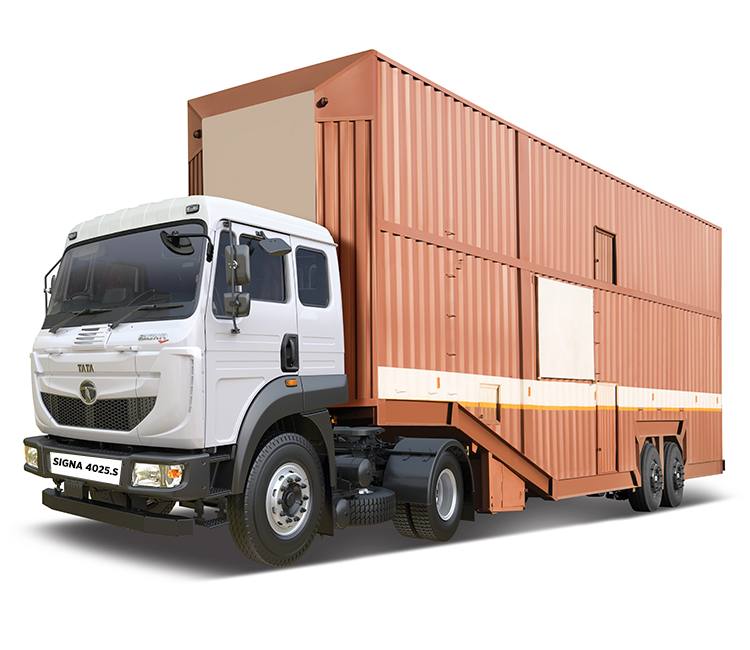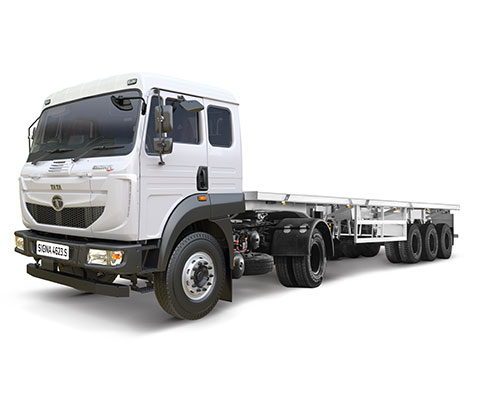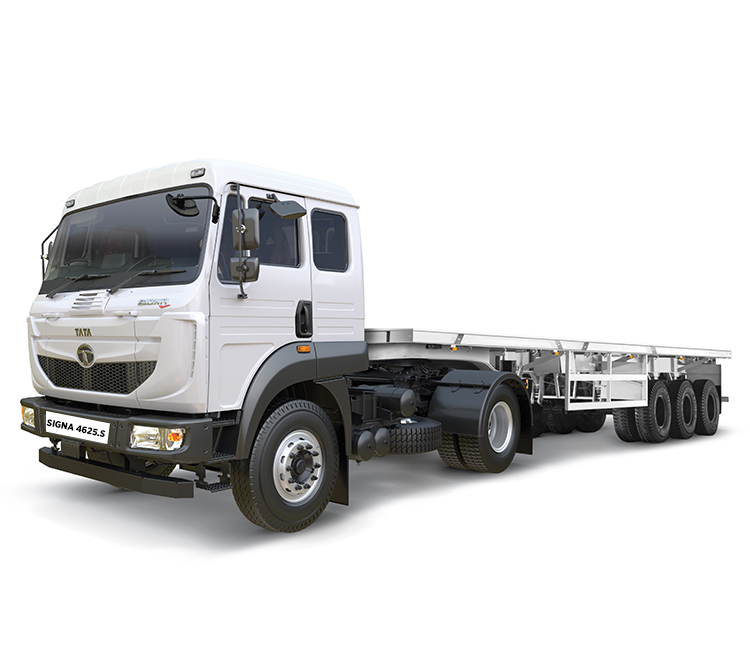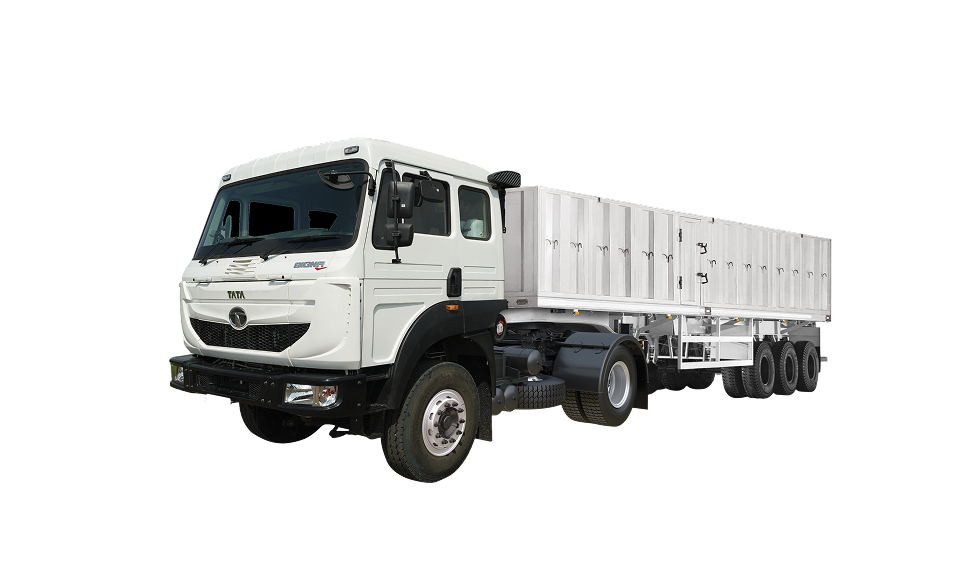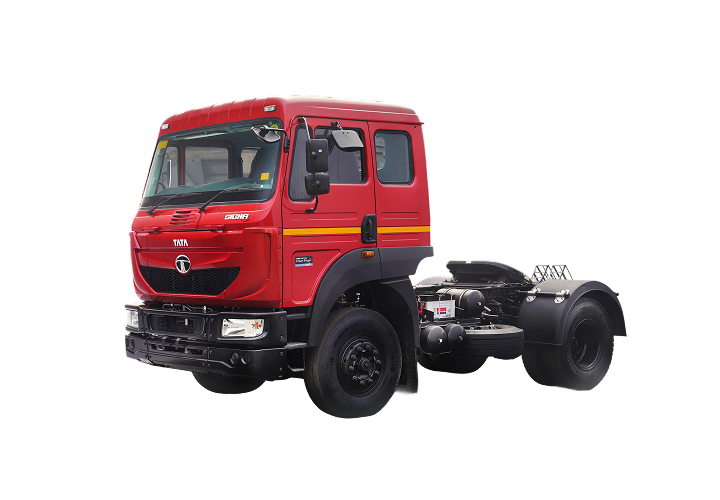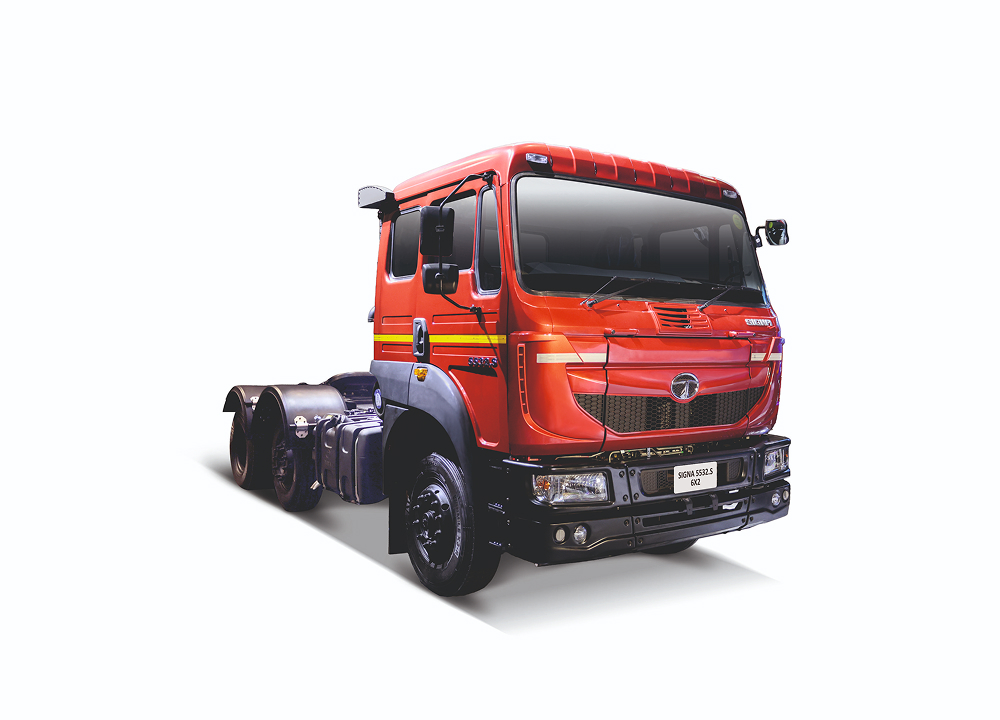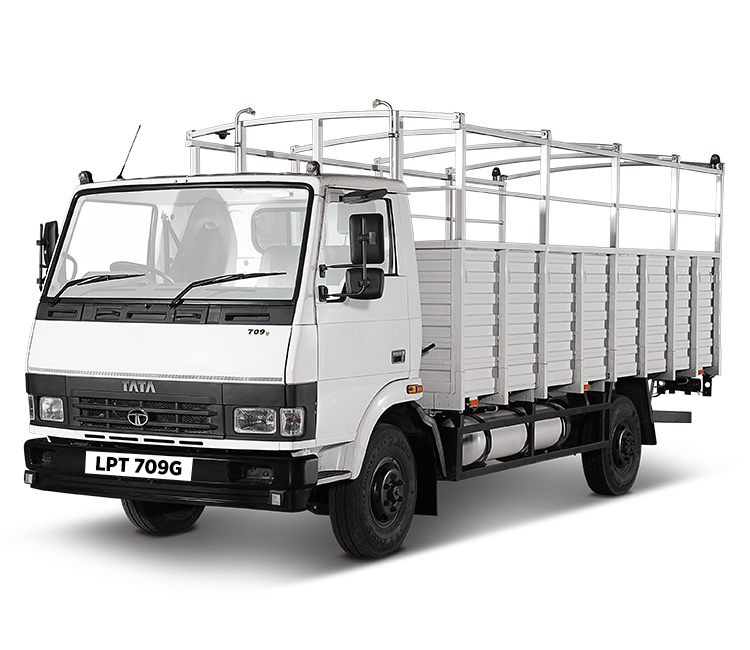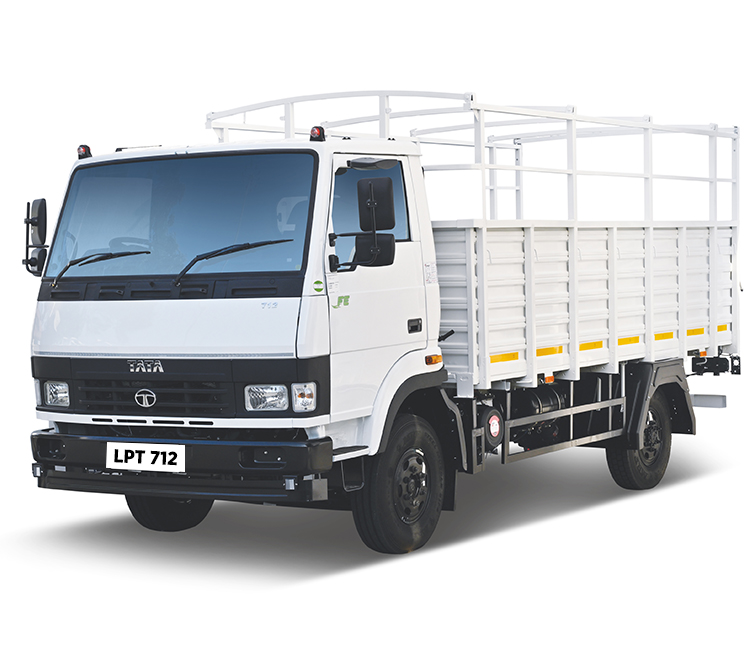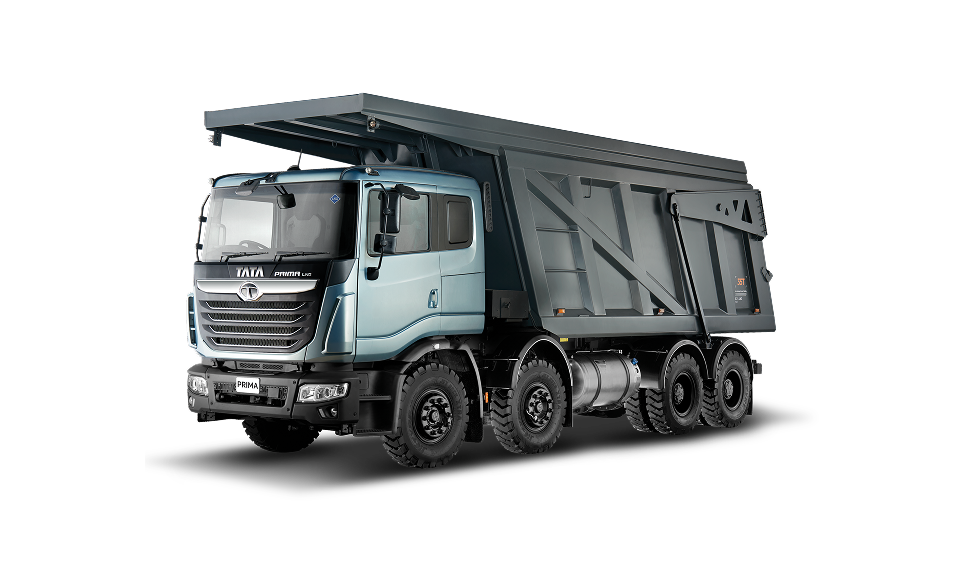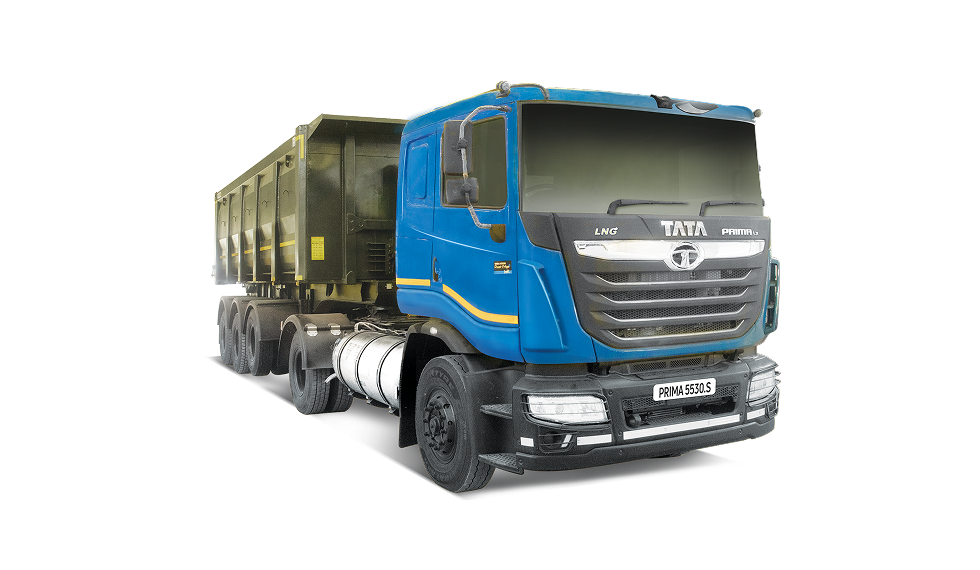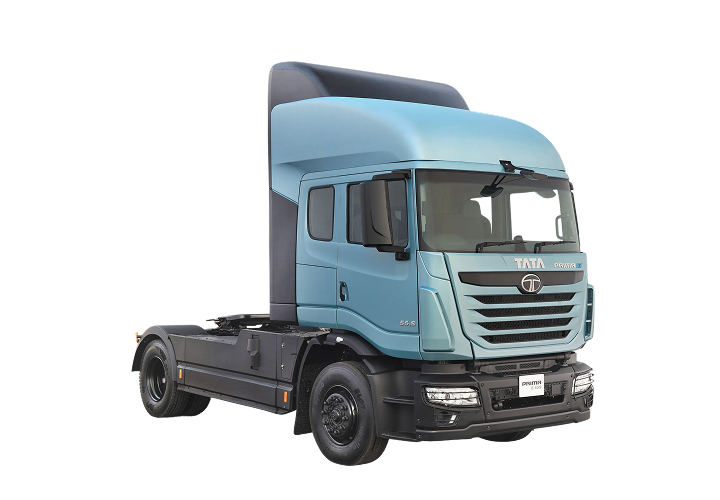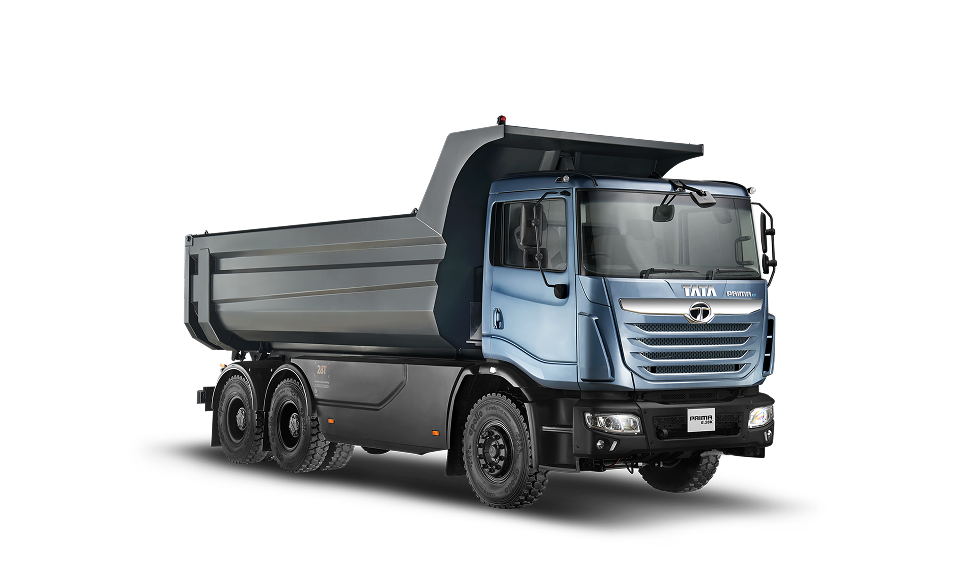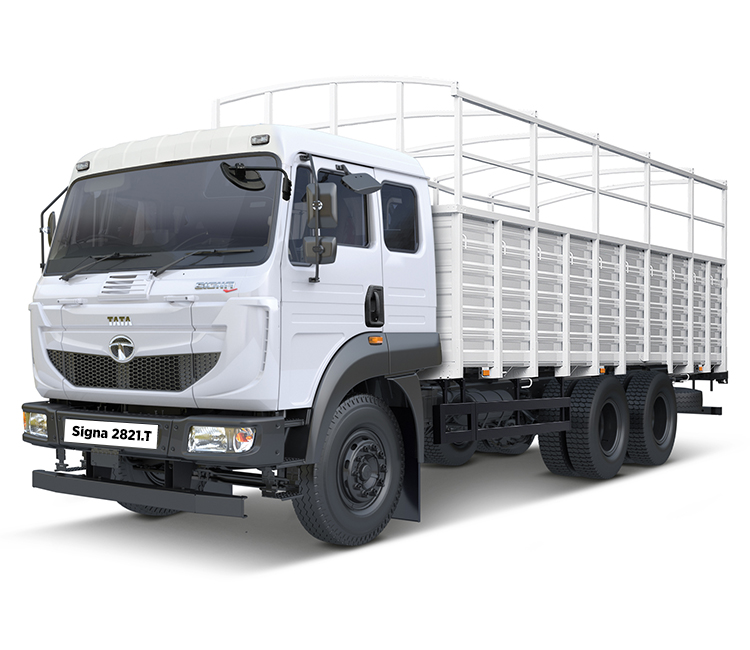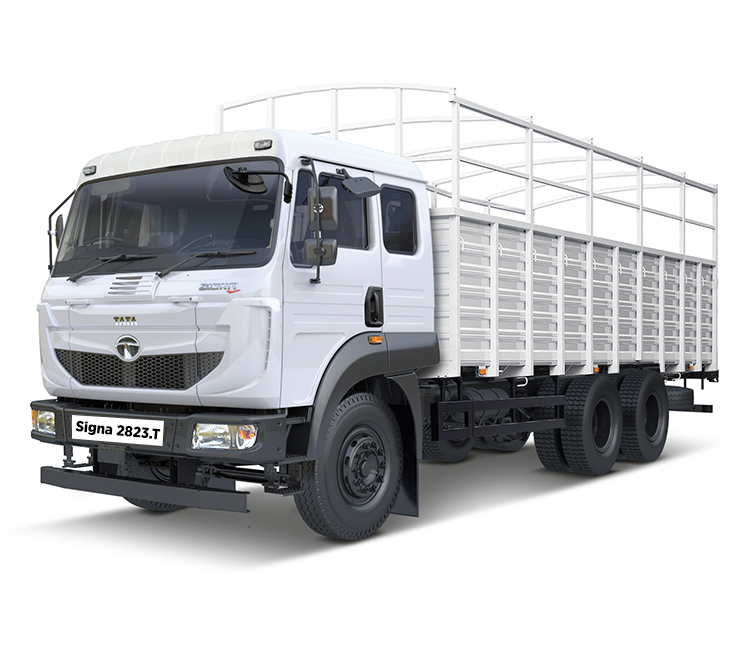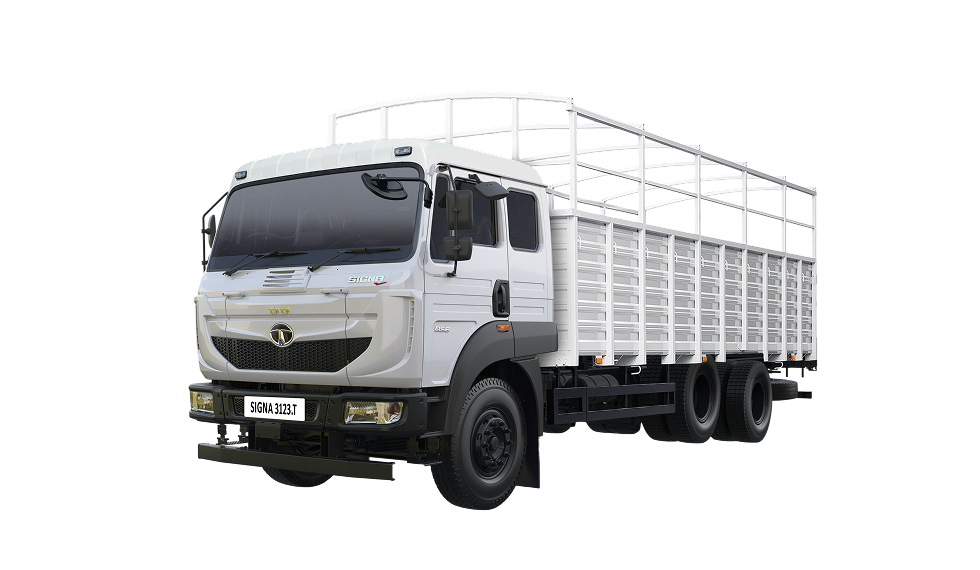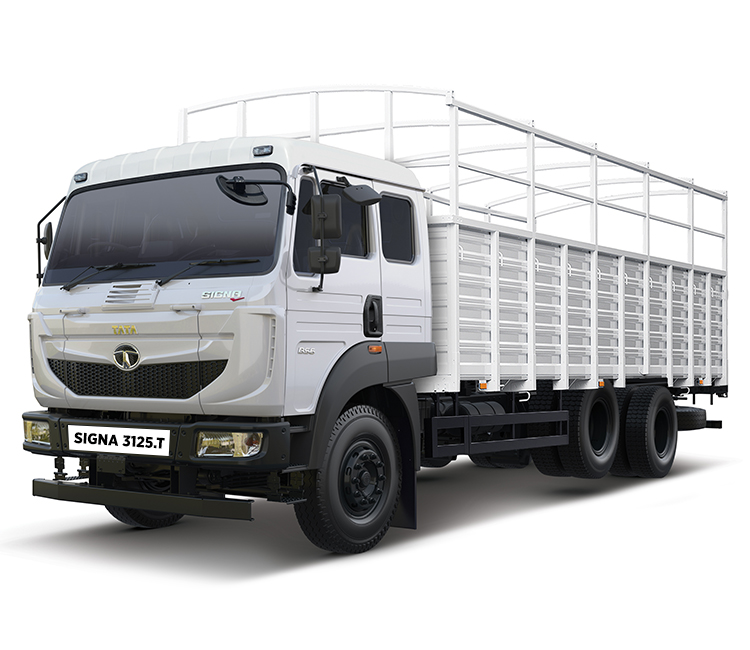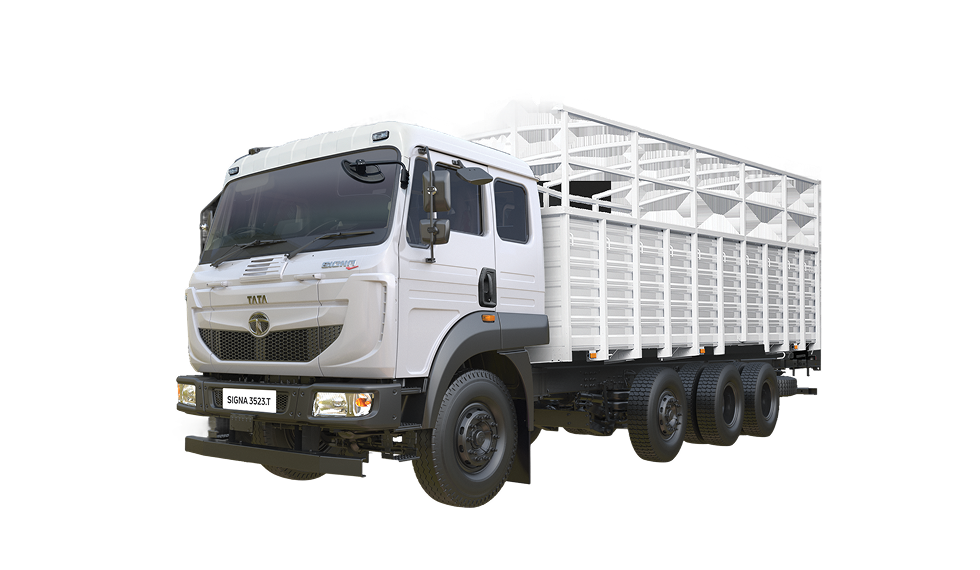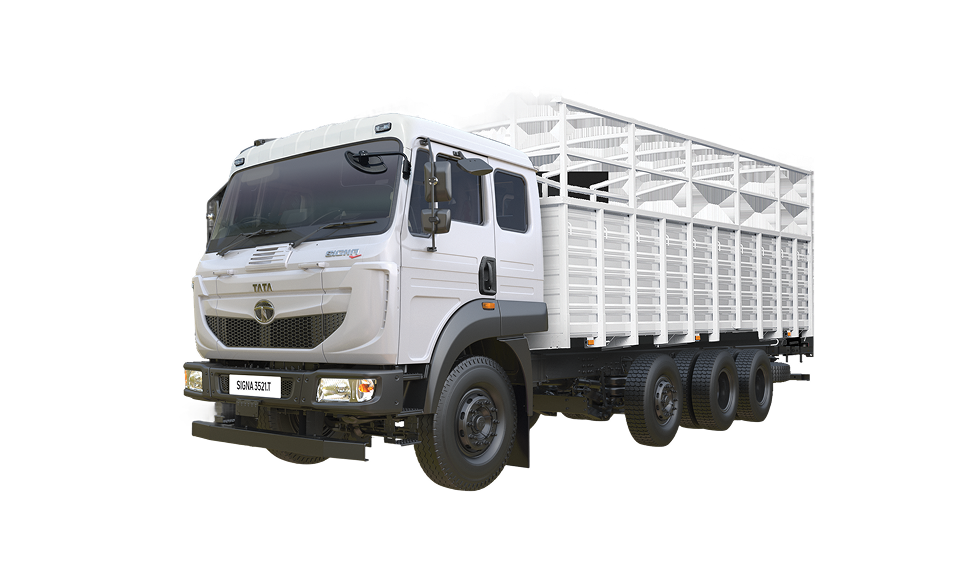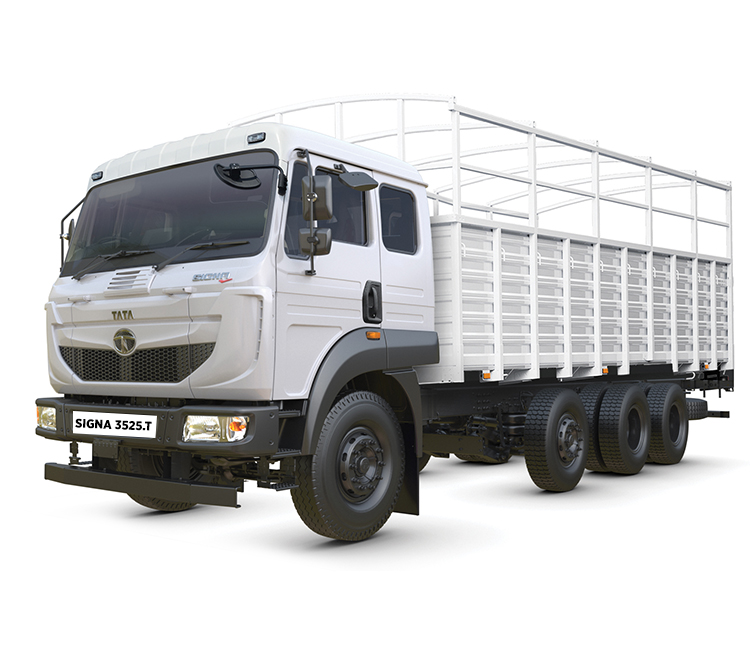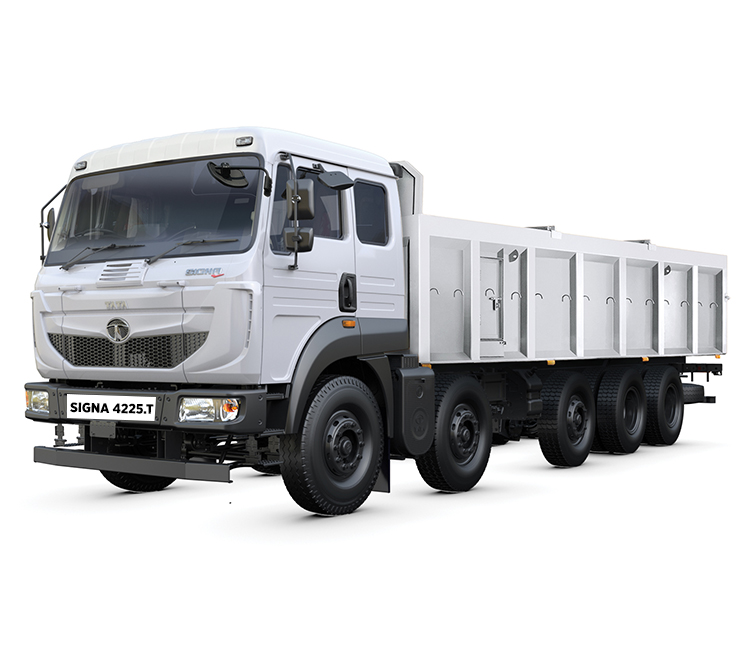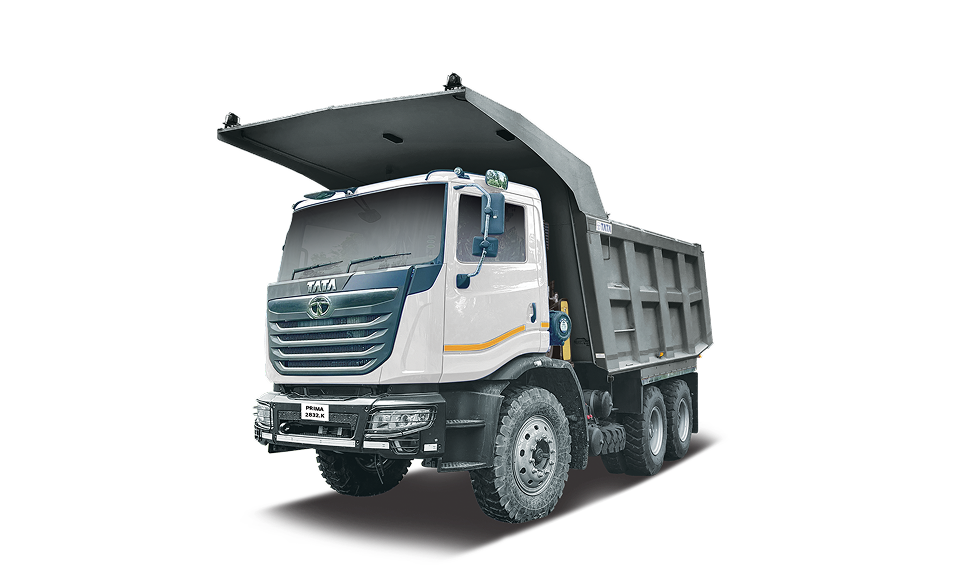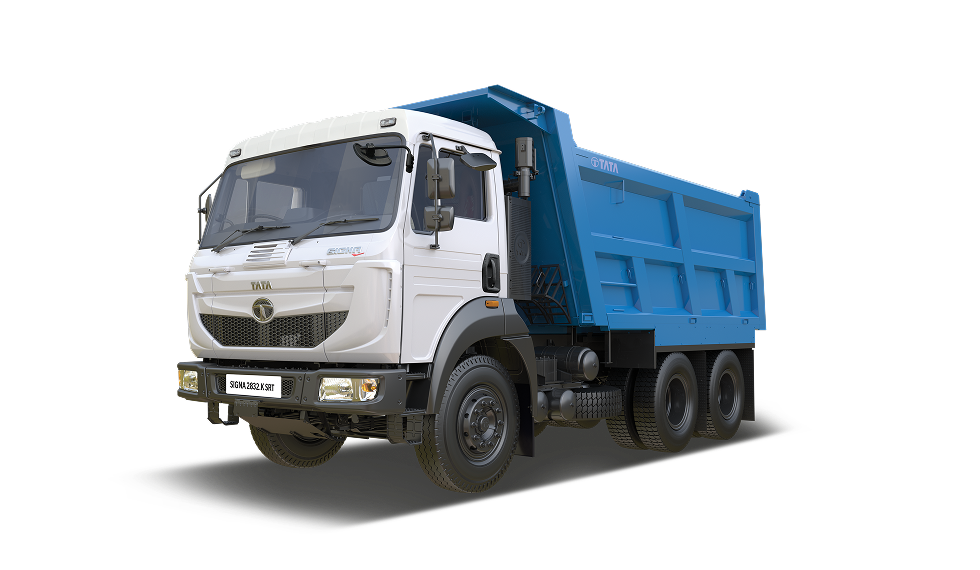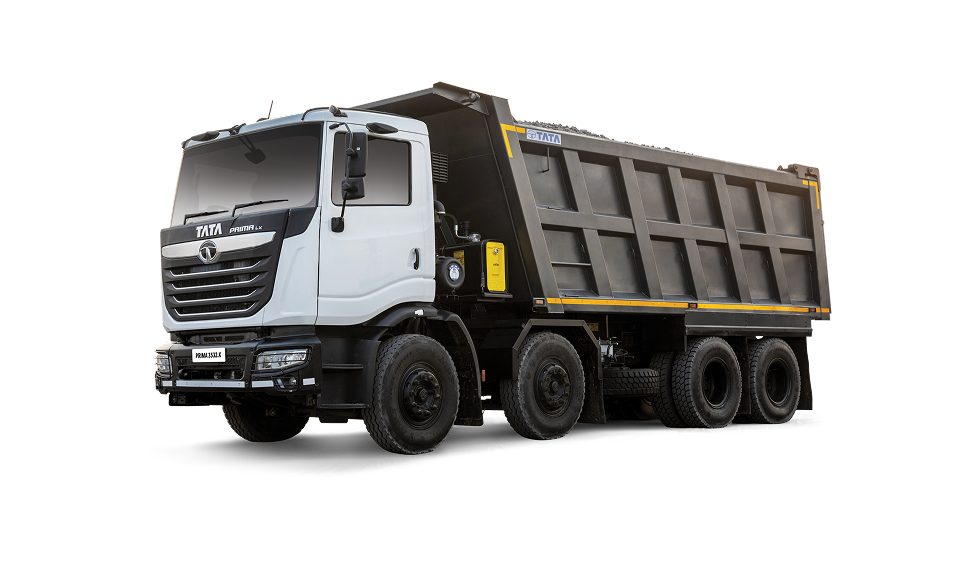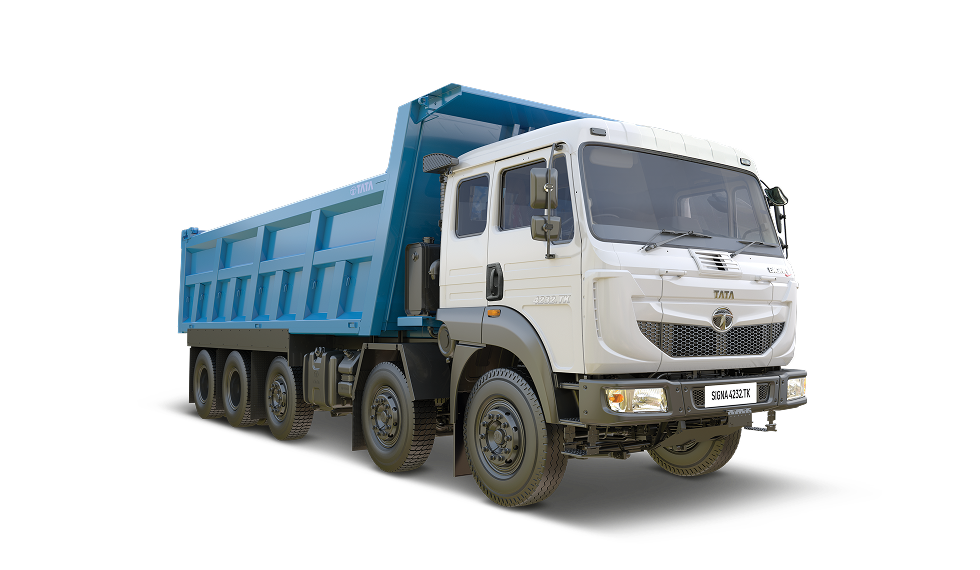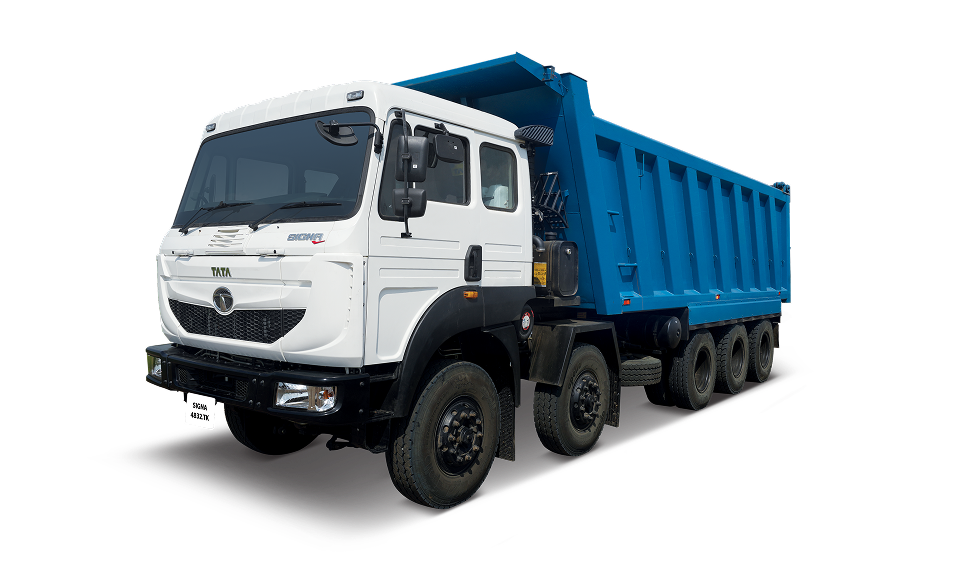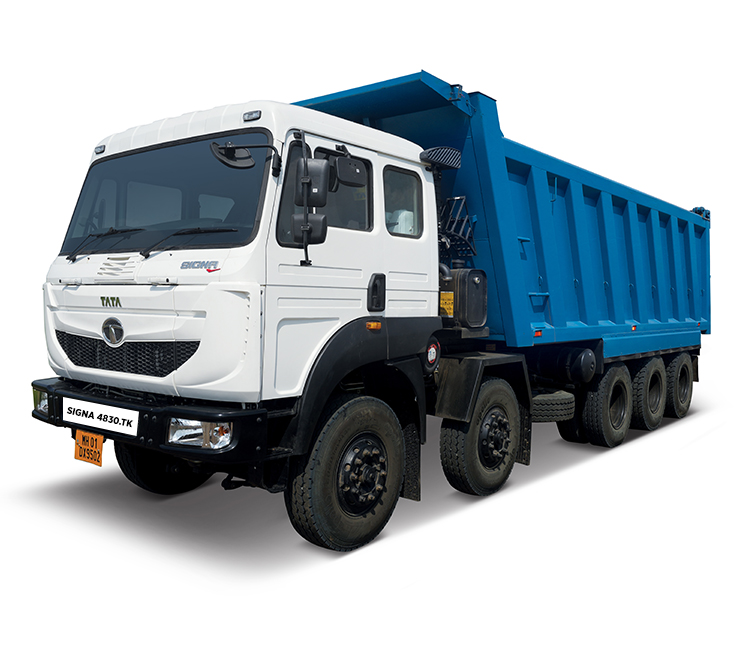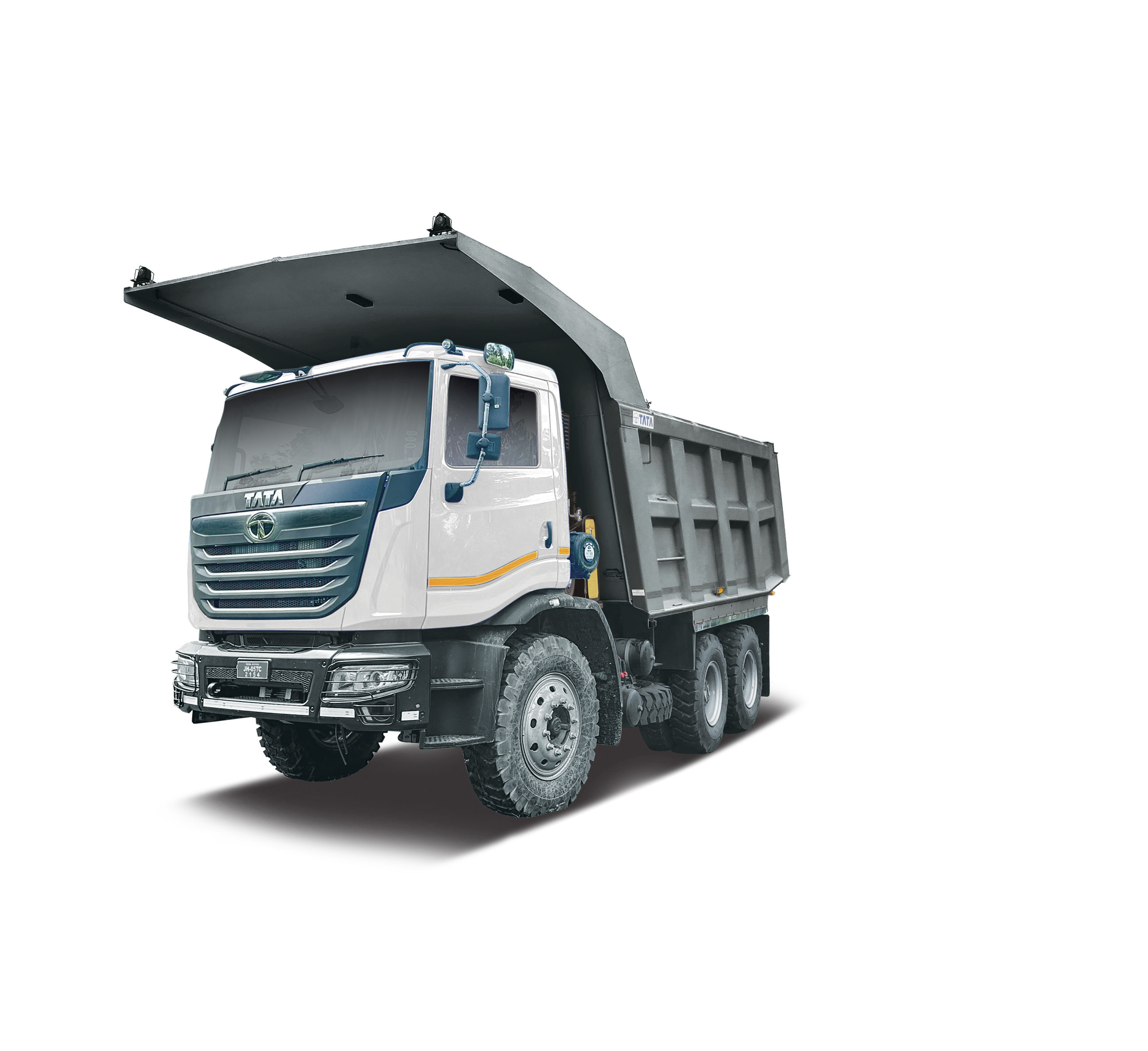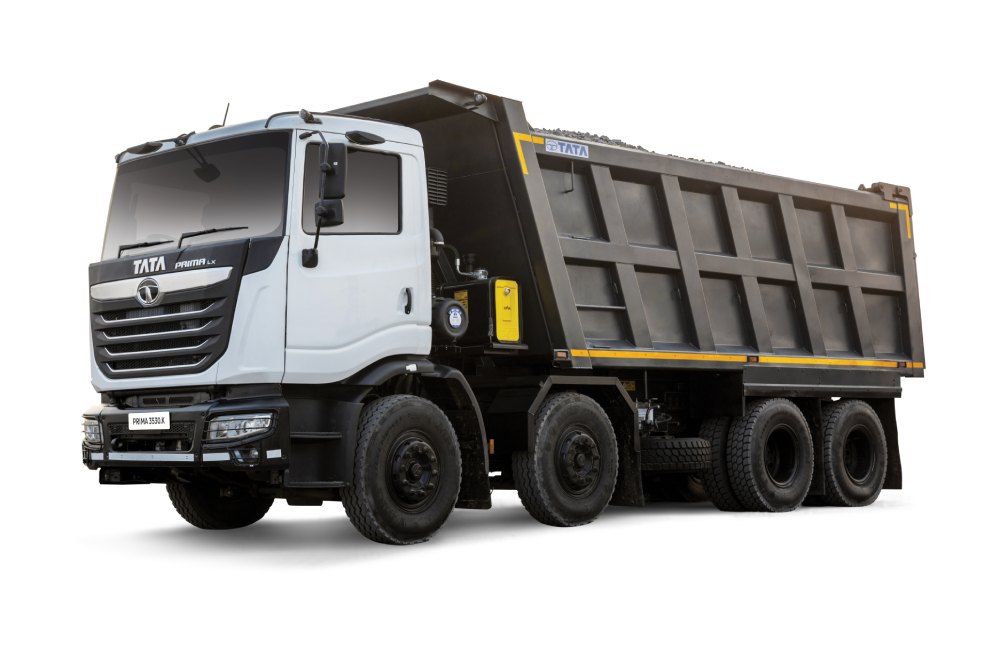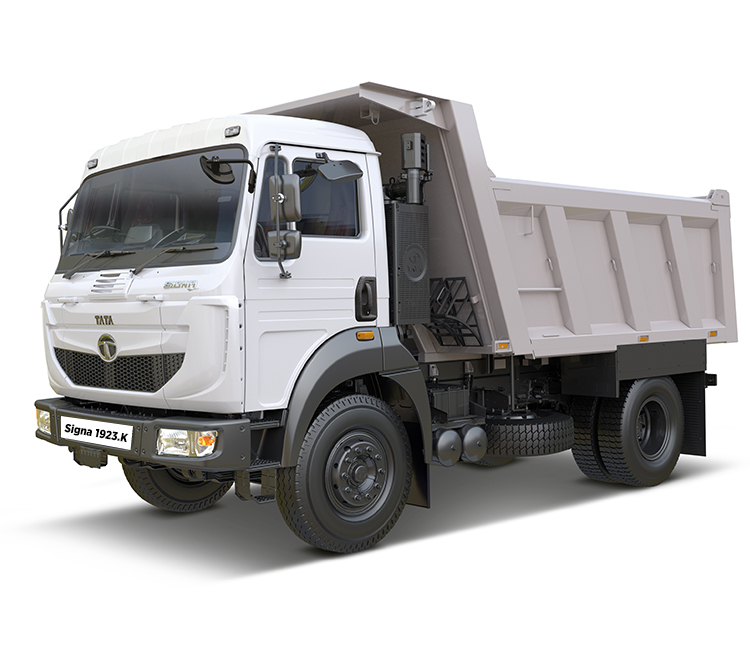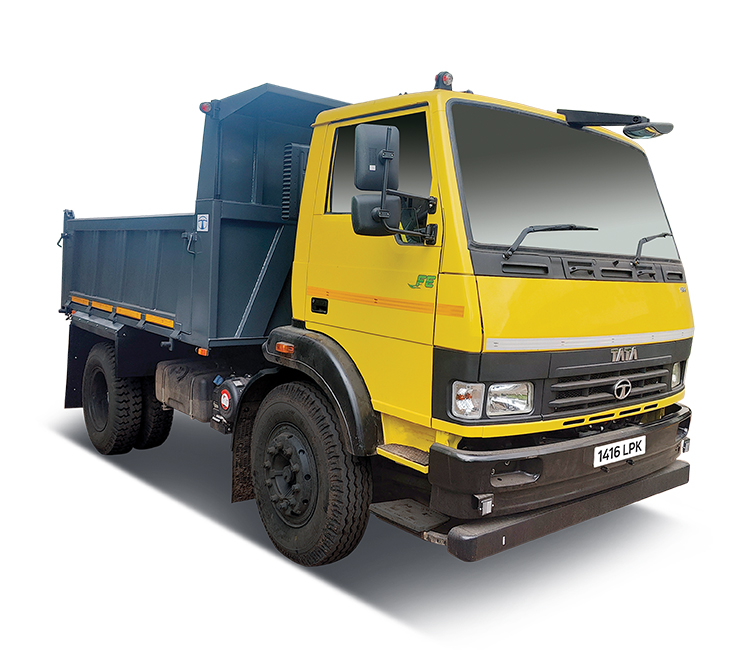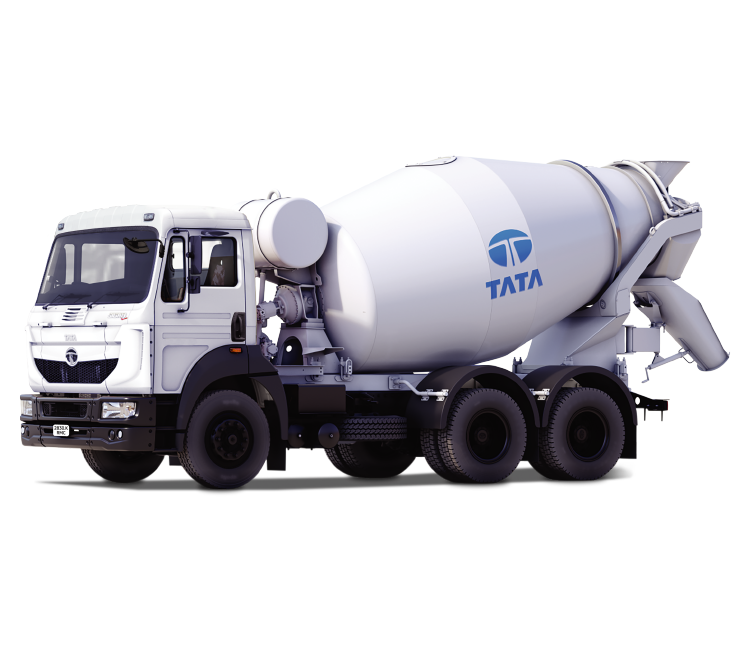
As LNG-powered trucks gain traction on Indian highways, one question dominates every fleet conversation: are they as safe and compliant as conventional diesel vehicles? Tata Motors has built its LNG truck range around a strict safety-first philosophy, combining global engineering standards with India-specific regulations and operating conditions.
Safety by Design: Platform, Brakes and Stability
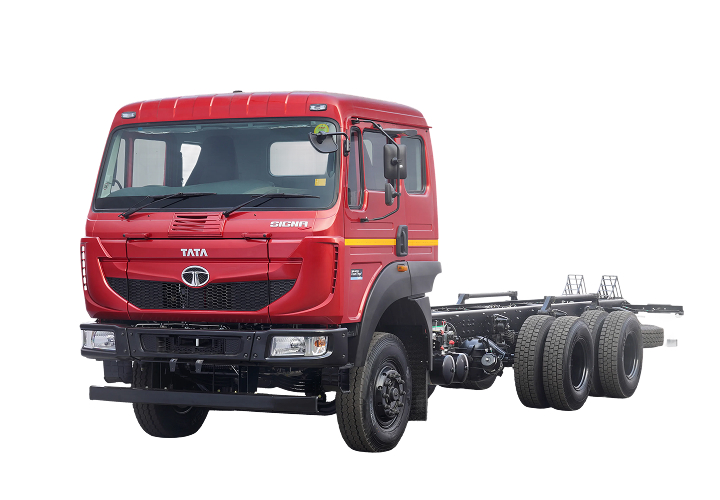
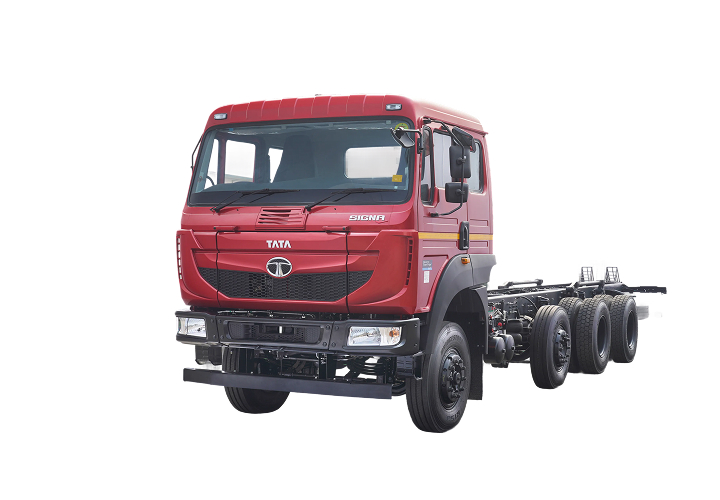
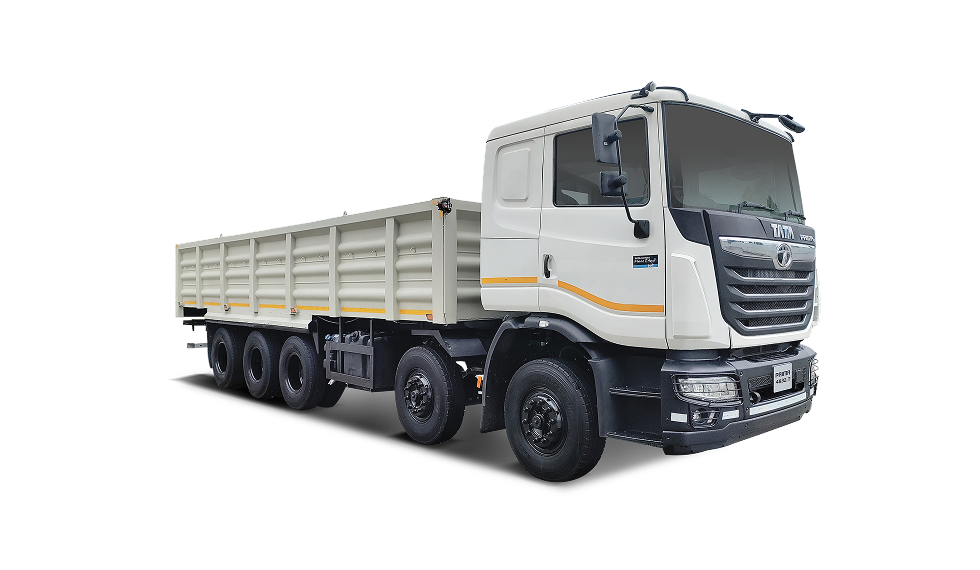
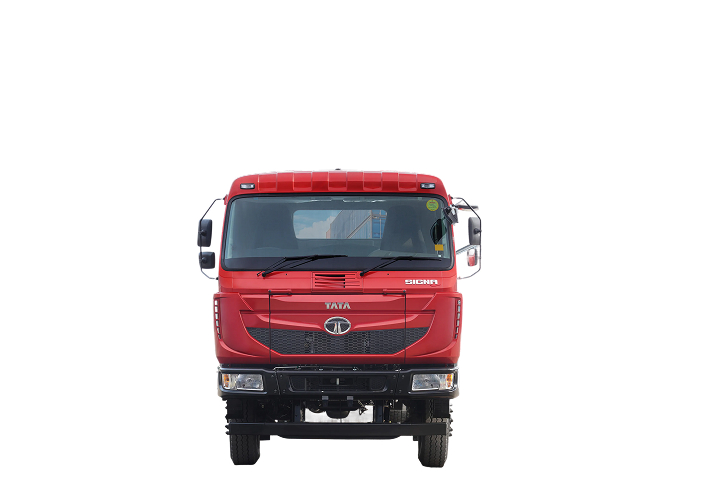
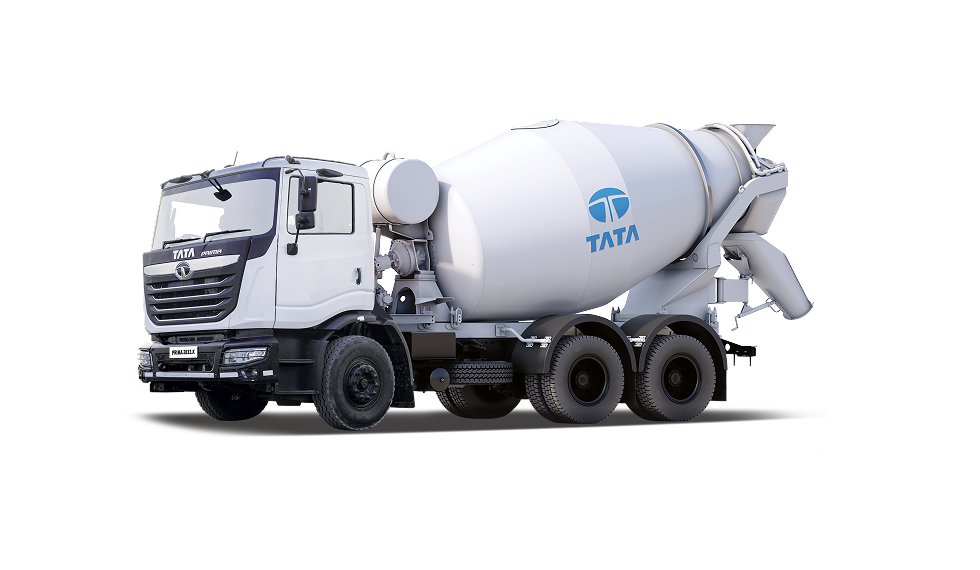
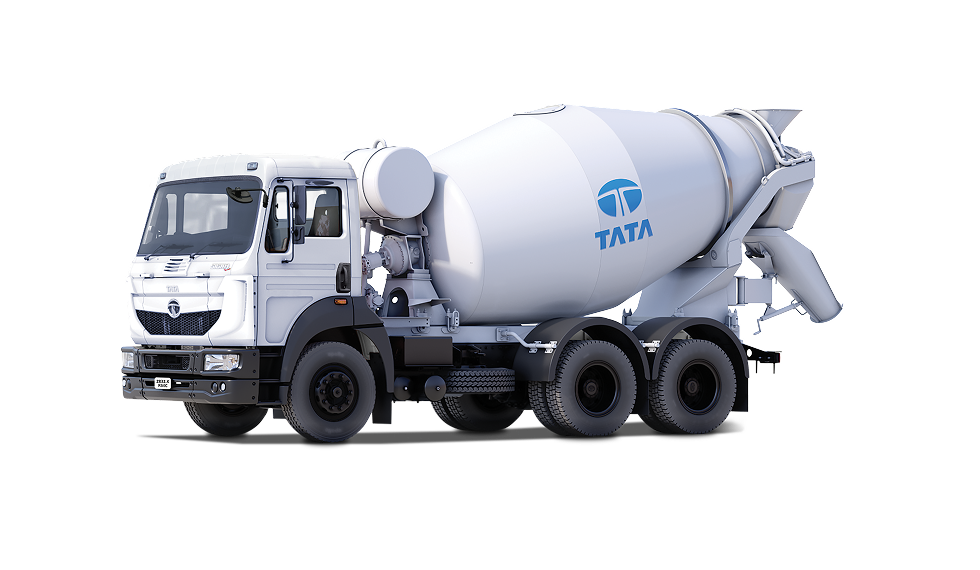
Tata’s LNG trucks sit on proven Prima and Ultra platforms engineered for high structural integrity and predictable handling under load. The chassis, suspension and braking systems are tuned to handle heavy gross combinations while keeping the driver in control.
Core hardware safety elements include:
- Anti-lock Braking System (ABS) across key models to prevent wheel lock-up and skidding during emergency braking.
- Strong frame and cabin structure designed to absorb impact loads and protect occupants in case of collisions.
- Stabilizer bars and optimised suspension geometry to improve stability on uneven highways and under dynamic load shifts.
These fundamentals ensure that the LNG powertrain is built into a truck that is mechanically safe and predictable even before you consider fuel-specific systems.
Advanced Driver Assistance and Active Safety
On the premium Prima LNG trucks, Tata Motors layers electronic safety systems on top of mechanical robustness to reduce human-error-related incidents.
Key ADAS and active safety technologies offered on select models include:
- Collision Mitigation System (CMS) to warn the driver and, in some cases, help reduce impact severity if a crash is imminent.
- Lane Departure Warning System (LDWS) to alert drivers drifting out of their lane, especially useful on long night hauls.
- Electronic Stability Control (ESC) to help prevent rollovers and loss of control in sudden manoeuvres or on slippery surfaces.
- Driver Monitoring System (DMS) and Tyre Pressure Monitoring System (TPMS) to detect drowsiness and unsafe tyre conditions early.
By integrating these systems into LNG tractors used for long-haul and high-speed operations, Tata directly targets the most common accident triggers: fatigue, distraction and sudden hazards.
LNG System Safety: Tanks, Refuelling and Thermal Protection
LNG brings its own safety demands, and Tata addresses them through rigorous engineering around the cryogenic tanks and gas supply system.
Typical measures around the LNG system include:
- Vacuum-insulated cryogenic tanks with robust mounting and shielding to protect against impacts and external damage.
- Multiple valves and pressure relief devices to manage over‑pressure situations and safely vent gas when required, in line with established gas-handling codes.
- Micro-switch–based interlocks that ensure the vehicle remains switched off during refuelling, reducing the risk of ignition.
- Thermal incident protection features around the fuel system to minimise risk in case of external fire or extreme heat exposure.
Together, these design choices ensure that LNG is stored, handled and delivered to the engine under tightly controlled conditions, compliant with applicable gas safety norms.
Compliance, Standards and the ‘Zero Harm’ Culture
Tata Motors embeds safety and compliance into its organisational processes, aiming for a “Zero Harm” culture across plants and products.
Important aspects of this approach include:
- Implementation of safety standards developed in association with DuPont, with a structured focus on identifying and controlling “Critical to Safety” stations in manufacturing.
- Systematic risk assessment, mitigation and governance mechanisms that have helped reduce injuries even as operations scale.
- Systematic risk assessment, mitigation and governance mechanisms that have helped reduce injuries even as operations scale.
This culture-level focus supports consistent compliance with Indian CMVR and other regulatory frameworks across the LNG truck line-up.
Ecosystem Safety: Partnerships, Corridors and Training
Tata recognises that LNG truck safety extends beyond the vehicle, into fuel infrastructure and driver behaviour.
Some ecosystem-level initiatives include:
- Collaborations with LNG suppliers such as THINK Gas to build trucking corridors where safety standards for fuel quality, storage and dispensing are clearly defined and enforced.
- Deployment of LNG-based trailers with industrial customers like Tata Steel, aligning logistics operations with sustainability and safety objectives, and creating controlled environments to refine best practices.
- Continuous driver training and awareness programmes around handling alternate fuels, safe refuelling practices and leveraging ADAS features effectively.
For fleet operators, this means that when they choose Tata’s LNG trucks, they are plugging into a broader, safety-conscious ecosystem rather than adopting an isolated new technology.