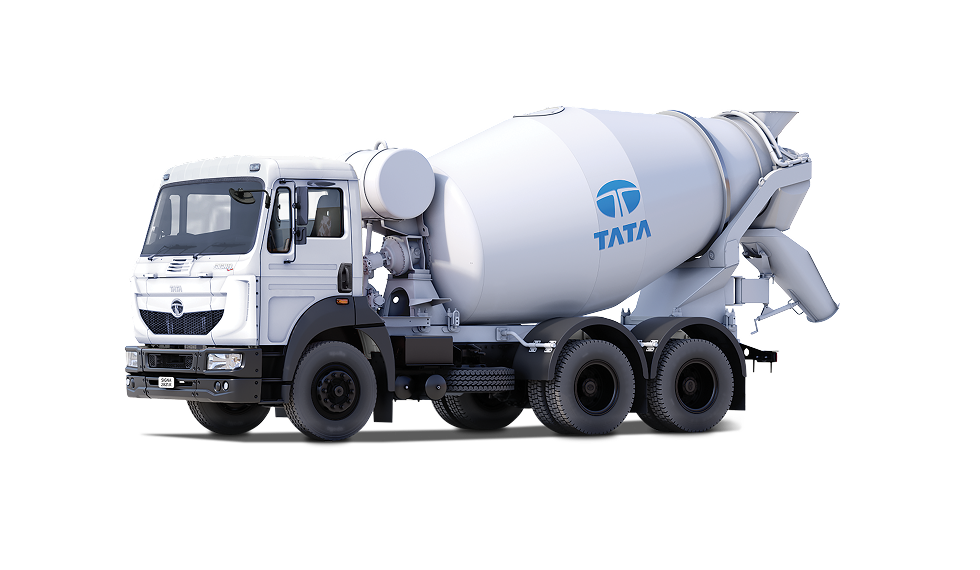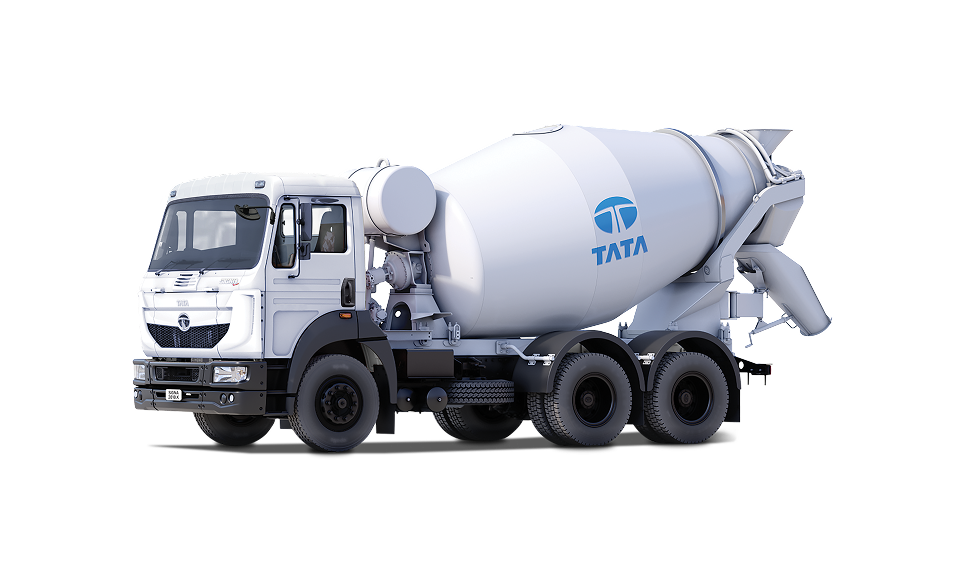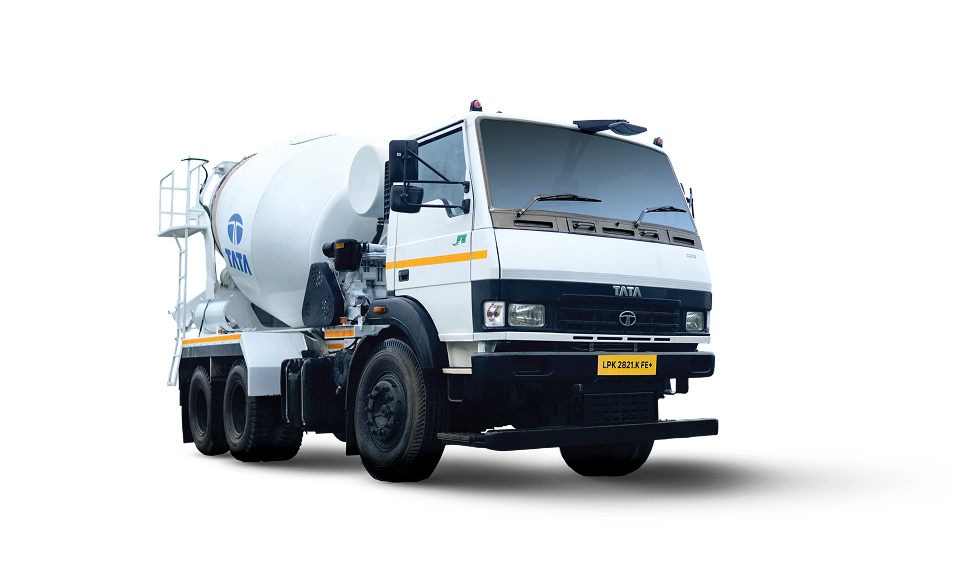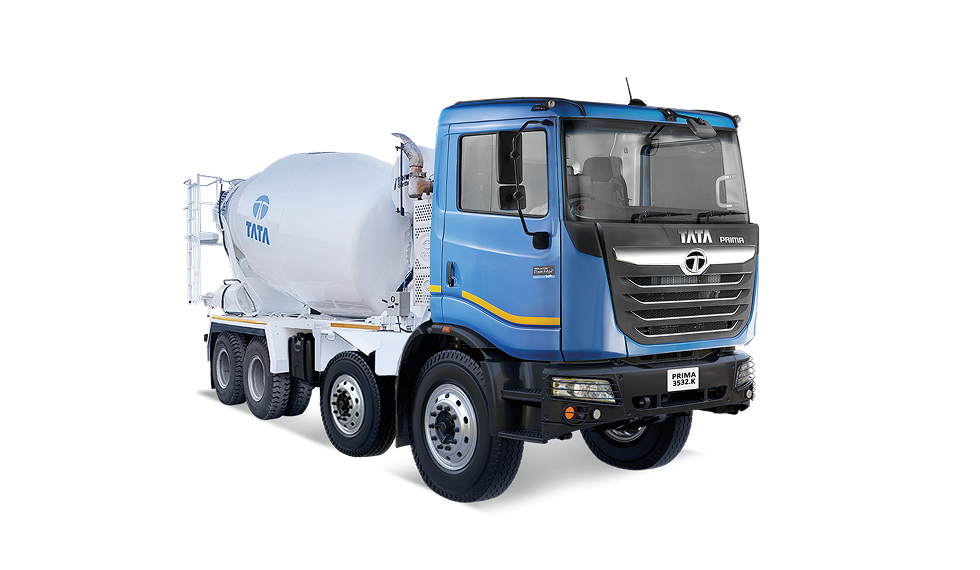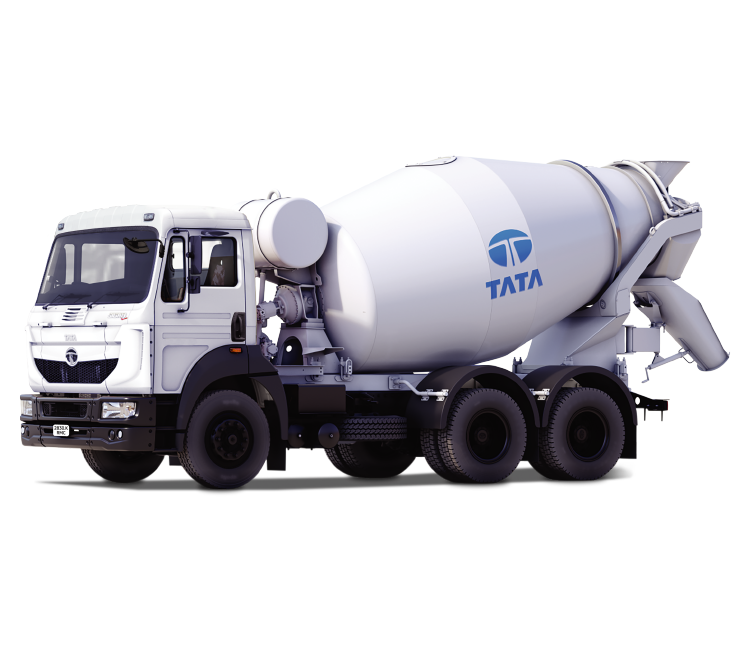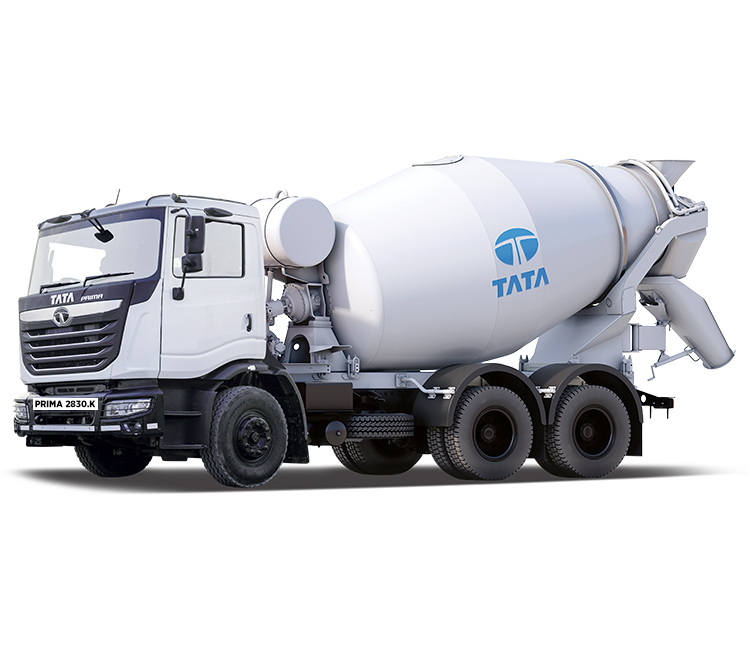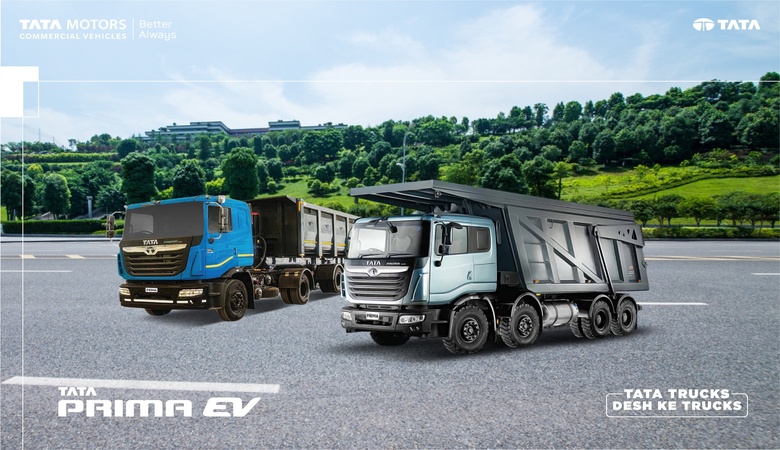
As India's cement industry races toward its sustainability targets, the decarbonisation of logistics has emerged as a critical frontier. The concept of a "green cement supply chain" extends beyond cleaner production methods to encompass the entire value chain, from raw material procurement to finished product delivery. With logistics accounting for 30-35% of total cement manufacturing costs and contributing approximately 1.5% of total CO2 equivalent emissions for cement manufacturers, the shift to cleaner transportation fuels represents both an environmental imperative and an economic opportunity. Liquefied Natural Gas vehicles have positioned themselves as the most viable solution for decarbonising this hard-to-abate segment of cement operations.
Understanding the Green Cement Supply Chain
A green cement supply chain integrates sustainable practices across every stage of production and distribution. India's cement industry, the world's second-largest producer, accounts for 6% of the nation's greenhouse gas emissions. The sector has made significant strides in reducing the clinker-to-cement ratio through supplementary cementitious materials like fly ash and slag, adopting alternative fuels, and improving energy efficiency. However, the logistics component, involving millions of truck movements annually for both inbound raw materials (coal, limestone, gypsum) and outbound finished cement, has remained heavily diesel-dependent. Transportation can add up to 35% to the total cement cost, with each cement bag travelling an average of 300 km before consumption. This creates a substantial emissions footprint that threatens to undermine production-side sustainability gains.
Benefits of Integrating LNG into Green Cement Supply Chains
LNG trucks deliver transformative environmental and operational benefits to cement logistics. These vehicles reduce CO2 emissions by approximately 28-30% compared to conventional diesel trucks, translating to an annual reduction of ~24 tonnes of CO2 per truck. More critically, LNG trucks completely eliminate sulphur oxides (100% reduction), slash nitrogen oxide emissions by 59%, and reduce particulate matter by 91%. For a cement plant with daily production capacity of 10,000 tonnes requiring approximately 250 truck trips for dispatch operations, the cumulative emissions reduction is substantial. Beyond environmental gains, LNG offers economic advantages through fuel cost savings and operational efficiency. The extended range capability of LNG trucks, exceeding 1,000 km with dual tank configurations, makes them ideal for covering the 50-600 km ranges typical of cement inbound and outbound logistics. Additionally, rail transport of bulk cement generates approximately 75% less carbon emissions compared to road transport, making LNG trucks an optimal bridge solution for the last-mile connectivity that railways cannot provide.
Tata Motors' LNG Range: Accelerating Green Cement Supply Chains
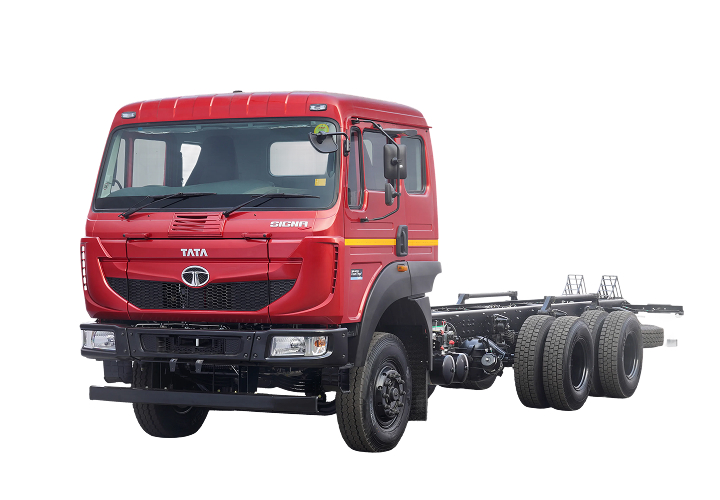
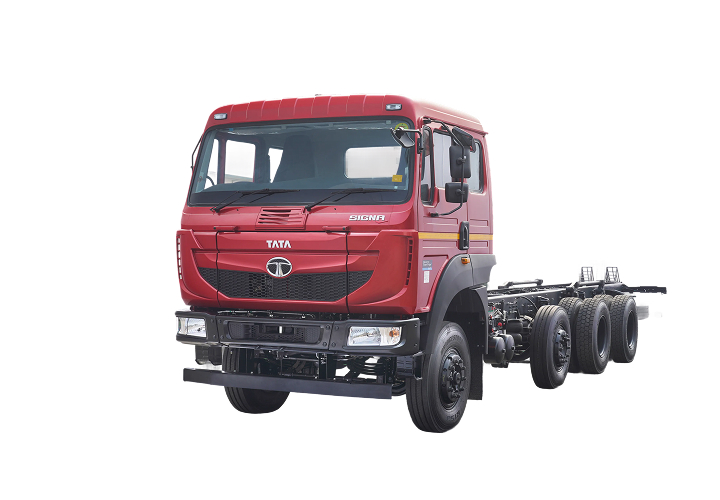
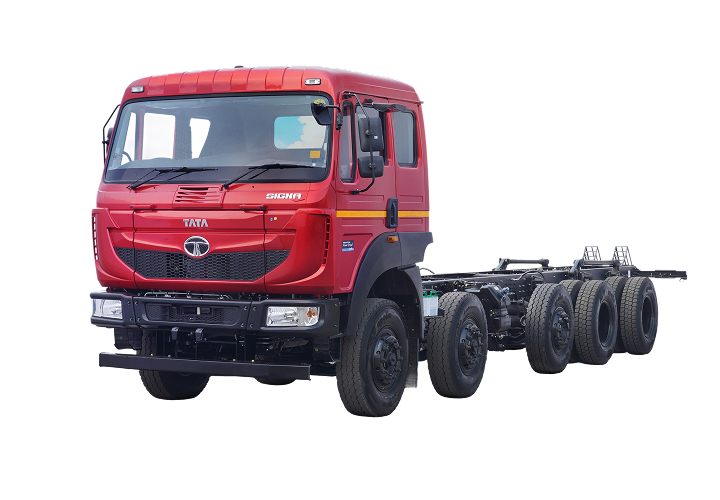
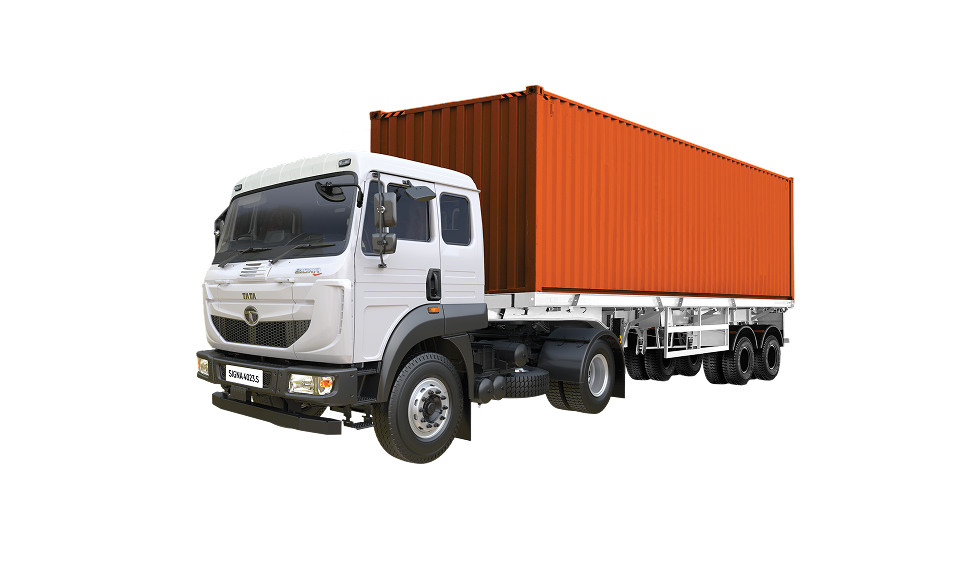
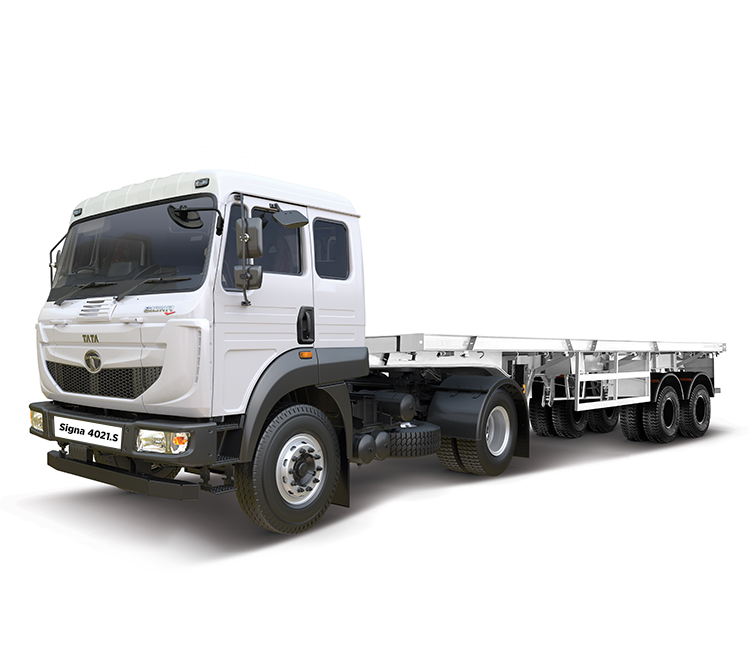
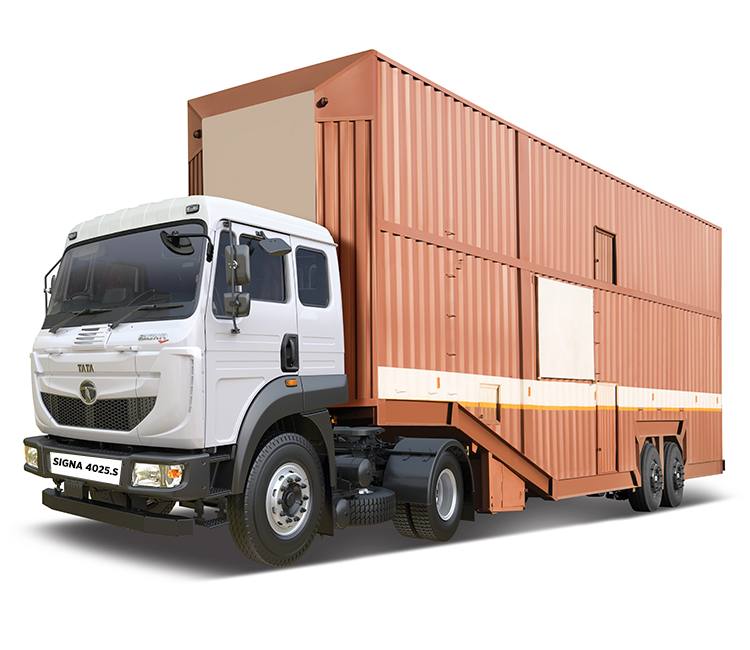
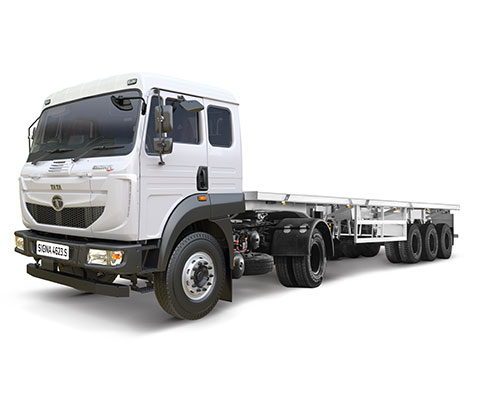
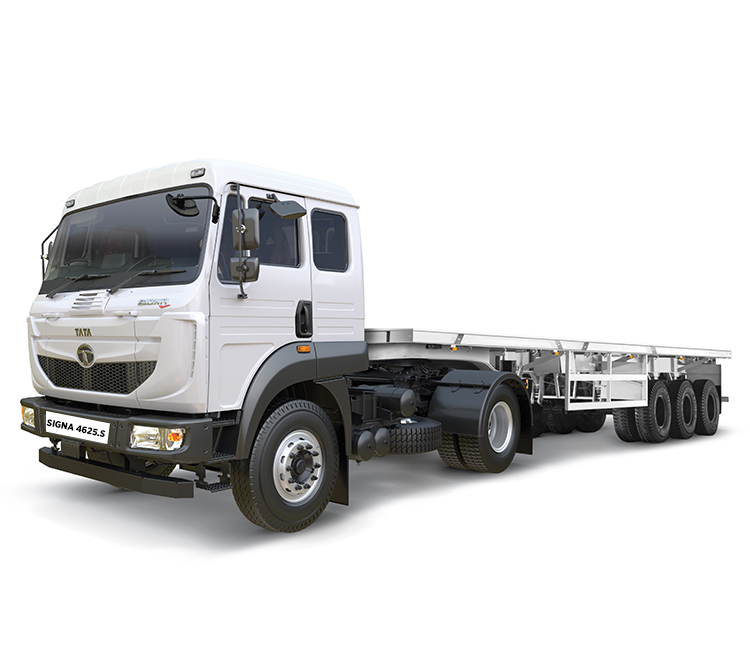
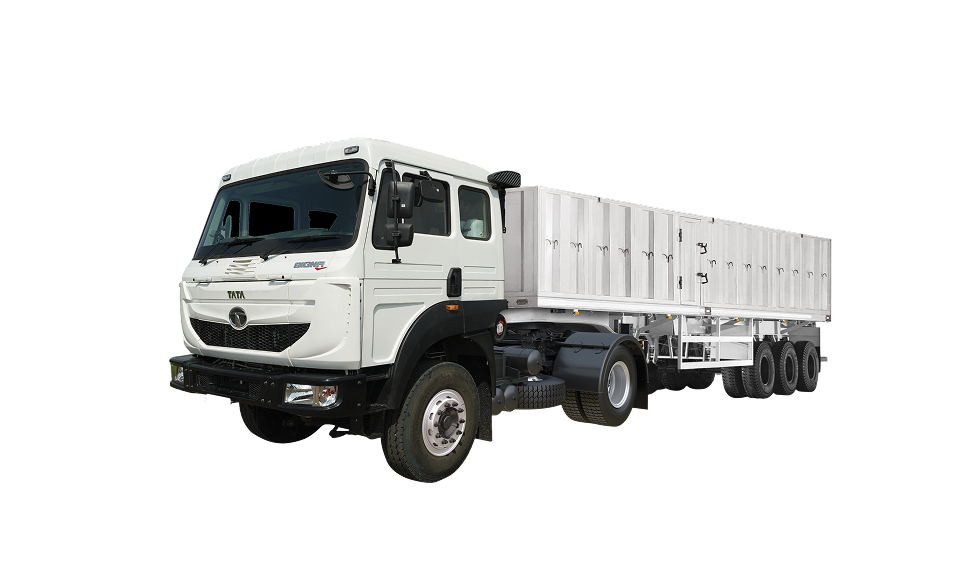
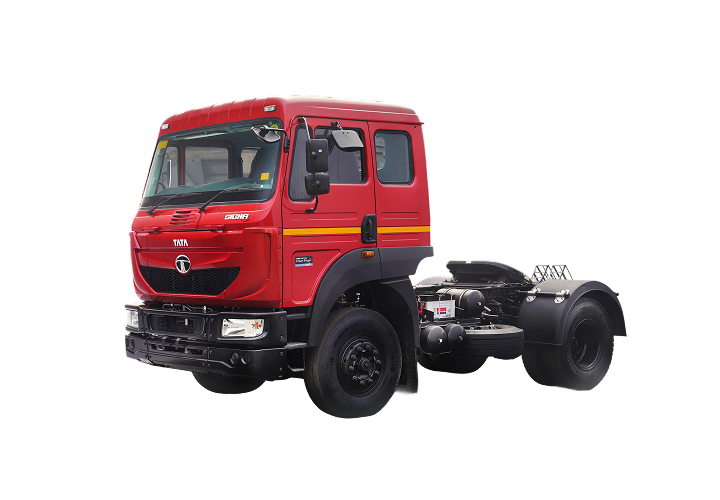
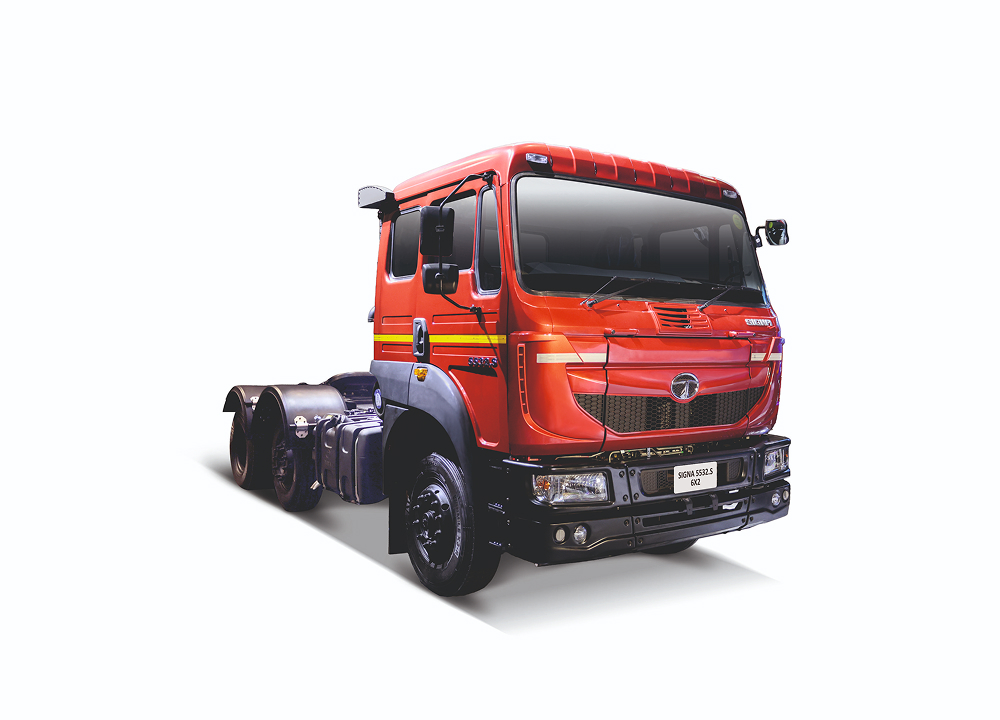
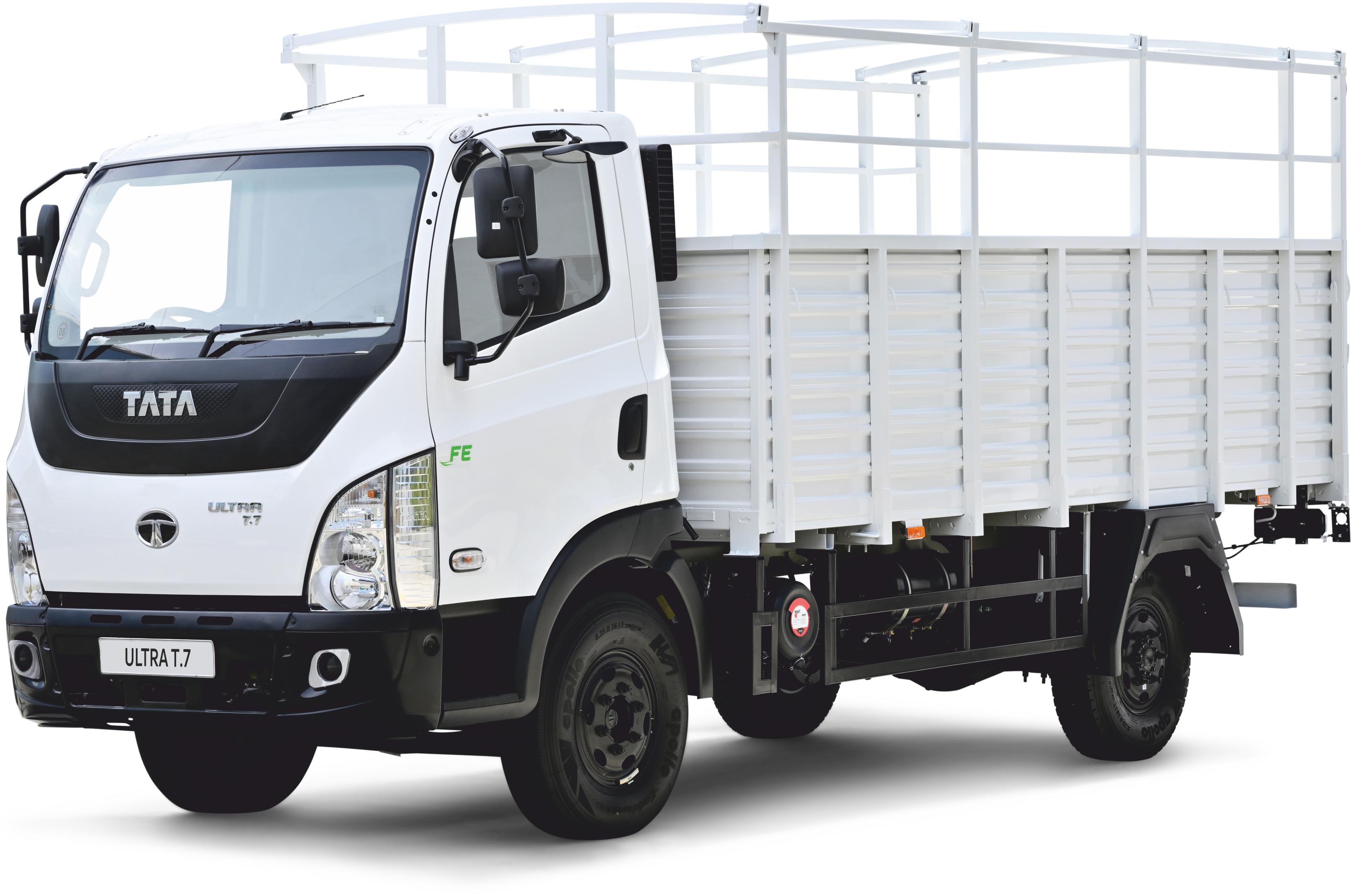
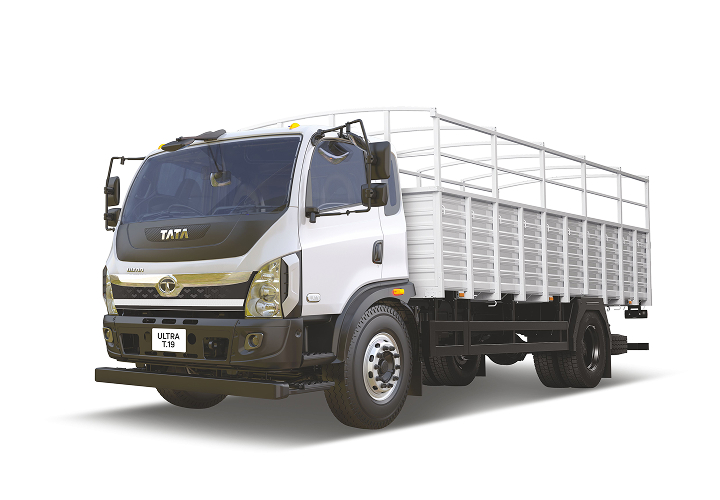
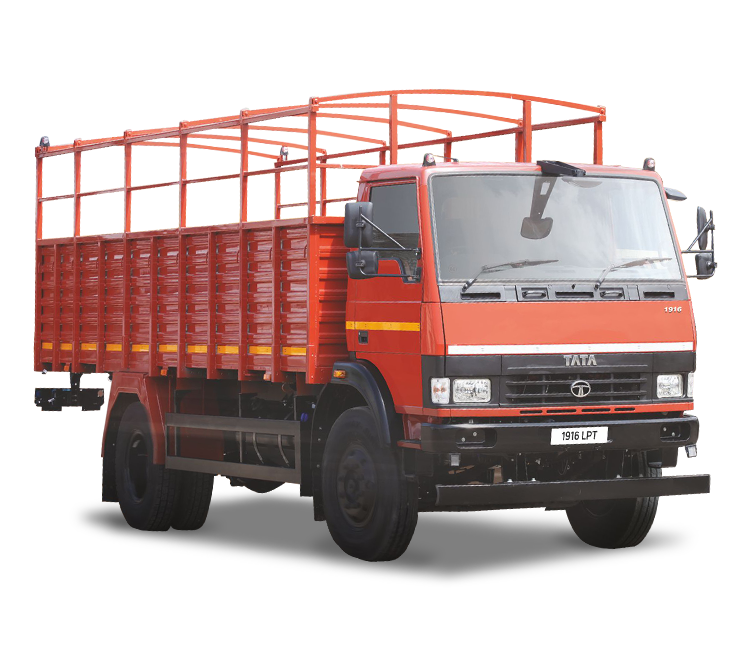
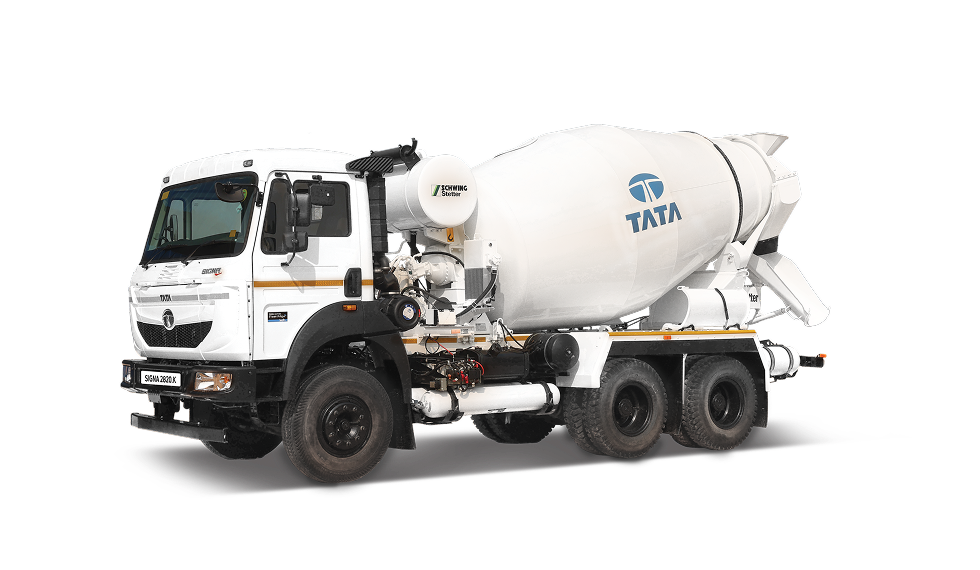
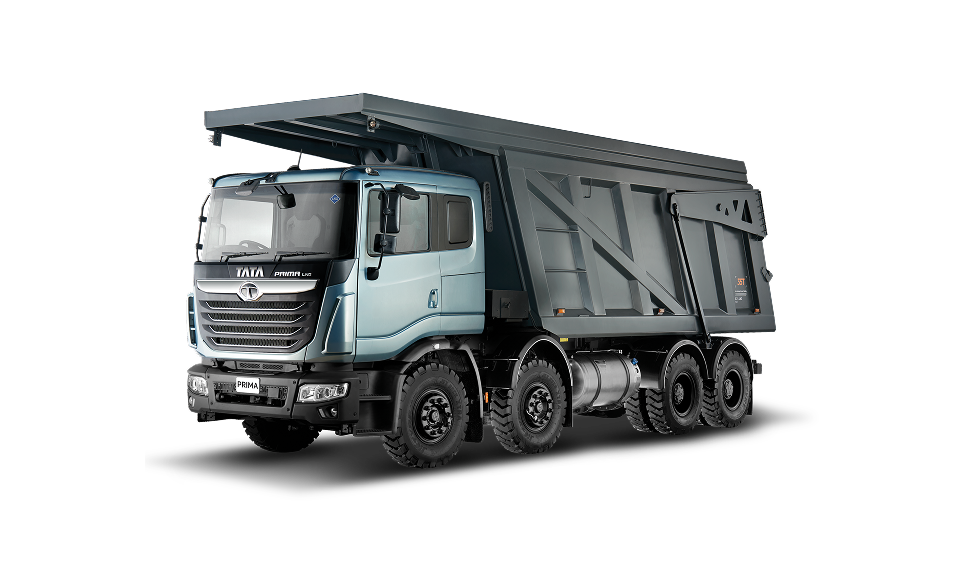
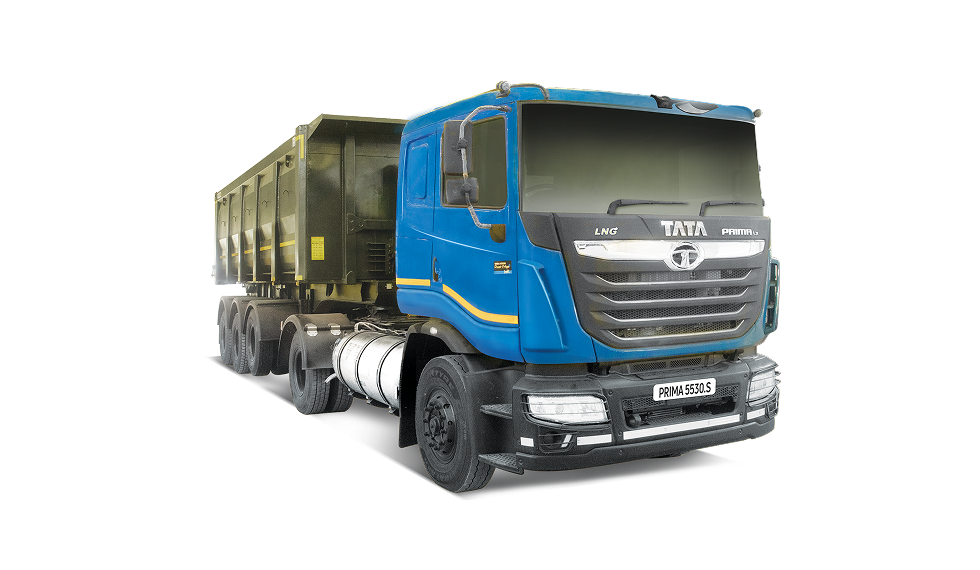
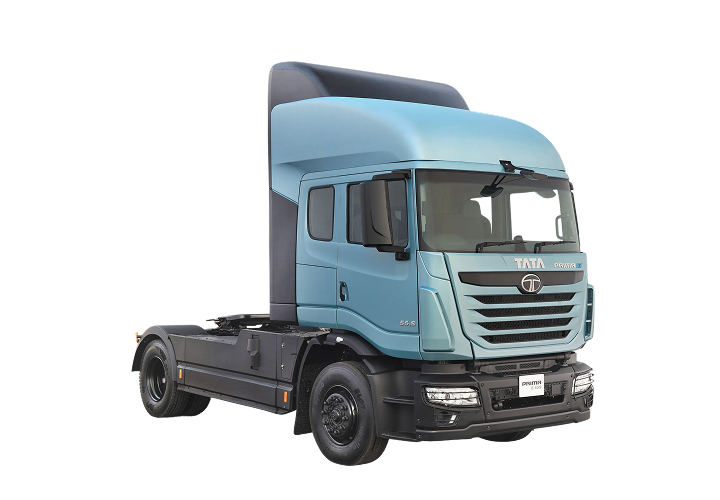
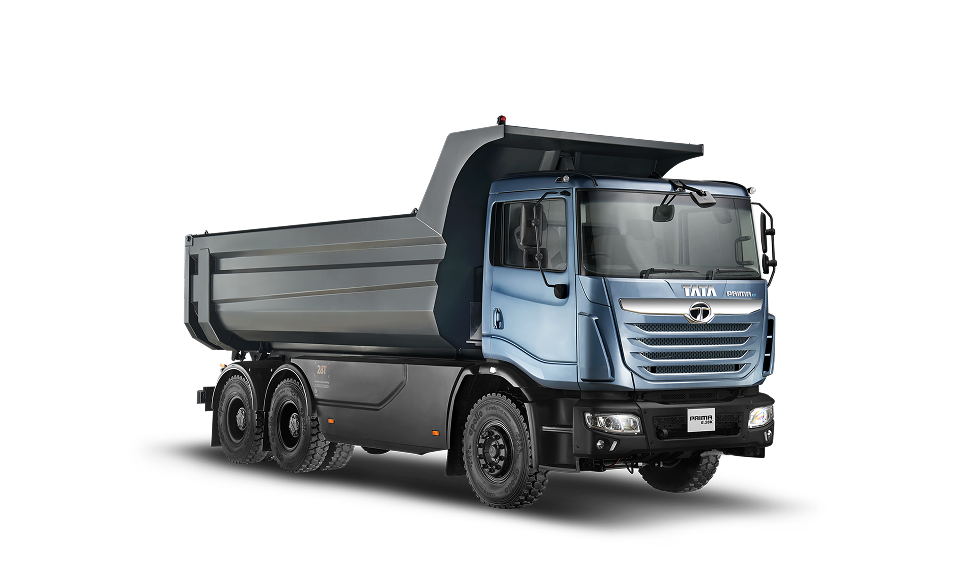
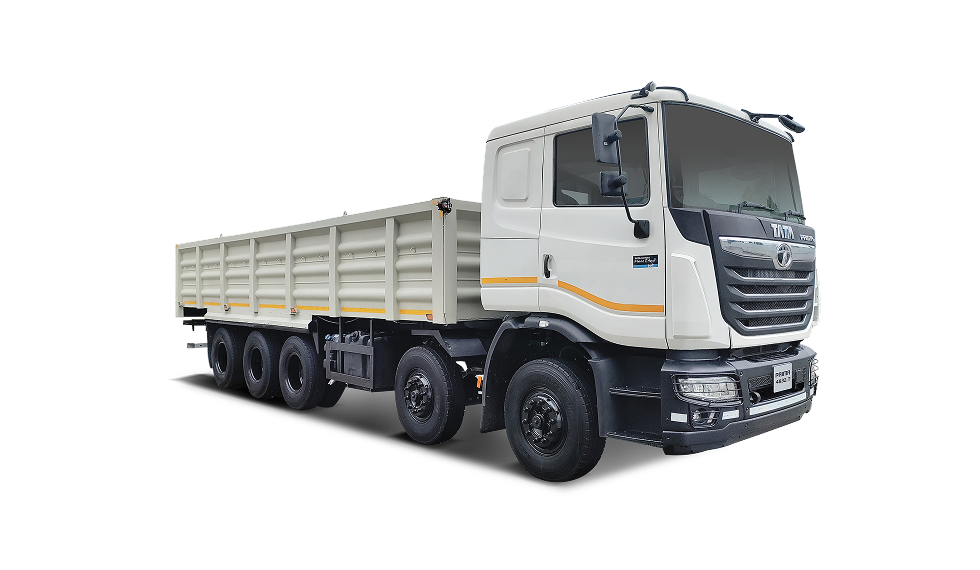
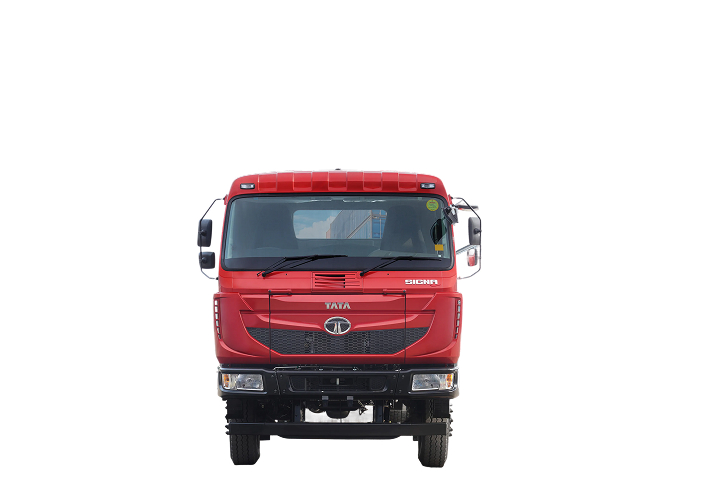
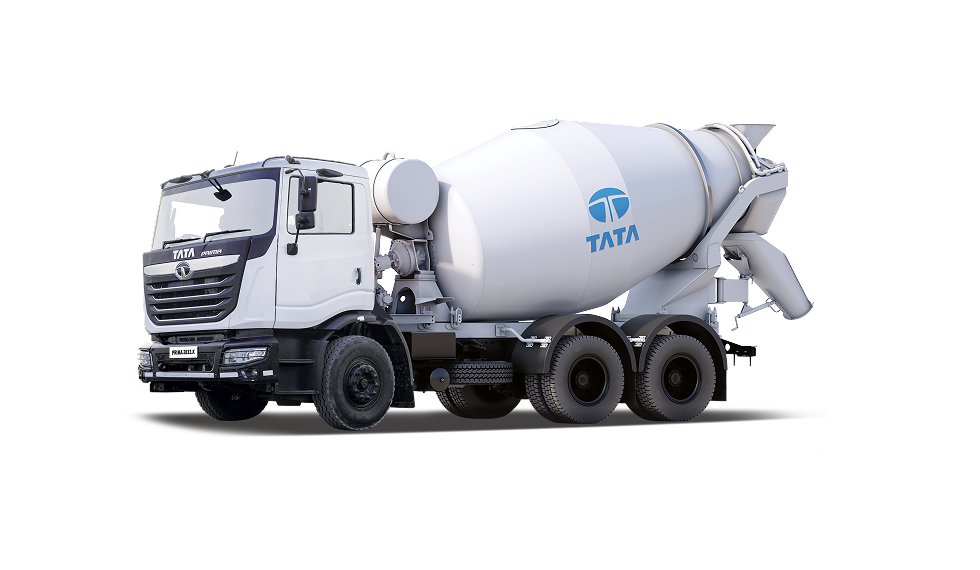
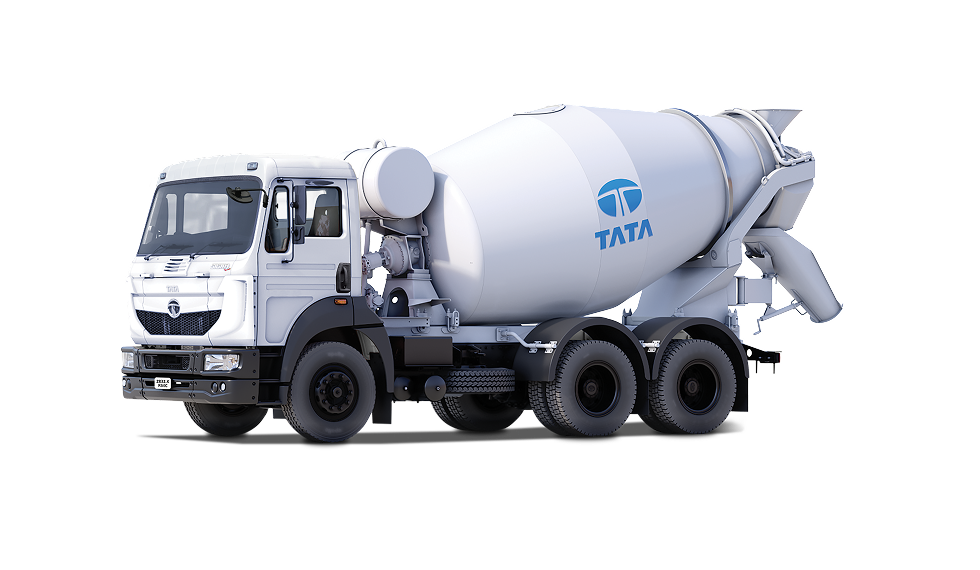
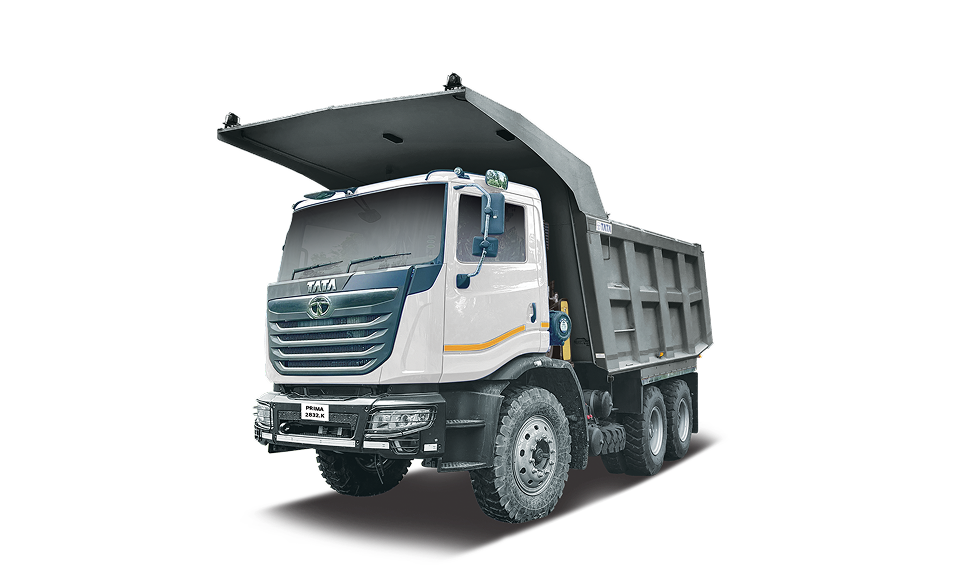
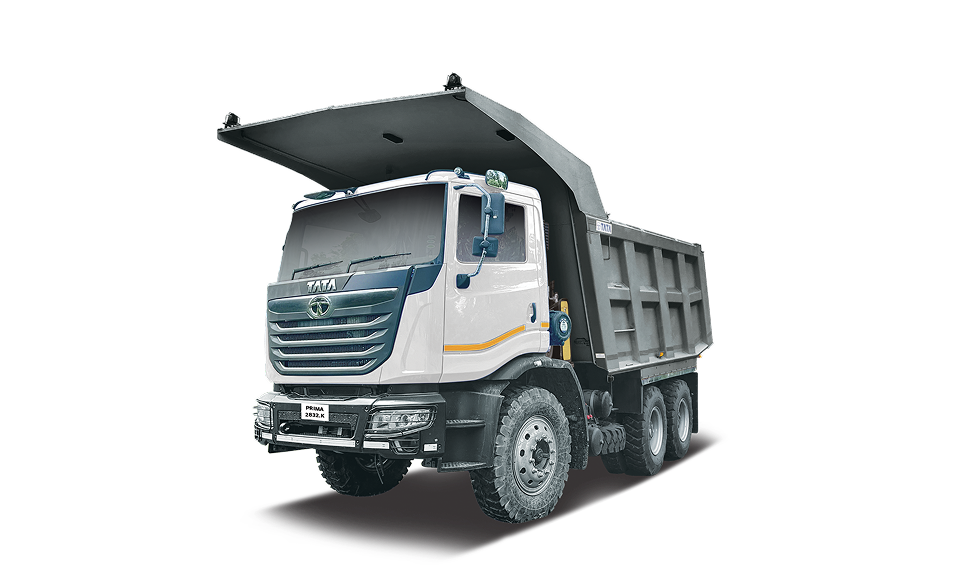
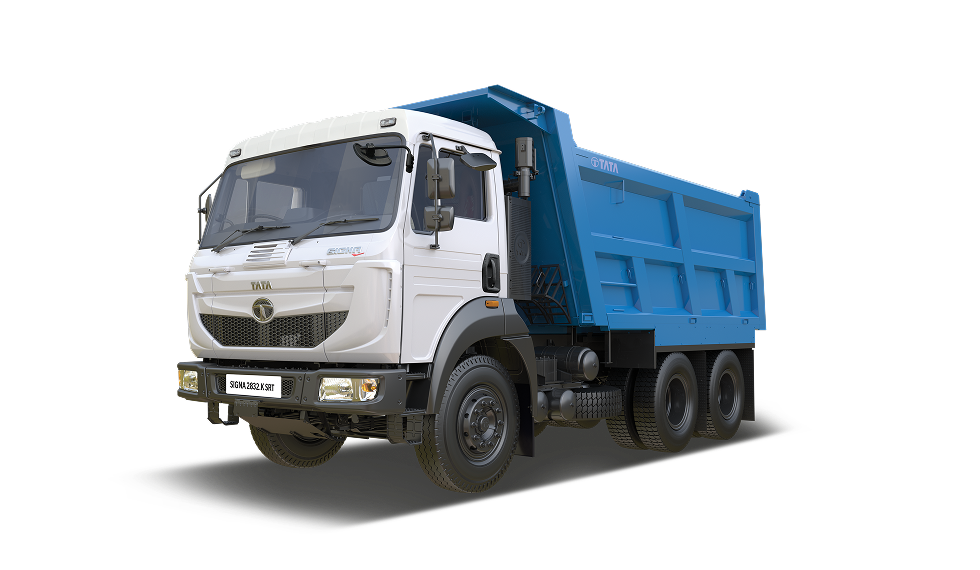
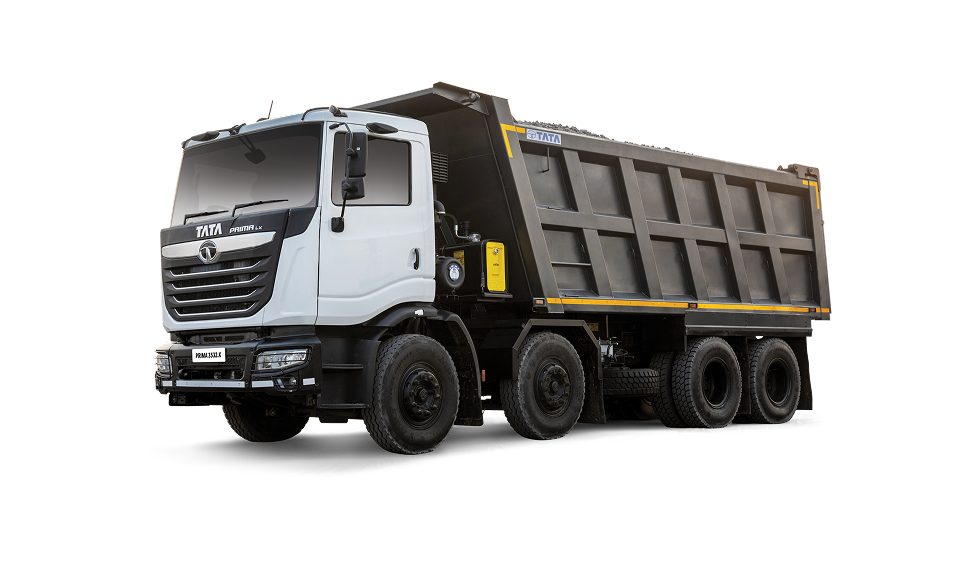
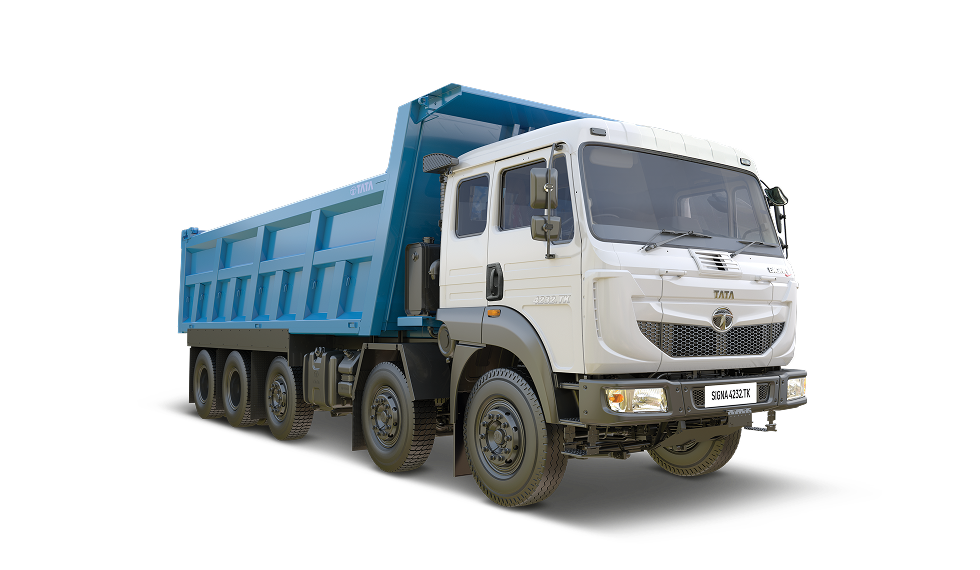
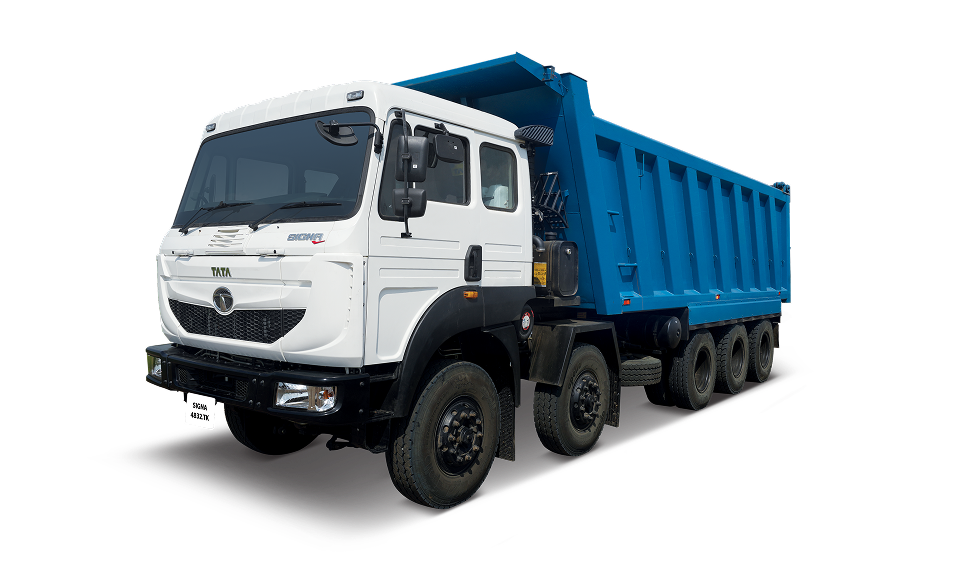
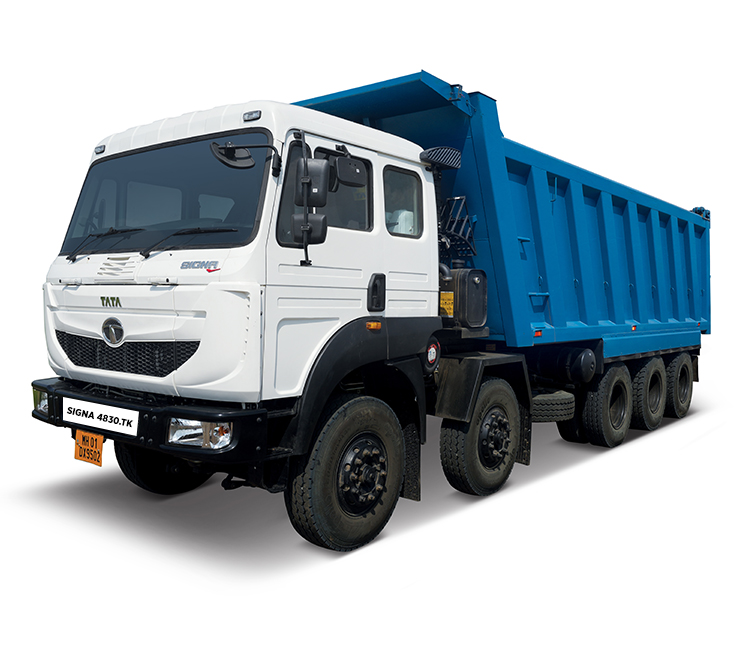
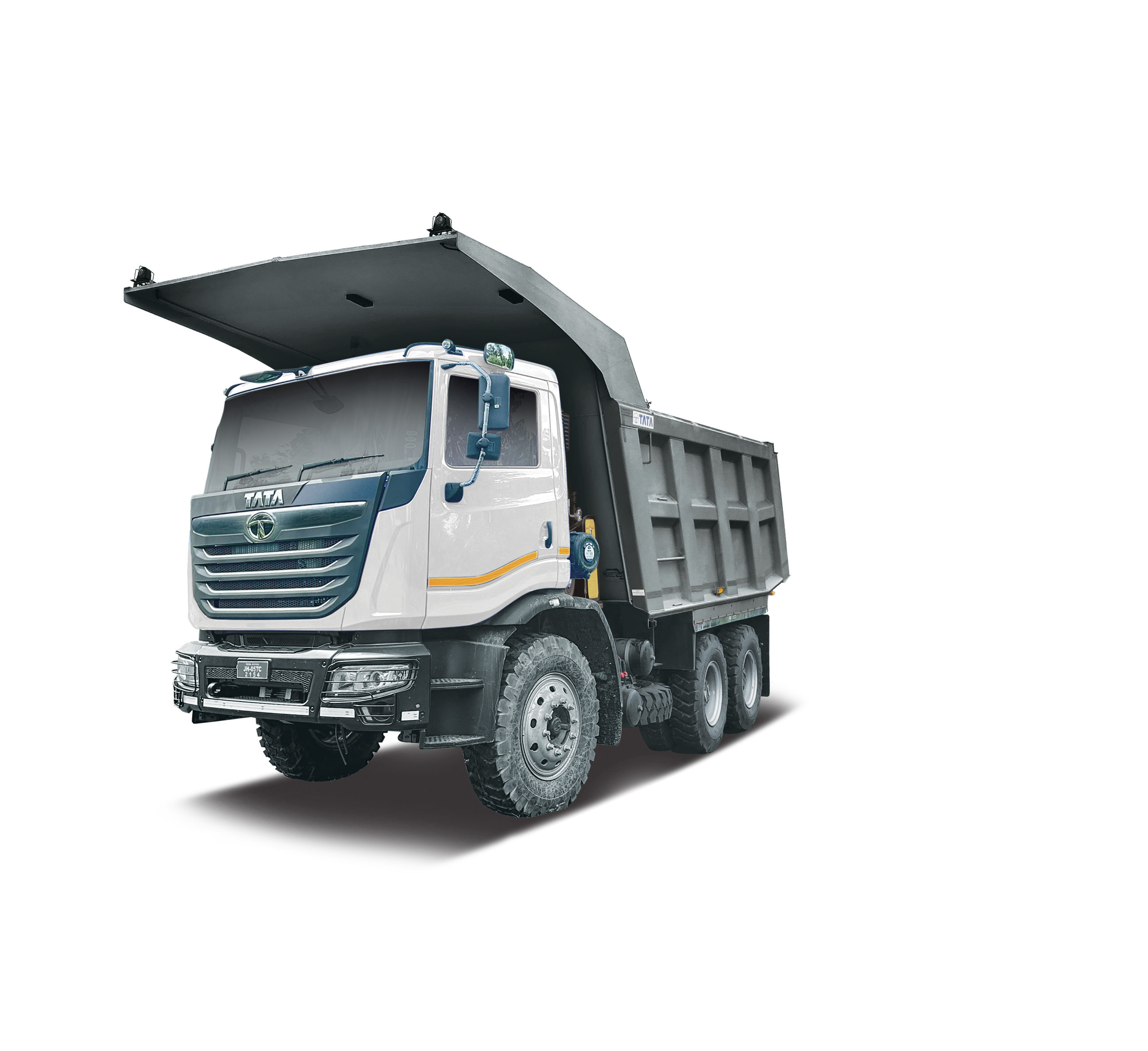
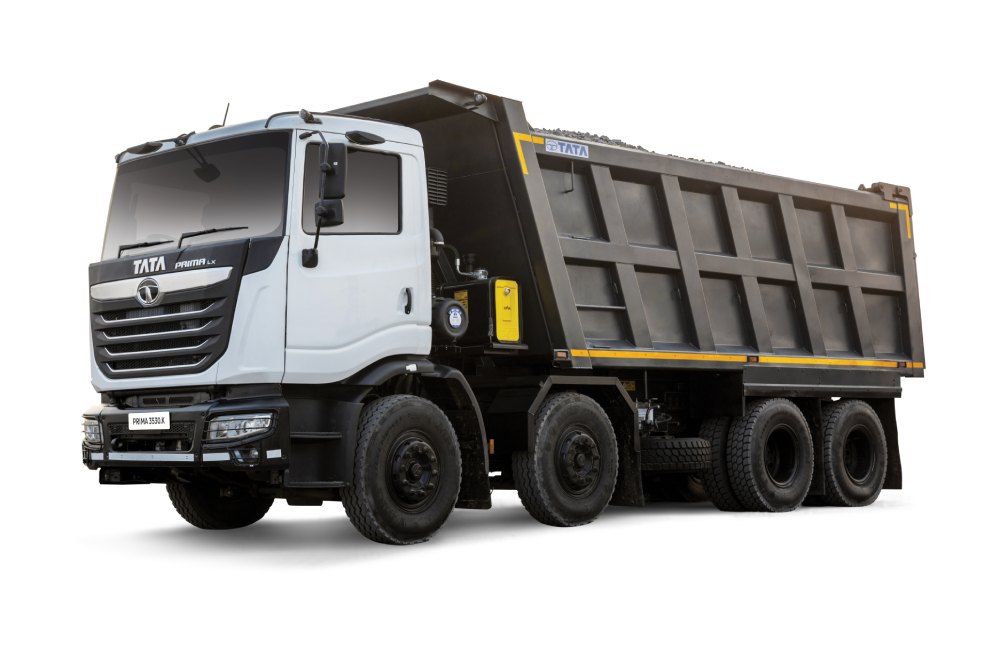
Tata Motors has positioned itself as the enabler of India's green cement logistics transformation through its robust LNG commercial vehicle portfolio built on proven Prima and Ultra platforms. The flagship Prima 5530.S LNG tractor and Prima 3530.K LNG tipper, powered by Cummins 6.7L gas engines delivering 280hp and 1,100Nm of torque, are engineered specifically for the demanding requirements of cement logistics, surface mining operations, long-haul commercial transportation, and heavy payload movements. These vehicles offer dual cryogenic tank configurations providing ranges exceeding 1,000 km, ensuring uninterrupted operations across India's vast cement distribution networks.
Critically, Tata Motors has moved beyond vehicle supply to ecosystem building. The company's strategic deployment with Tata Steel for sustainable logistics operations demonstrates the viability of LNG in integrated industrial supply chains. Additionally, Tata Motors' partnership with Clean Green Fuel and Logistics, involving delivery of 500 units of Prima 5530.S LNG, showcases scalability. While GreenLine Logistics has pioneered LNG adoption across cement majors including Dalmia sCement (converting 10% of their 3,000-vehicle fleet), UltraTech Cement, JSW Cement, and JK Lakshmi Cement, Tata Motors provides the technological backbone through vehicles equipped with Fleet Edge telematics. This connected vehicle platform enables real-time monitoring, predictive maintenance, and route optimization, reducing operational costs while maximizing uptime. For cement manufacturers pursuing carbon-negative goals by 2040, Tata's LNG range represents the immediate, proven pathway to decarbonising Scope 3 emissions from logistics.
The green cement supply chain is not merely an environmental aspiration but an operational necessity as India's cement sector targets 400-500 MMT emissions reduction by 2030. LNG vehicles have emerged as the bridge technology that delivers immediate emissions reductions without compromising the operational efficiency that cement logistics demand. Tata Motors, through its comprehensive LNG portfolio, infrastructure partnerships with THINK Gas, and ecosystem approach combining advanced safety features with fleet management solutions, is demonstrating that sustainability and profitability are complementary goals. As cement manufacturers transition from diesel to LNG, supported by expanding refuelling infrastructure and favourable policy frameworks, India's cement industry can lead globally in proving that hard-to-abate sectors can indeed achieve net-zero through pragmatic, scalable solutions available today.