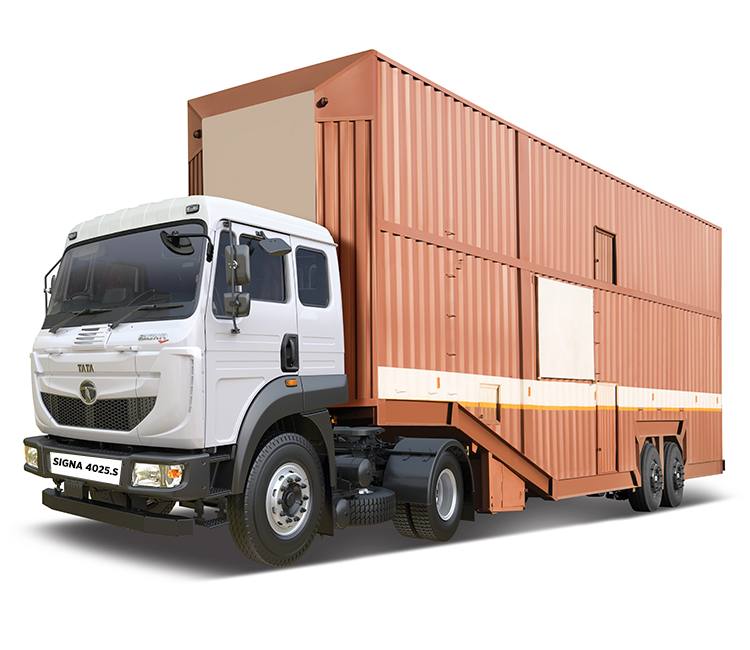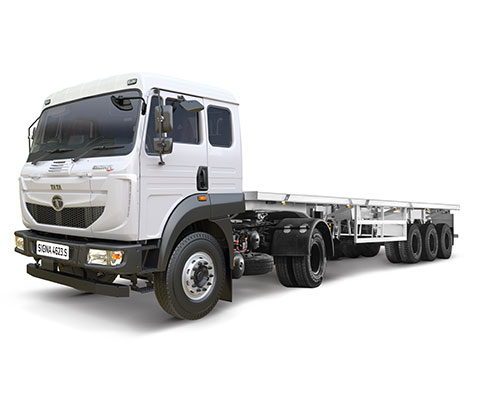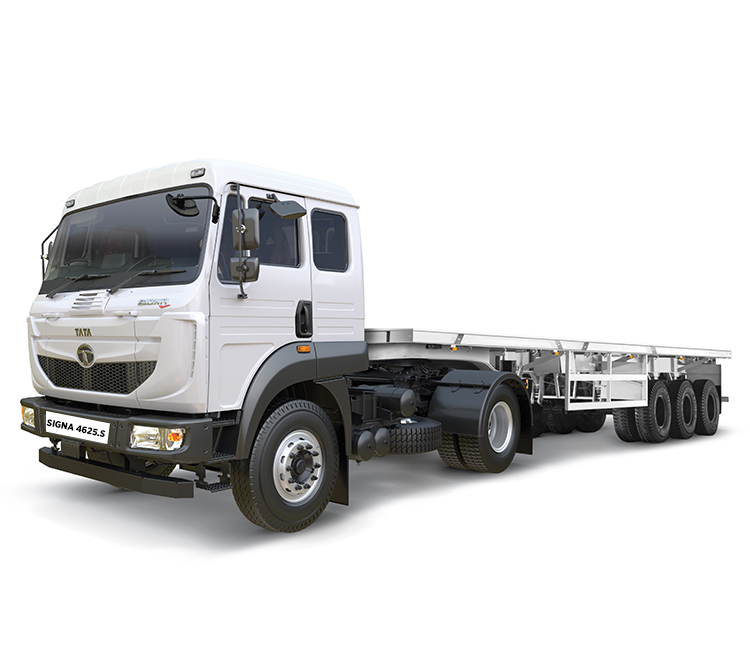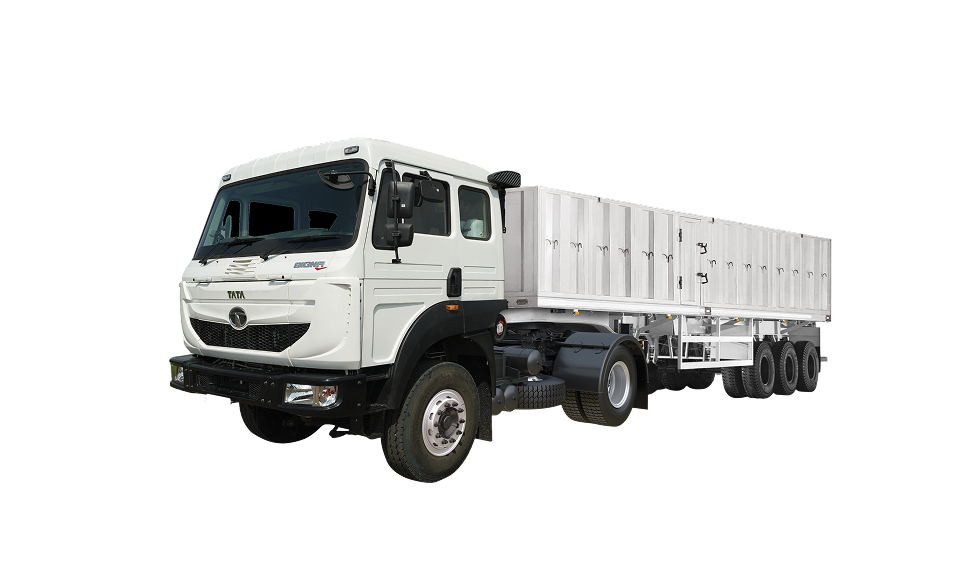
India's journey toward Net-Zero by 2070 hinges critically on transforming its transport sector, where long-distance trucking accounts for a staggering 35-40% of total road emissions. With the truck market set to expand fourfold by 2050, Liquefied Natural Gas (LNG) commercial vehicles have emerged as an essential bridge technology in the nation's decarbonisation strategy.
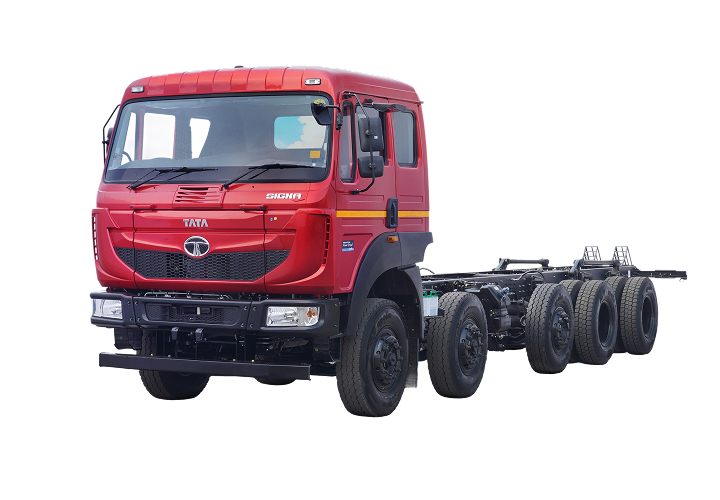
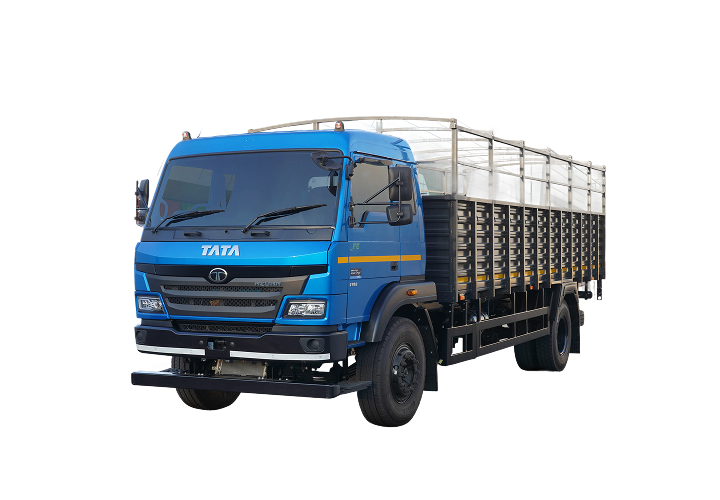
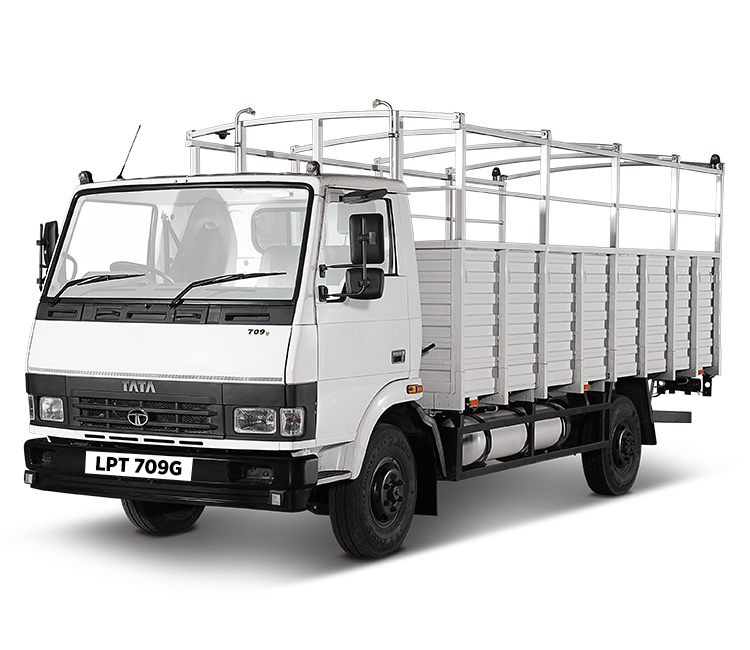
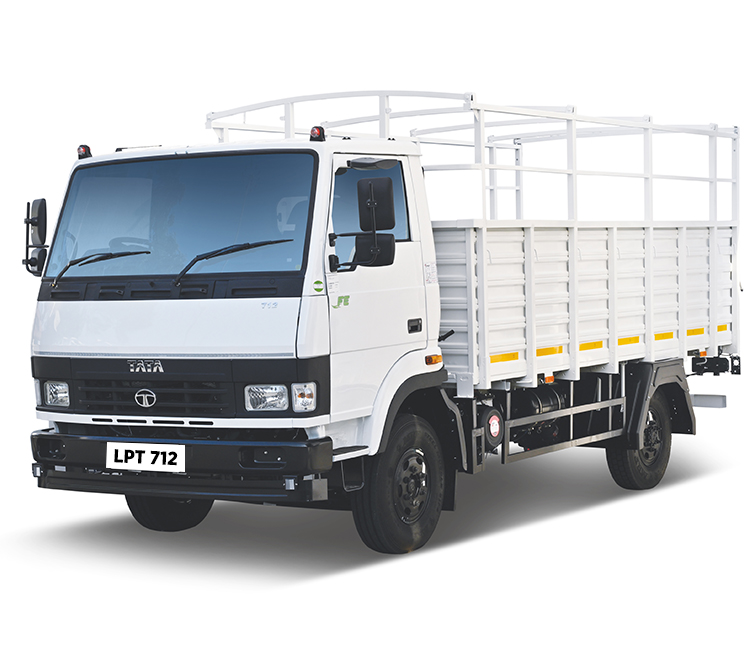
Tata Motors, India's largest commercial vehicle manufacturer, has positioned itself at the forefront of this transformation, developing a comprehensive LNG truck portfolio built on proven platforms and backed by strategic infrastructure partnerships. Recognising LNG's potential early on, the company has engineered robust solutions across its Prima and Ultra ranges that deliver operational parity with diesel while significantly reducing environmental impact.
A Policy-Driven Transformation
The Union Oil Ministry's September 2024 draft policy marked a turning point, setting an ambitious target to power one-third of India's long-haul trucks with LNG within five to seven years. This strategic intervention addresses a stark reality: without fundamental changes, trucking emissions could comprise 15% of India's total carbon footprint by mid-century. The policy supports the broader goal of increasing natural gas's share in India's energy mix from 6% to 15% by 2030, establishing LNG as a crucial stepping stone toward long-term climate commitments.
Immediate Environmental Gains
Tata Motors' LNG trucks deliver compelling environmental benefits that extend beyond carbon reduction. Deployed with customers like Tata Steel and Clean Green Fuel and Logistics, these vehicles cut CO2 emissions by 0.13 kg per km, translating to up to 30% reduction compared to diesel, while completely eliminating sulphur oxides and particulate matter, two major culprits behind respiratory illnesses plaguing urban India. With negligible nitrogen oxide emissions and significantly reduced noise pollution, Tata's LNG trucks offer immediate improvements to both air quality and urban livability in congested transport corridors.
Practical Solution for Heavy-Duty Transport
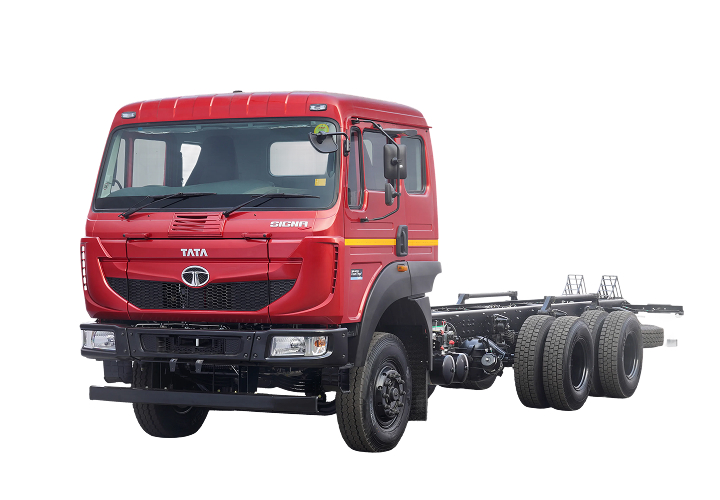
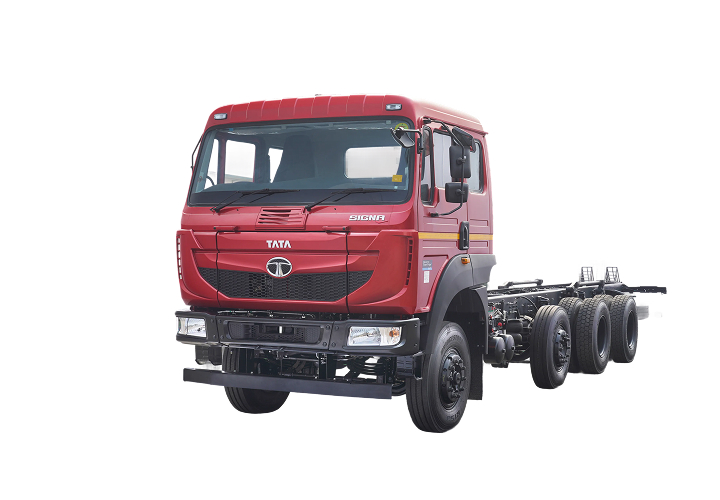
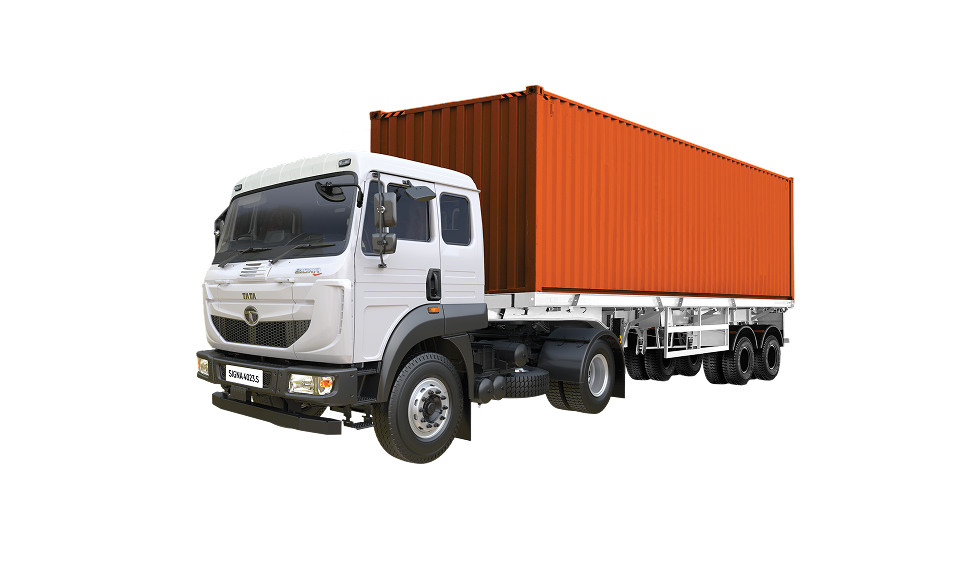
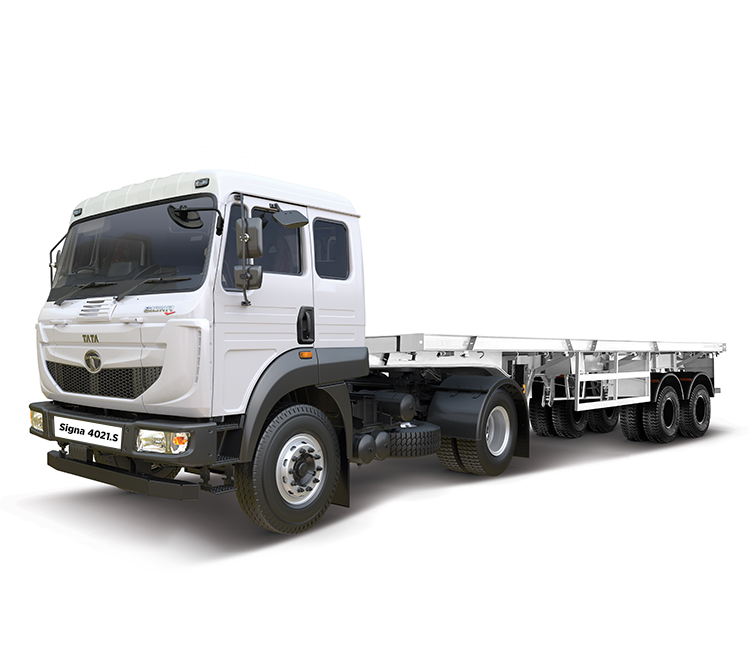
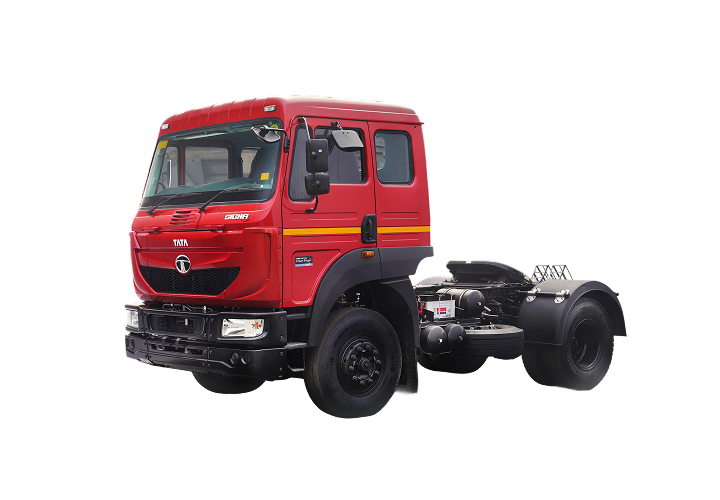
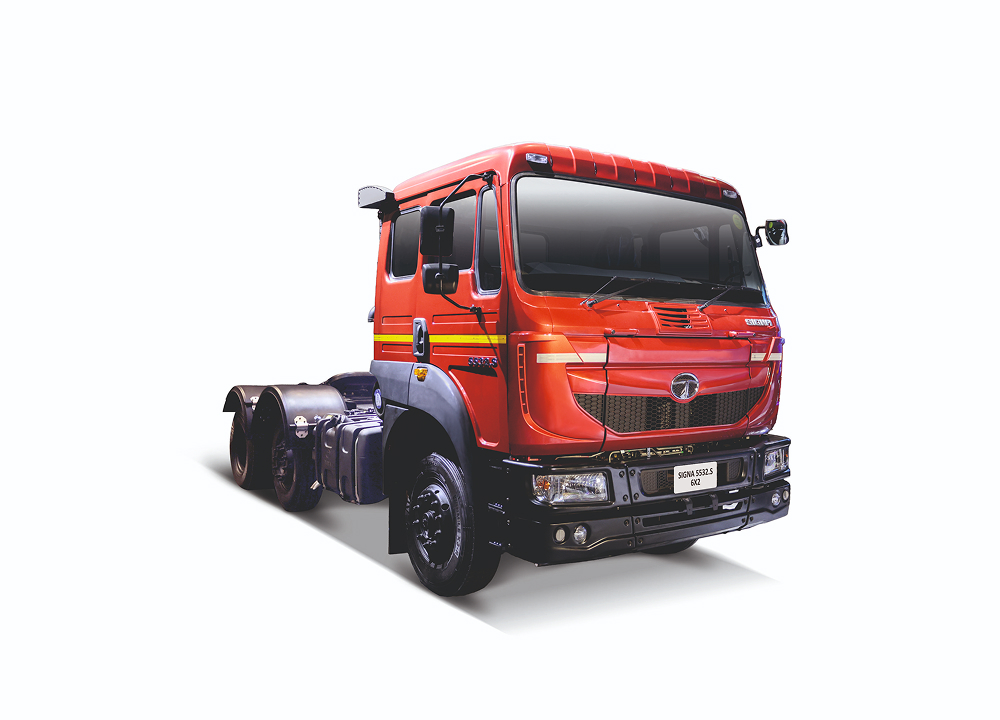
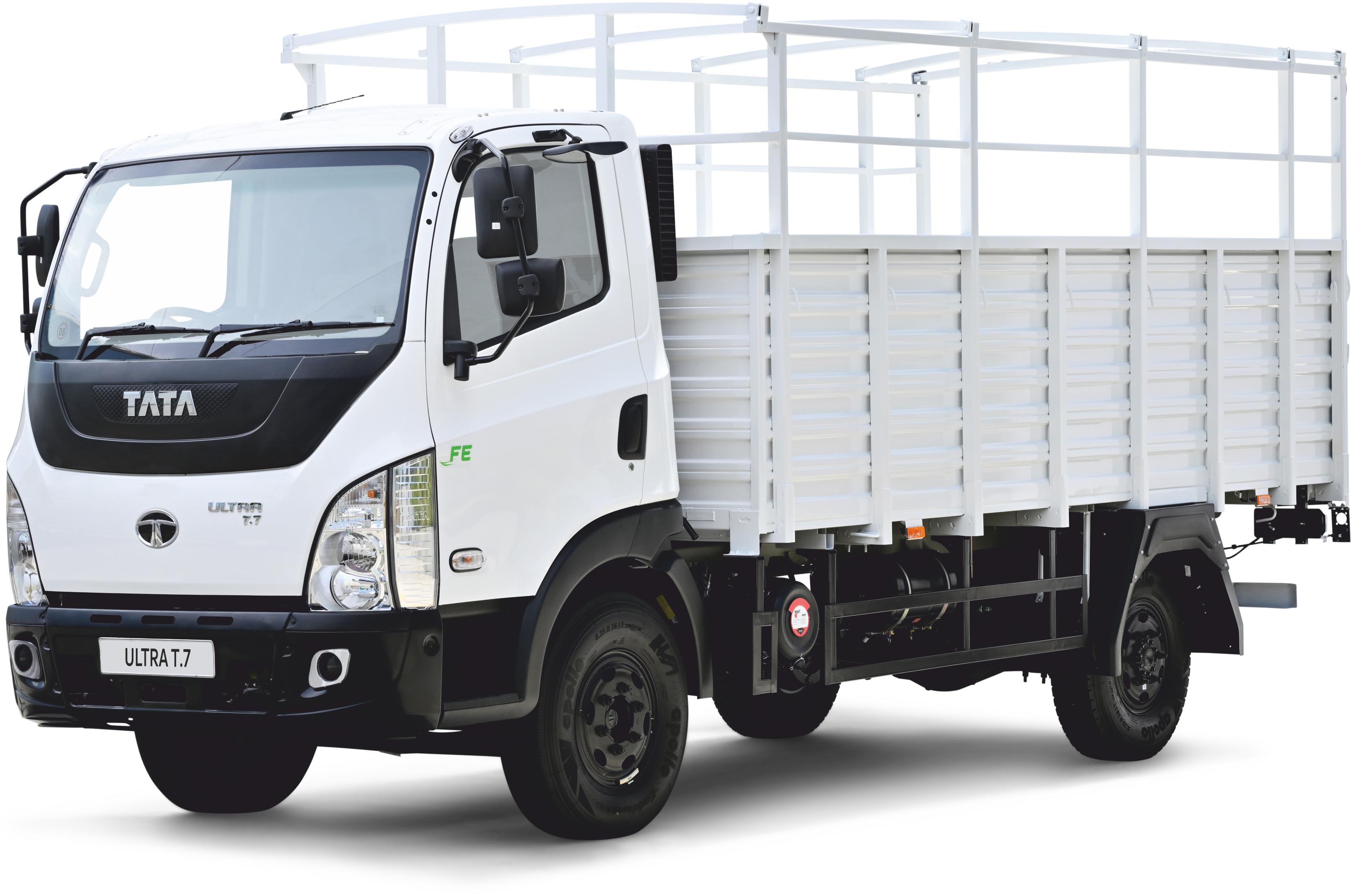
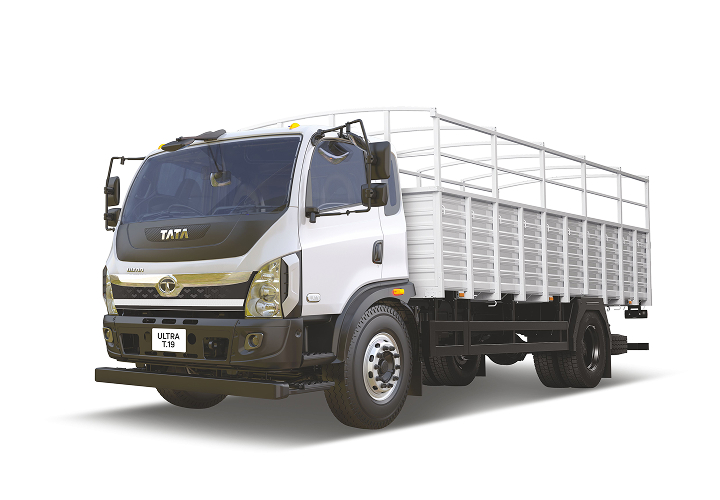
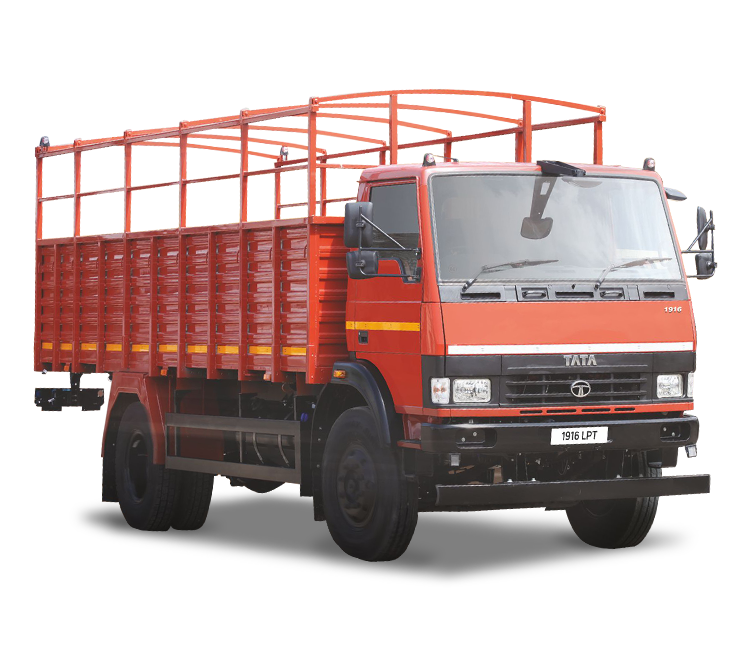
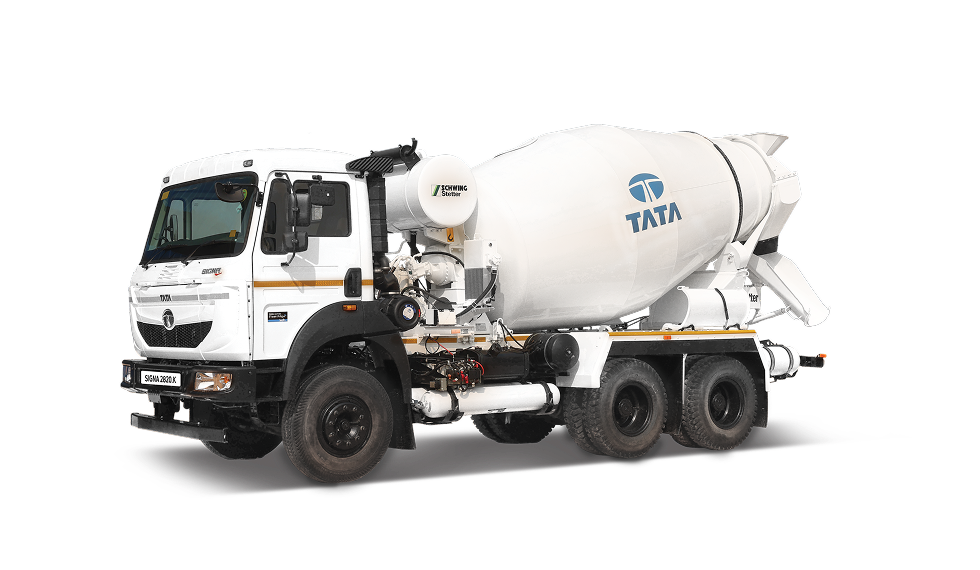
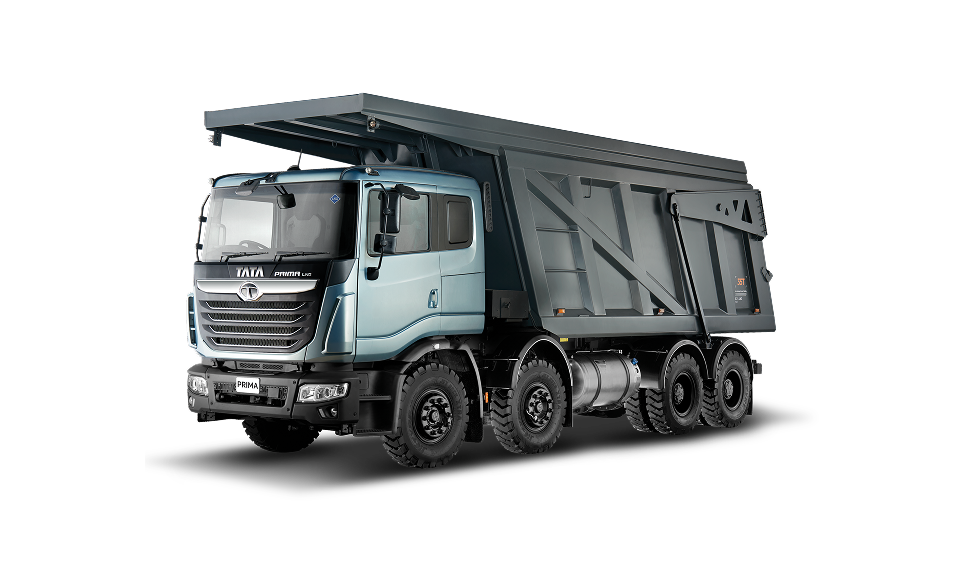
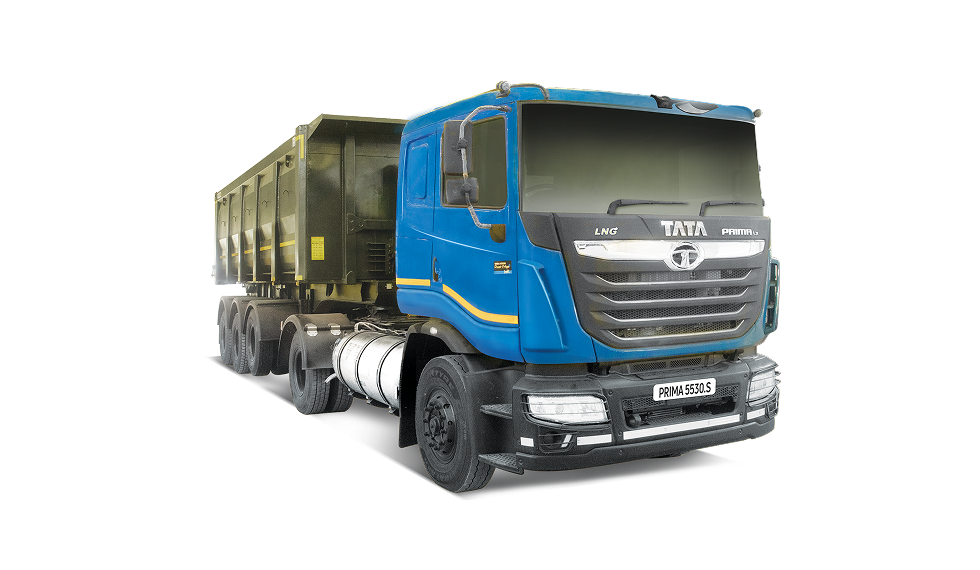
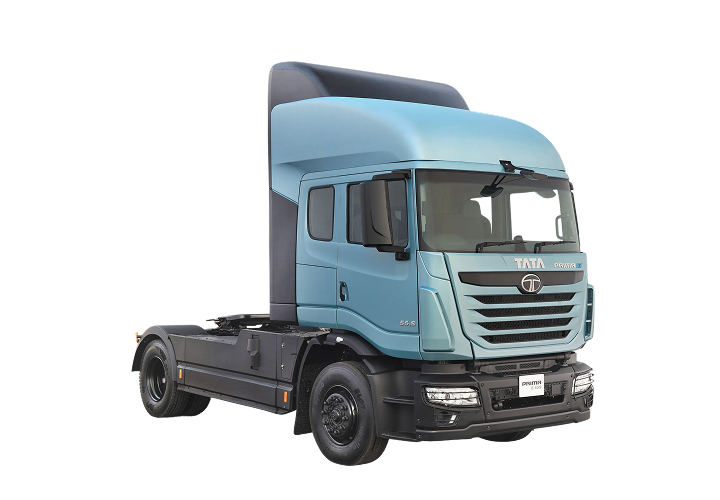
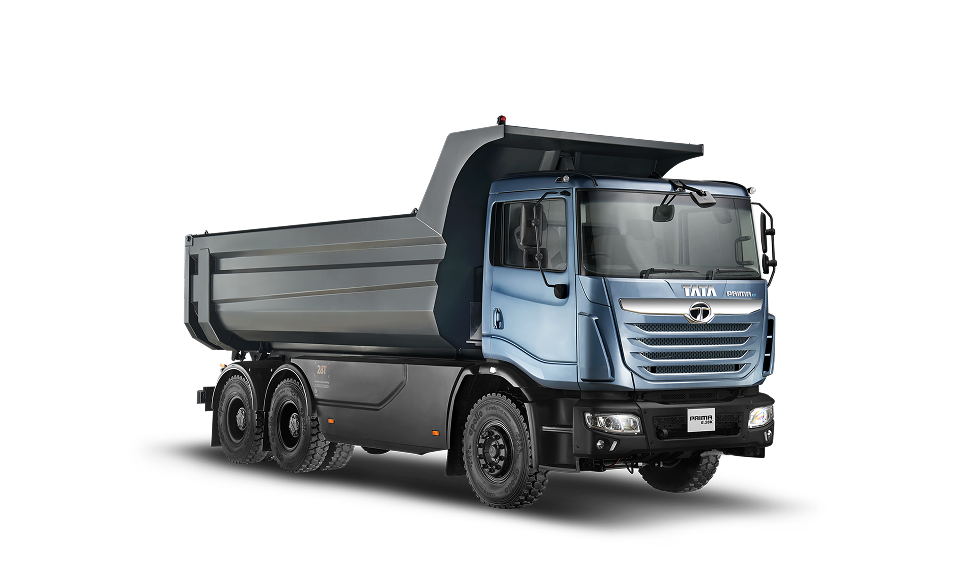
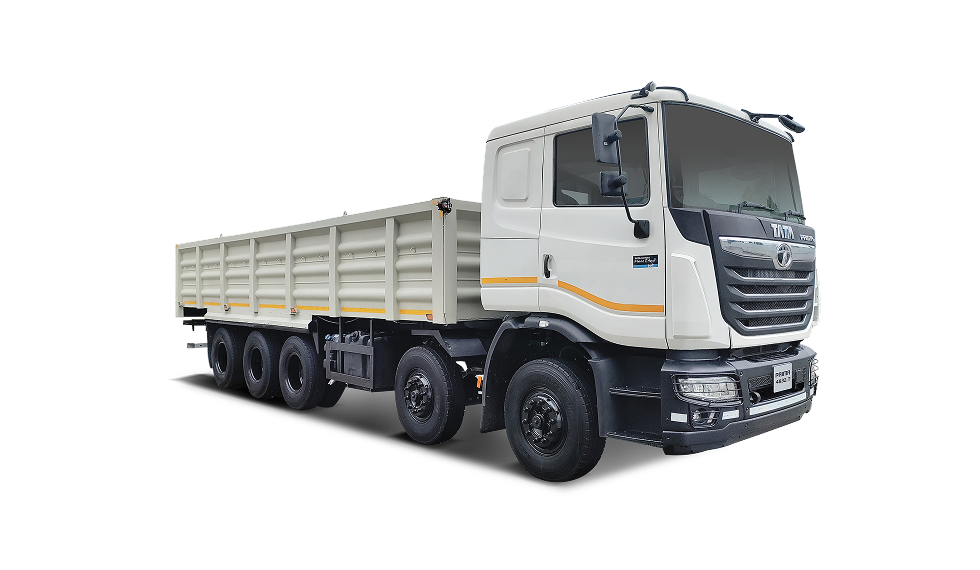
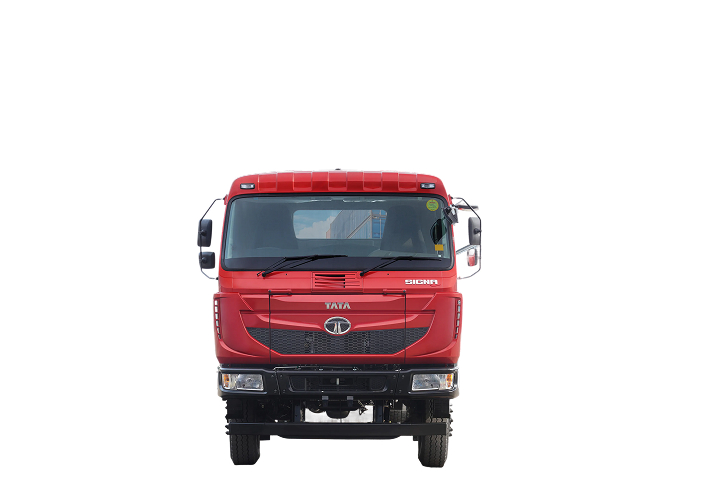
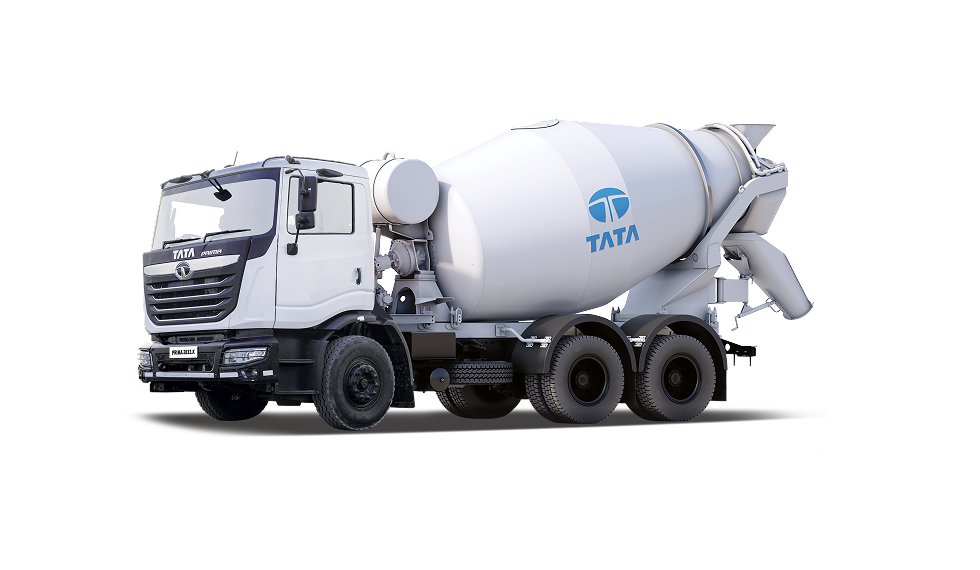
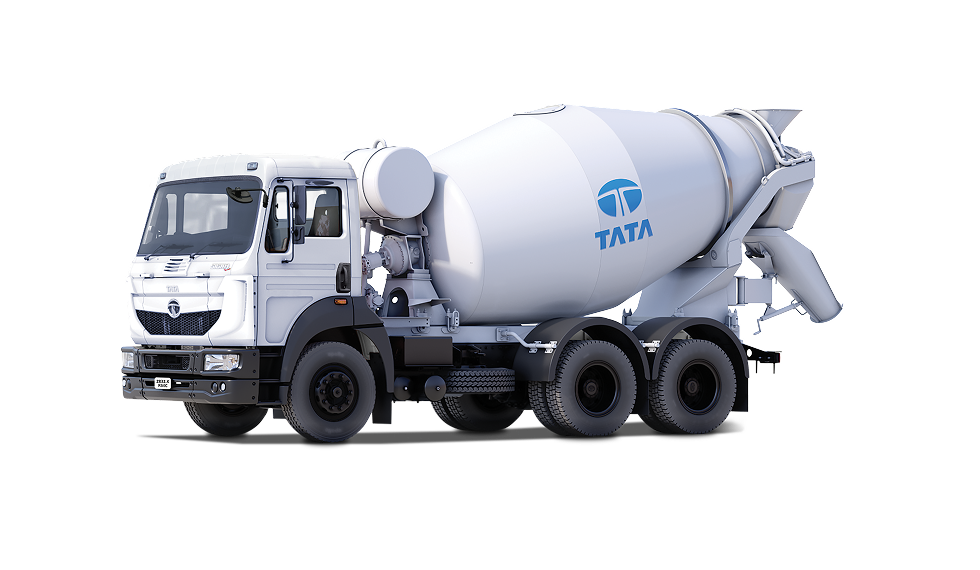
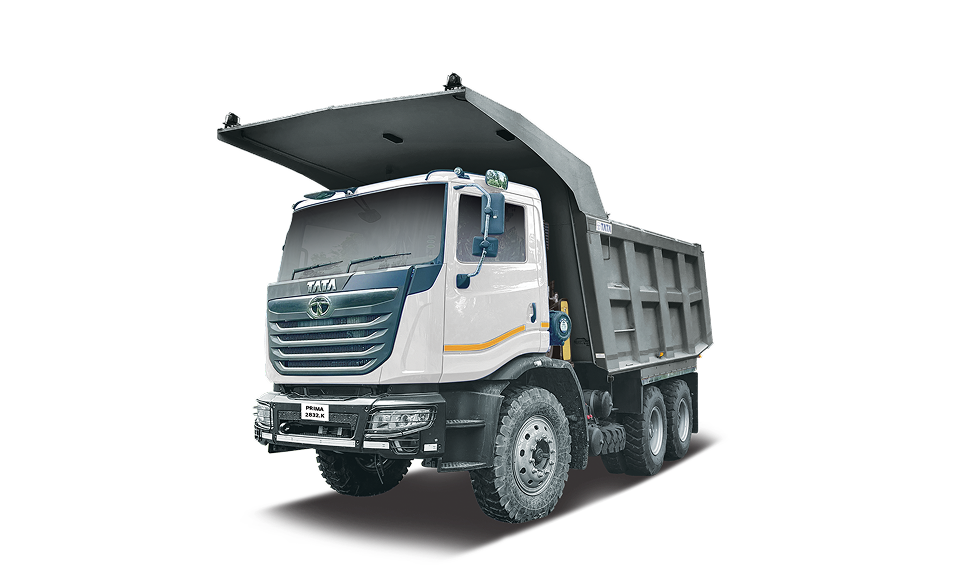
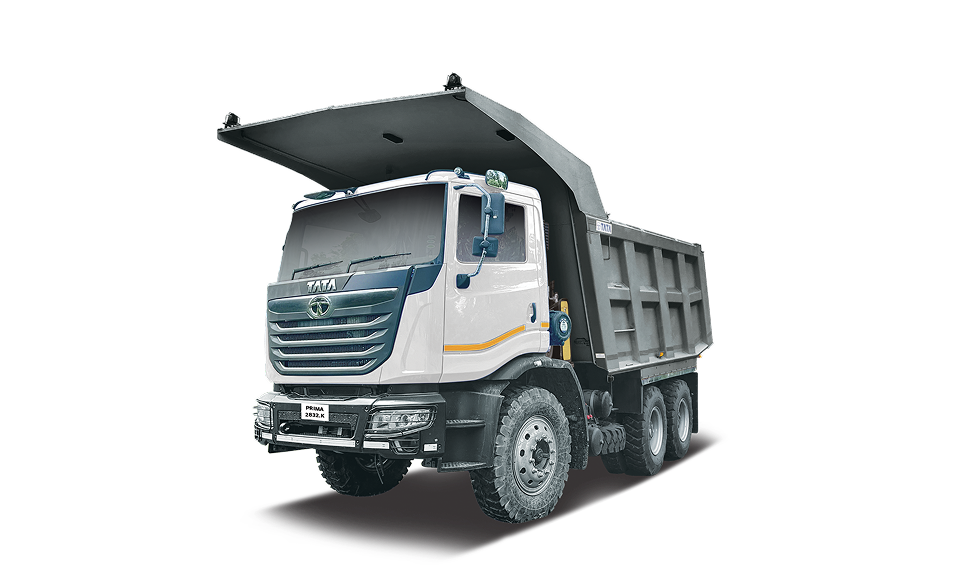
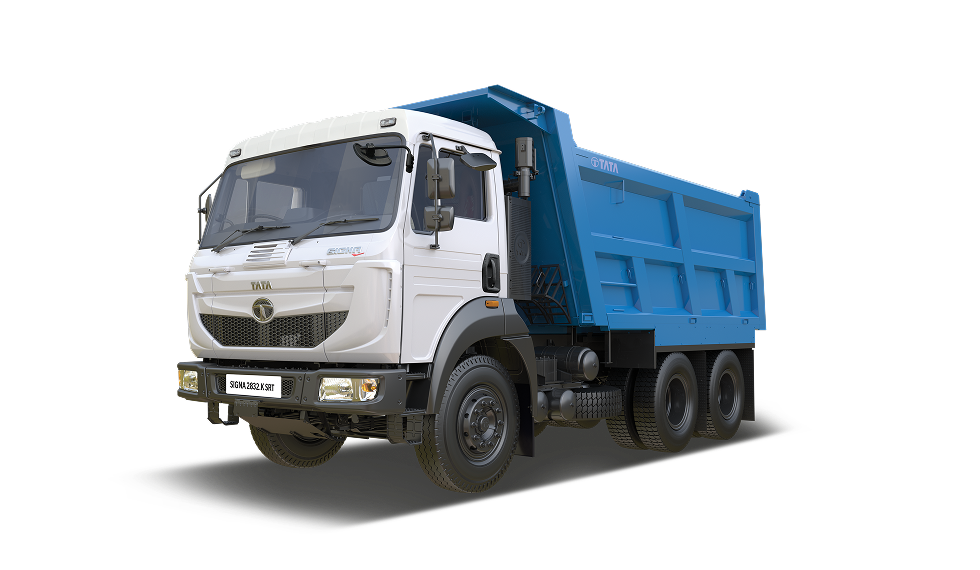
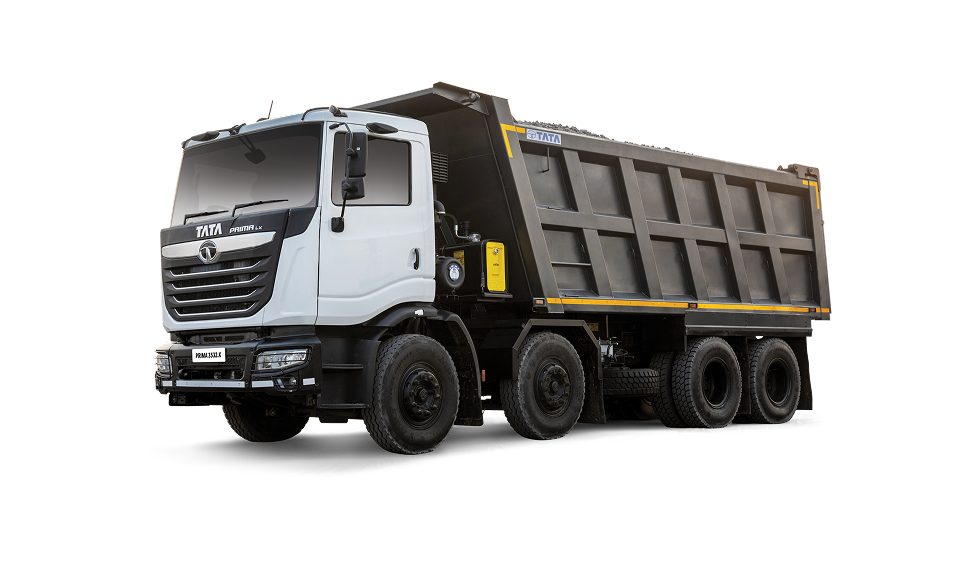
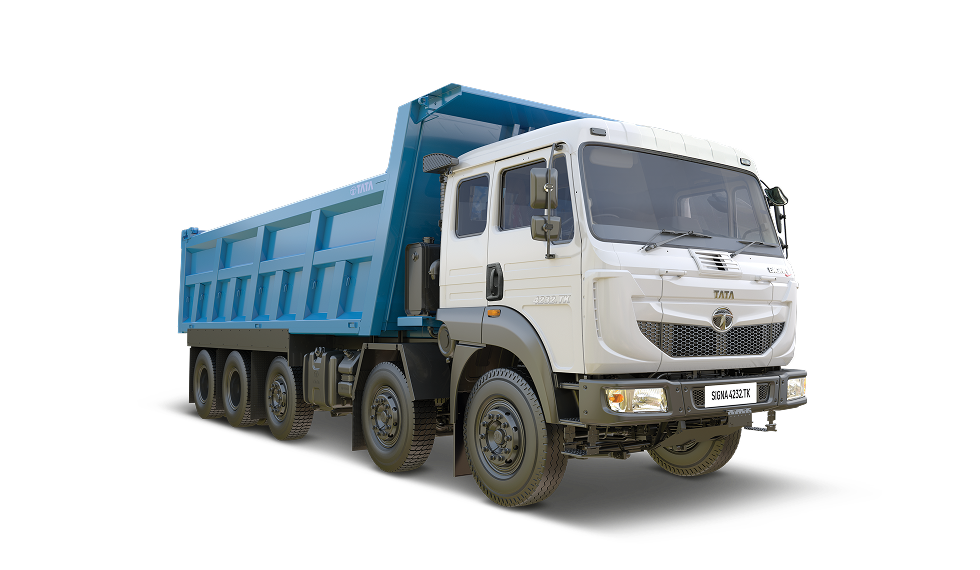
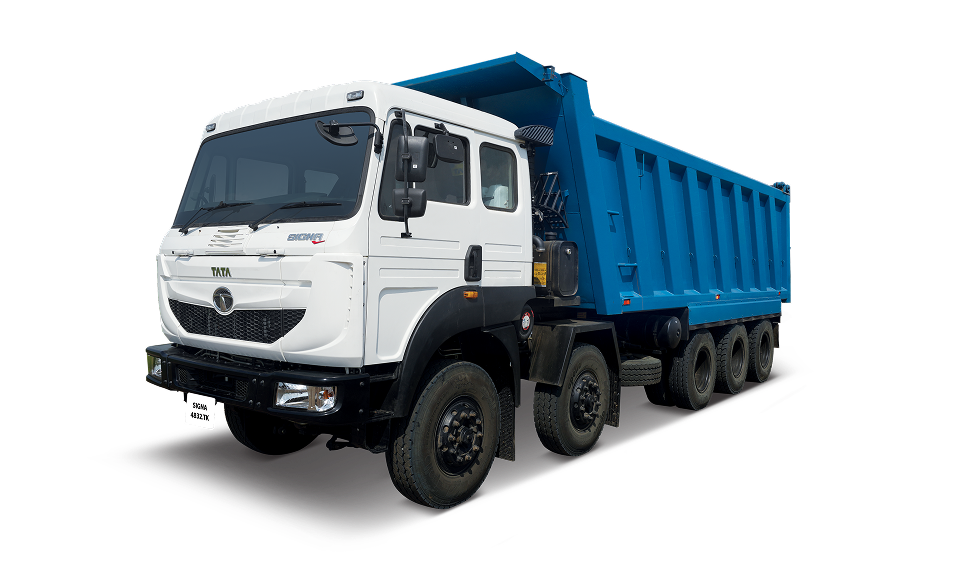
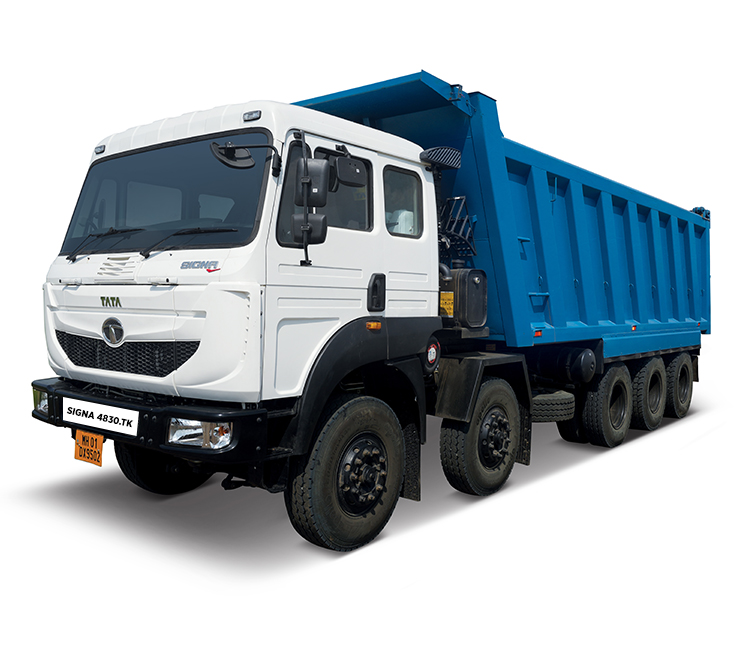
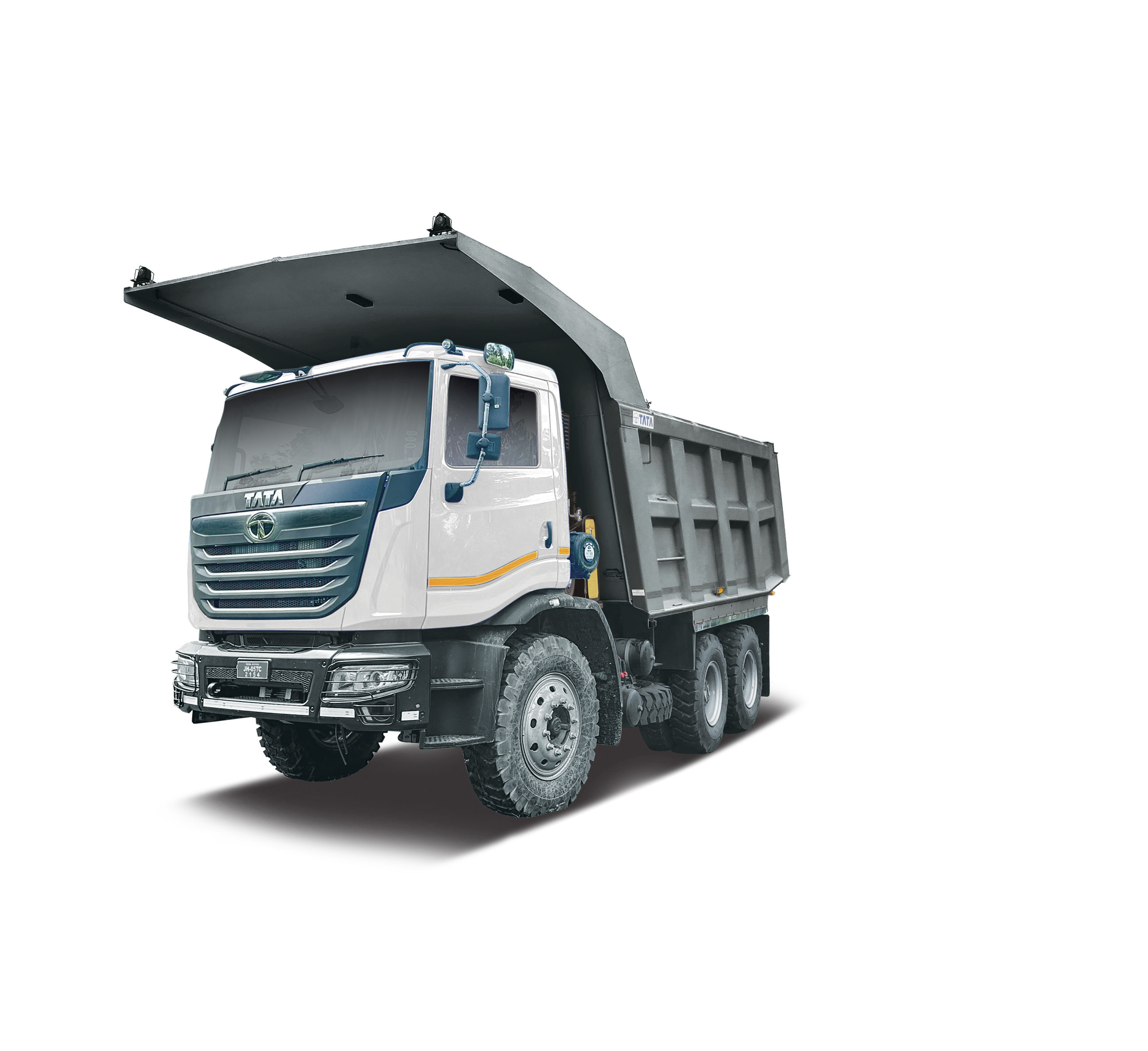
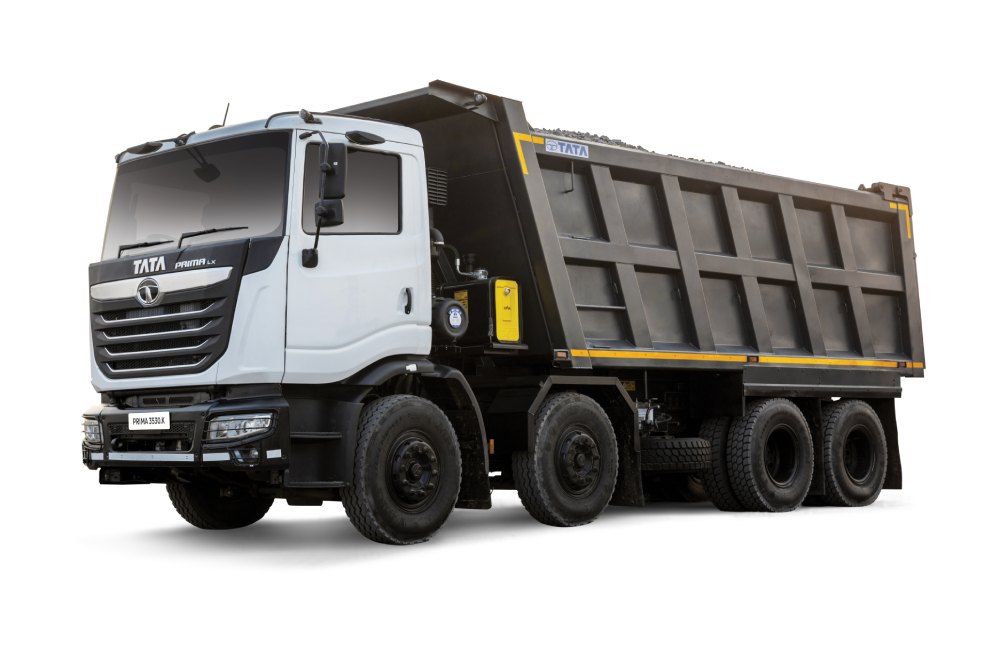
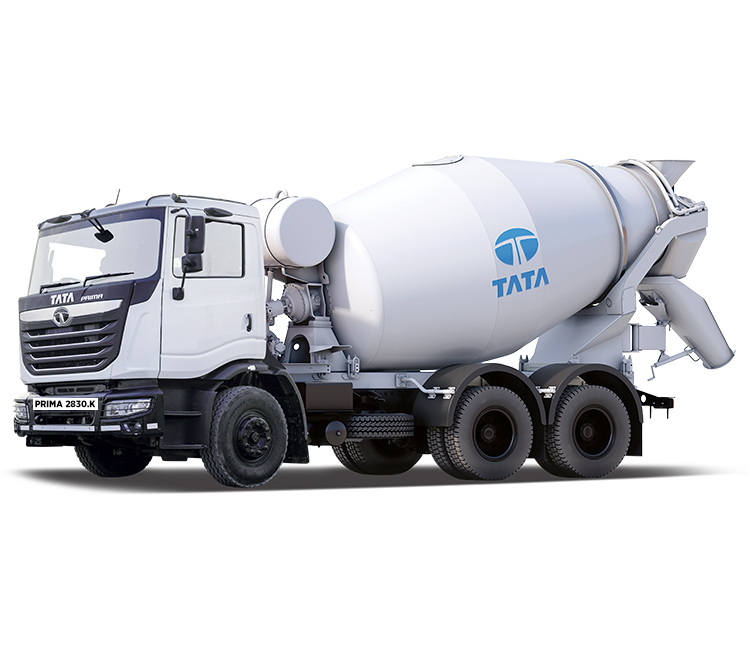
While electric vehicles show promise for urban delivery fleets, they struggle with the demands of long-haul logistics. Limited battery range and inadequate charging infrastructure make EVs impractical for heavy-duty applications. Tata's LNG trucks, by contrast, match diesel's operational capability. The flagship Prima 5530.S LNG, powered by a Cummins 6.7L gas engine delivering 280hp and 1100Nm of torque, offers ranges exceeding 1,000 km with dual cryogenic tank configurations. This makes them ideal for "hard-to-abate" industries like steel and cement manufacturing, where massive material movements require both efficiency and environmental responsibility. The company's LNG range, including the Prima 3530.K tipper and 5530.S tractor, serves surface mining and long-haul commercial transportation across diverse applications.
Economic and Strategic Advantages
The business case for Tata's LNG trucks extends beyond environmental compliance. The company's solutions are designed to deliver higher fuel efficiency while reducing operational costs for fleet operators. For India as a nation, this transition carries strategic importance, the transport sector currently consumes half of the country's crude oil imports. Shifting to domestically accessible LNG reduces vulnerability to volatile global oil markets while keeping capital within the economy.
Building the Ecosystem Infrastructure
Tata Motors recognises that LNG adoption requires more than just vehicles, it demands a robust refuelling ecosystem. In October 2025, the company signed a strategic MoU (memorandum of understanding) with THINK Gas to strengthen India's LNG infrastructure for long-haul trucking. Under this collaboration, Tata Motors and THINK Gas are jointly identifying potential freight corridors and logistics clusters for LNG station expansion. THINK Gas, backed by global investors including I-Squared Capital, Osaka Gas, and Sumitomo Corporation, currently operates 18 LCNG stations with several more under development. The proposed corridor will connect key industrial hubs, agricultural regions, and logistics centres across the country, ensuring reliable fuel access for fleets operating across manufacturing, warehousing, export, and agricultural supply chains. Tata Motors customers receive exclusive benefits, including preferential pricing and guaranteed fuel quality standards.
The Path Forward
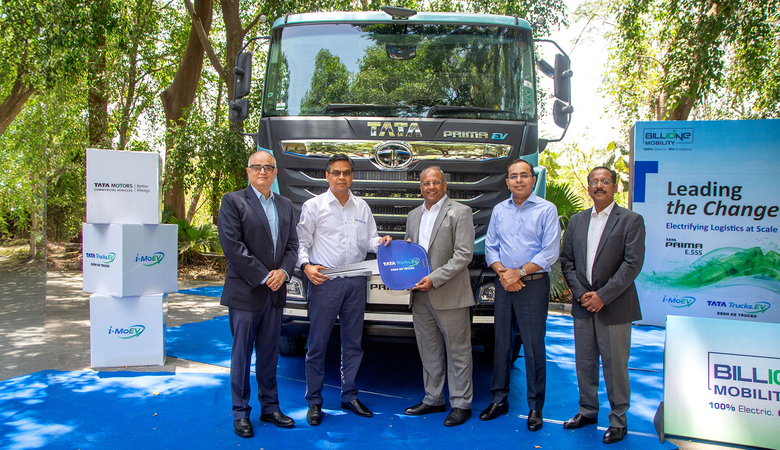
Tata Motors' LNG commercial vehicles represent a pragmatic, scalable solution available today, not a distant promise. The company has already delivered LNG fleets to major customers including Tata Steel for sustainable logistics operations and Clean Green Fuel and Logistics, which has committed to 500 units of the Prima 5530.S LNG. While hydrogen and advanced electric technologies will eventually play larger roles, Tata's LNG solutions provide the immediate answer India's logistics sector needs to reduce emissions substantially while maintaining operational efficiency. By integrating proven platforms, advanced safety features like ADAS and Fleet Edge telematics, and strategic infrastructure partnerships, Tata Motors is demonstrating that economic growth and environmental responsibility are not competing priorities but complementary goals on the road to Net-Zero.