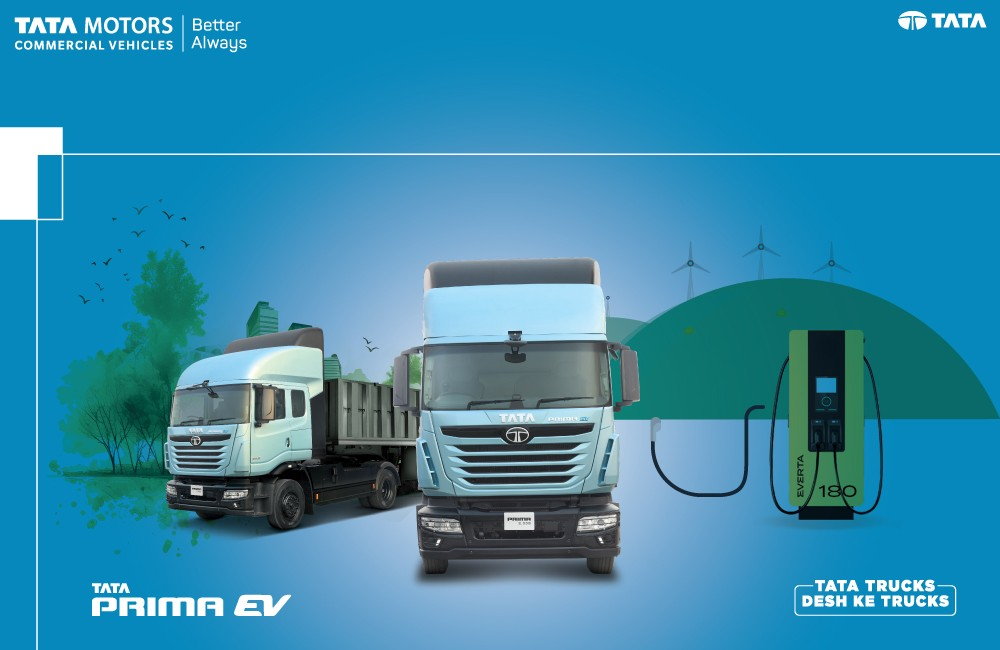
For Tata EV fleet owners, the real charging question is not “which is better?” but “when should I use what?” Fast charging and overnight charging play very different roles in keeping a commercial fleet productive, profitable, and reliable.
Why Charging Strategy Matters for Tata Fleets
In high-usage environments like last‑mile delivery, e‑commerce or urban logistics, every minute a Tata Ace EV or similar vehicle spends off the road affects revenue and service levels. Charging, therefore, has to support the duty cycle, not disrupt it. A smart mix of depot‑based overnight charging and on‑route fast charging can dramatically cut downtime, improve battery life, and optimise total cost of ownership (TCO) for Tata EV fleets.
Fast Charging: Your On‑Demand Uptime Booster
Fast charging typically uses DC chargers that can take an EV from around 0–80% in 30–60 minutes, depending on battery size and charger rating. This makes it ideal when a vehicle is running double shifts, a route gets extended, or there is an unplanned delivery run and you need a quick top‑up to keep the schedule intact. Public networks such as Tata Power EZ Charge offer DC fast chargers across key urban centres and highways, giving Tata EV operators the confidence to plan longer or more intensive routes without range anxiety.
However, DC fast charging pushes a high current into the battery, which generates more heat and, if used very frequently, can accelerate battery wear compared with slower AC charging. For commercial fleets, a practical thumb rule is to treat fast charging as a strategic tool rather than the default option - ideally reserved for a smaller portion of sessions when the business case clearly demands speed. This approach supports better long‑term battery health while still unlocking higher utilisation when needed.
Overnight Charging: The Workhorse of Fleet Operations
Overnight charging relies mainly on AC chargers (wallboxes or pedestal units) installed at depots, warehouses, or parking yards. These typically take 6–10 hours to fully charge a vehicle, but they do so in a gentler way that is better for long‑term battery health and thermal stability. For Tata EV fleets that follow a return‑to‑base pattern - such as last‑mile delivery, city cargo or FMCG distribution - this is usually the primary charging strategy: plug in after the last run, unplug before the first shift, and the vehicle is ready at 100% each morning.
From a cost perspective, overnight depot charging is where fleets can really optimise TCO. Charging at base allows operators to take advantage of cheaper commercial or off‑peak tariffs, bringing down per‑kilometre energy costs versus relying heavily on public fast chargers. It also simplifies operations: drivers know exactly where and when to charge, fleet managers can monitor sessions centrally, and there is less time wasted in queues at public stations - an important factor in busy Indian cities.
Fast vs Overnight: How They Actually Compare
Fast charging and overnight charging differ across five main aspects for Tata EV fleet owners: speed, battery impact, cost, ideal use case and infrastructure options. Fast charging with DC chargers can usually bring an EV from 0–80% in 30–60 minutes, which is perfect for urgent top‑ups between trips or when vehicles have very tight turnaround times. Because of the higher power and heat, though, relying on DC fast charging for most cycles can increase battery degradation risk over the long term compared with slower AC options.
Overnight AC charging, by contrast, typically takes 6–10 hours but offers a gentler charging profile that supports better long‑term battery health and aligns naturally with off‑duty hours. Fast charging at public stations is usually more expensive per kWh, while depot‑based overnight charging lets fleets use lower, often off‑peak tariffs that reduce energy costs significantly over the life of the vehicle. For Tata fleets with fixed routes and predictable schedules, overnight charging becomes the default workhorse strategy, while fast charging plays a supporting role to handle exceptions, delays, or extended routes.
Hybrid Strategy for Tata EV Fleets
The most effective solution for Tata EV fleet owners is a hybrid charging strategy that assigns clear roles to both methods. Overnight AC charging at depots should handle the majority of energy needs for vehicles with predictable duty cycles, ensuring they start the day at or near full charge with minimal cost and battery stress. DC fast charging then acts as the on‑demand uptime booster - used selectively on high‑priority vehicles, peak days, or long‑haul routes, especially along corridors which are supported by TATA.ev MegaChargers and partner networks.