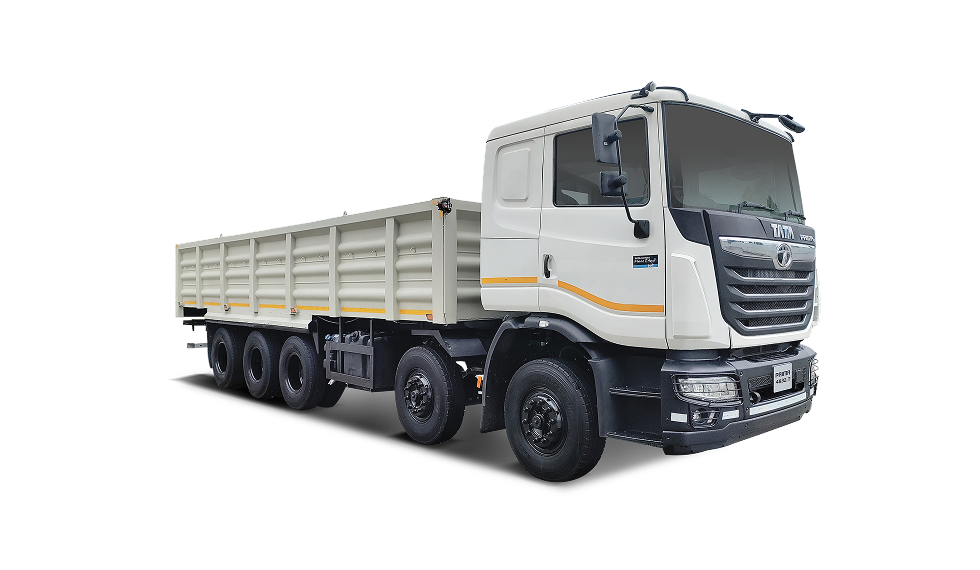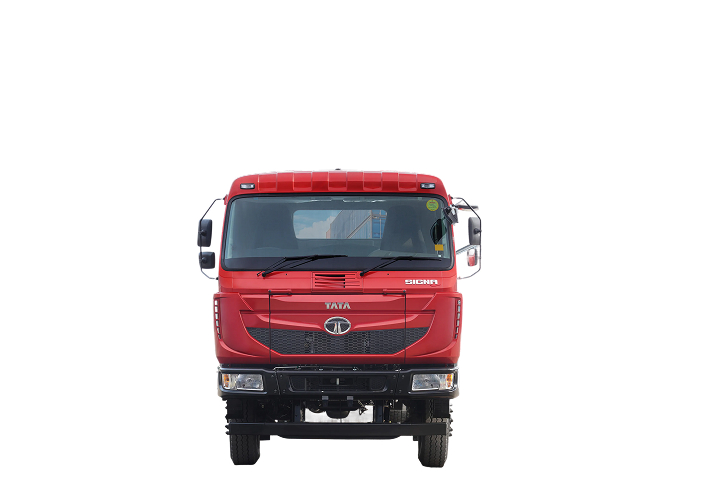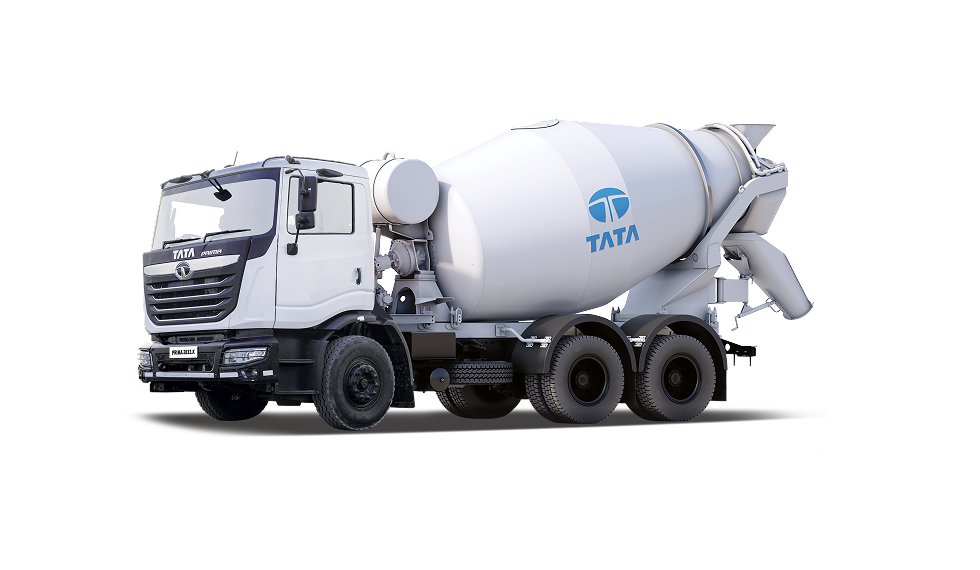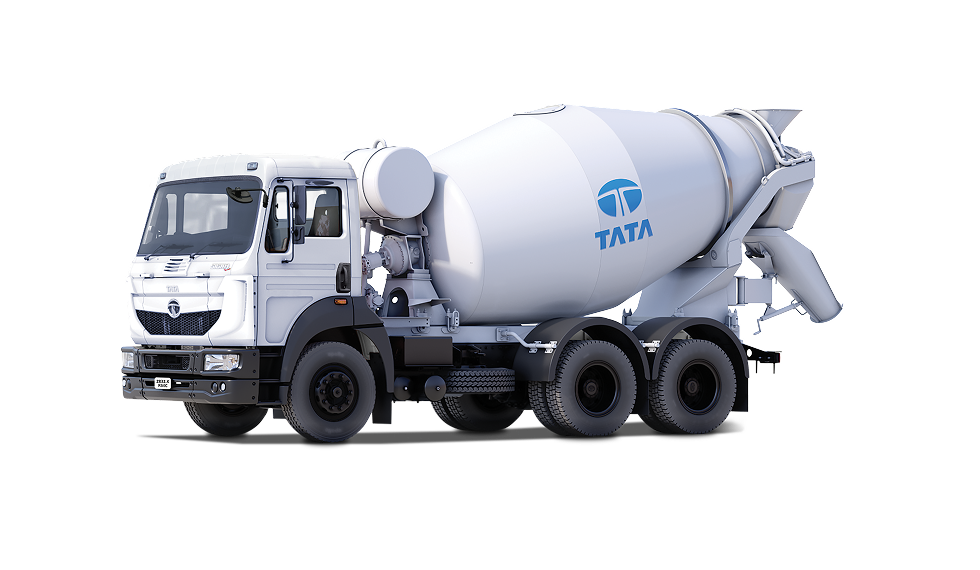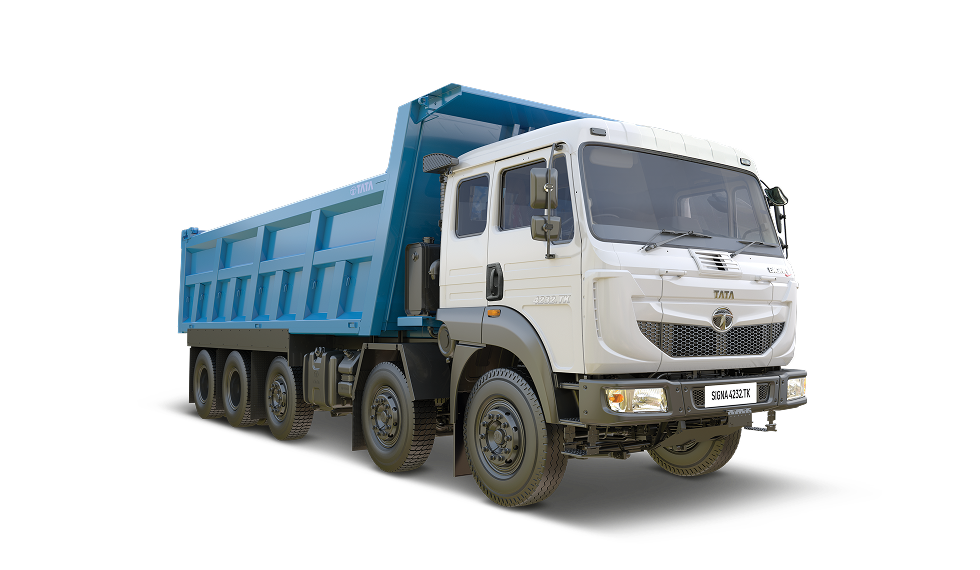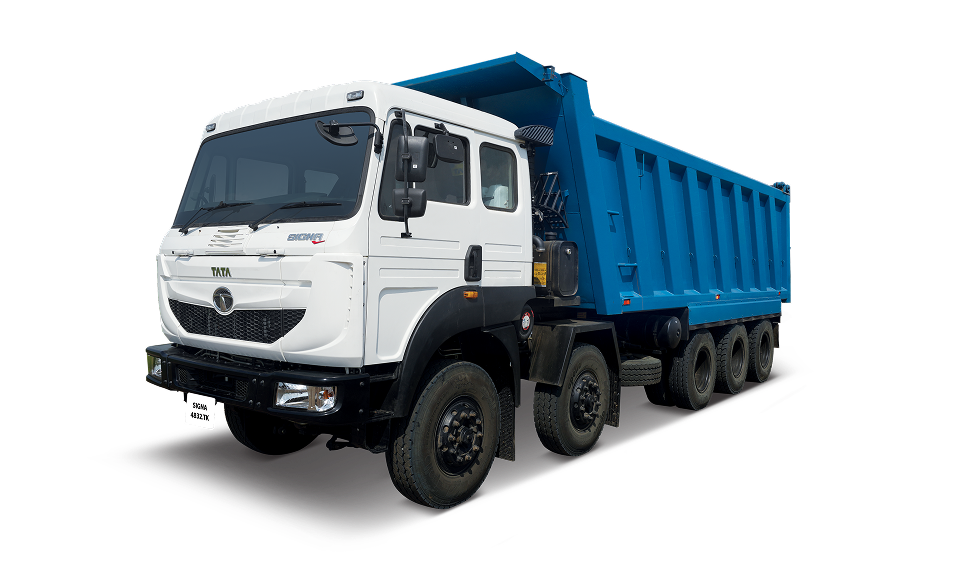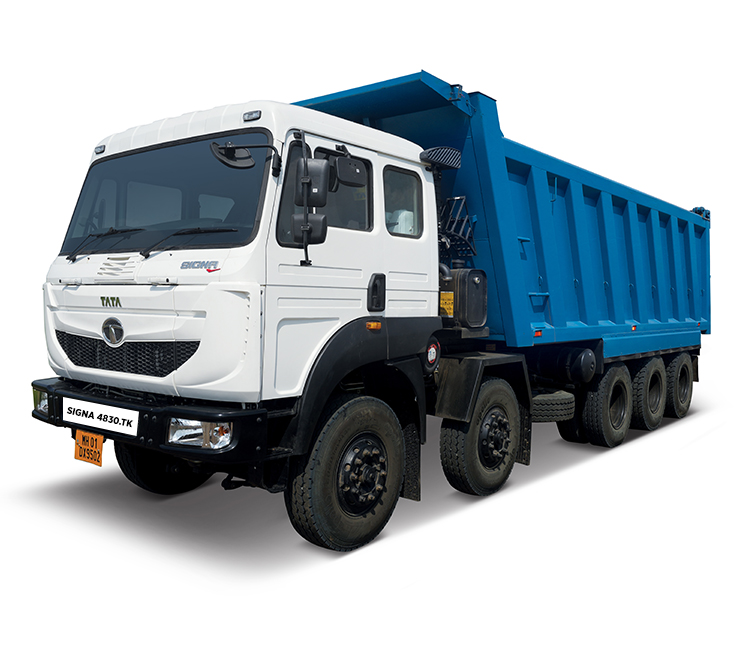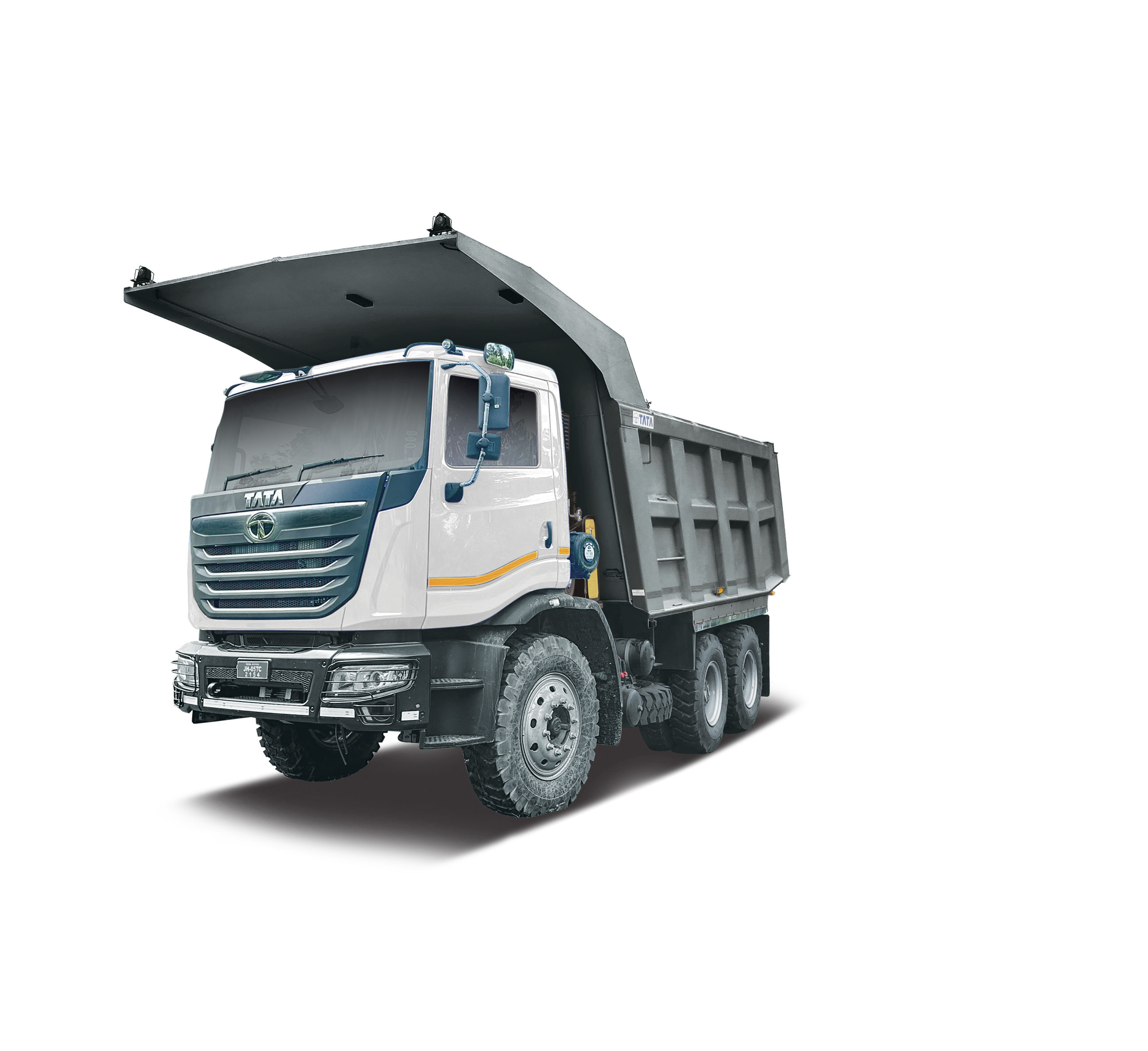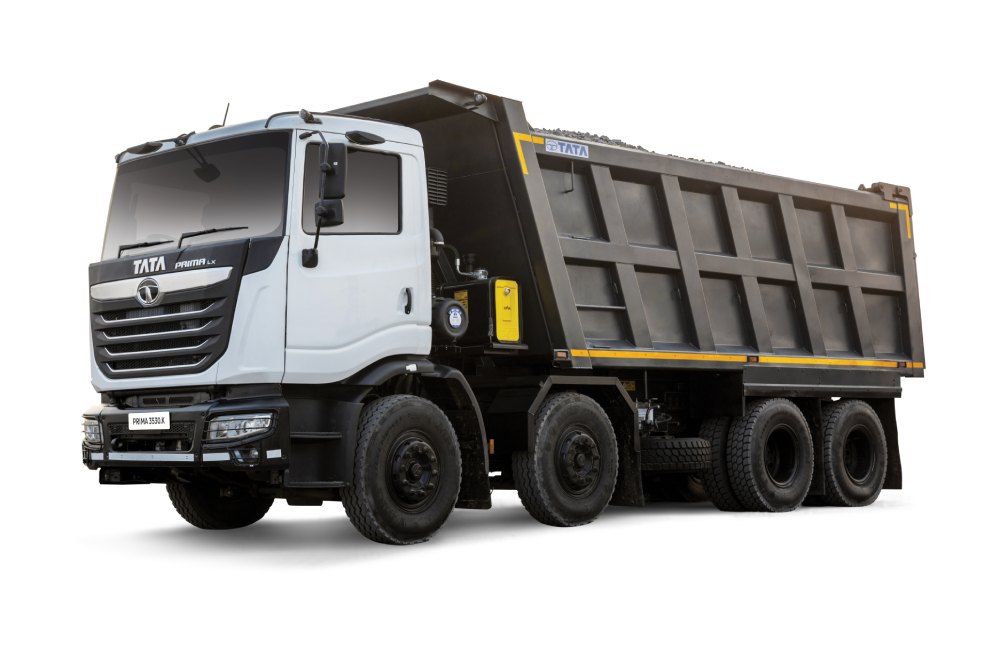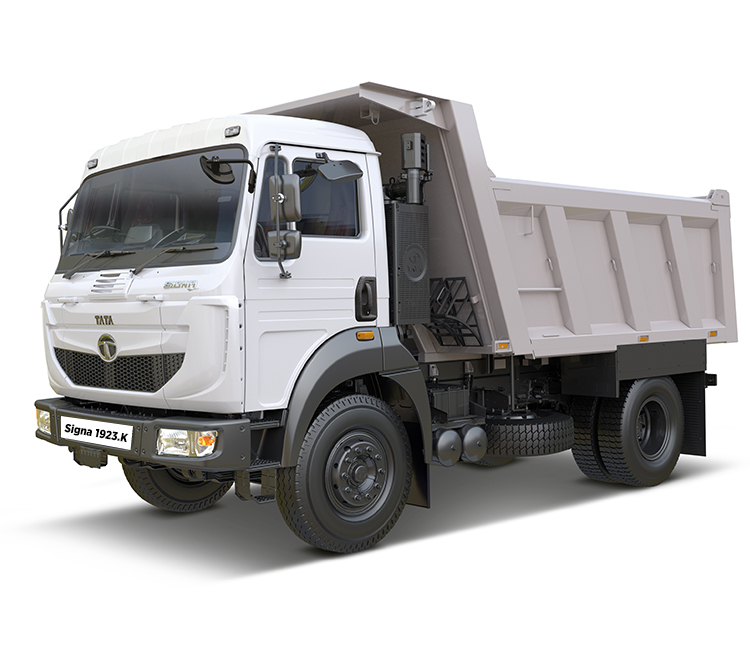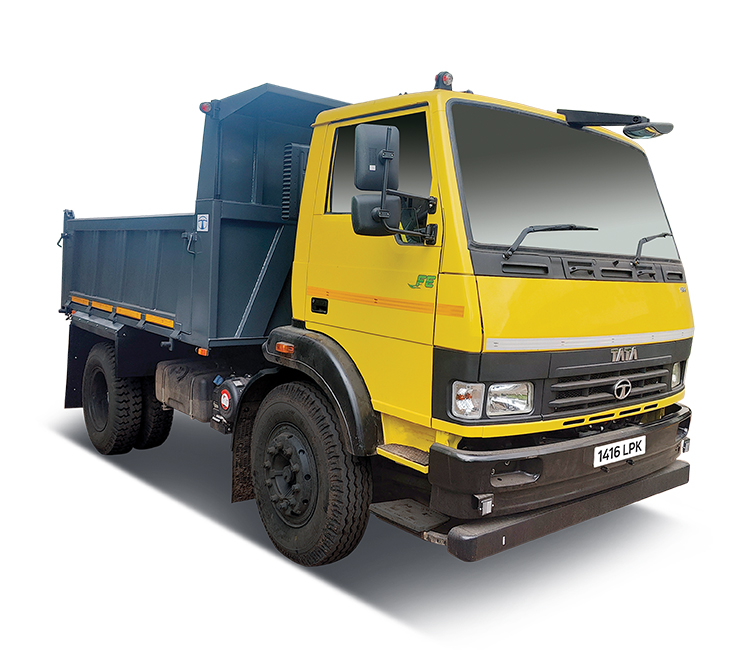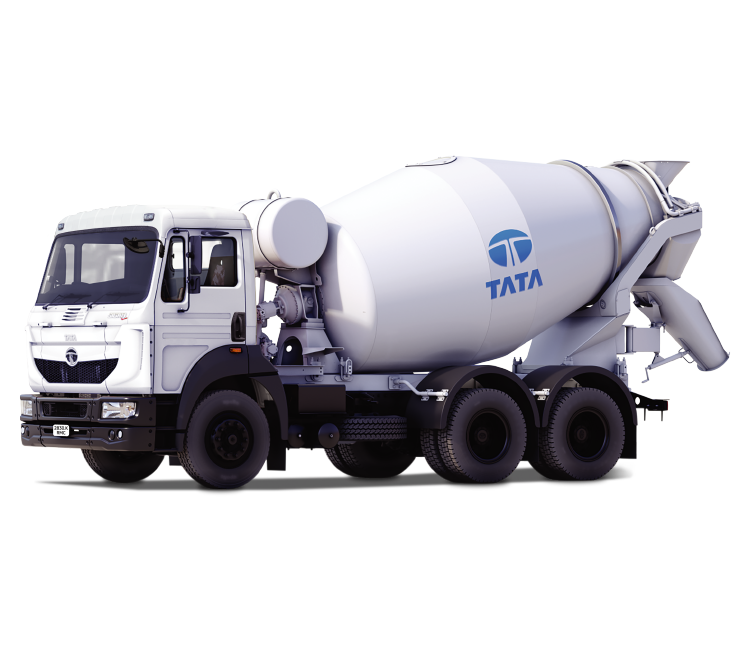
Tata Motors’ electric truck range has been designed with one non‑negotiable: safety must move in lockstep with the shift to zero‑emission freight. From cabin structures to intelligent electronics, every EV truck in the Trucks.ev portfolio is built to protect the driver, the cargo and everyone else on the road.
Crash-tested cabins: safety starts with structure
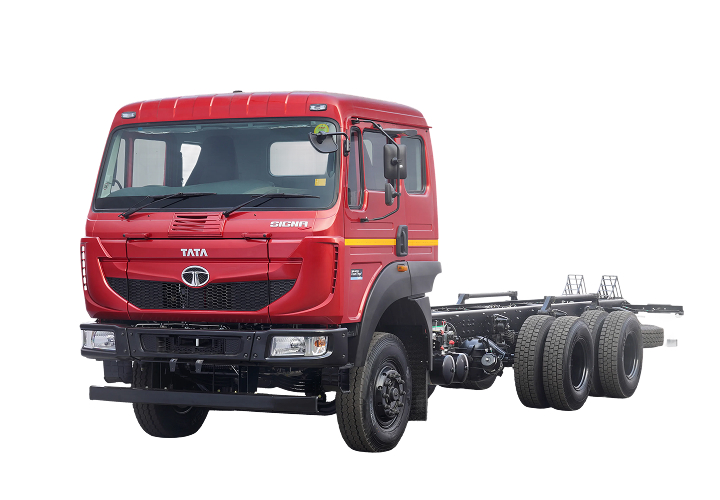
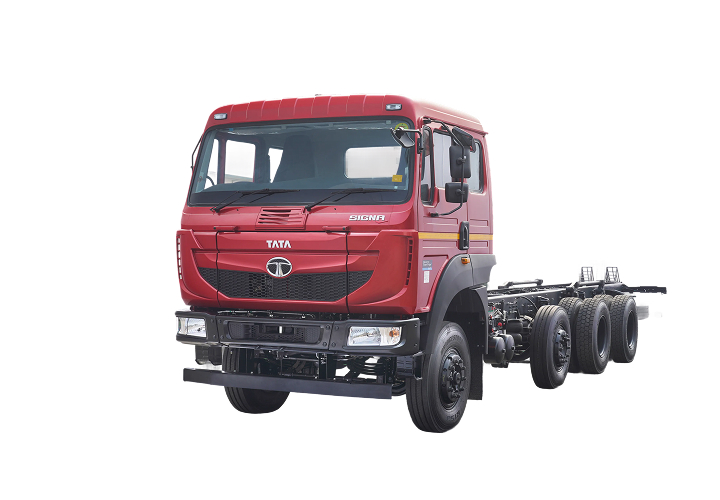
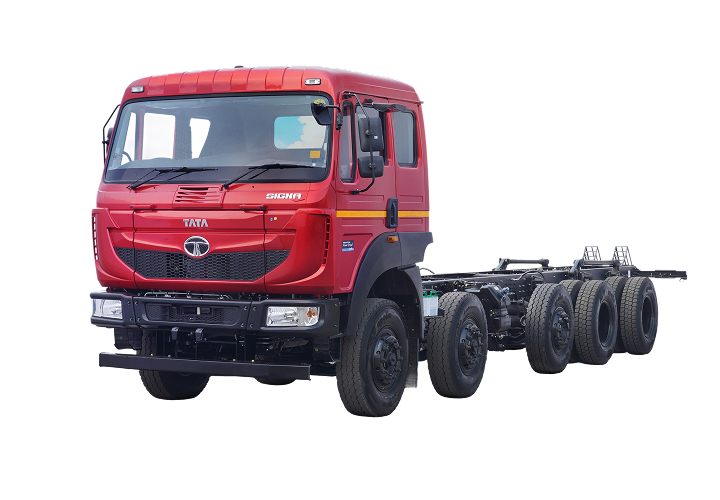
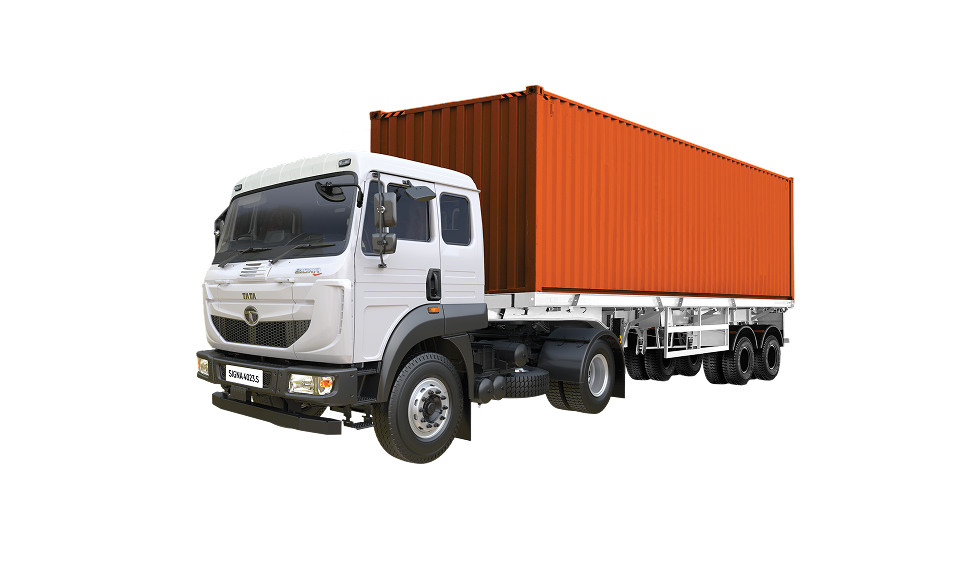
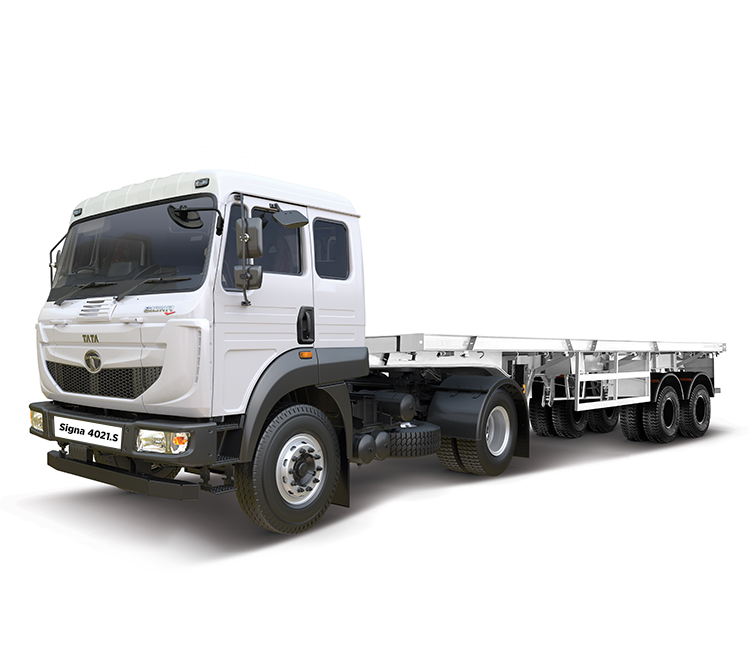
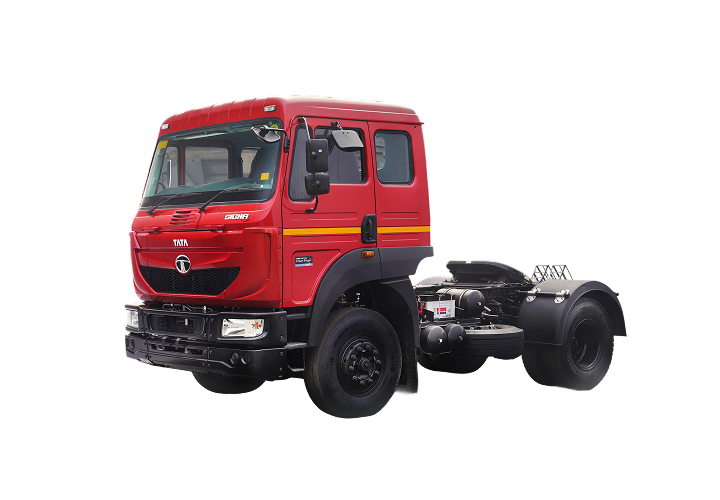
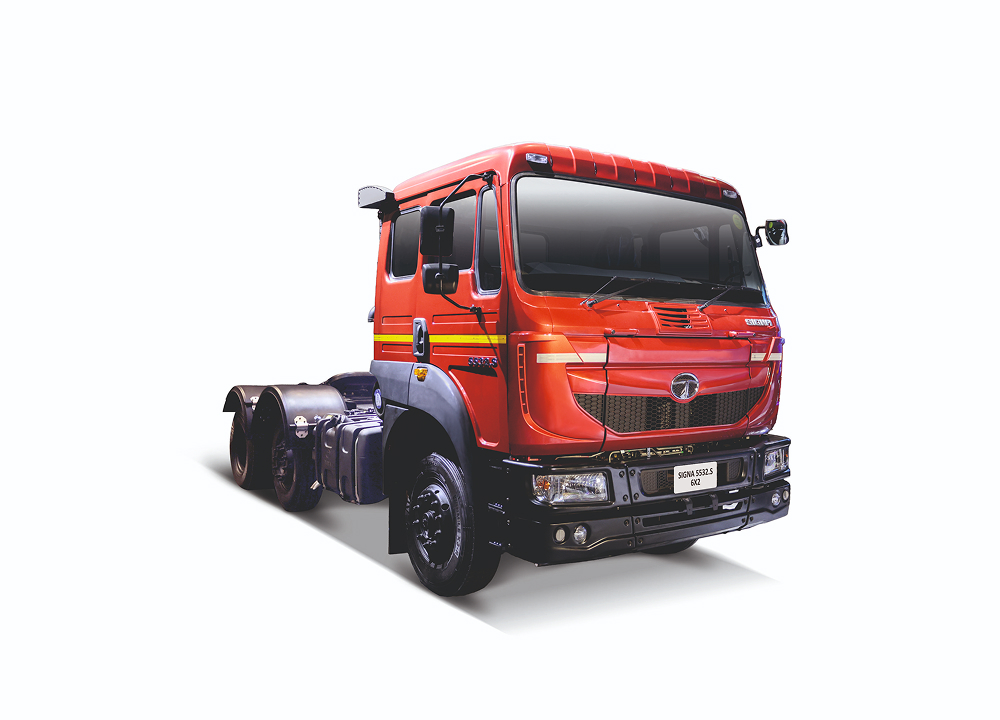
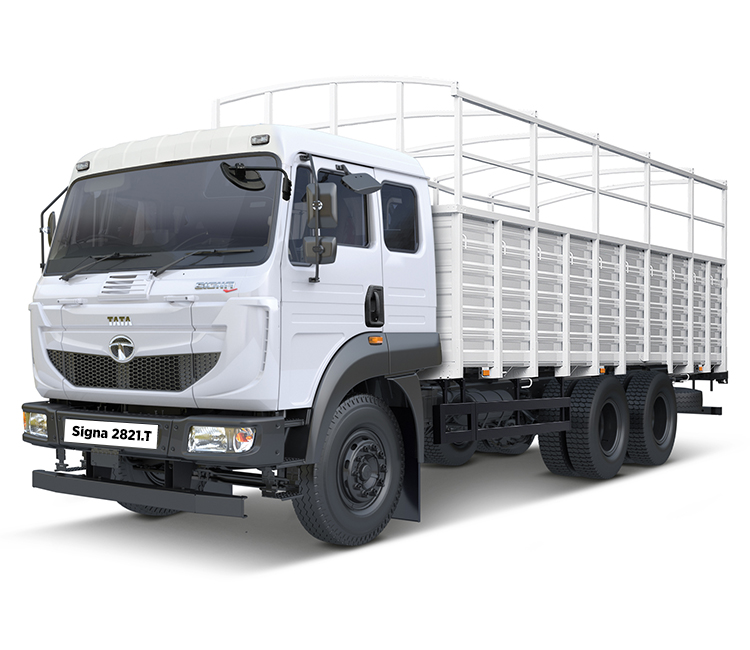
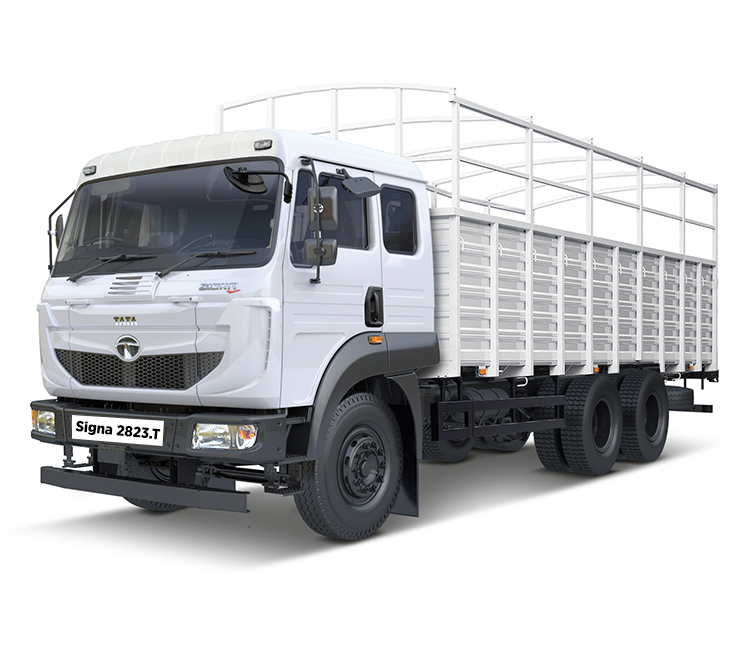
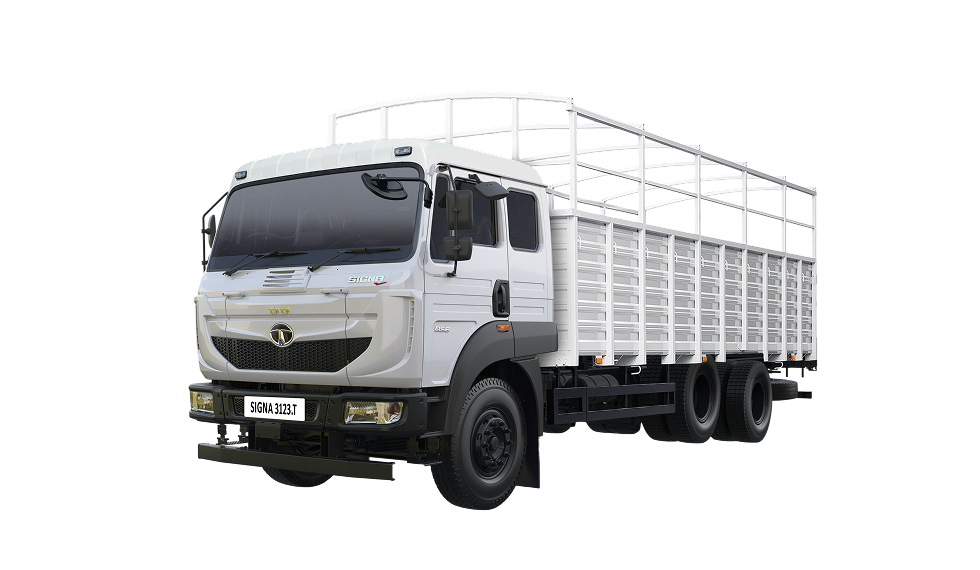
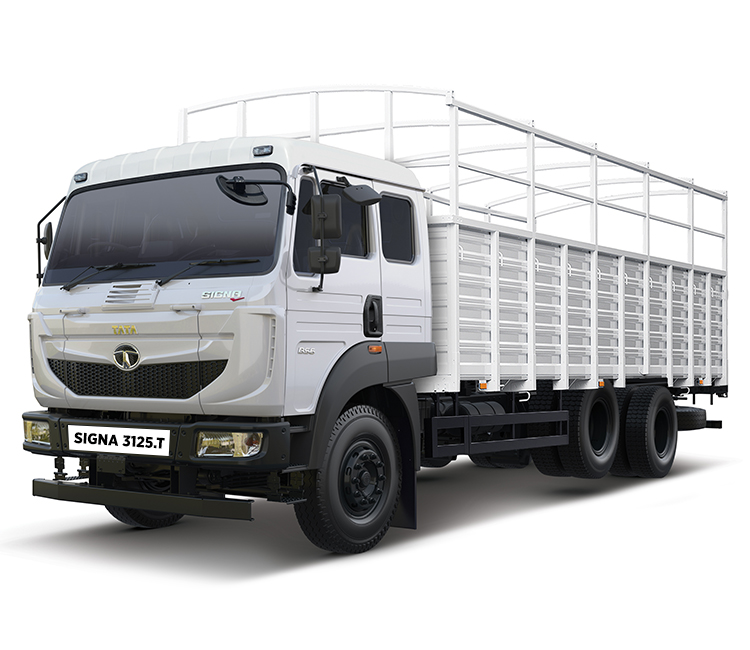
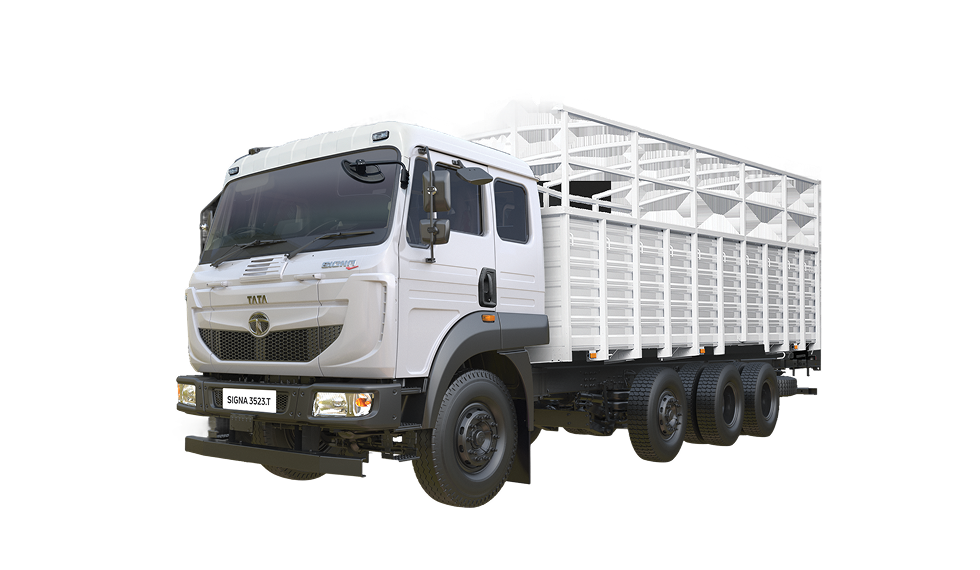
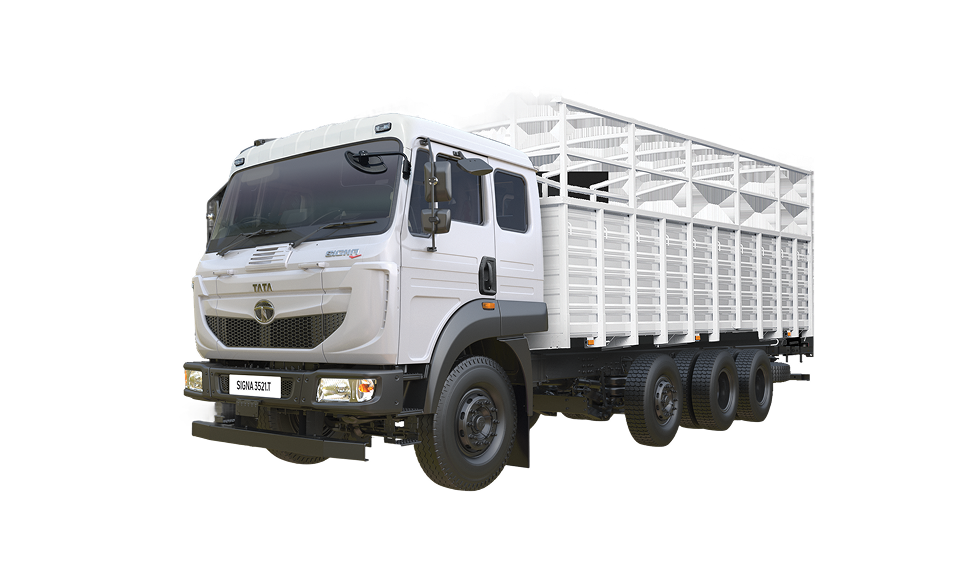
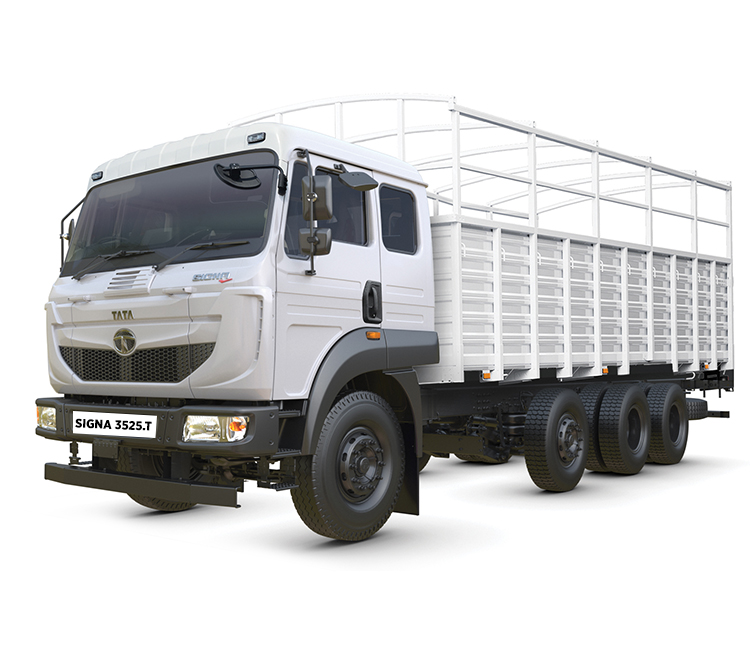
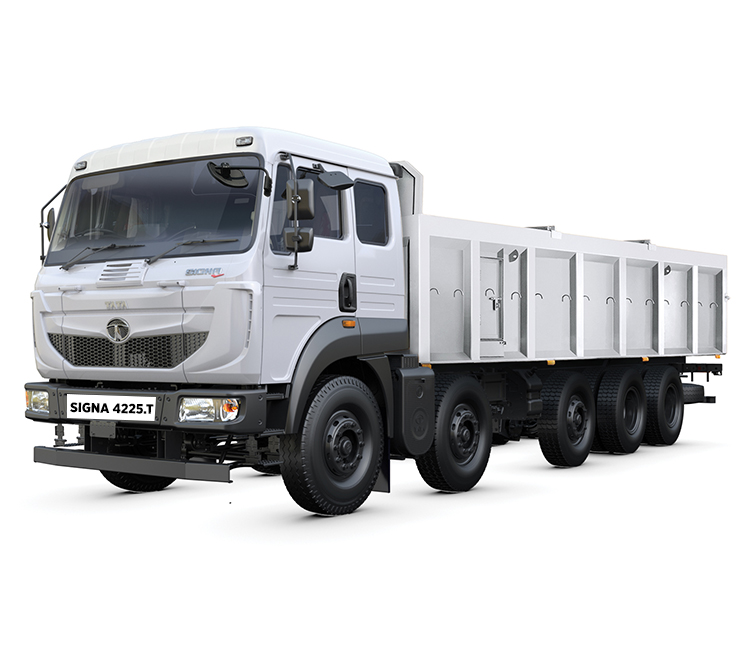
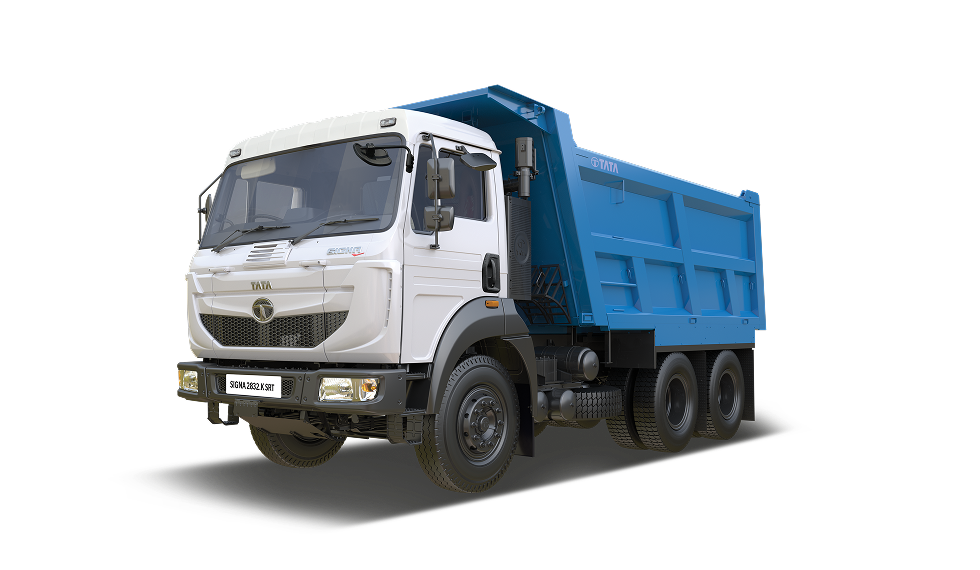
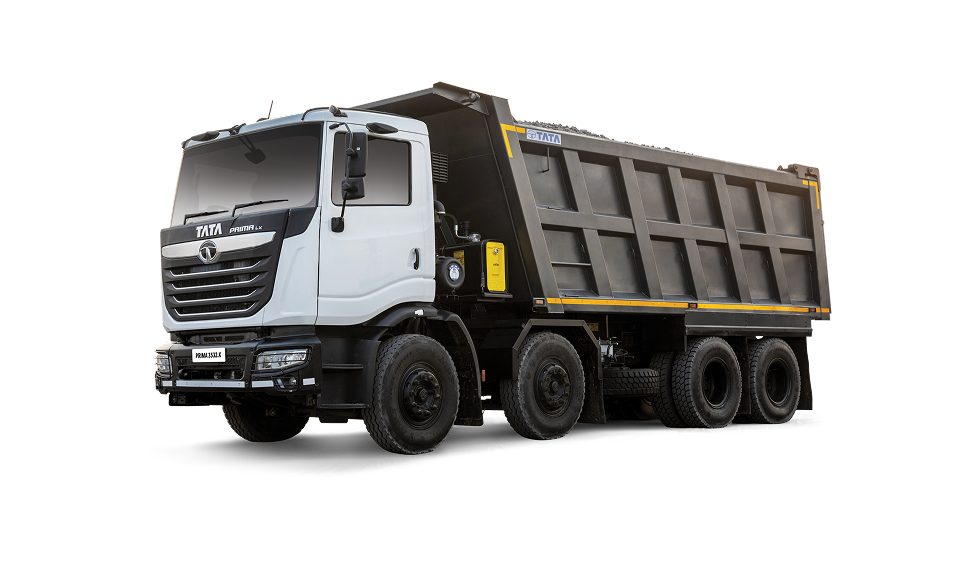
Tata Motors has upgraded its entire truck portfolio - including Prima, Signa, Ultra and the new Azura range - to meet the stringent ECE R29‑03 global crash safety standard. These cabins are engineered to withstand full frontal, rollover and side impacts, giving drivers a protective safety cell that is comparable to European norms.
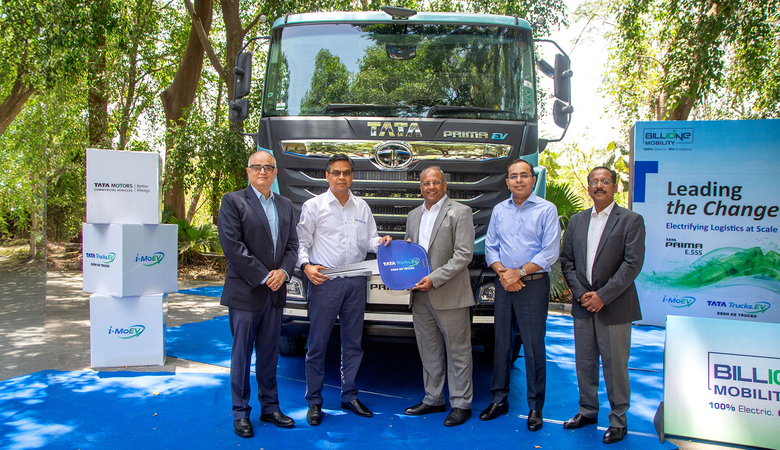
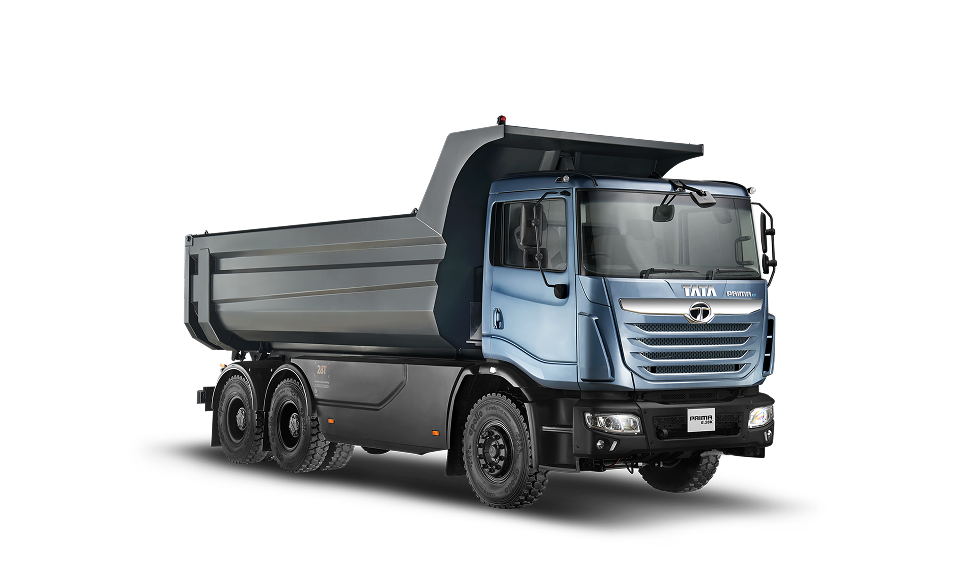
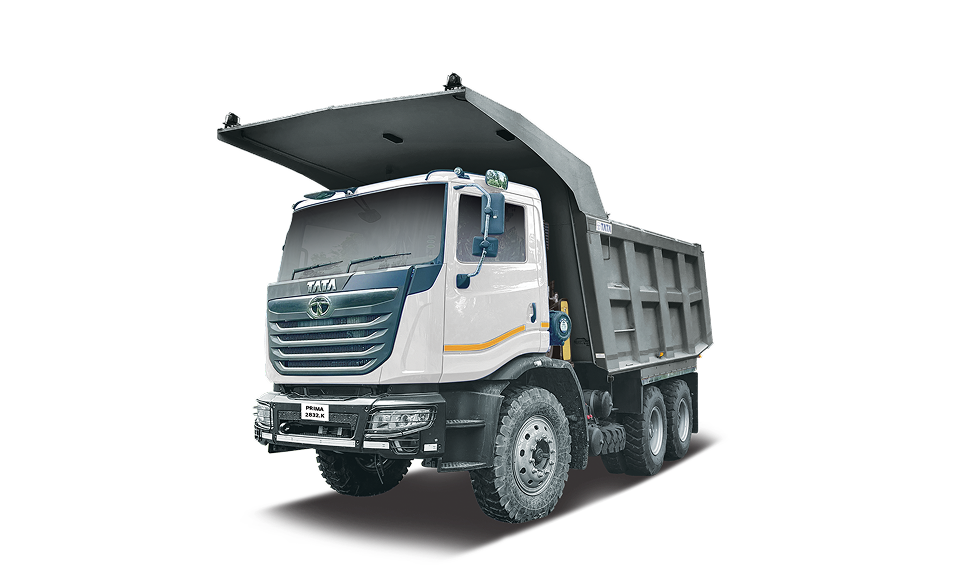
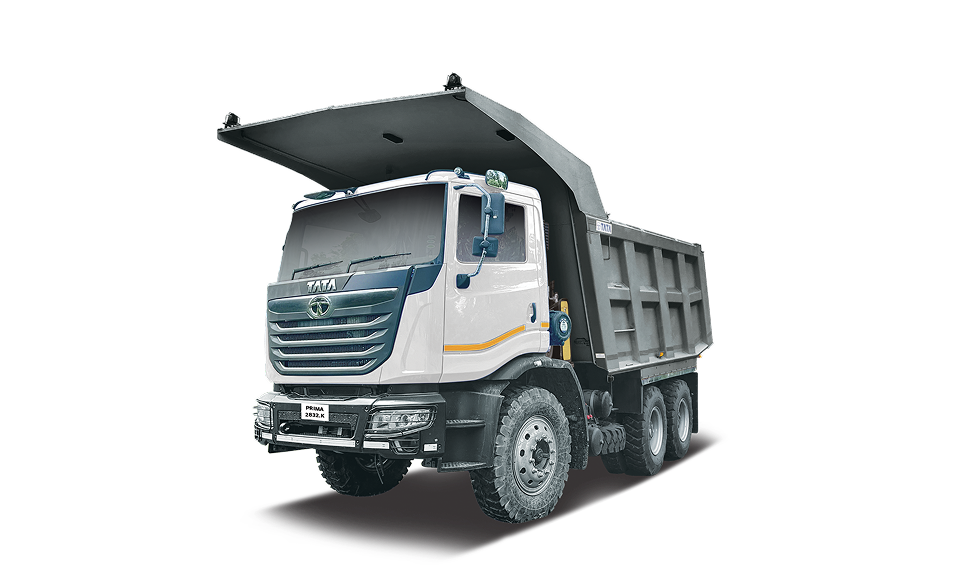
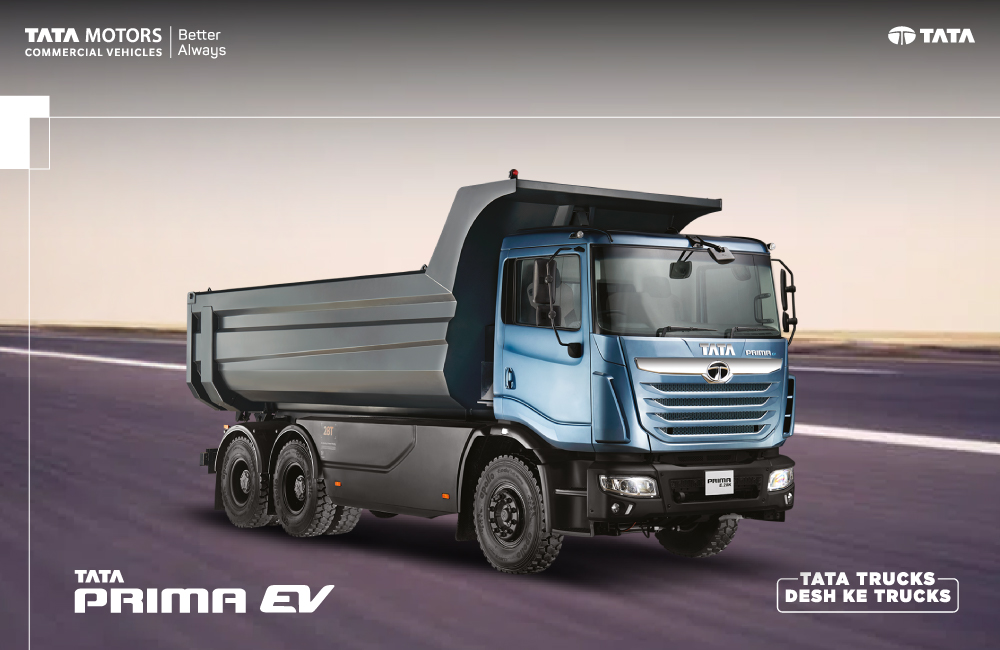
For EV models such as the Prima E.28K, the same philosophy applies. The cab structure, energy‑absorbing zones and reinforced pillars are designed to manage impact forces away from the occupant space, while also securely housing high‑voltage components behind multiple protection layers. In practical terms, this means that even in severe accidents, the cabin is far better equipped to maintain its integrity and reduce injury risk for the driver.
Active safety: trucks that help the driver
Modern Tata EV trucks are not just safer when things go wrong; they actively work to prevent things from going wrong in the first place. Select models now offer up to 23 India‑specific Advanced Driver Assistance Systems (ADAS) and active safety technologies. These include features like:
- Adaptive cruise control to help maintain safe distances on highways.
- Lane departure warning and lane keeping support to reduce the risk of unintentional lane changes.
- Collision mitigation systems and forward collision warnings to alert the driver and assist with braking when obstacles are detected.
- Blind‑spot and mirror‑overlay information systems for better visibility around large trucks.
On the EV side, trucks such as the Prima E.28K tipper add Electronic Braking System (EBS) and Electronic Stability Control (ESC) as standard. These systems monitor wheel speeds, steering input and vehicle dynamics, then automatically adjust brake pressure and motor torque to maintain stability - especially important on wet roads, sharp curves and downhill gradients with heavy loads.
Tata Motors also layers on a suite of driver‑monitoring features such as seatbelt reminders, distraction and drowsiness alerts, “phone‑on‑ear” alerts and driver monitoring systems. Together, these keep the driver more aware of their own fatigue and habits over long shifts - crucial in a segment where human error remains a major cause of accidents.
EV-specific safety: managing high voltage and braking
Electric trucks bring new safety considerations: high‑voltage batteries, powerful electric motors and strong regenerative braking. Tata’s Trucks.ev line addresses this with robust electrical and braking design.
In the Prima E.28K, for instance, a 6‑phase permanent‑magnet traction motor and 453 kWh battery pack are governed by advanced controllers and a battery management system that constantly monitors temperature, voltage and current. Multi‑level isolation, fusing and interlock systems are built in so that, in the event of a severe impact or electrical fault, high‑voltage circuits can be safely disconnected.
Braking is handled by S‑Cam air brakes with low‑noise liners, tuned to work seamlessly with EBS‑enabled regenerative braking. When the driver decelerates, the motor first acts as a generator to slow the truck and recover energy; the air brakes step in progressively, giving strong, predictable stopping power while reducing wear on mechanical components. This dual‑layer approach not only improves safety but also maintains consistent braking performance under full load and on long descents.
Connected safety: protecting cargo and uptime
Safety for Tata Motors also means protecting cargo and uptime, not just occupants. The company’s connected platform provides real‑time monitoring of vehicle health, driver behaviour and location for its next‑generation trucks. Fleet operators can receive alerts on harsh braking, sharp cornering, overspeeding and extended idling, and then coach drivers to adopt safer habits.
For EV fleets, telematics data helps plan charging, avoid risky routes and schedule preventive maintenance before minor issues become safety threats. Features like geo‑fencing and route replay add another layer of security for high‑value cargo, ensuring that deviations from the planned path are flagged early.
By combining crash‑tested cabins, intelligent electronics, EV‑specific safeguards and connected fleet intelligence, Tata Motors’ electric trucks are built to deliver on a simple promise: the transition to cleaner freight should never come at the cost of safety -for drivers, for cargo or for India’s roads.