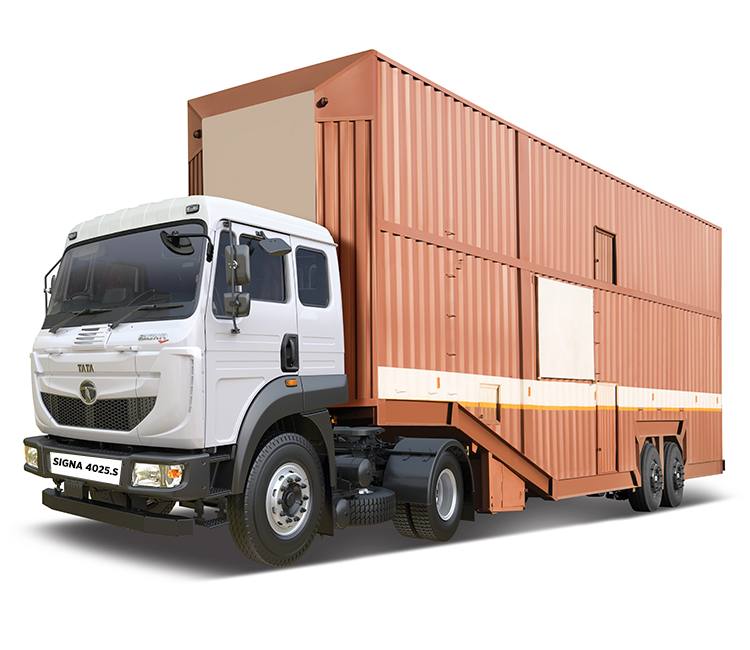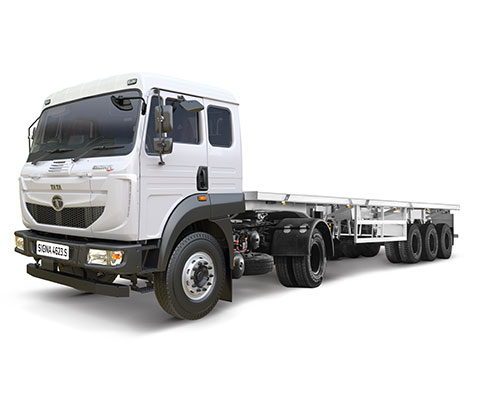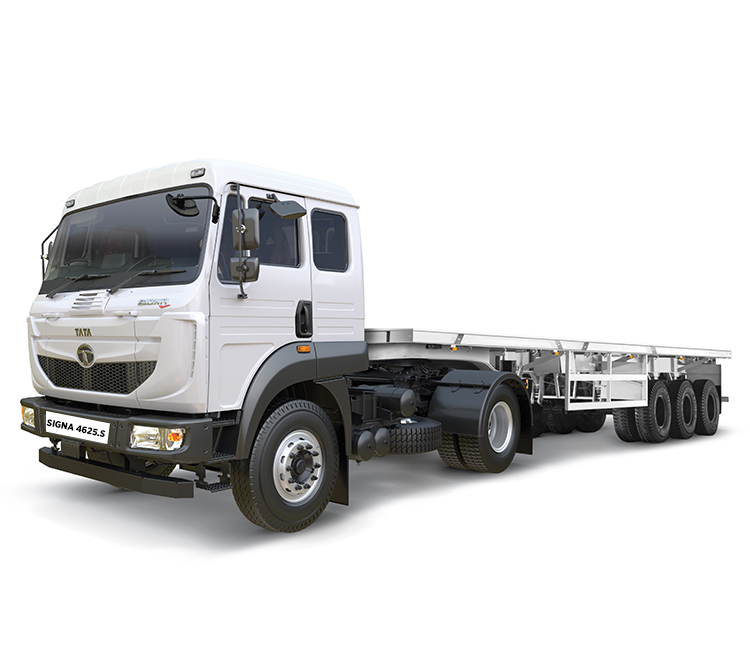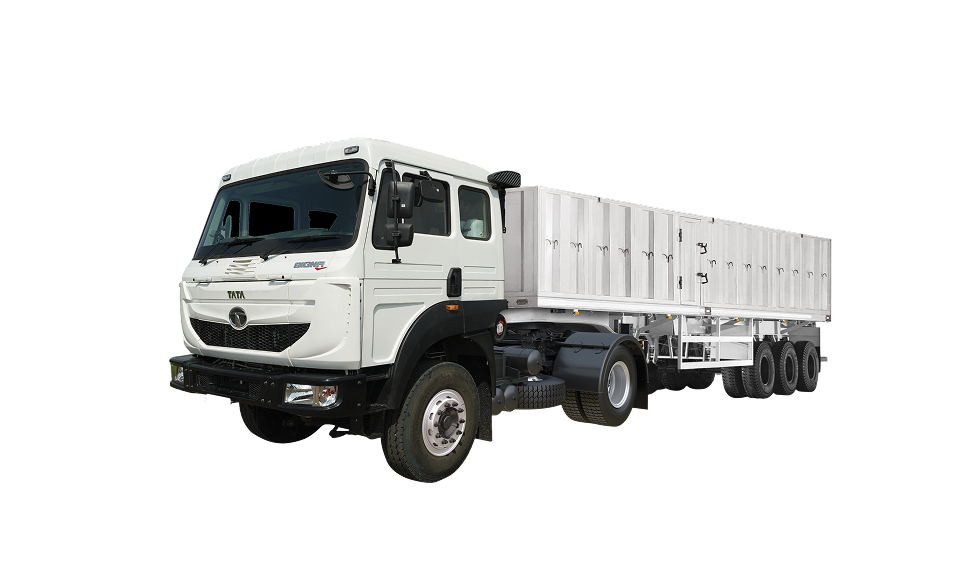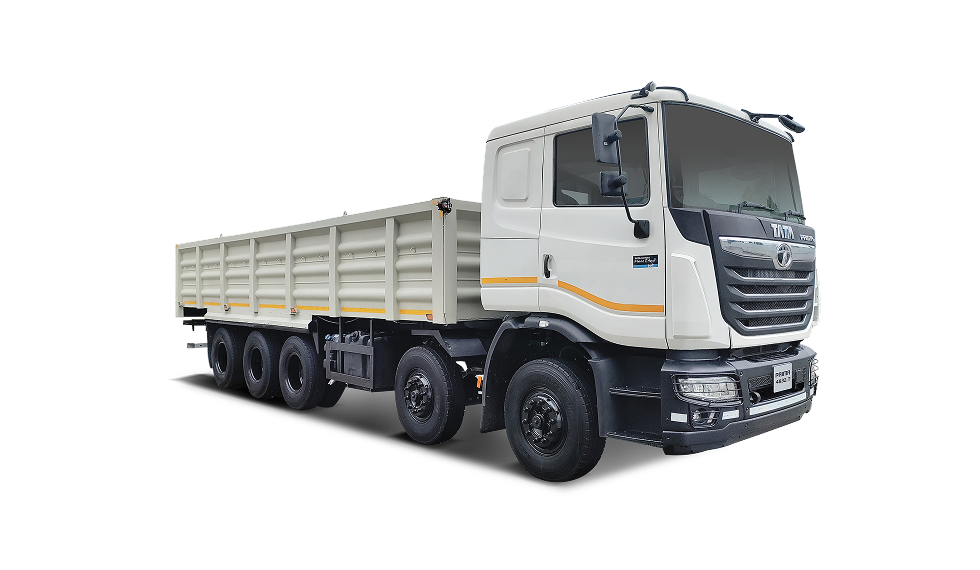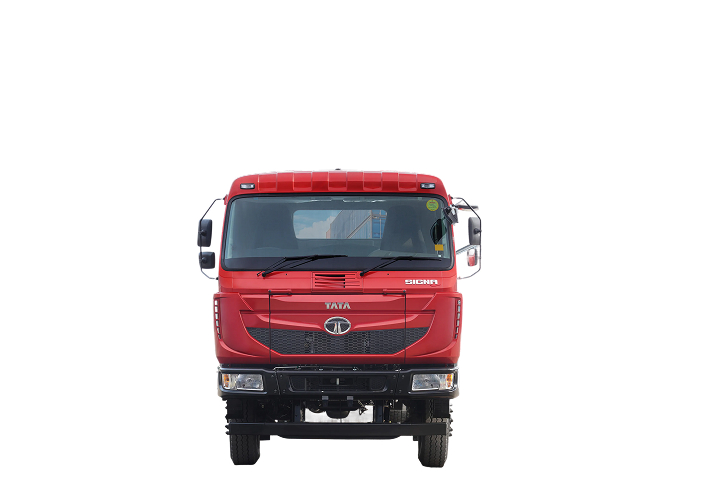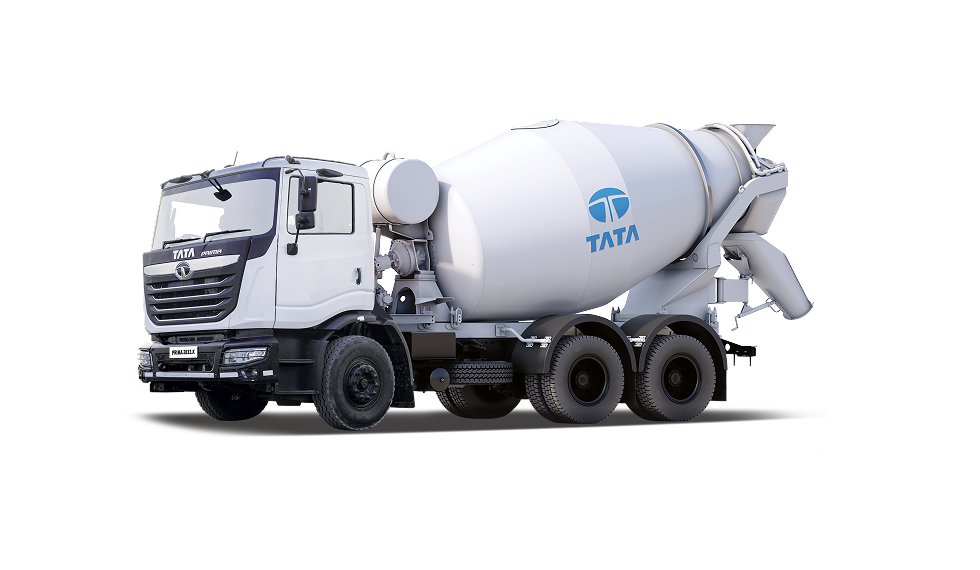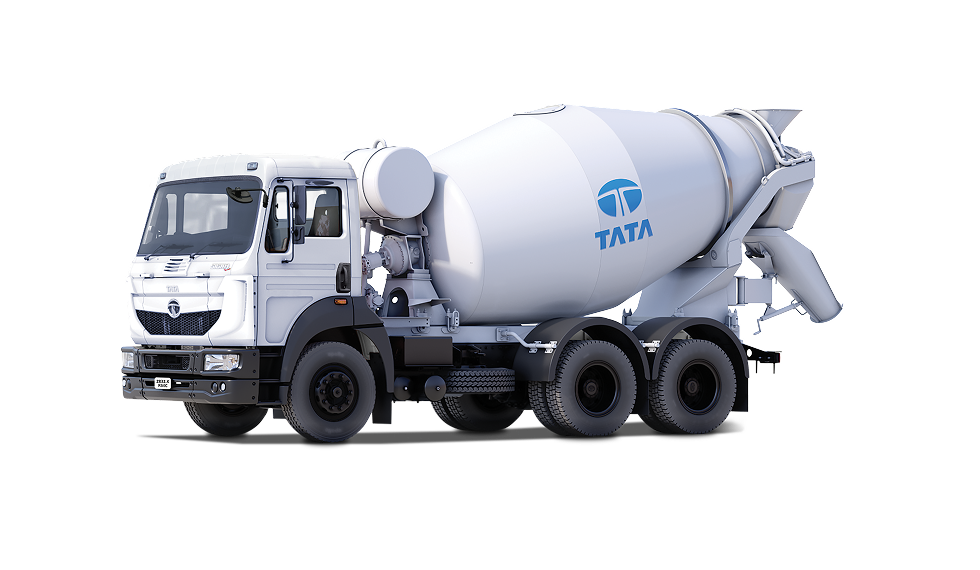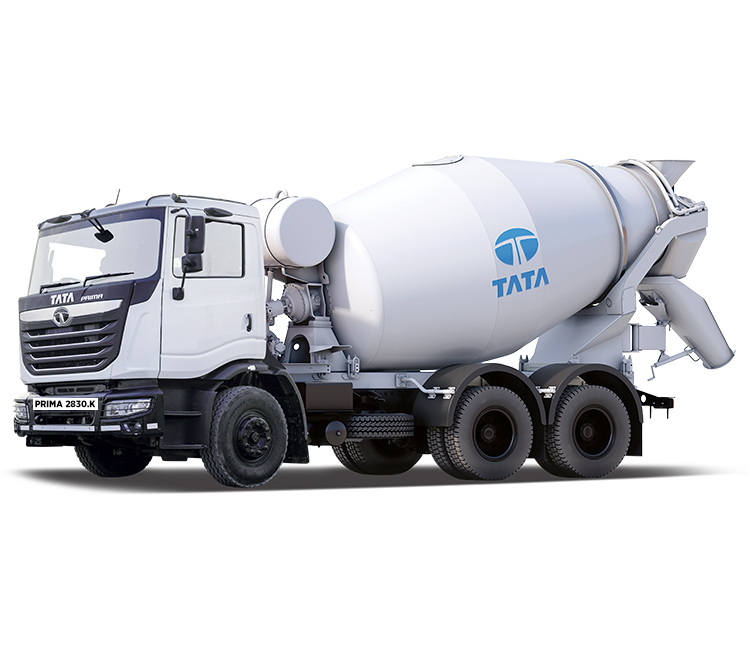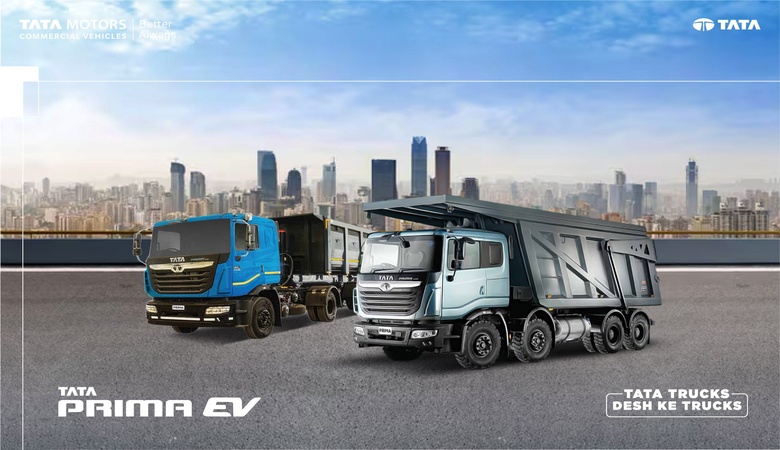
India's commercial vehicle industry stands at the intersection of sustainability imperatives and technological evolution. As the nation pursues its Net-Zero 2070 commitment, Tata Motors has emerged as a pioneer in engineering LNG-powered commercial vehicles that deliver both environmental responsibility and operational excellence. Through strategic partnerships, world-class aggregates, and relentless R&D investments across global design centres, the company is redefining what sustainable heavy-duty transport means for India's logistics sector.
Key Innovations in Tata LNG Vehicle Design
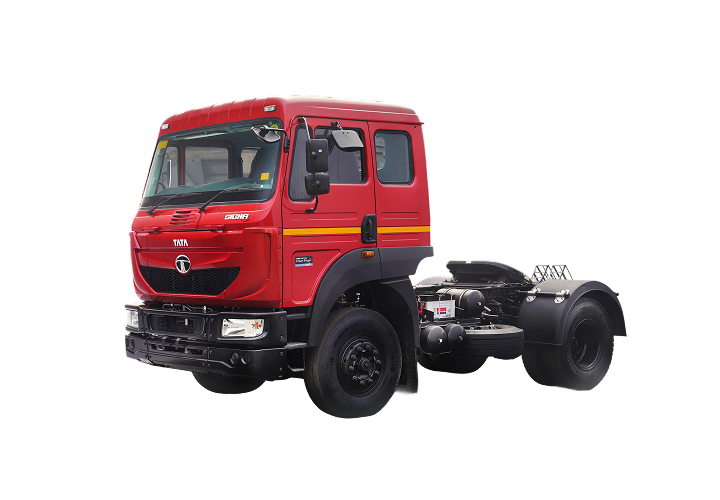
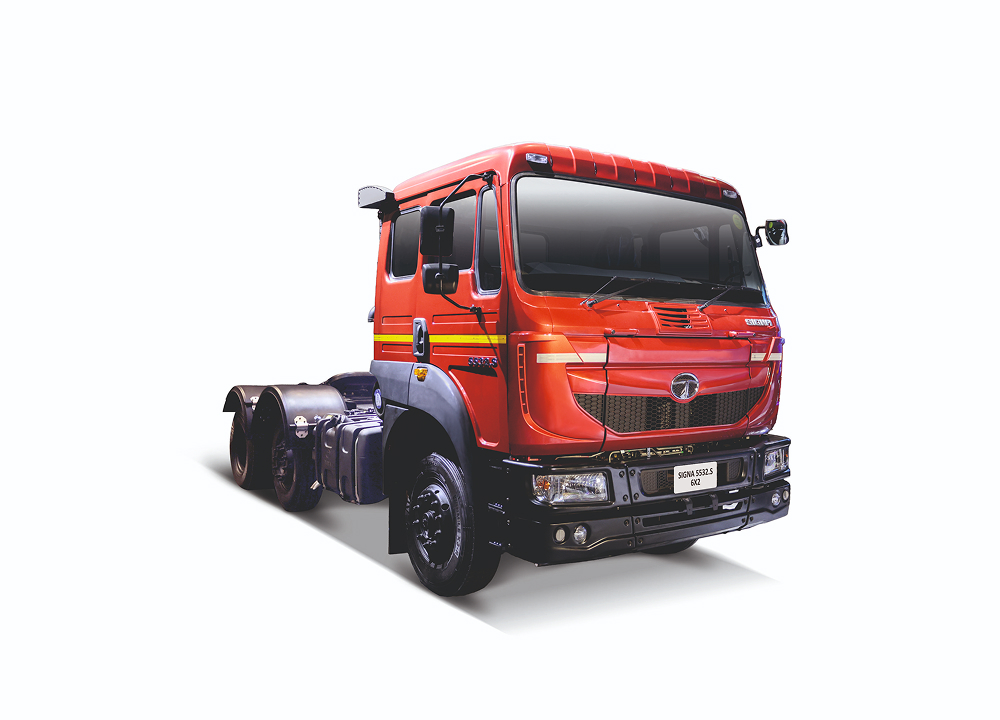
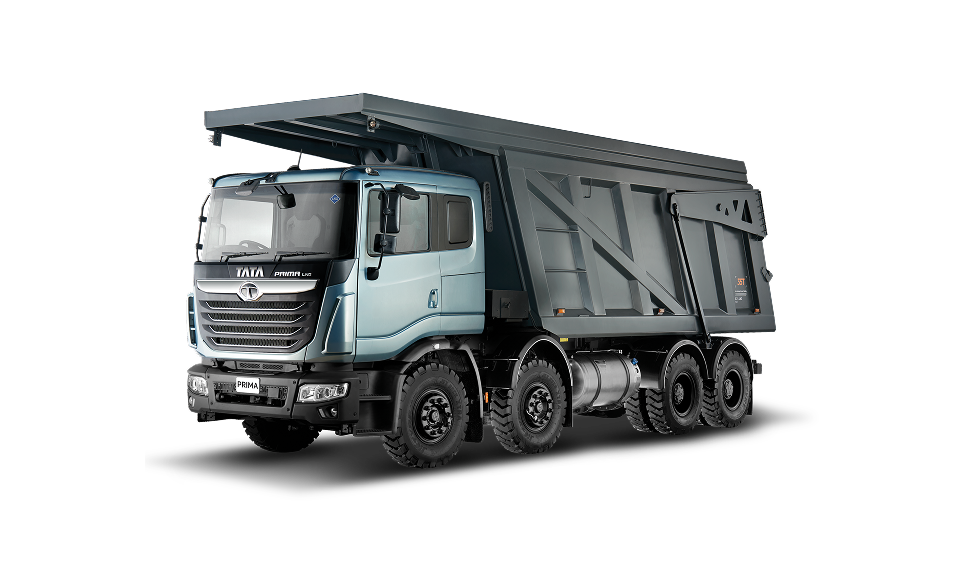
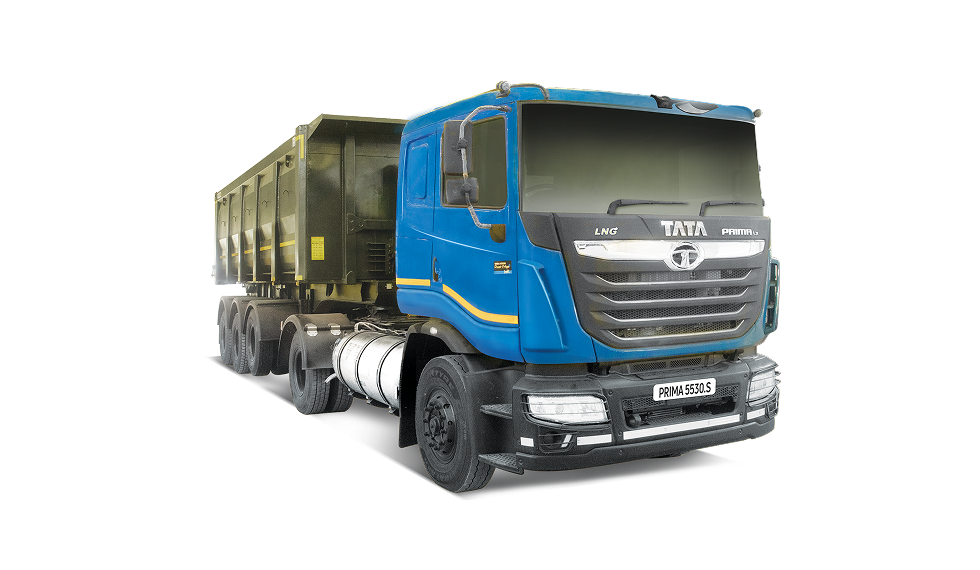
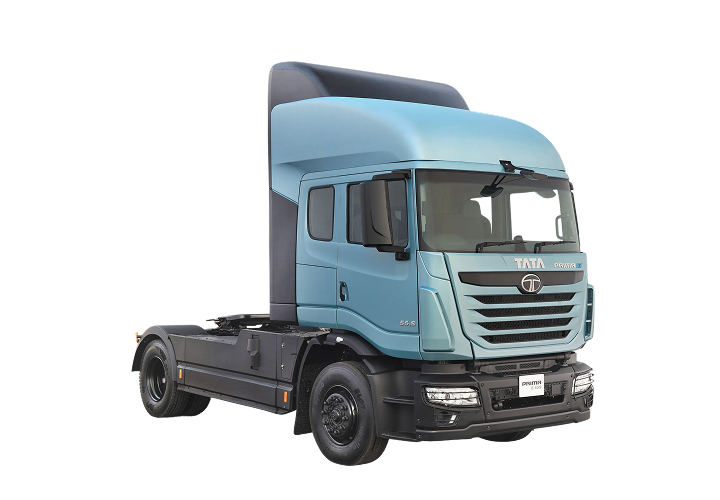
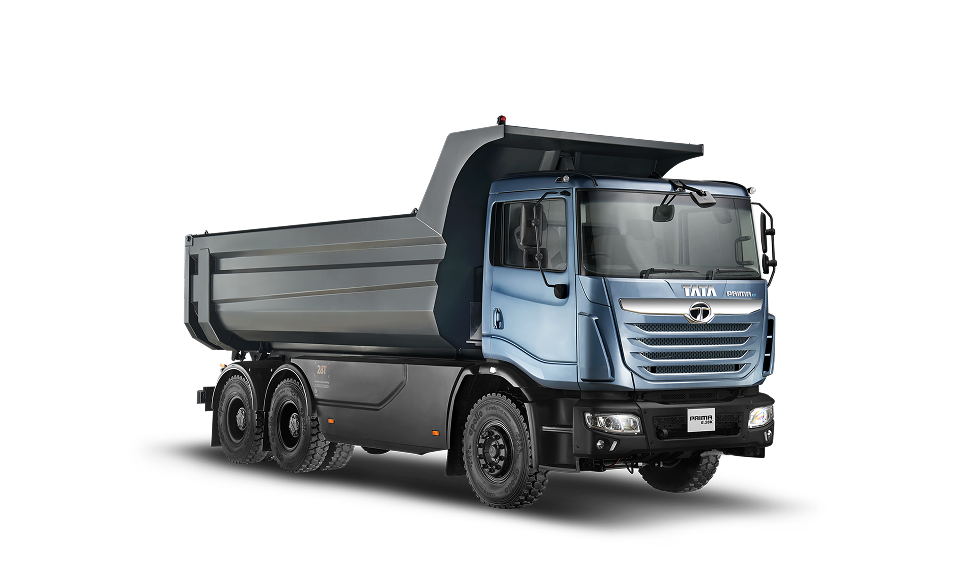
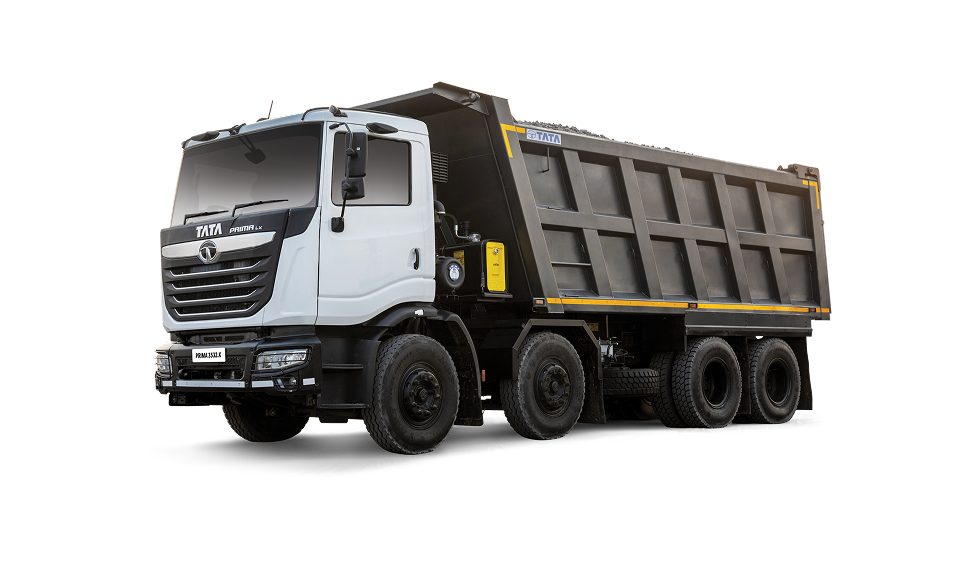
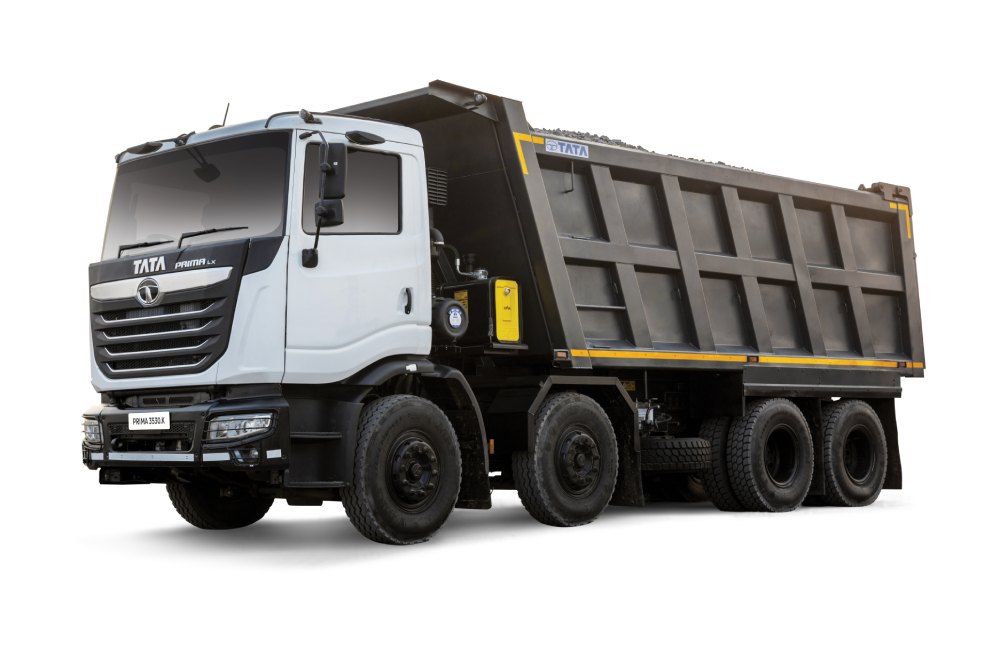
At the heart of Tata's LNG innovation lies the integration of world-class aggregates with proven platform engineering. The flagship Prima 5530.S LNG and Prima 3530.K LNG are powered by the fuel-efficient Cummins 6.7L Gas engine, a result of Tata Motors' three-decade partnership with Cummins Inc. through their joint venture Tata Cummins Private Limited. This powerplant delivers 280hp and 1,100Nm of torque, providing diesel-like performance while dramatically reducing emissions. The engine incorporates advanced fuel systems, turbochargers, and emission solutions from Cummins, coupled with Tata's strong integration capabilities to enhance reliability and performance.
The cryogenic tank technology represents another critical innovation. Tata's LNG trucks feature specially designed vacuum-insulated cryogenic tanks that maintain temperatures below -162°C, storing natural gas at 1/600th of its original volume. Available in both single and dual fuel configurations, the dual tank option delivers ranges exceeding 1,000 km, critical for long-haul operations where refuelling infrastructure is still developing. The tanks are robustly mounted with protective shielding against impacts and external damage, incorporating multiple valves and pressure relief devices to manage over-pressure situations safely.
Driver-centric innovations further distinguish Tata's LNG range. The premium Prima cabin enhances driver comfort during extended hauls, while the Gear Shift Advisor, an intelligent feature that recommends optimal shifting points, further optimizes fuel usage, improves efficiency, and reduces operational costs. All LNG trucks come factory-fitted with AIS 140-compliant Telematics Control Units featuring embedded 4G SIMs, connecting seamlessly to Tata's Fleet Edge platform. This connected vehicle ecosystem delivers real-time insights on vehicle health monitoring, driving behavior analysis, fuel efficiency metrics, and predictive maintenance alerts, enabling operators to maximize uptime and reduce total cost of ownership.
How Tata is Empowering the Next-Gen LNG Vehicles
Tata Motors' vision for next-generation LNG vehicles extends far beyond current product offerings. The company operates state-of-the-art design and R&D centres located in India, the UK, the US, Italy, and South Korea, focused on developing pioneering technologies that are both sustainable and suited to evolving market aspirations. This global innovation network enables Tata to leverage cutting-edge research while tailoring solutions specifically for Indian operating conditions, from highway gradients to extreme temperatures and payload requirements.
Strategic ecosystem partnerships amplify Tata's technological capabilities. The October 2025 MoU with THINK Gas aims to strengthen India's LNG refuelling infrastructure by jointly identifying potential freight corridors and logistics clusters for station expansion. This collaboration ensures that as Tata deploys advanced LNG vehicles, the supporting infrastructure scales in parallel, addressing the critical last-mile challenge that has historically constrained alternate fuel adoption. The partnership between Tata Motors and Cummins through TCPL Green Energy Solutions, established in March 2023, focuses on designing and developing low- and zero-emission propulsion technology solutions, including hydrogen internal combustion engines and fuel cell systems. This forward-looking collaboration positions Tata to seamlessly transition customers from LNG to even cleaner hydrogen technologies as infrastructure matures.
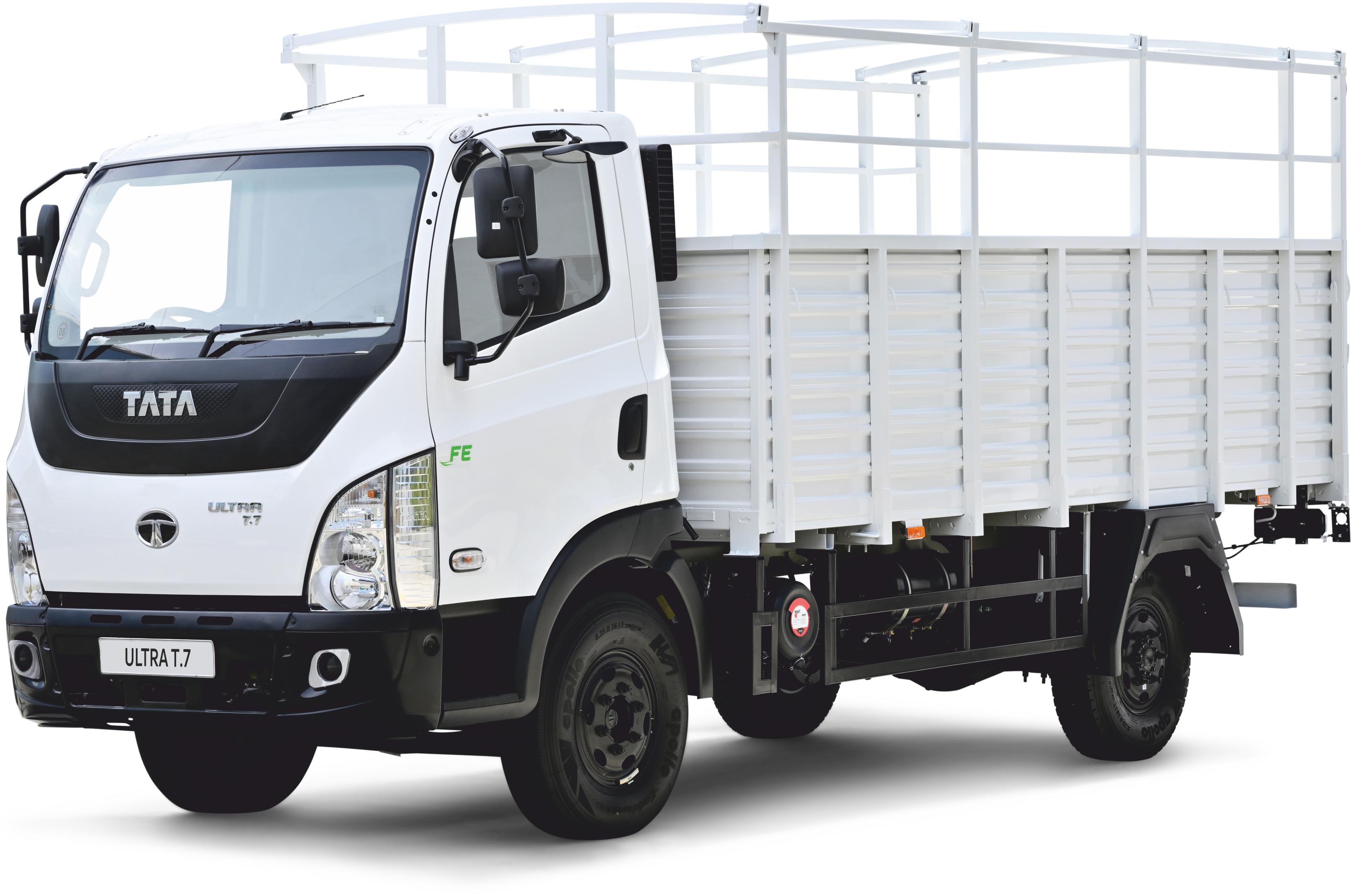
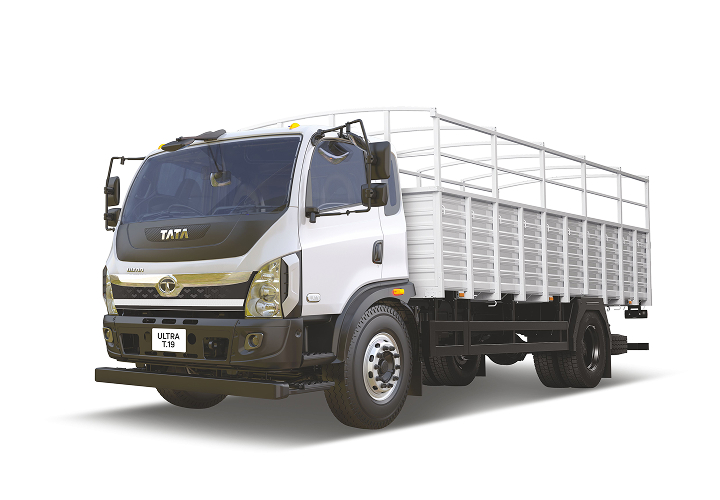
Tata Motors is also pioneering multi-fuel platform engineering that allows the same robust Prima and Ultra chassis architectures to accommodate diverse powertrains, from LNG to battery electric, hydrogen internal combustion, and hydrogen fuel cells. This modular approach reduces development timelines, leverages manufacturing efficiencies, and provides fleet operators with flexibility to choose the optimal fuel for specific routes and applications without sacrificing vehicle performance or safety standards.
Conclusion
Tata Motors' engineering innovations in LNG vehicle design demonstrate that sustainability and performance are not competing objectives but complementary outcomes of rigorous R&D and strategic partnerships. By combining world-class Cummins aggregates, advanced cryogenic systems, intelligent driver aids, and connected vehicle platforms with a commitment to ecosystem development, Tata has created LNG commercial vehicles that meet the immediate decarbonisation needs of India's logistics sector while building the foundation for future zero-emission technologies. As India accelerates toward its Net-Zero goals, Tata Motors' comprehensive approach, marrying proven engineering excellence with forward-thinking innovation, positions the company not just as a vehicle manufacturer but as an enabler of India's sustainable mobility transformation.