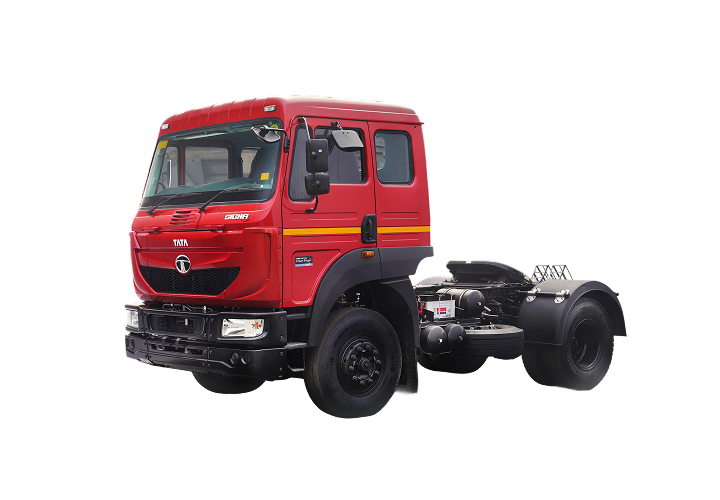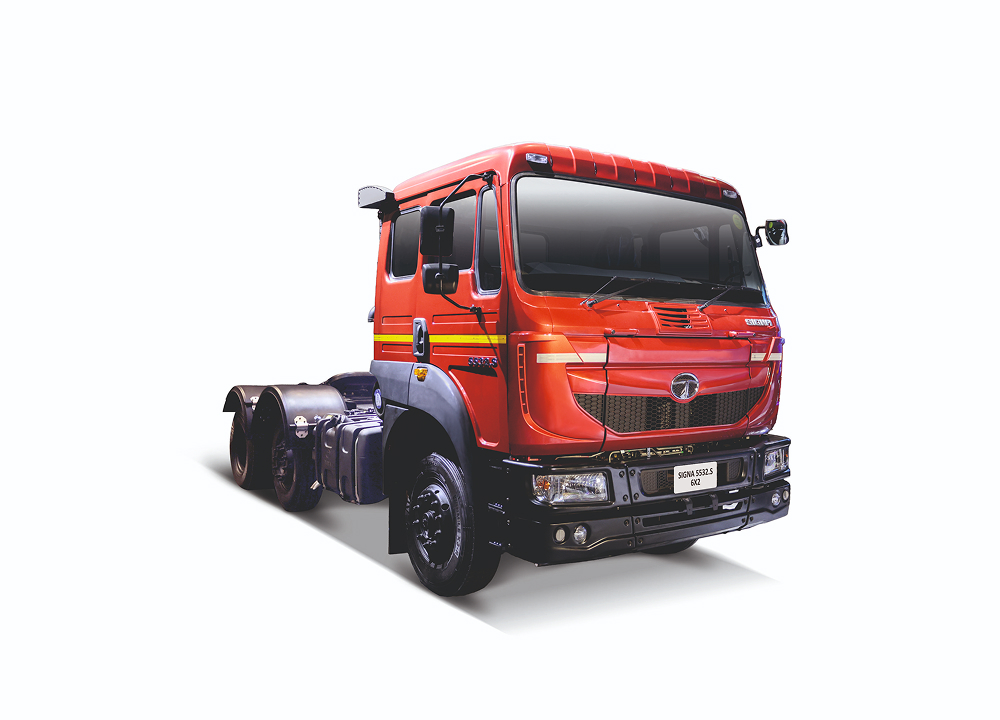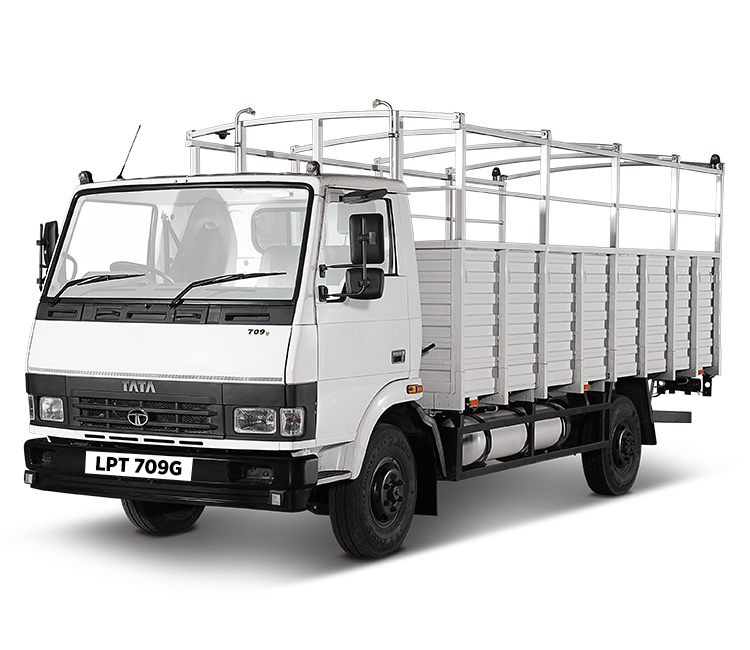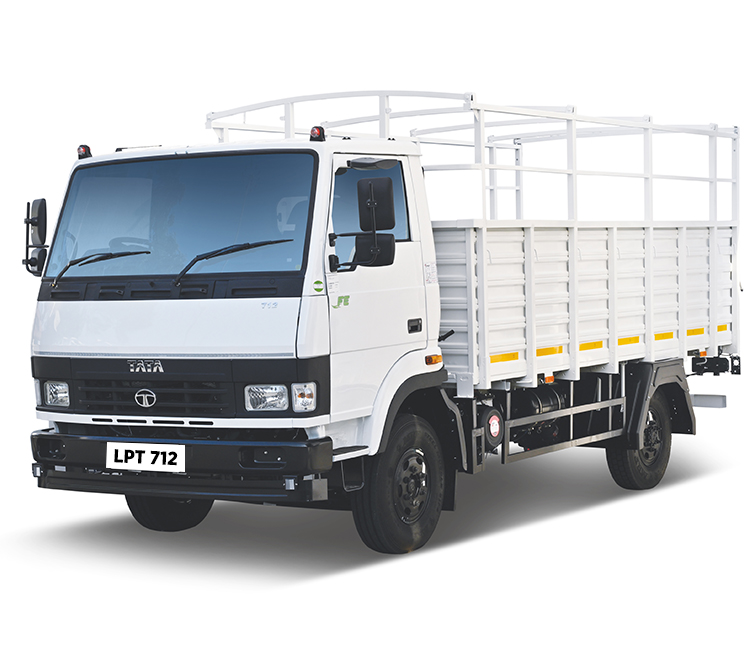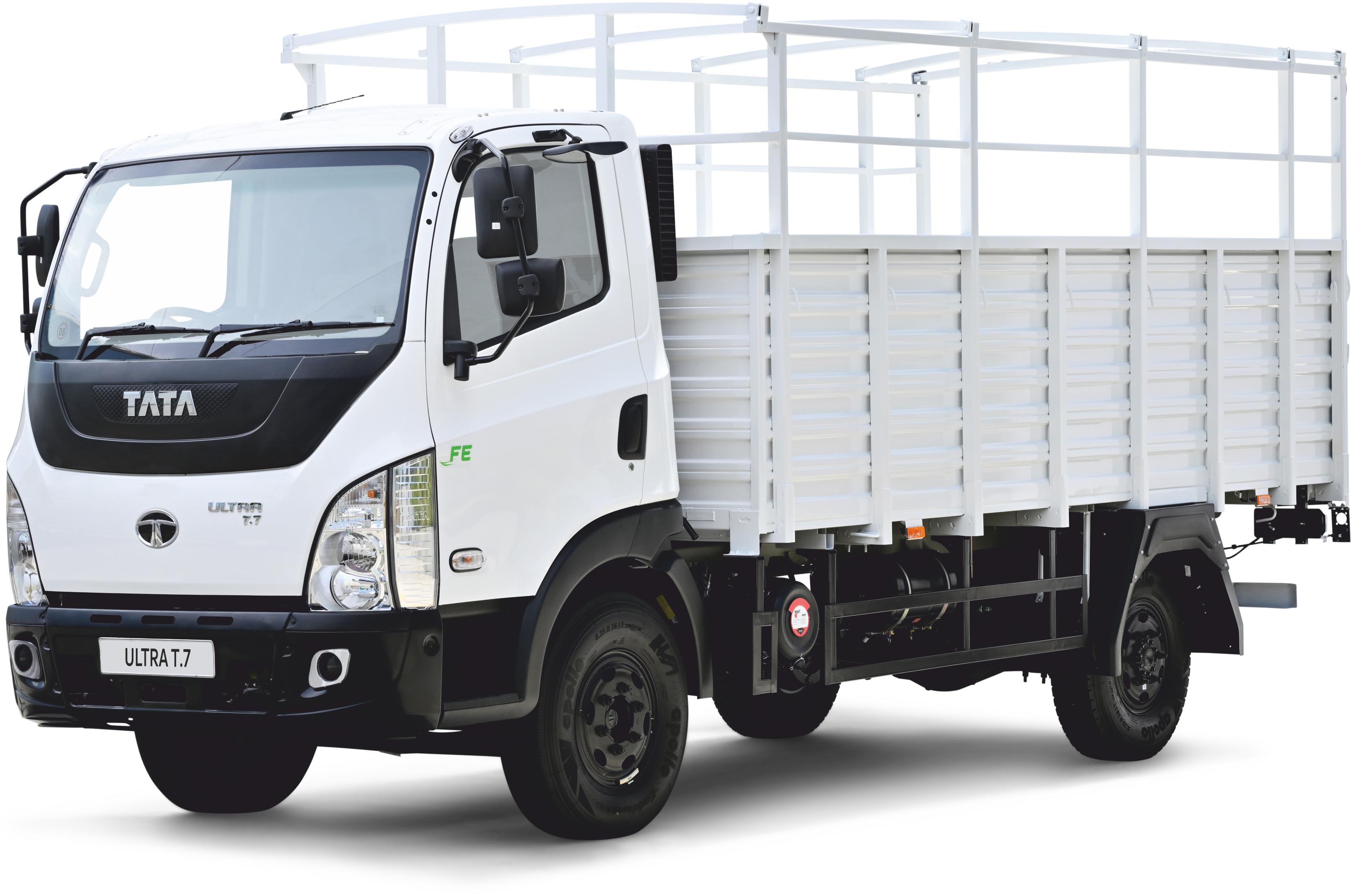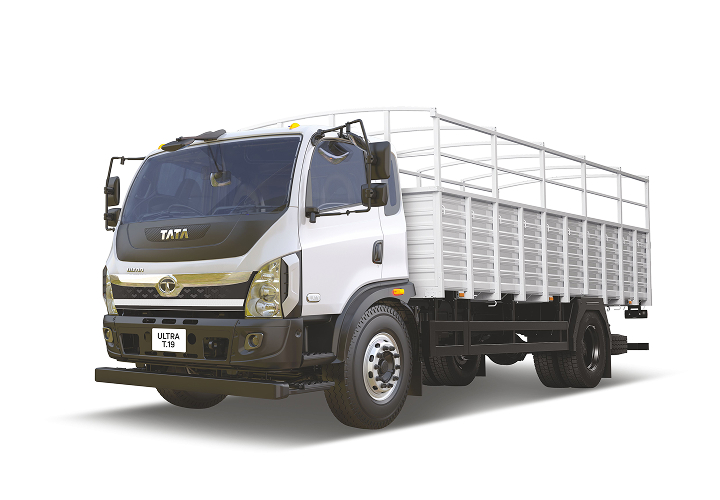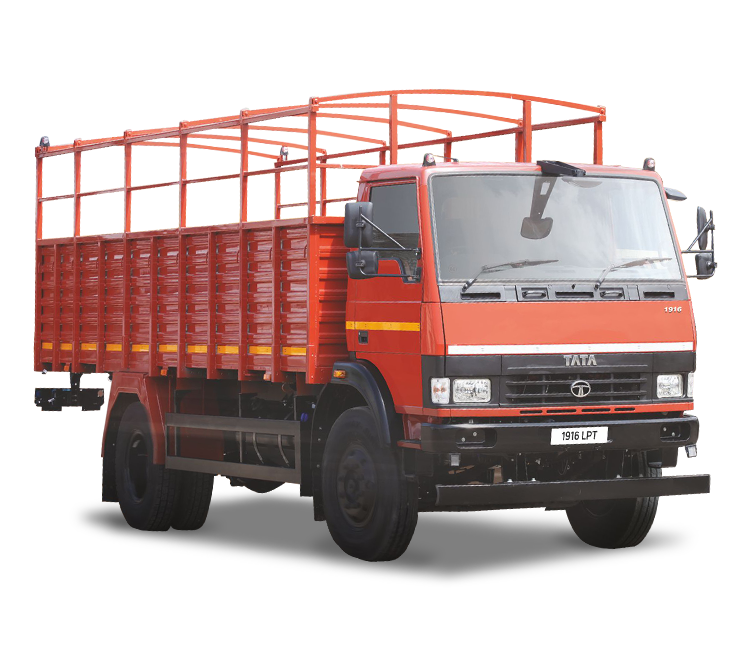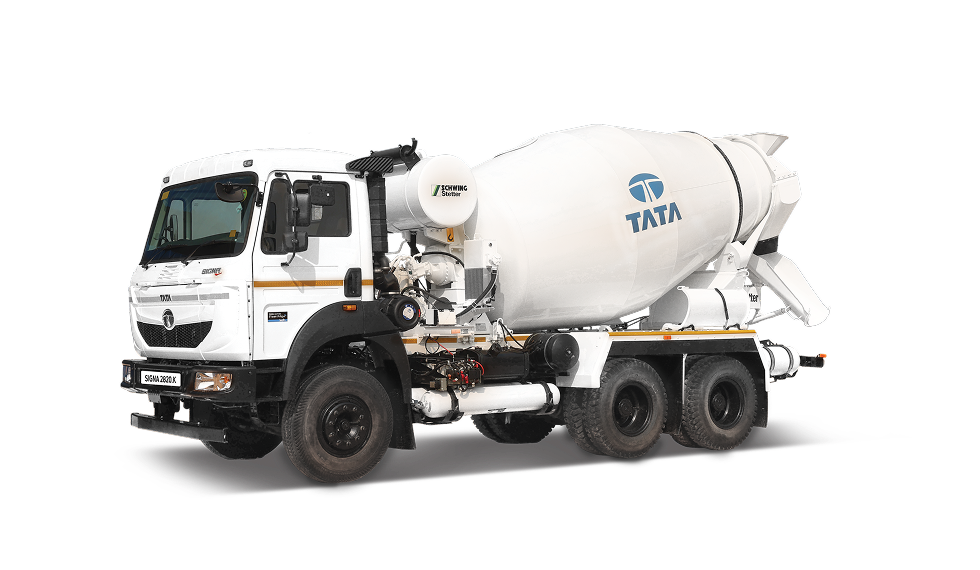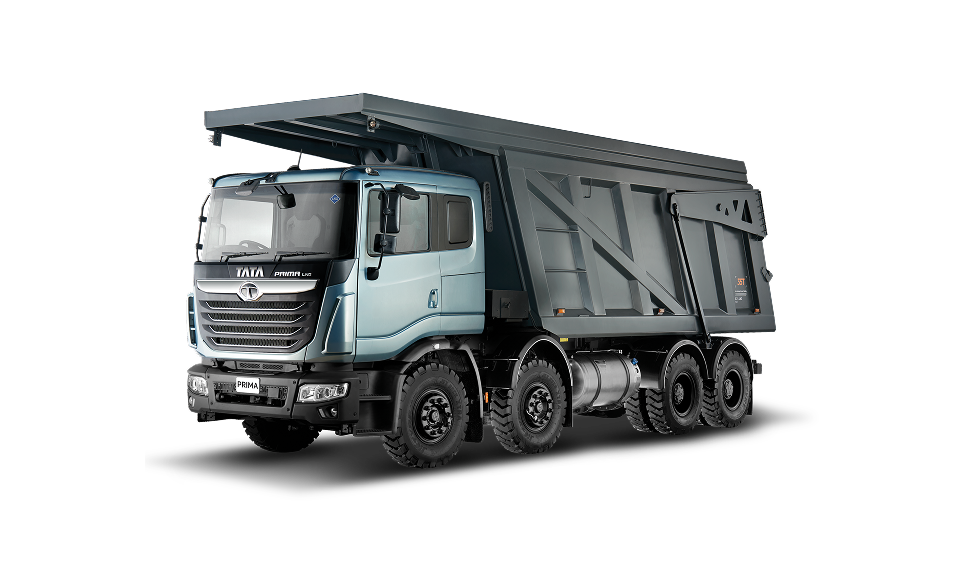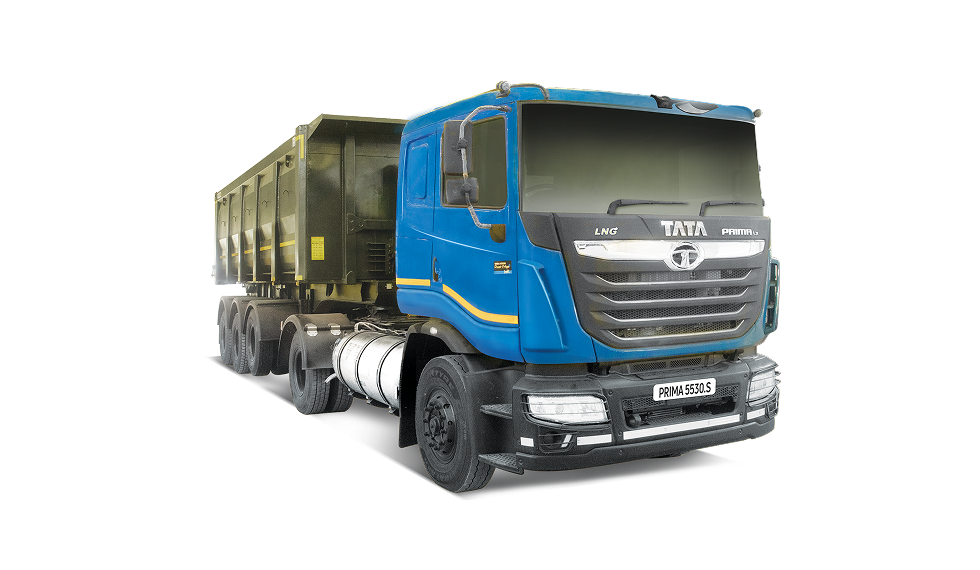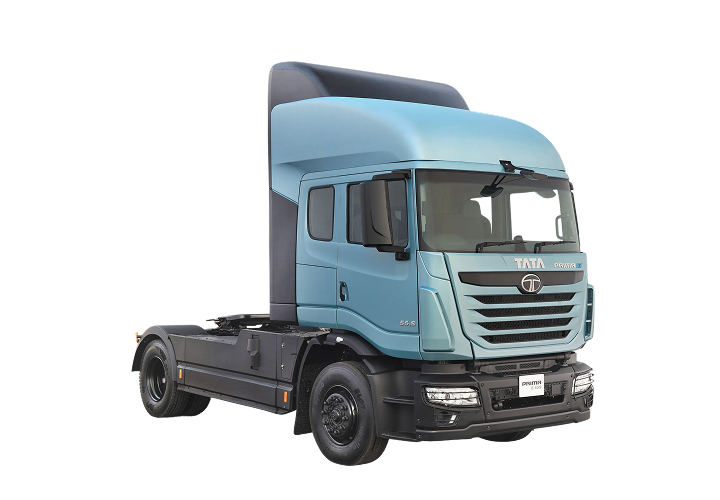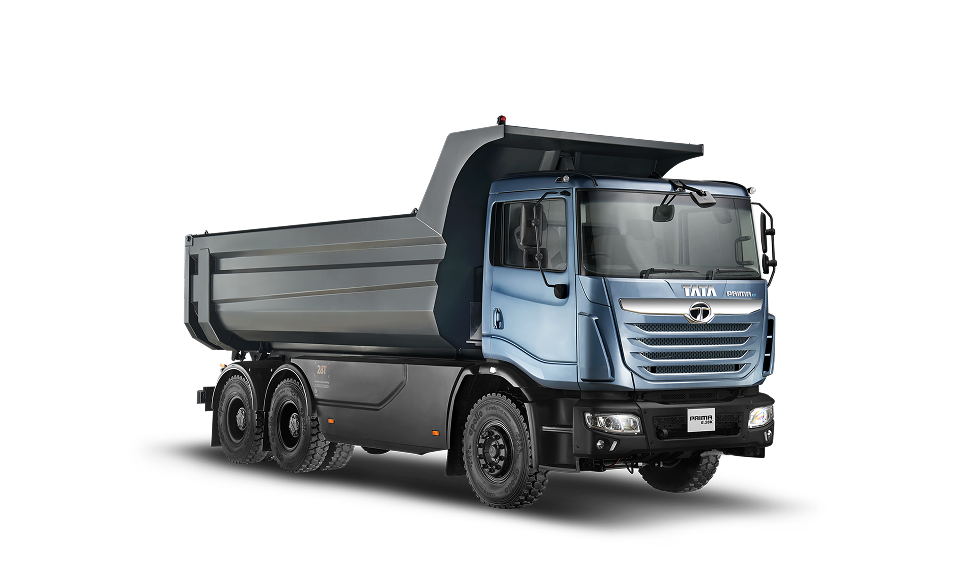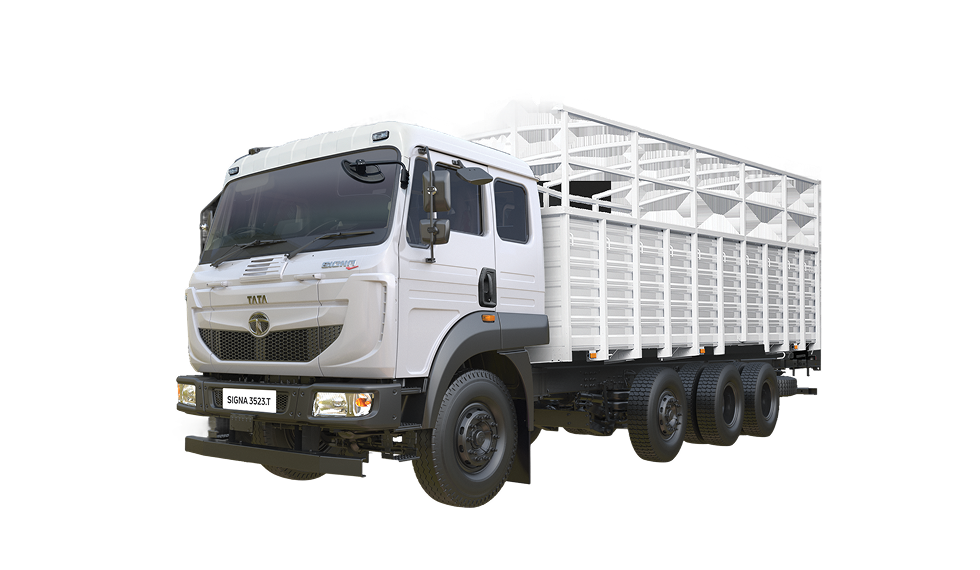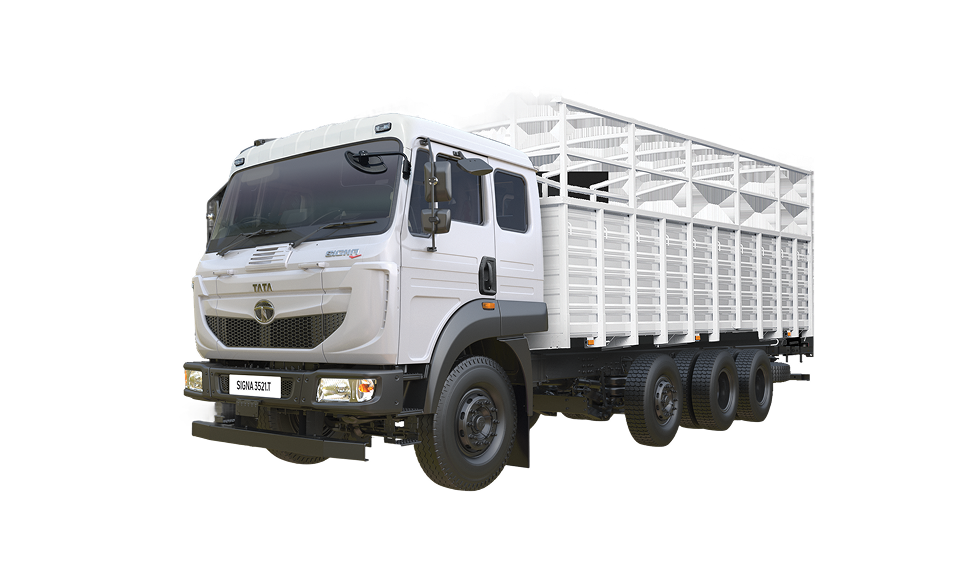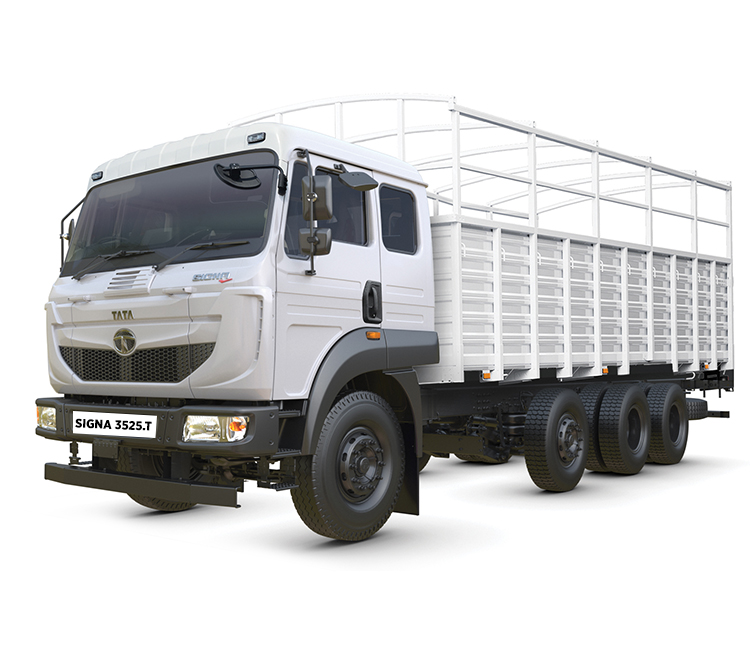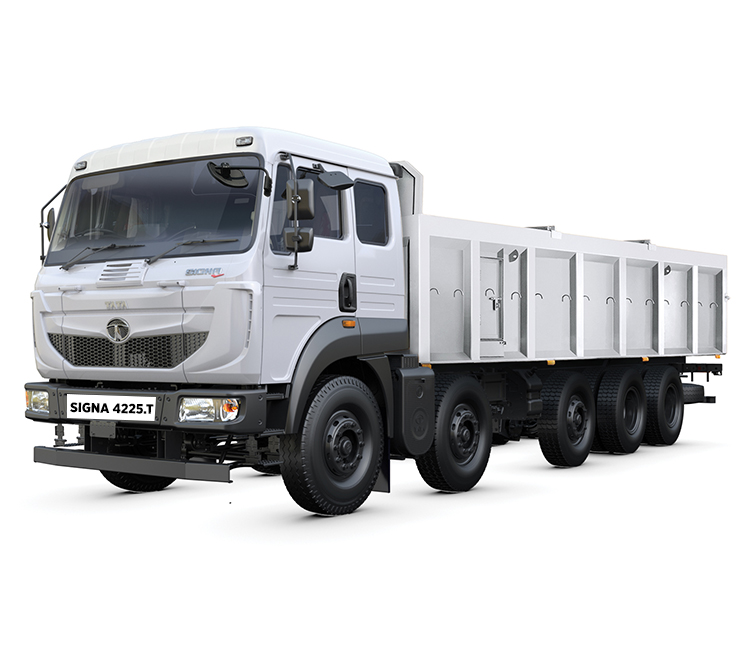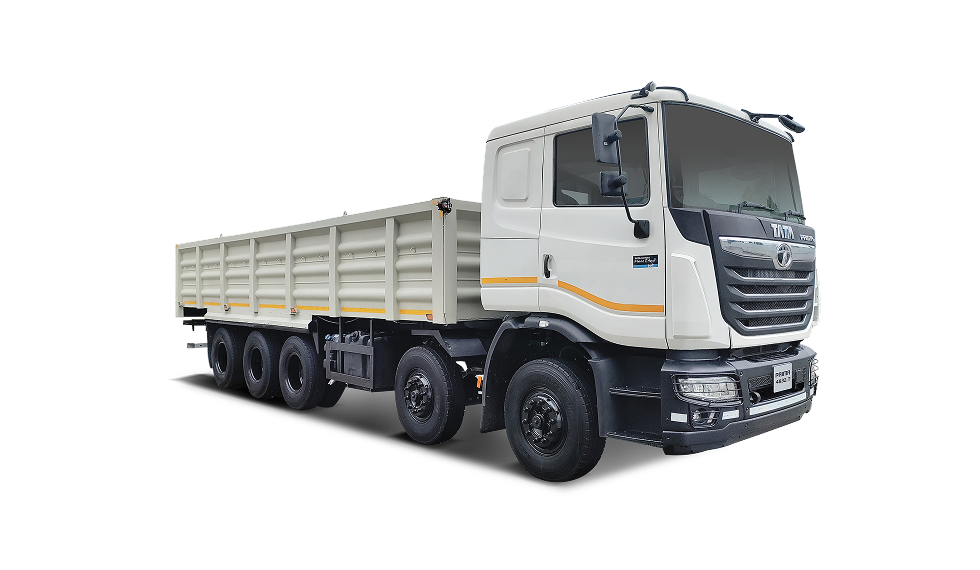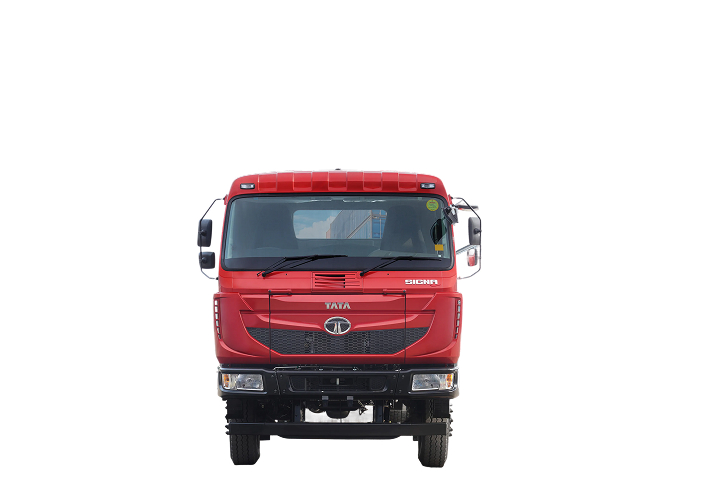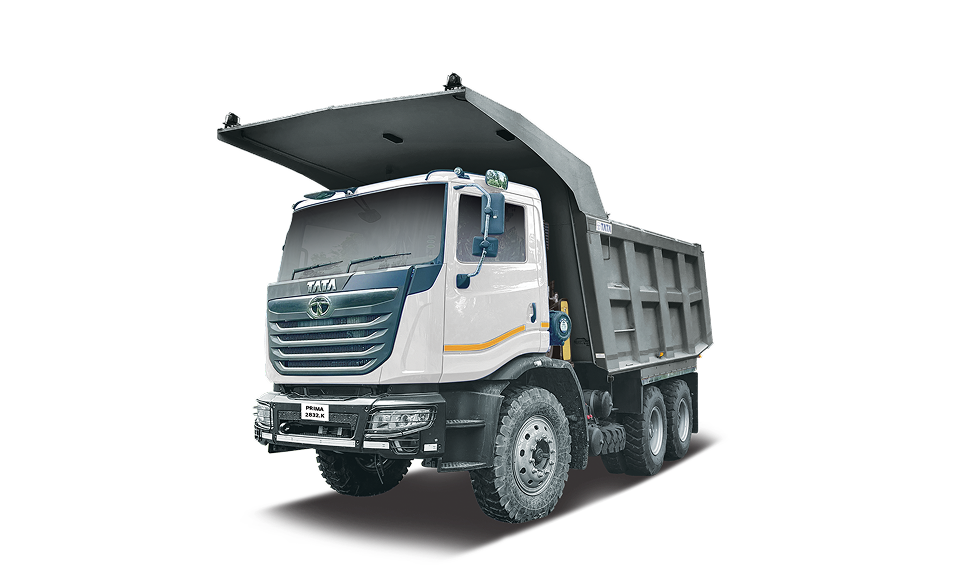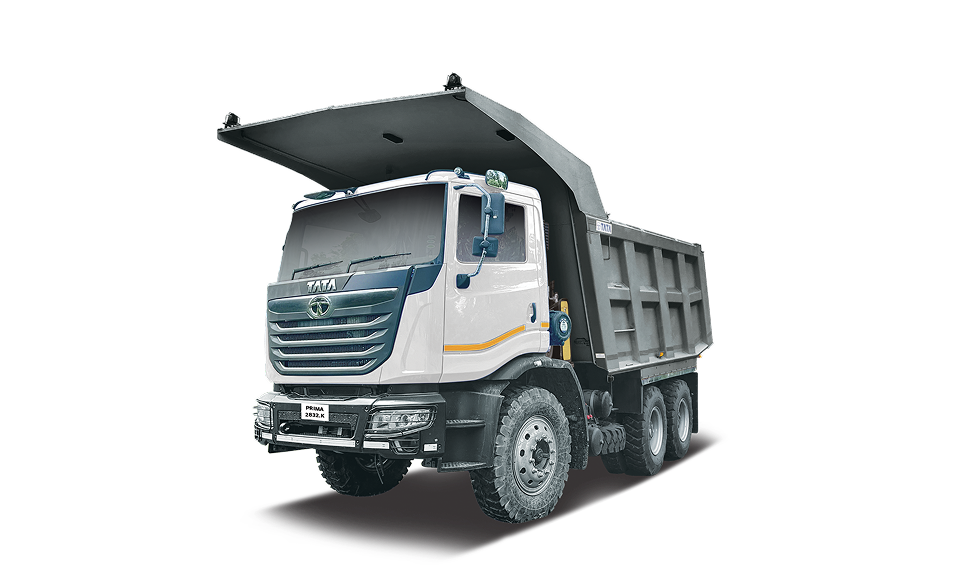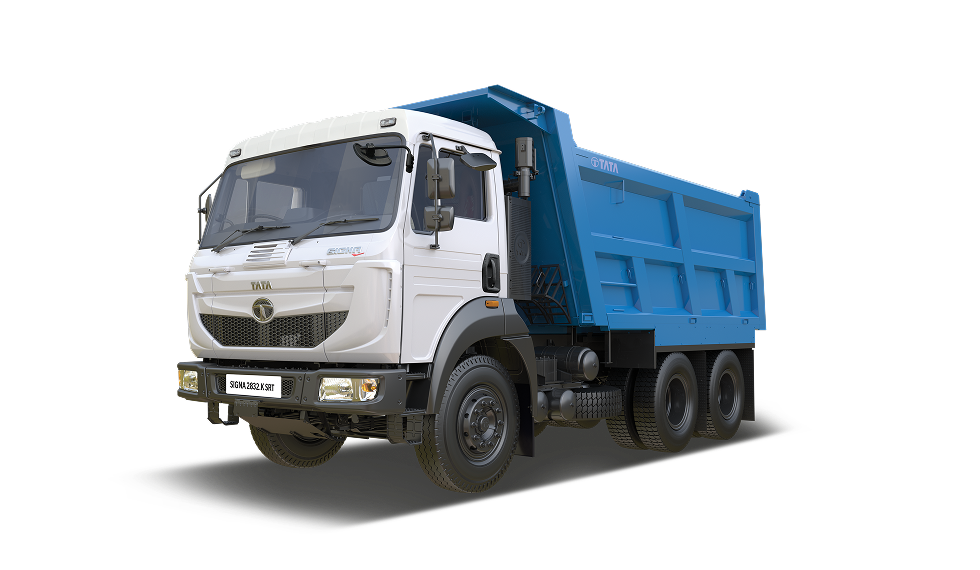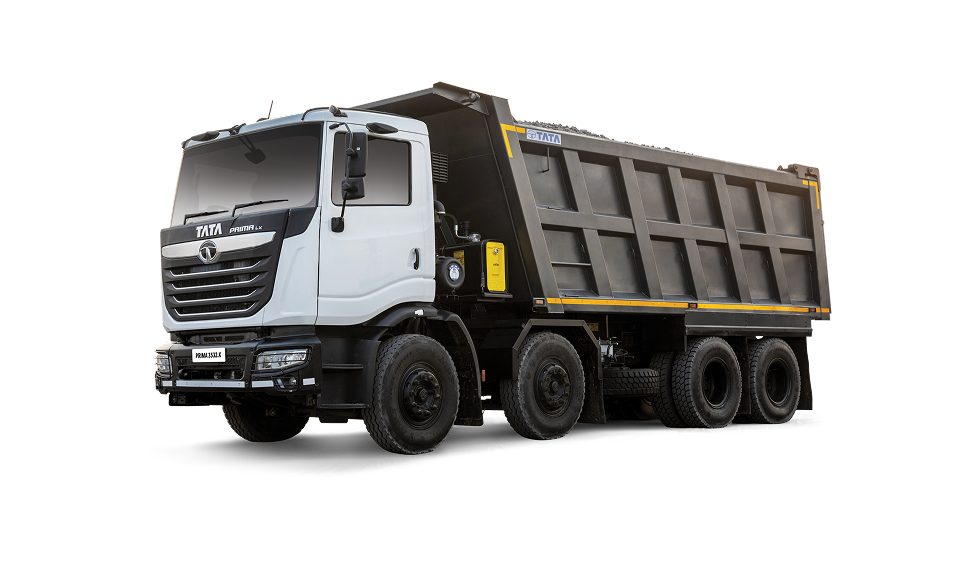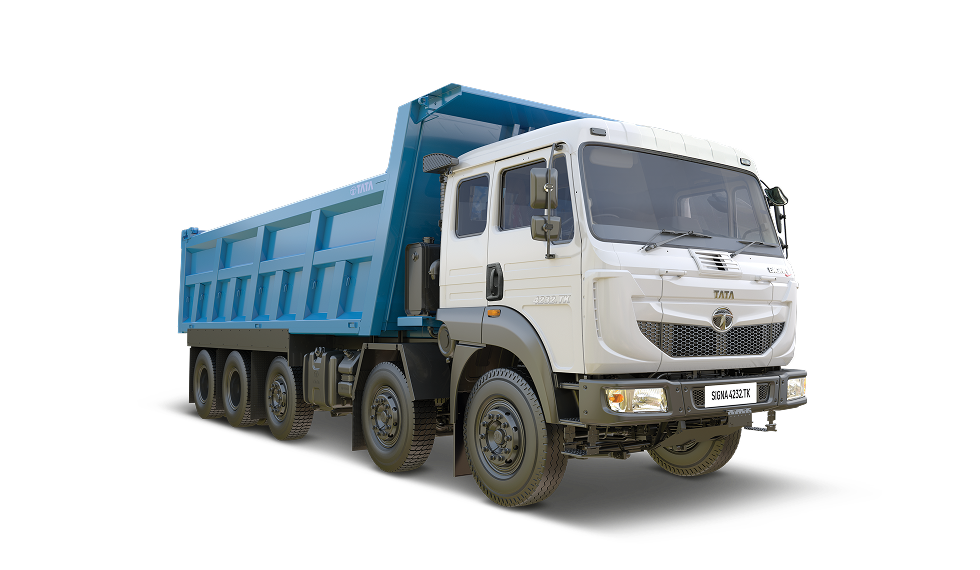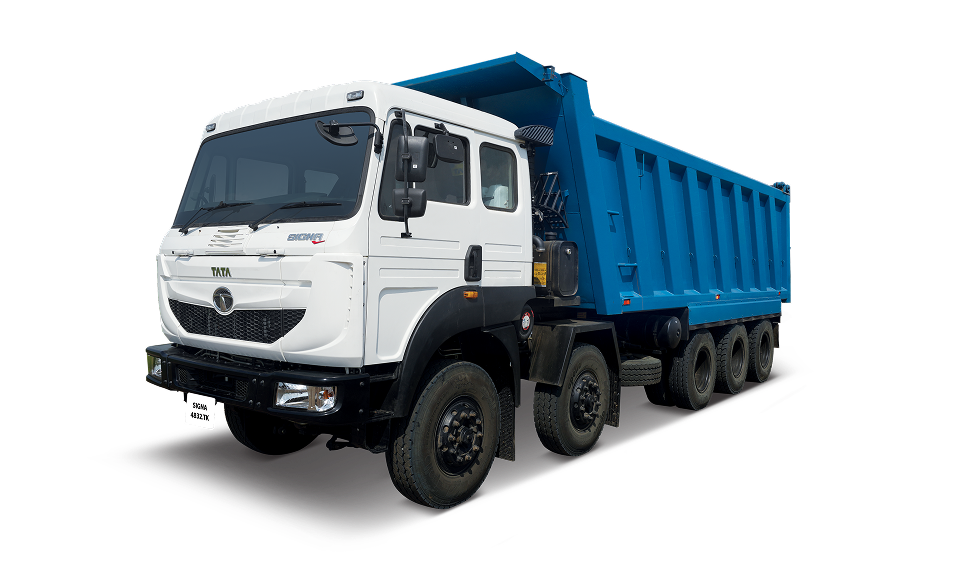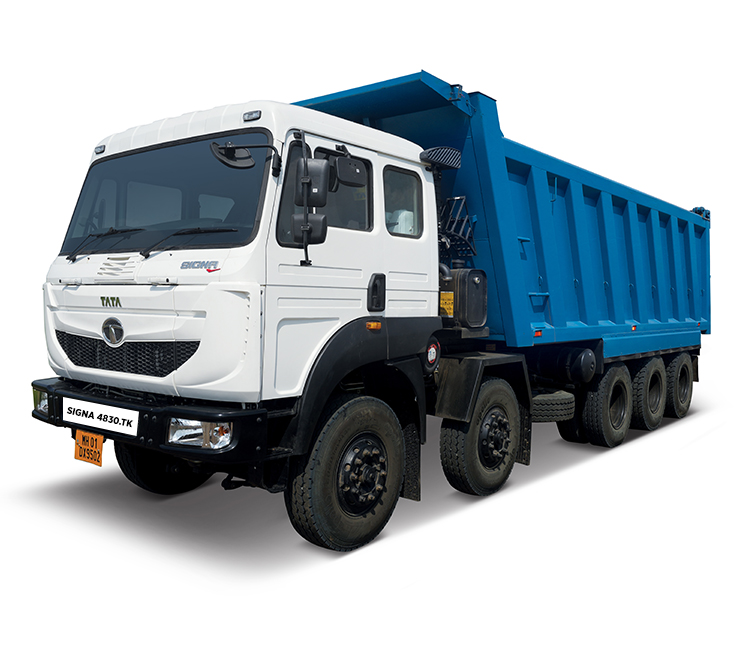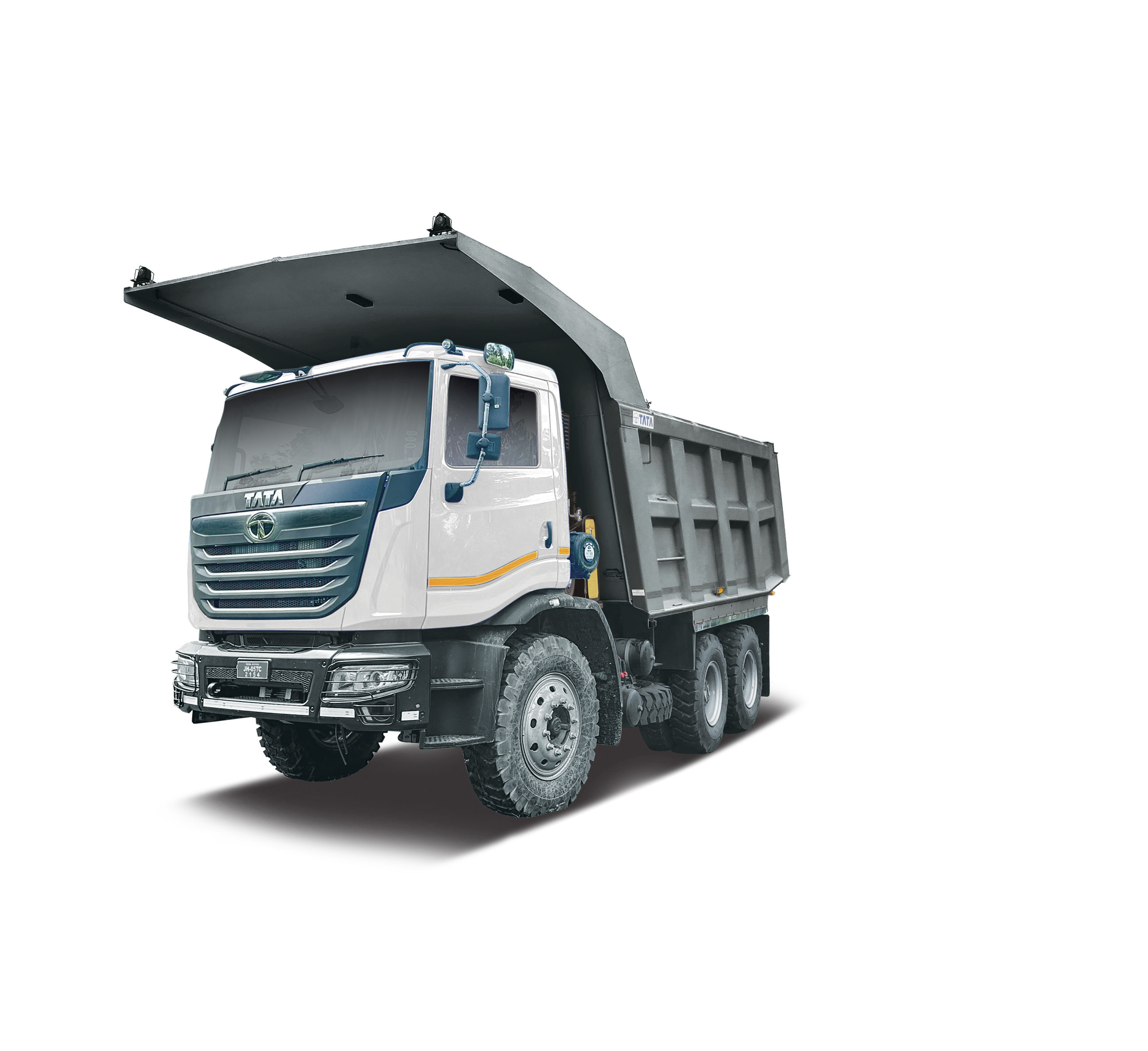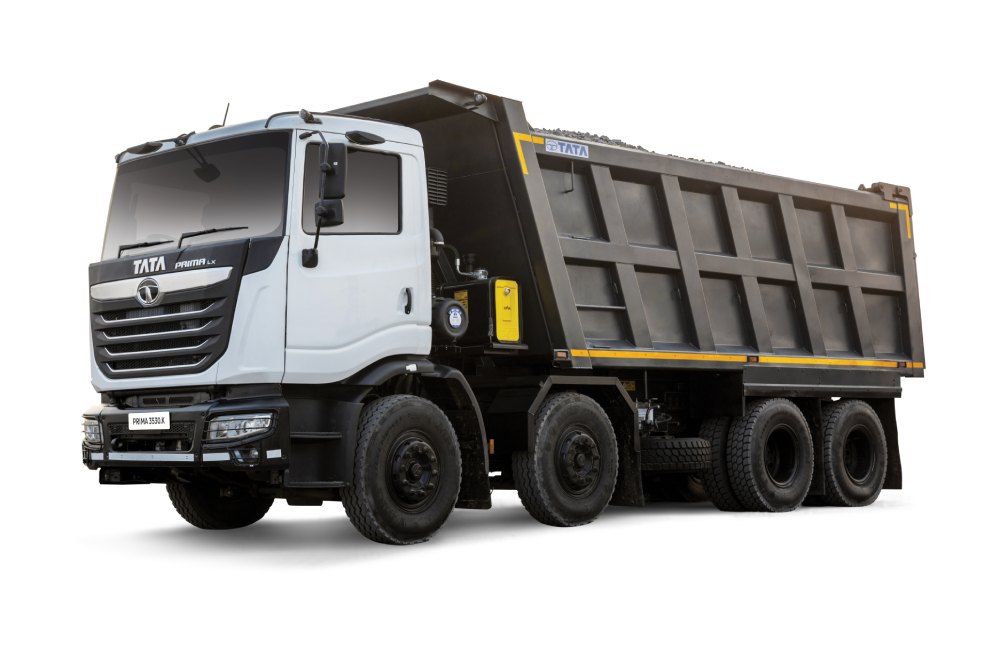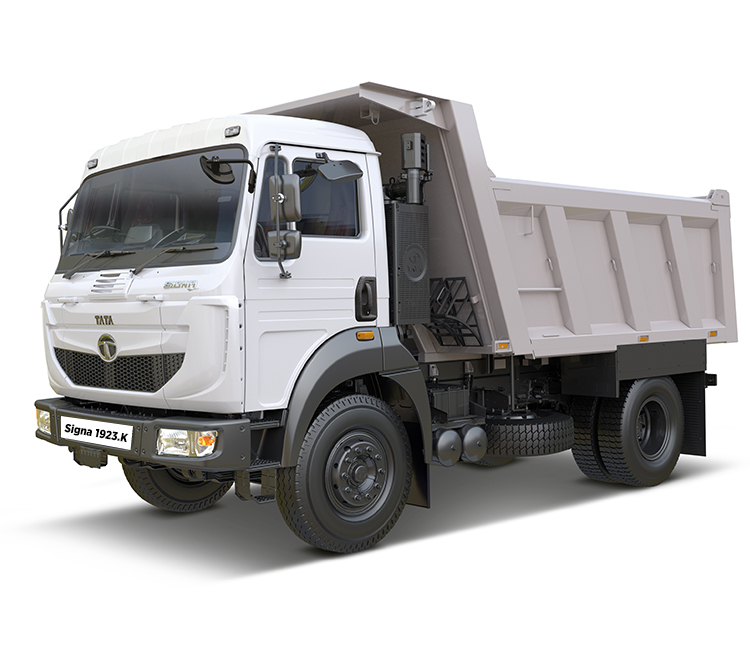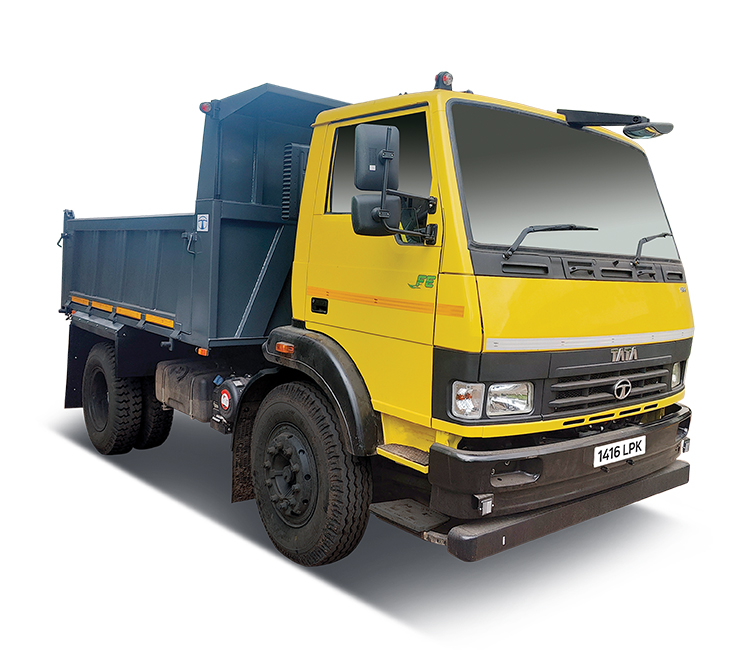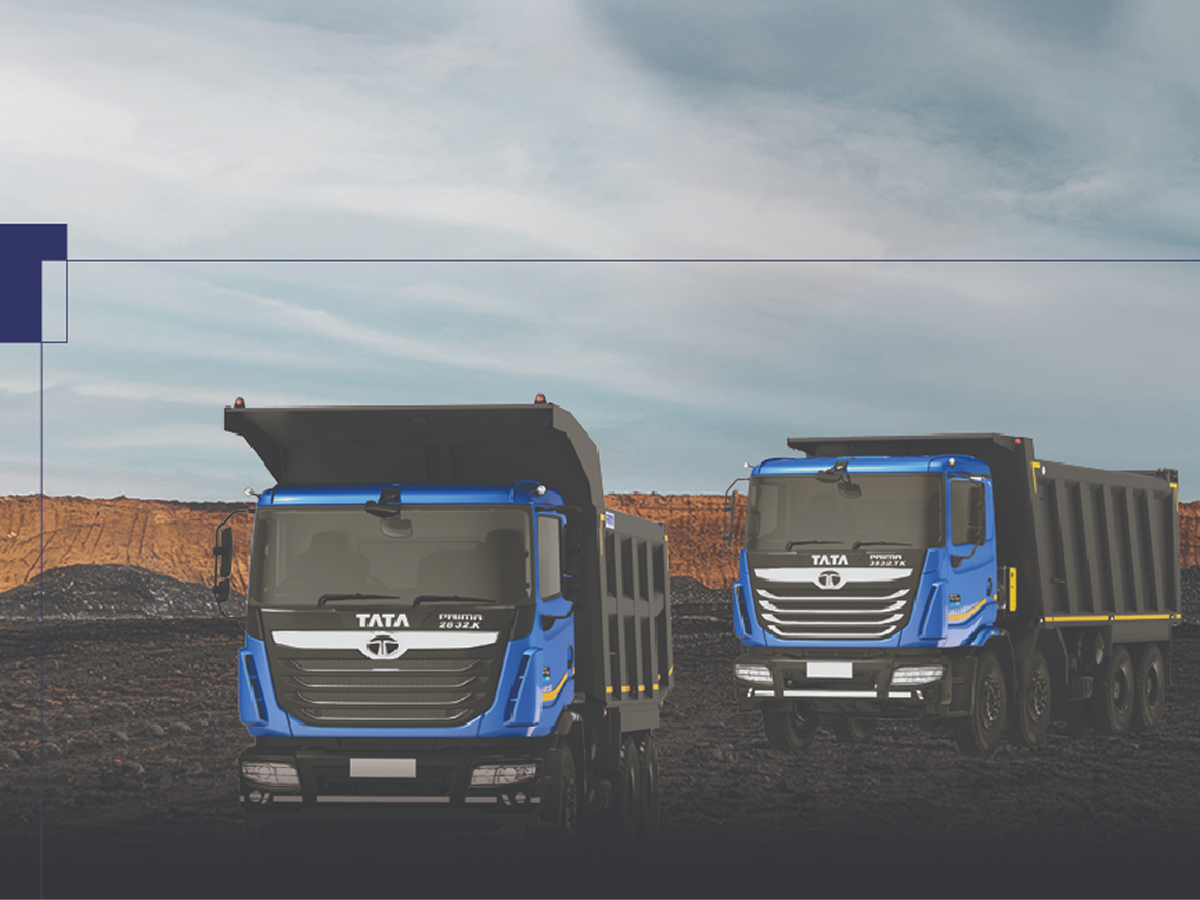
Dump trucks and tipper trucks are both used to haul and unload loose materials, but they differ in design, capacity, manoeuvrability, and typical jobsite applications. In the Indian market, the terms are often used interchangeably, yet globally “dump truck” usually refers to larger, off‑road or high‑capacity mining and heavy construction machines, while “tipper” commonly describes smaller, road‑legal trucks used in urban and infrastructure projects.
What is a dump truck?
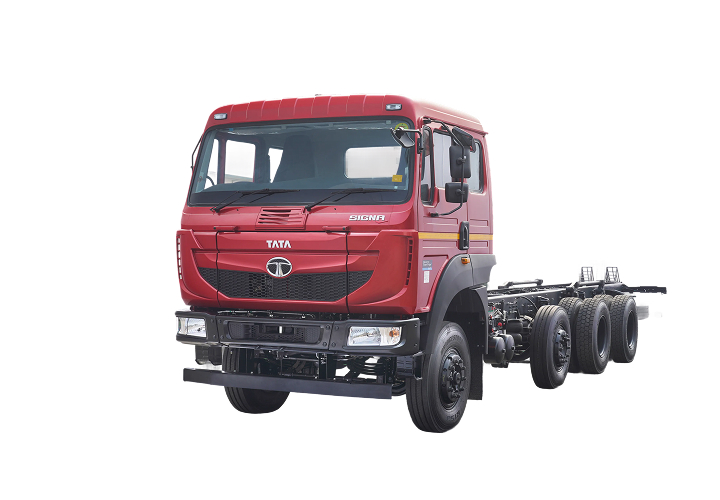
A dump truck is a heavy vehicle with a large open‑box bed that lifts (usually from the front) to dump material backward by gravity. These are often high‑capacity units used on medium to large construction and mining sites, including off‑road articulated or rigid mining dumpers.
- Typically offers very high payload capacity, from around 30 tonnes to over 250 tonnes in mining applications.
- Requires powerful engines and specialized chassis; many mining dump trucks are not road‑legal in cities due to size and axle loads.
- Commonly used for large earthmoving, quarrying, mining, highway projects, and bulk material transport over short off‑road distances.
What is a tipper truck?
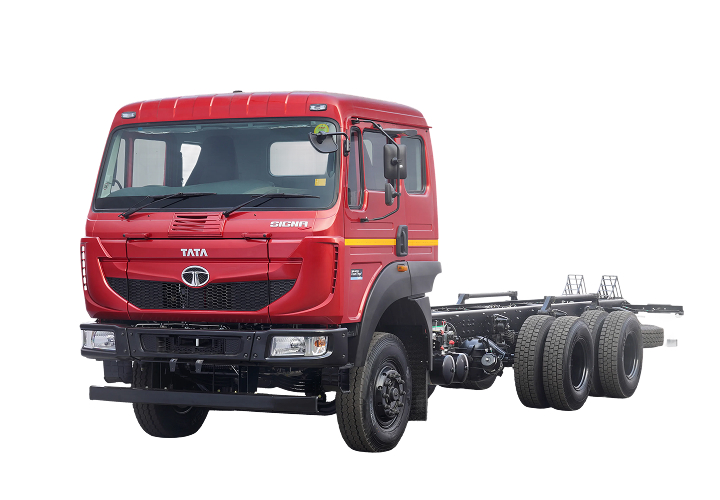
A tipper truck (often just called a “tipper” or “tip truck”) is a truck where the cargo body is hydraulically tipped to unload material, usually from the rear, sometimes from the side depending on design. In many countries, “tipper” is the everyday term for road‑legal dump trucks used in construction and logistics.
- Generally lower capacity than large mining dumpers, designed to run on normal roads and within legal axle load limits.
- Used to transport sand, gravel, soil, demolition waste, aggregates, and agricultural materials between suppliers, sites, and disposal locations.
- Favoured for smaller to mid‑size sites, urban infrastructure, real‑estate projects, and municipal works, where maneuverability and road compliance matter.
Difference between Dump Truck and Tipper Truck
Aspect | Dump truck (generic / mining) | Tipper truck (road-going) |
Typical capacity | Very high (30-250+ tonnes) | Low to medium (often under 30 tonnes, varies by GVW) |
Chassis & size | Large, heavy, may be off-road only | Compact to mid-size, optimized for city/highway use |
Road legality | Many mining dumpers banned on public roads due to safety and weight limits | Designed to comply with road regulations and axle loads |
Tipping mechanism | Rear tipping via heavy hydraulic setup, often articulated body on large frames | Rear or side tipping via hydraulic cylinder; side tipping helpful along walls or tight sites |
Primary applications | Mining, quarries, mega infra, high-volume hauling | Construction, infra, waste, agriculture, landscaping, city projects |
Maneuverability | Lower; needs larger turning radius and more space | Higher; suited to congested and space-constrained sites |
Operating cost | High fuel and maintenance costs; used where volume justifies it | Lower TCO for contractors doing mixed road and site work |
Design, capacity, usage
Indian sites and portals generally classify all of these as “tippers/dumpers”, with prices varying widely by tonnage, brand, and features.
- New tipper trucks in India typically range from under ₹15 lakh for smaller units to about ₹55–80 lakh for heavier, more premium configurations.
- Heavy construction tippers often start above ₹20–25 lakh and go much higher for multi‑axle or advanced models.
- Massive off‑road mining dump trucks are in a different price league altogether, procured directly from OEMs for large mines and mega infrastructure projects.
How to choose: dump vs tipper
For a contractor or fleet owner, the choice hinges on project size, site conditions, and regulatory constraints rather than just the name of the truck.
- Pick a high‑capacity dump truck (or heavy mining dumper) when:
- Hauling huge volumes over short off‑road distances on large, open sites.
- The site infrastructure can handle large turning radii and heavy axle loads.
- Pick a road‑going tipper truck when:
- Working on city roads, real‑estate projects, irrigation/canal works, or smaller infra jobs with tight access.
- You need a legal, versatile vehicle that can run from quarry to site to dump yard on highways without special exemptions.
- Working on city roads, real‑estate projects, irrigation/canal works, or smaller infra jobs with tight access.