India stands at a critical juncture in its battle against air pollution. Ranked as the fifth most polluted country globally in 2024, the nation recorded an average PM2.5 concentration of 50.6 micrograms per cubic metre,more than ten times the World Health Organization's safe threshold. Air pollution accounts for over 2 million deaths annually in India, with vehicular emissions contributing 20-30% of PM2.5 pollution at breathing level across urban areas.
Within the transport sector, the trucking industry presents the most formidable challenge. Despite comprising just 2% of India's total vehicle fleet, trucks are responsible for 45% of the transport sector's emissions. Heavy commercial vehicles contribute a staggering 92% of particulate matter emissions from vehicles, 48% of nitrogen oxides, and account for 38% of all CO2 emissions from diesel freight operations. As India's truck fleet is projected to grow fourfold by 2050, the urgency to find cleaner alternatives has never been more acute.
LNG: A Proven Solution to Ease India's Air Pollution Crisis
Liquefied Natural Gas trucks offer a compelling and immediate answer to India's commercial vehicle pollution challenge. LNG trucks reduce CO2 emissions by up to 30% compared to diesel equivalents. More critically for public health, these vehicles completely eliminate sulphur oxides and particulate matter (PM2.5), the two pollutants most directly linked to respiratory diseases and cardiovascular complications plaguing Indian cities. Studies confirm that LNG trucks produce 59% less nitrogen oxides, 98% less particulate matter, and operate 30% more quietly than diesel trucks.
The Union Oil Ministry's September 2024 draft policy underscores this potential, targeting conversion of one-third of India's long-haul trucking fleet to LNG within five to seven years. This strategic intervention addresses a stark reality: without fundamental changes, trucking emissions could account for 15% of India's total carbon footprint by 2050. Unlike experimental technologies, LNG offers operational parity with diesel,ranges exceeding 1,400 km on a single tank,making it immediately deployable across India's vast logistics networks without compromising efficiency.
Tata Motors: Engineering India's Path to Net-Zero
Recognising the pivotal role of cleaner commercial vehicles in India's sustainability journey, Tata Motors has positioned LNG technology at the centre of its decarbonisation strategy. The company has committed to achieving Net-Zero emissions for its commercial vehicles business by 2045, backed by science-based targets aligned with the UN-backed LeadIT initiative and the Tata Group's Project Aalingana framework.
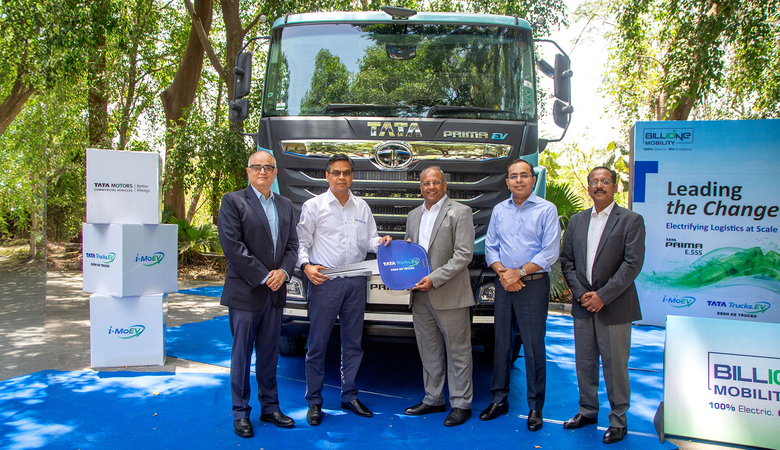
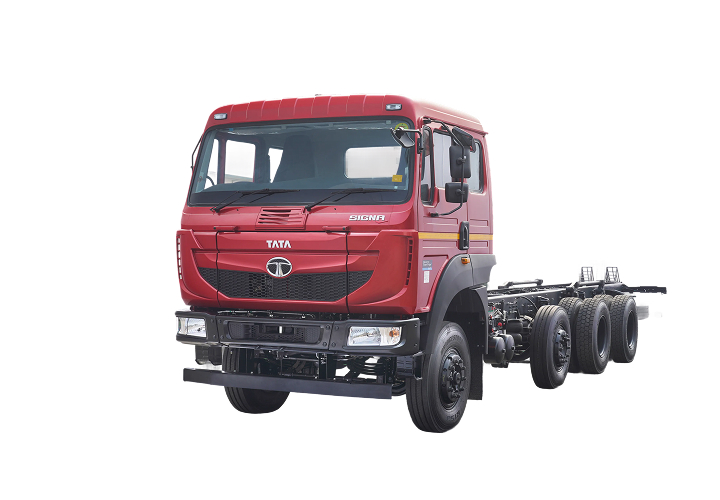
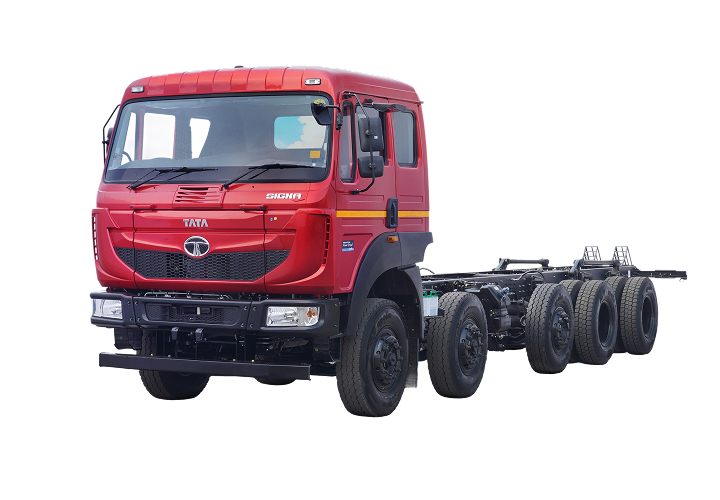
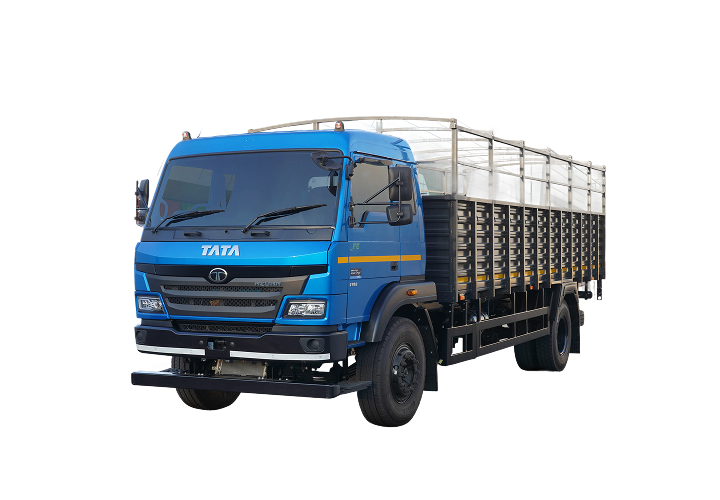
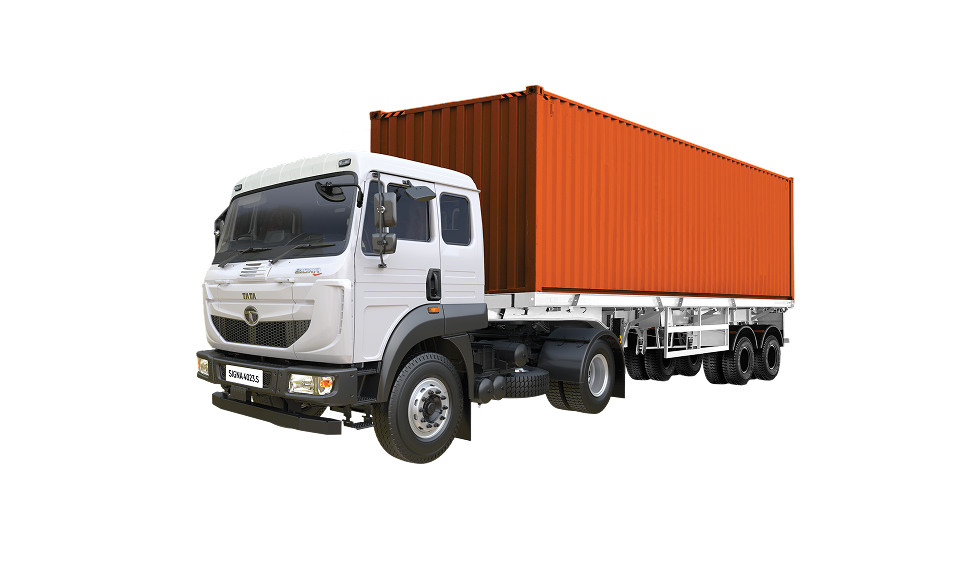
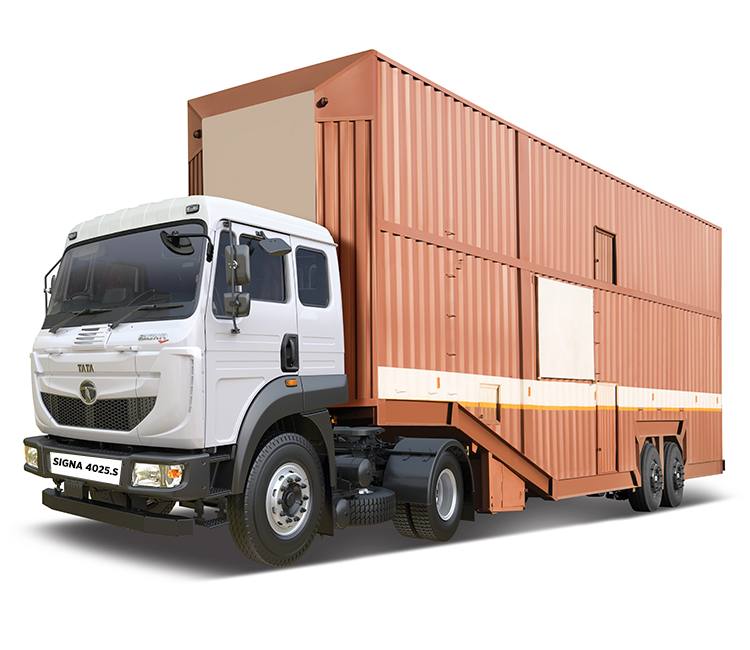
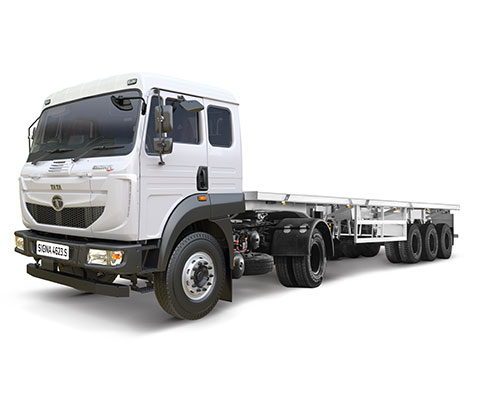
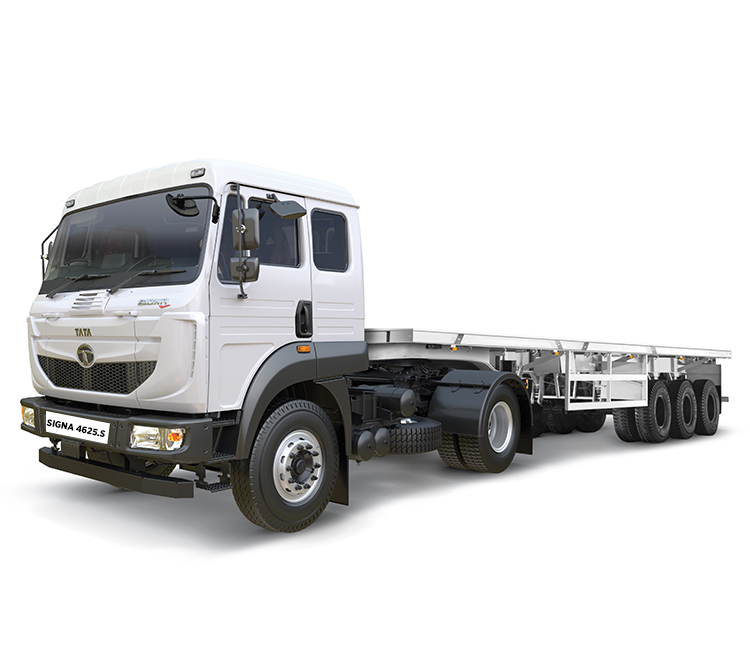
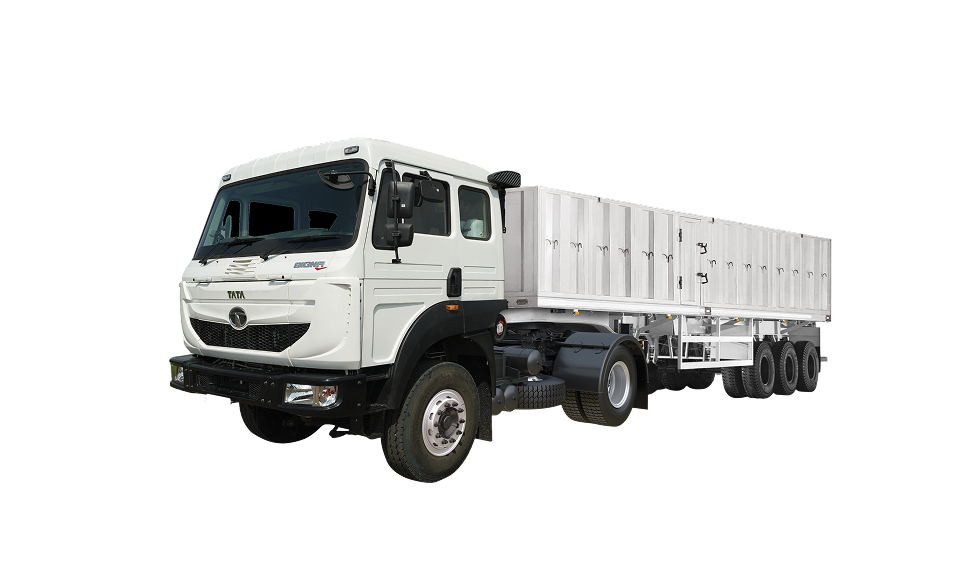
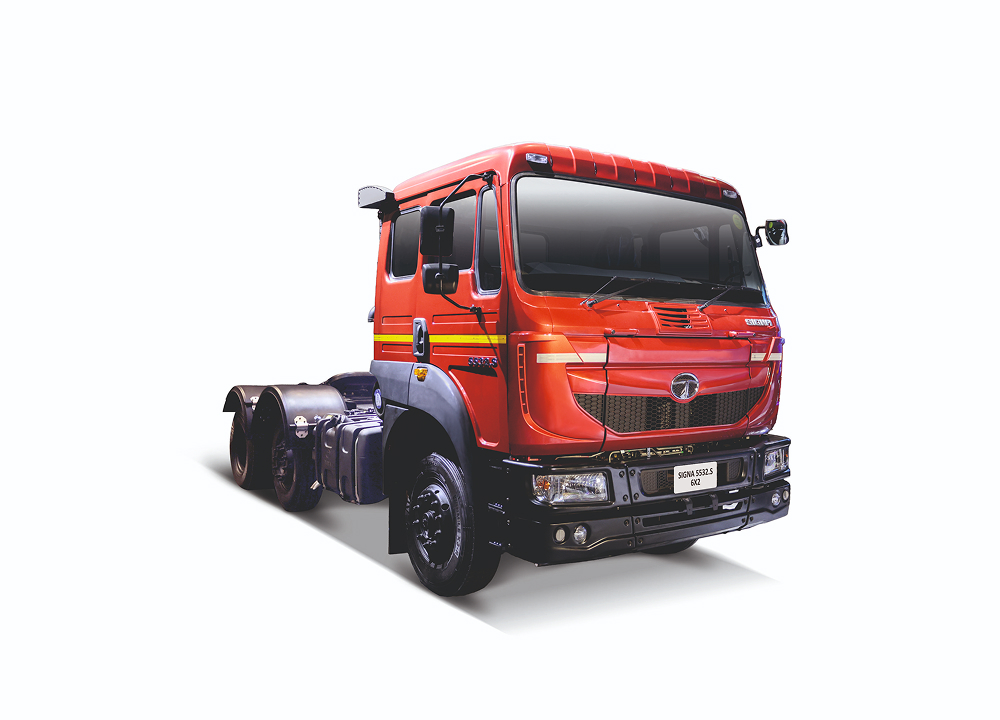
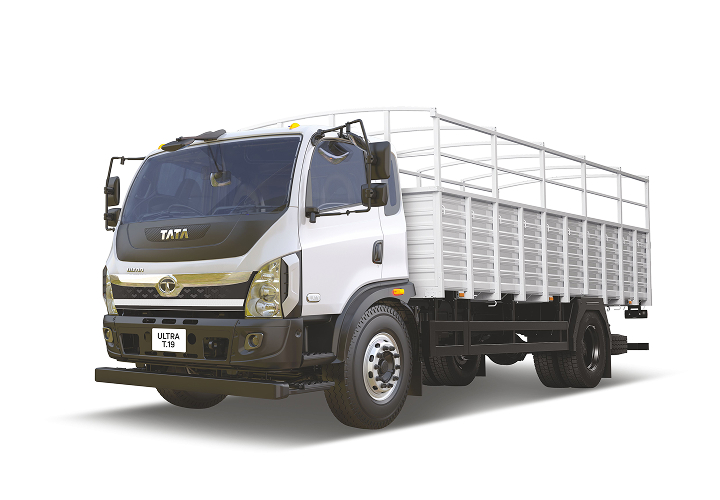
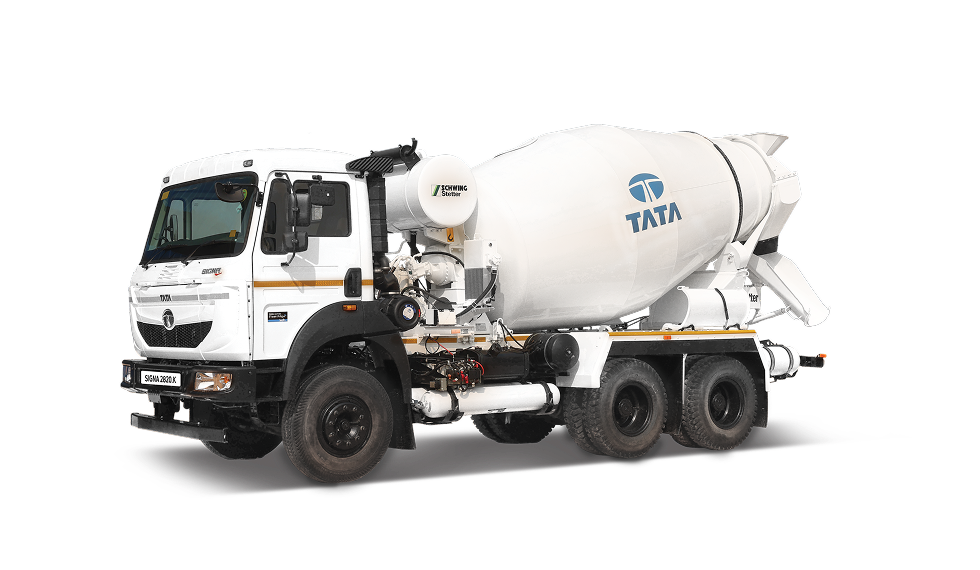
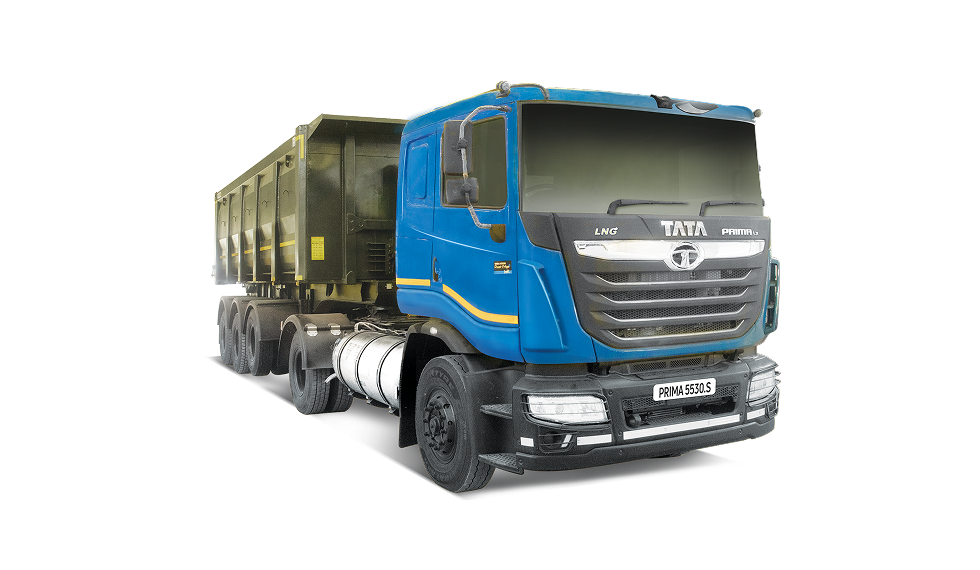
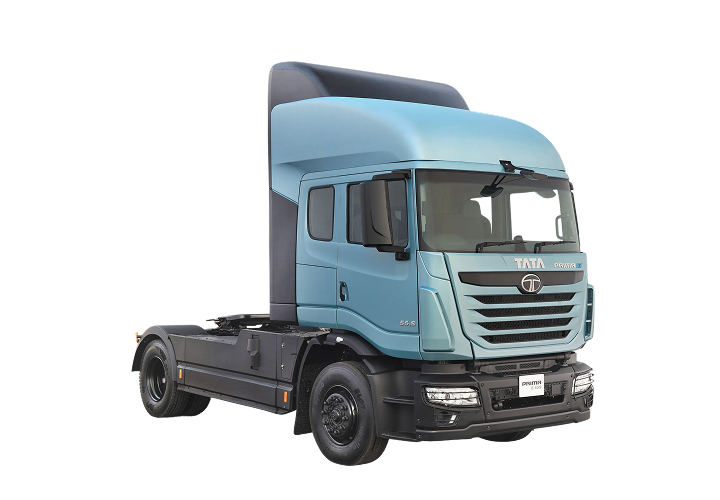
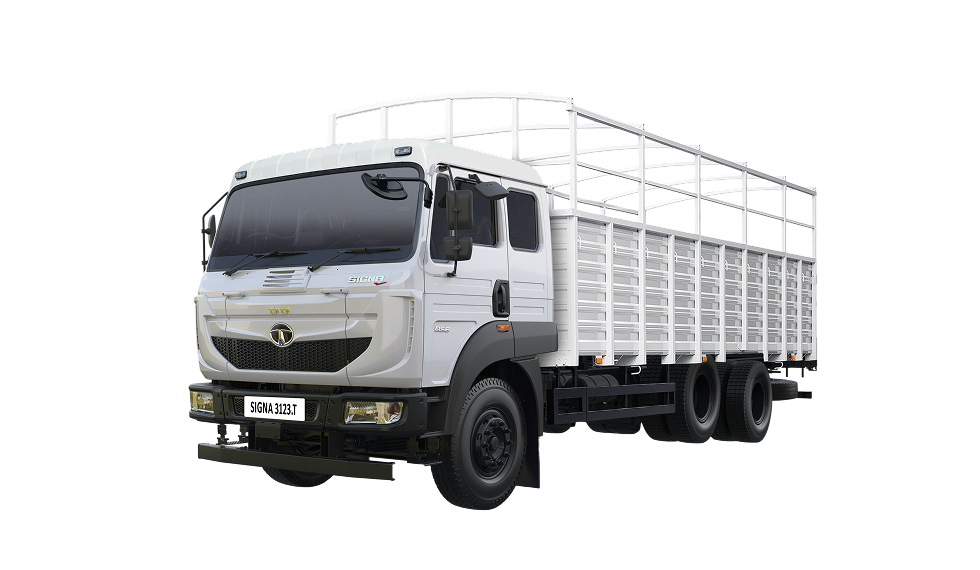
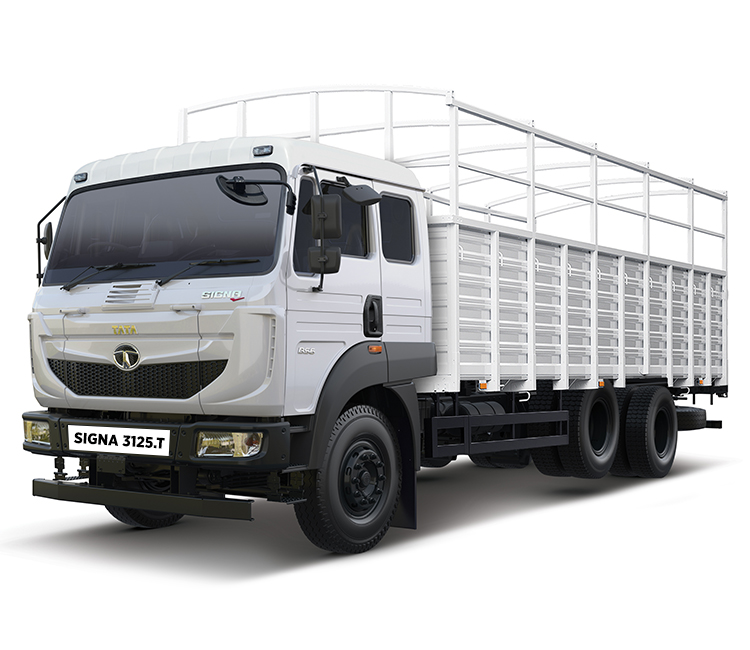
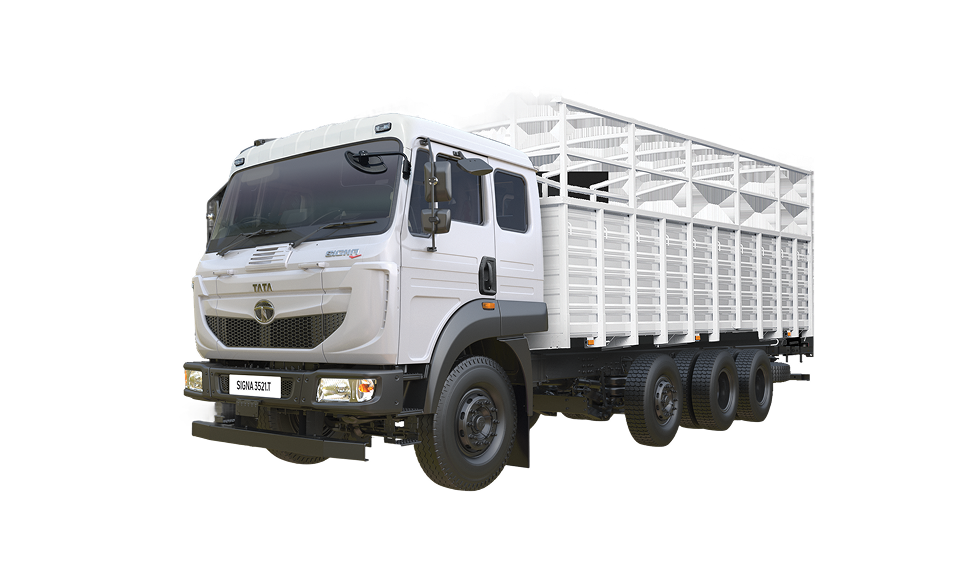
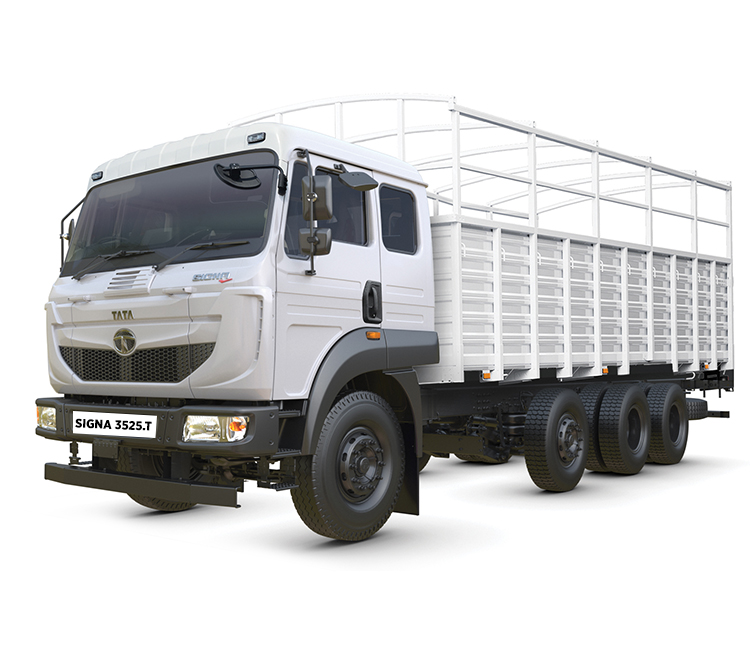
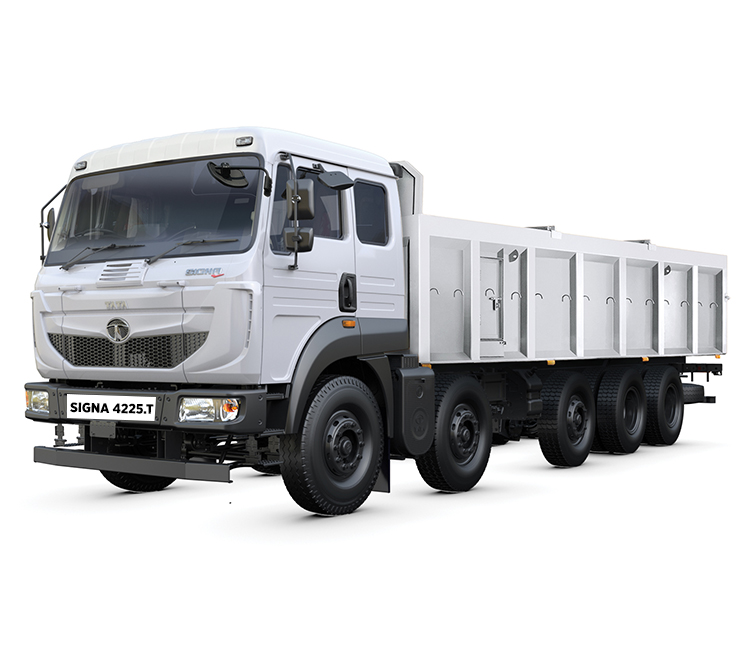
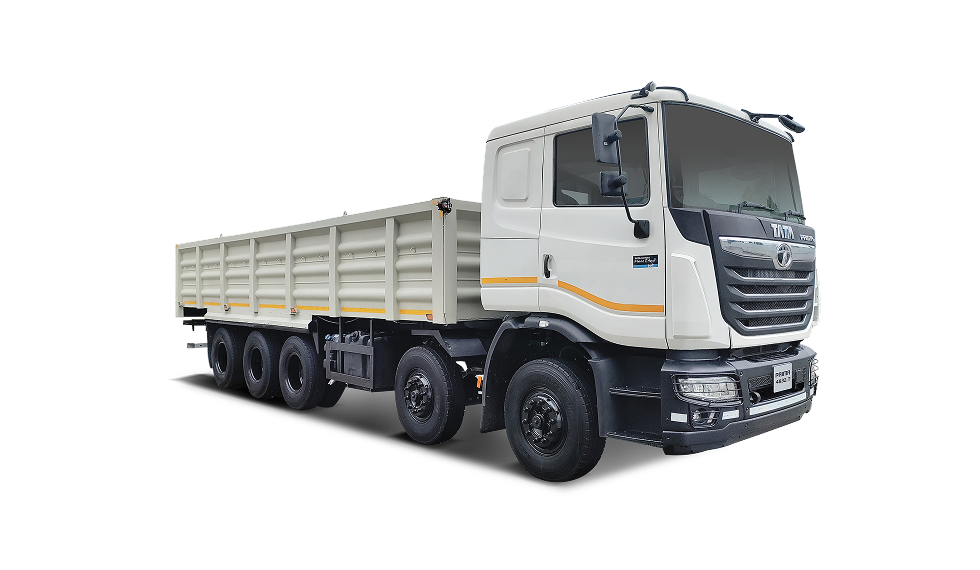
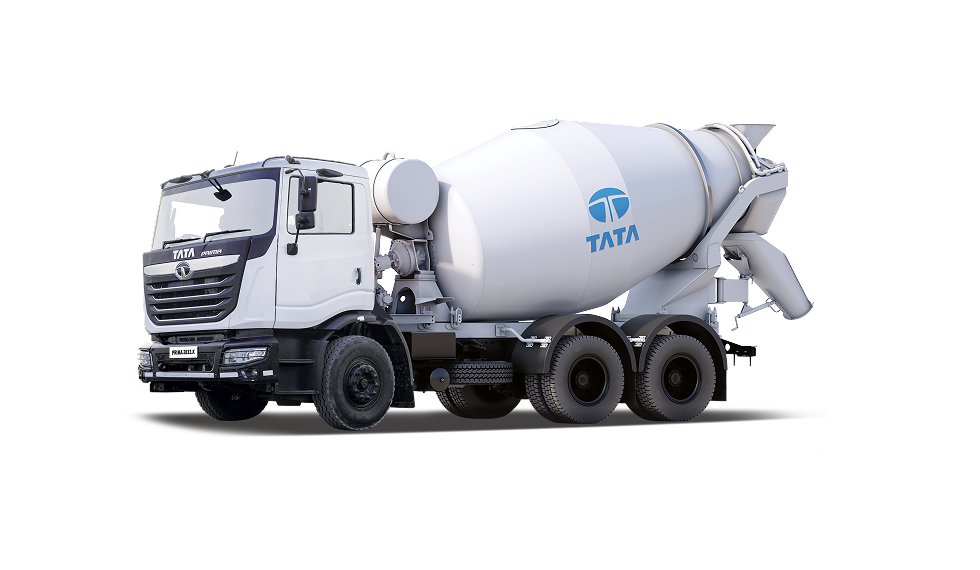
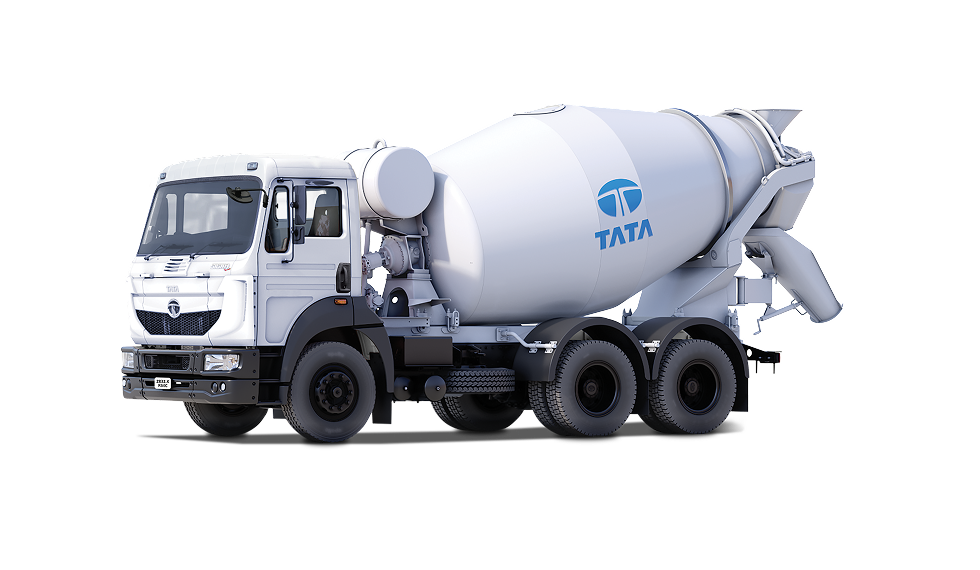
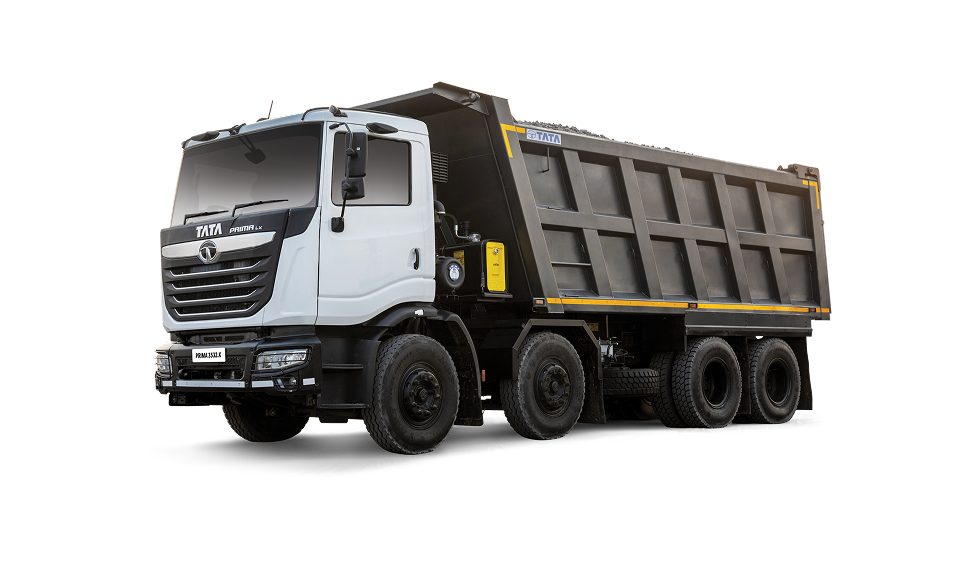
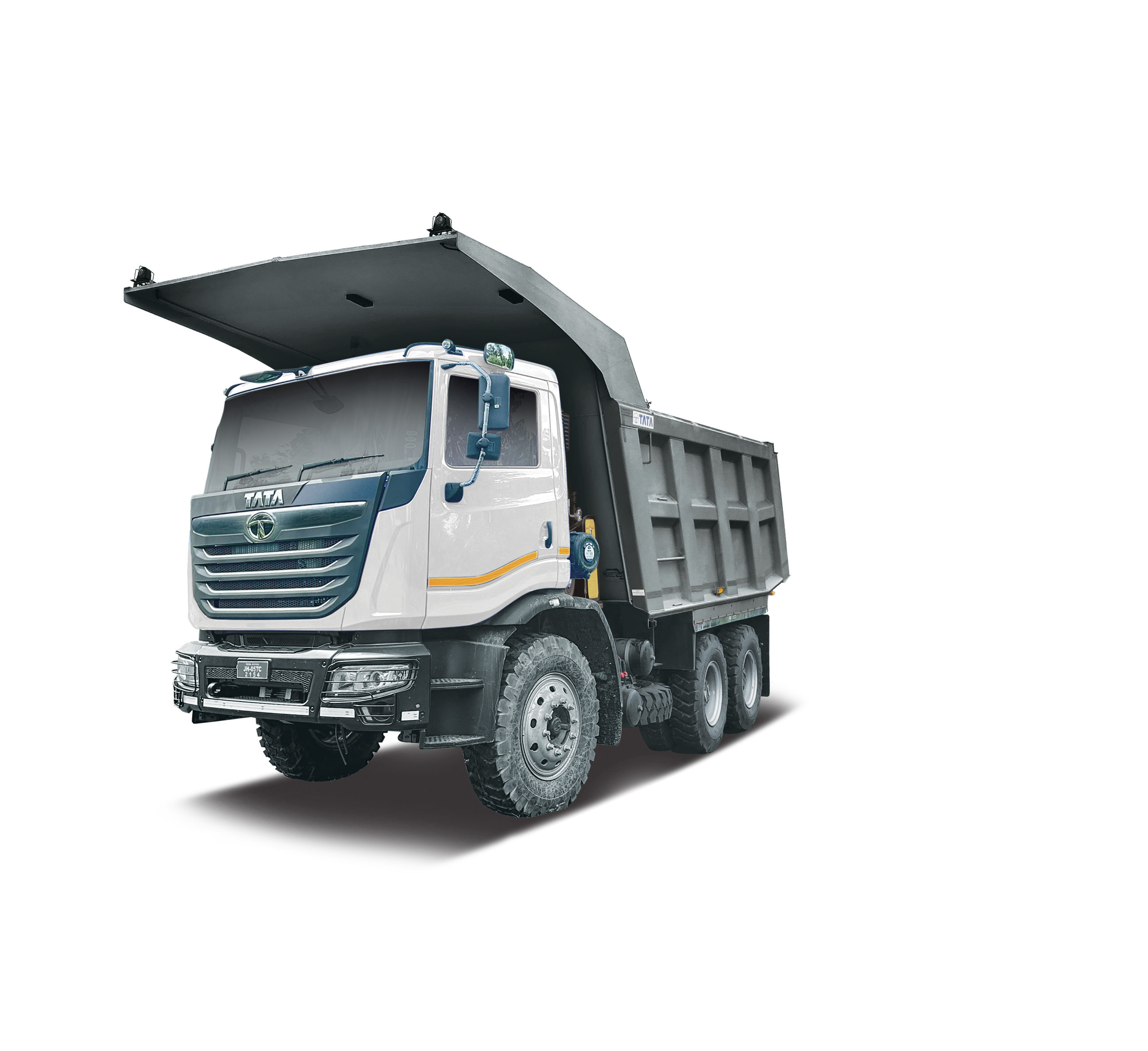
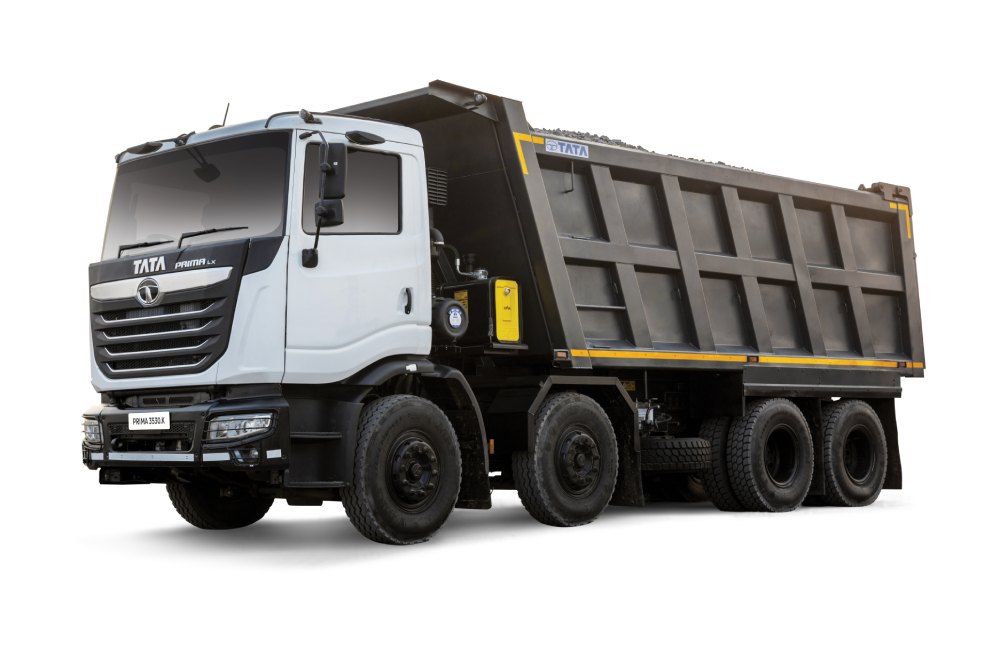
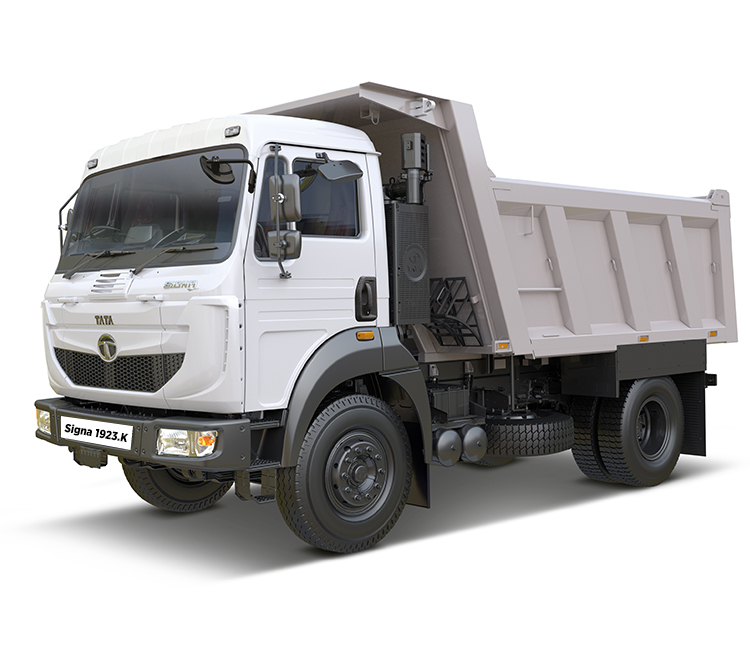
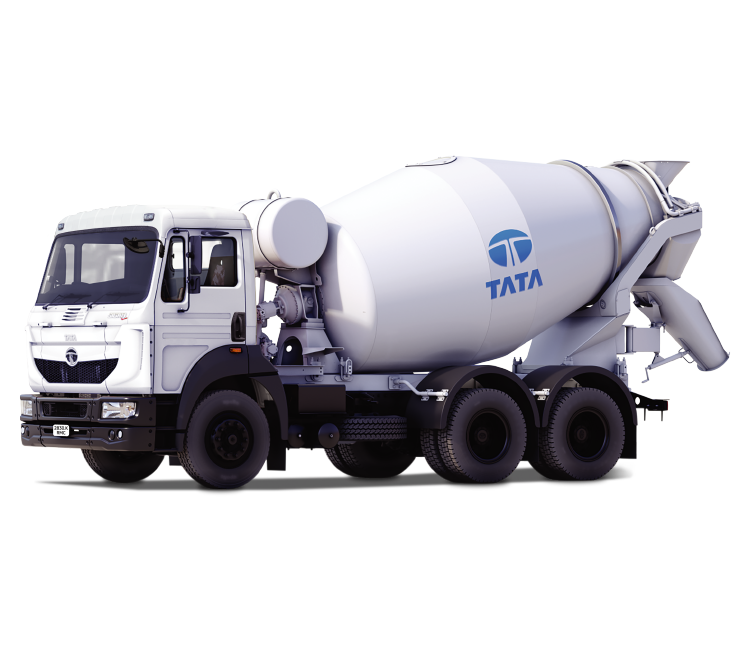
Tata Motors' LNG portfolio, built on proven Prima and Ultra platforms, combines environmental performance with operational reliability. The flagship Prima 5530.S LNG, powered by a Cummins 6.7L gas engine delivering 280hp and 1,100Nm of torque, offers dual cryogenic tank configurations while delivering significant CO2 reduction compared to diesel. Already deployed with major customers including Tata Steel and Clean Green Fuel and Logistics (which has committed to 500 units), these trucks demonstrate that clean technology can meet the demands of hard-to-abate sectors like steel and cement manufacturing.
Crucially, Tata Motors recognises that vehicle technology alone cannot solve the pollution challenge. The company's October 2025 strategic partnership with THINK Gas focuses on building robust LNG refuelling infrastructure along critical freight corridors. This ecosystem approach,combining advanced safety features like ADAS and Fleet Edge telematics with guaranteed fuel quality, ensures that the transition to cleaner fuel is both technically feasible and economically viable for fleet operators.
Looking Ahead
While LNG trucks alone cannot eradicate India's air pollution crisis, they represent the most practical and scalable solution currently available for decarbonising the commercial transport sector. With heavy commercial vehicles contributing 92% of vehicular particulate matter emissions, the shift from diesel to LNG offers immediate and measurable public health benefits. As Tata Motors accelerates LNG adoption, supported by expanding infrastructure and favourable policy frameworks, India can demonstrate that economic growth and environmental responsibility are achievable, complementary goals on the road to cleaner air.