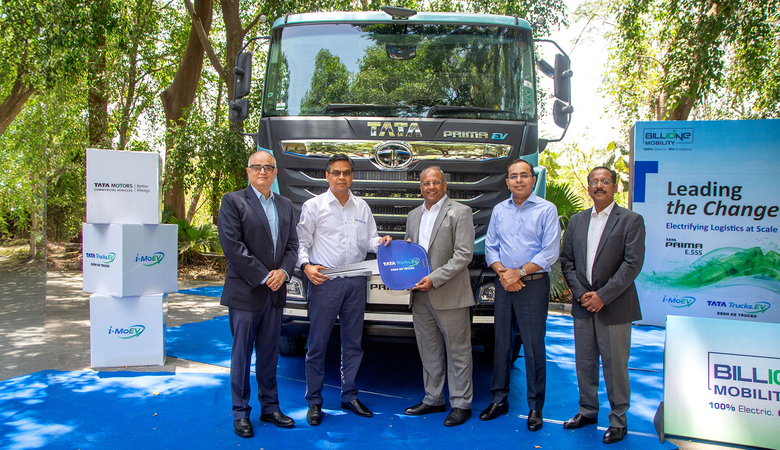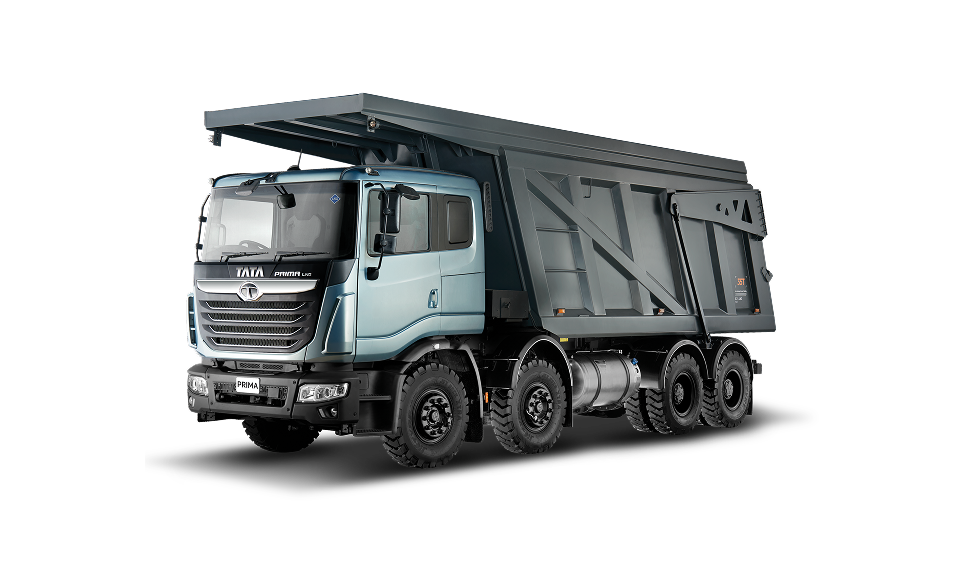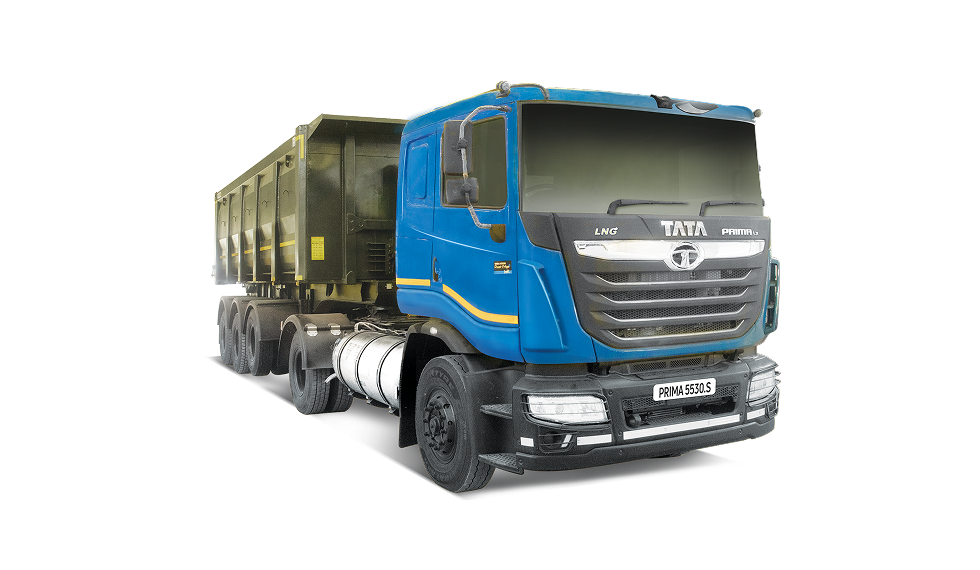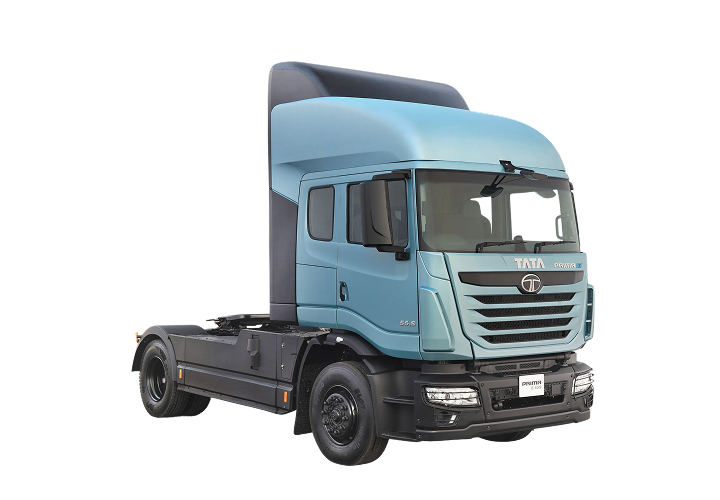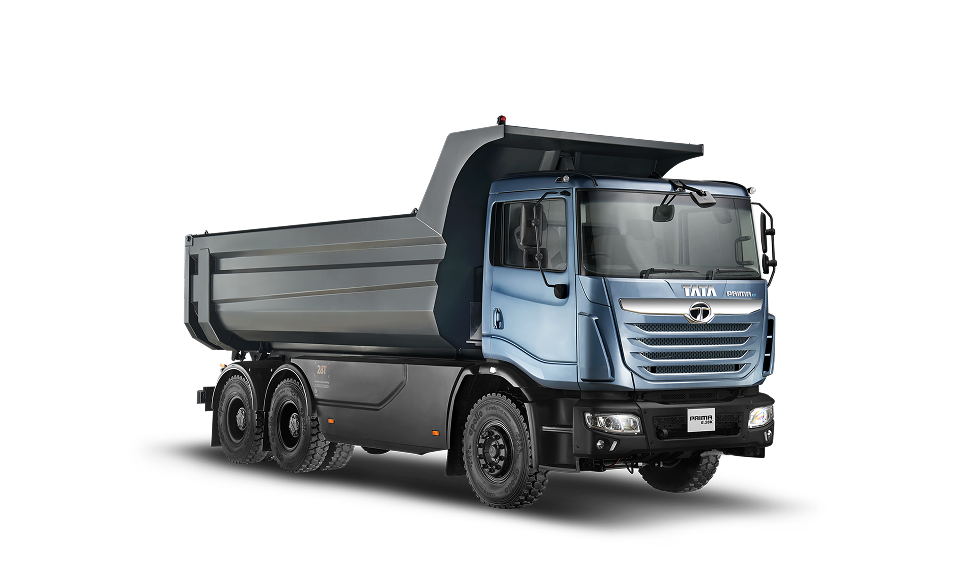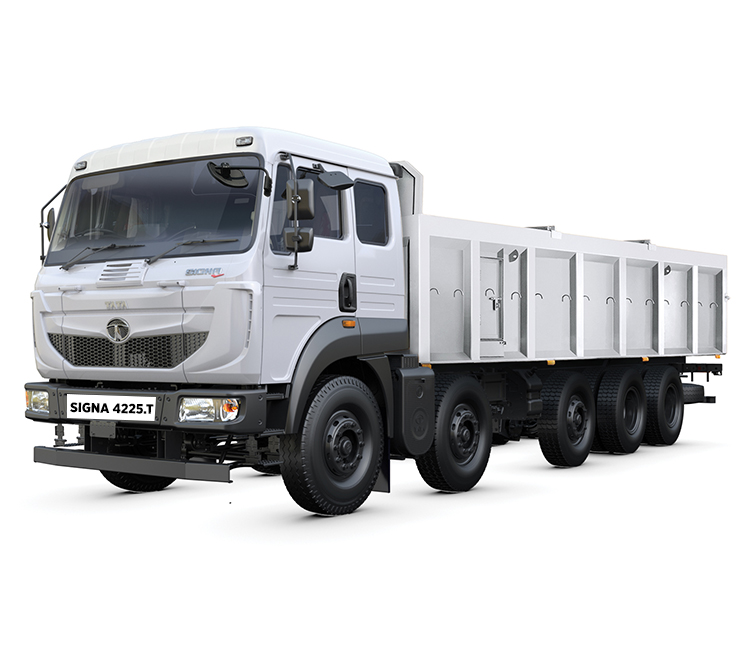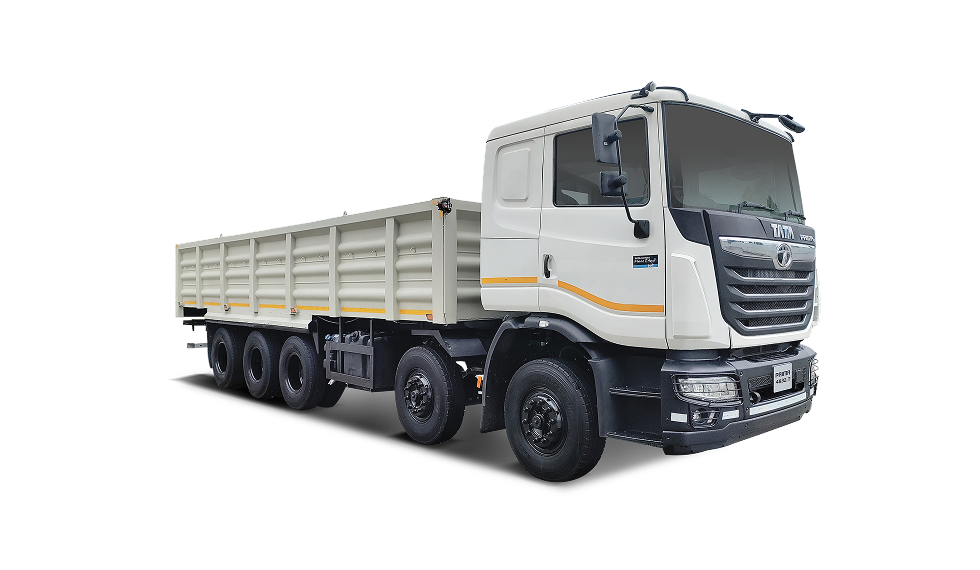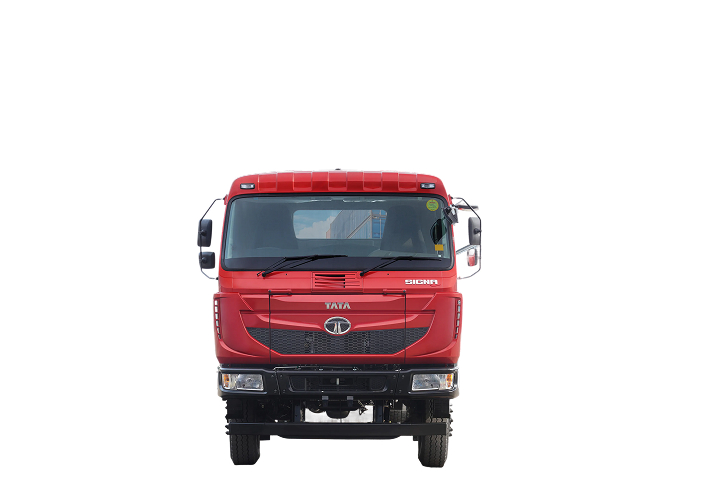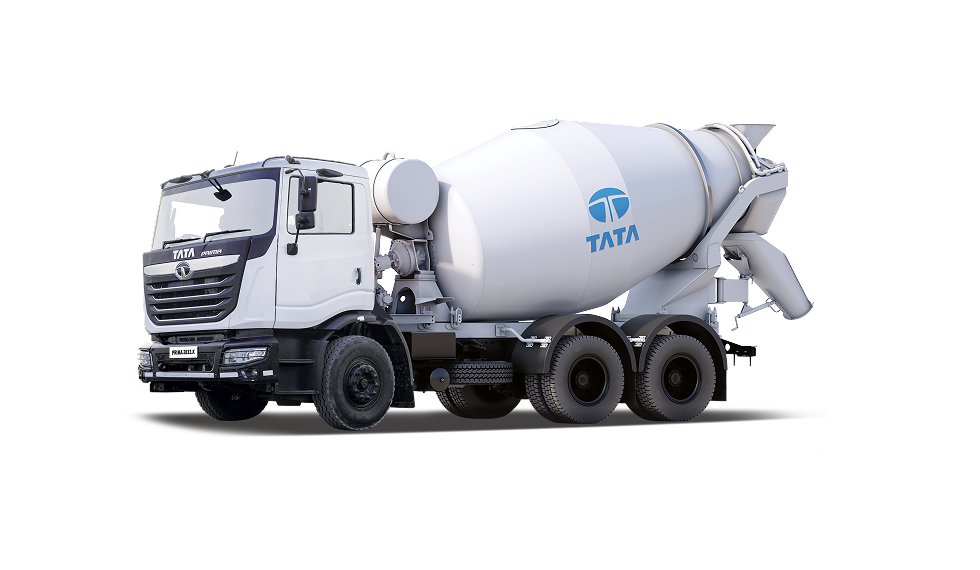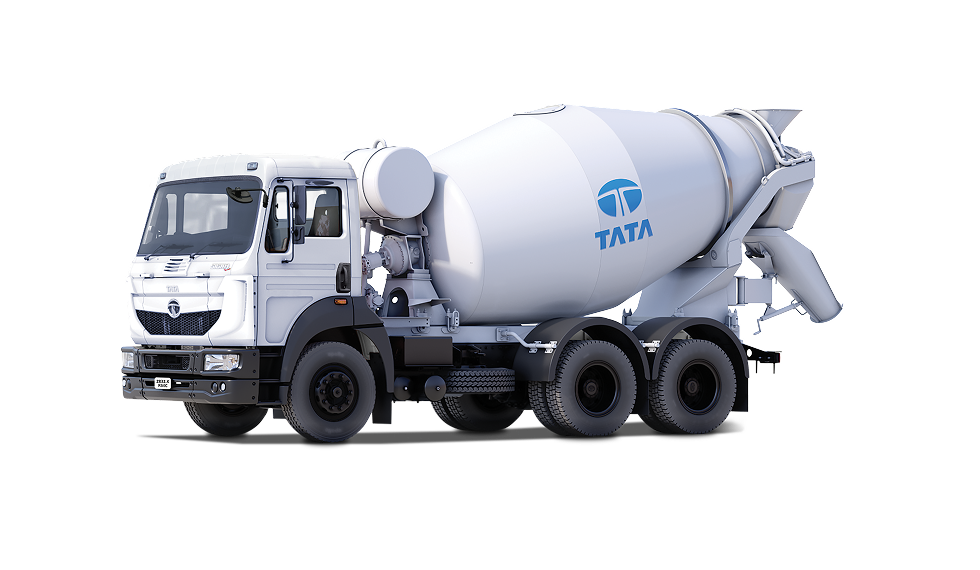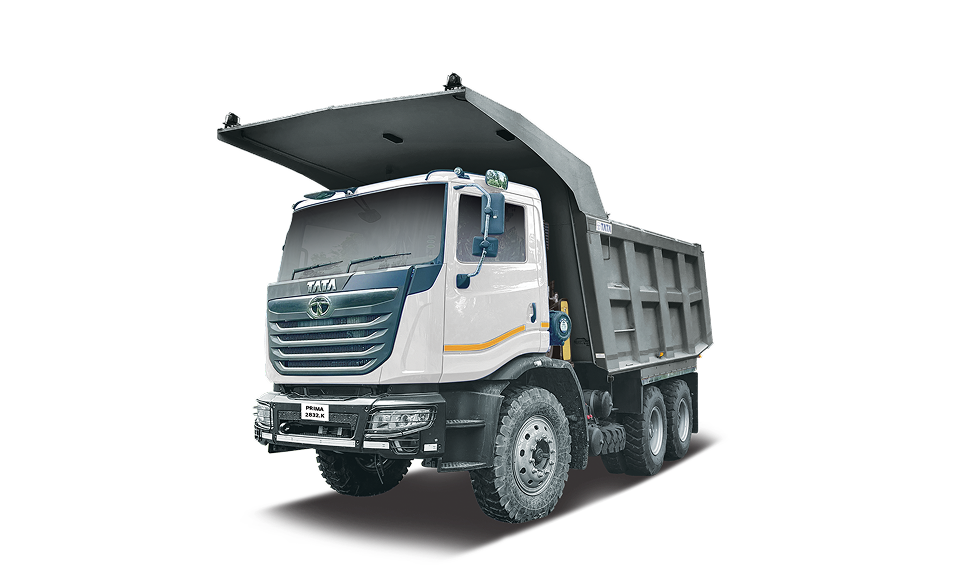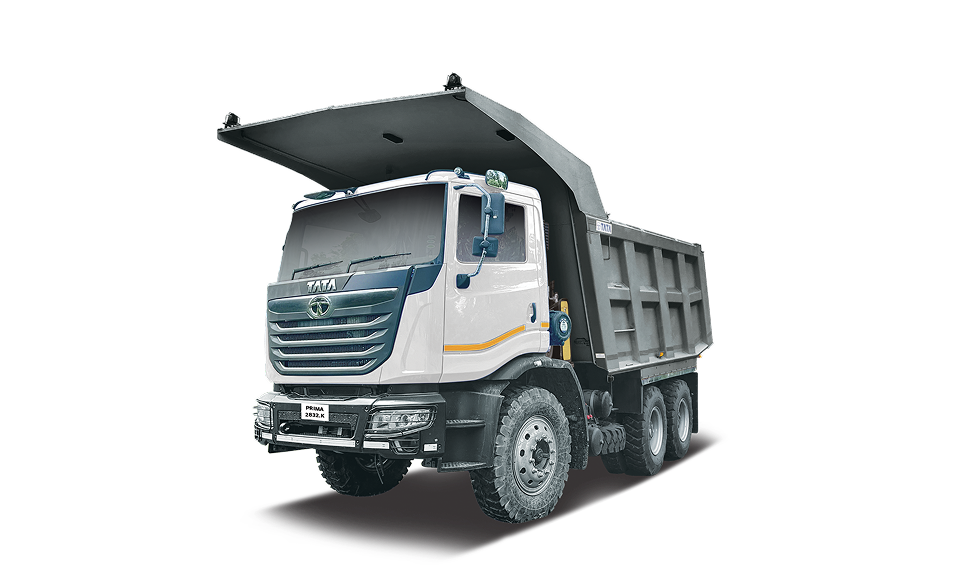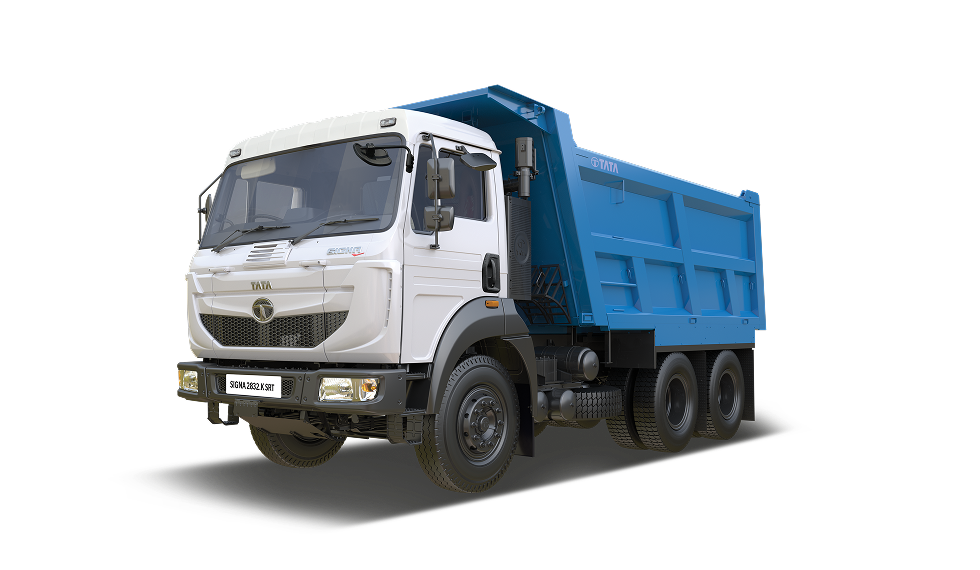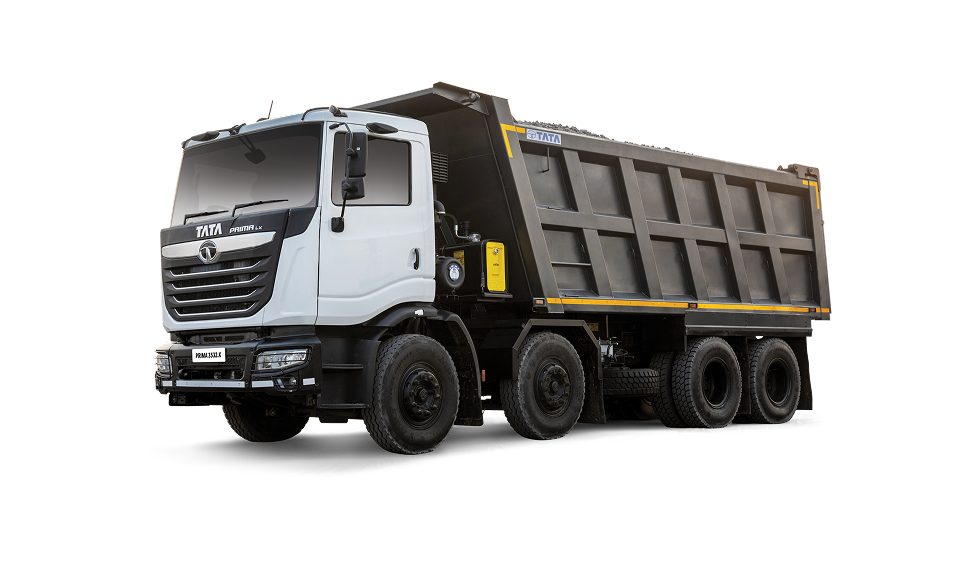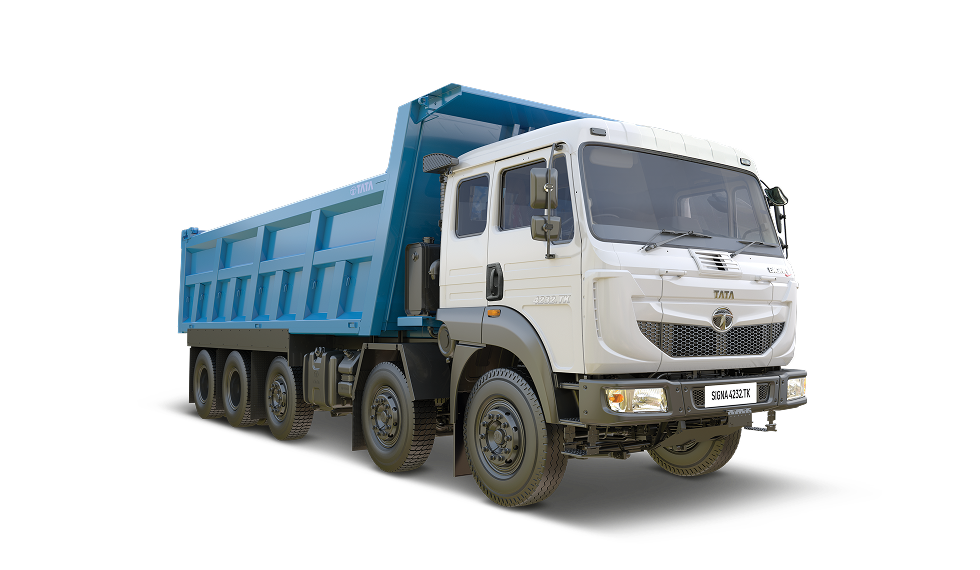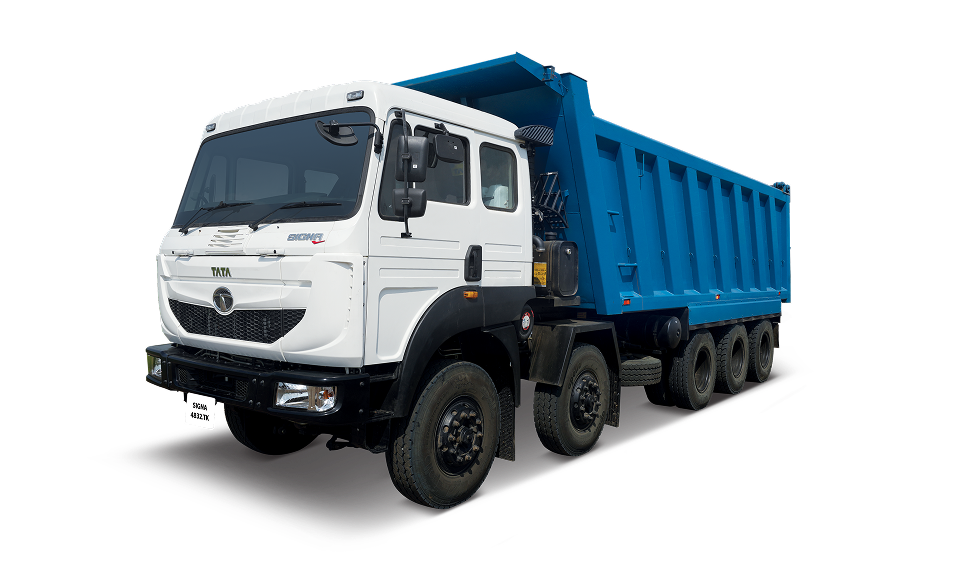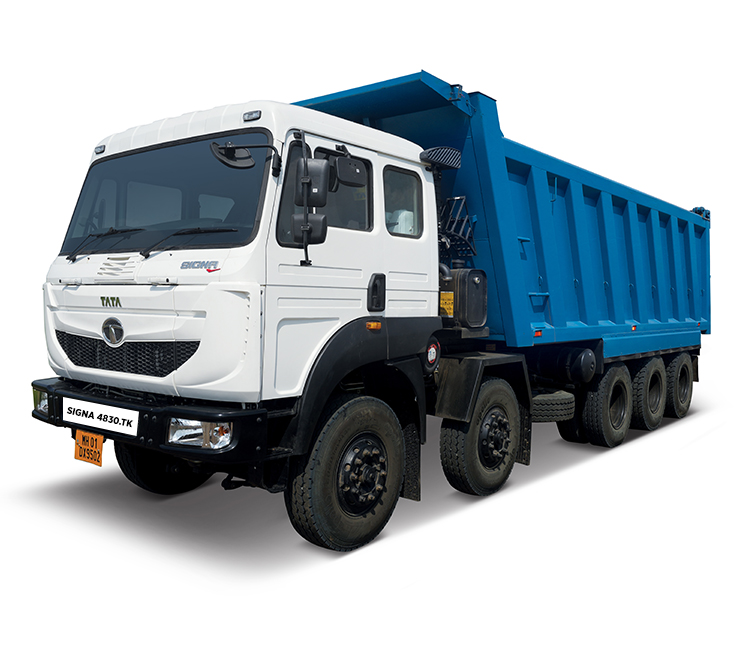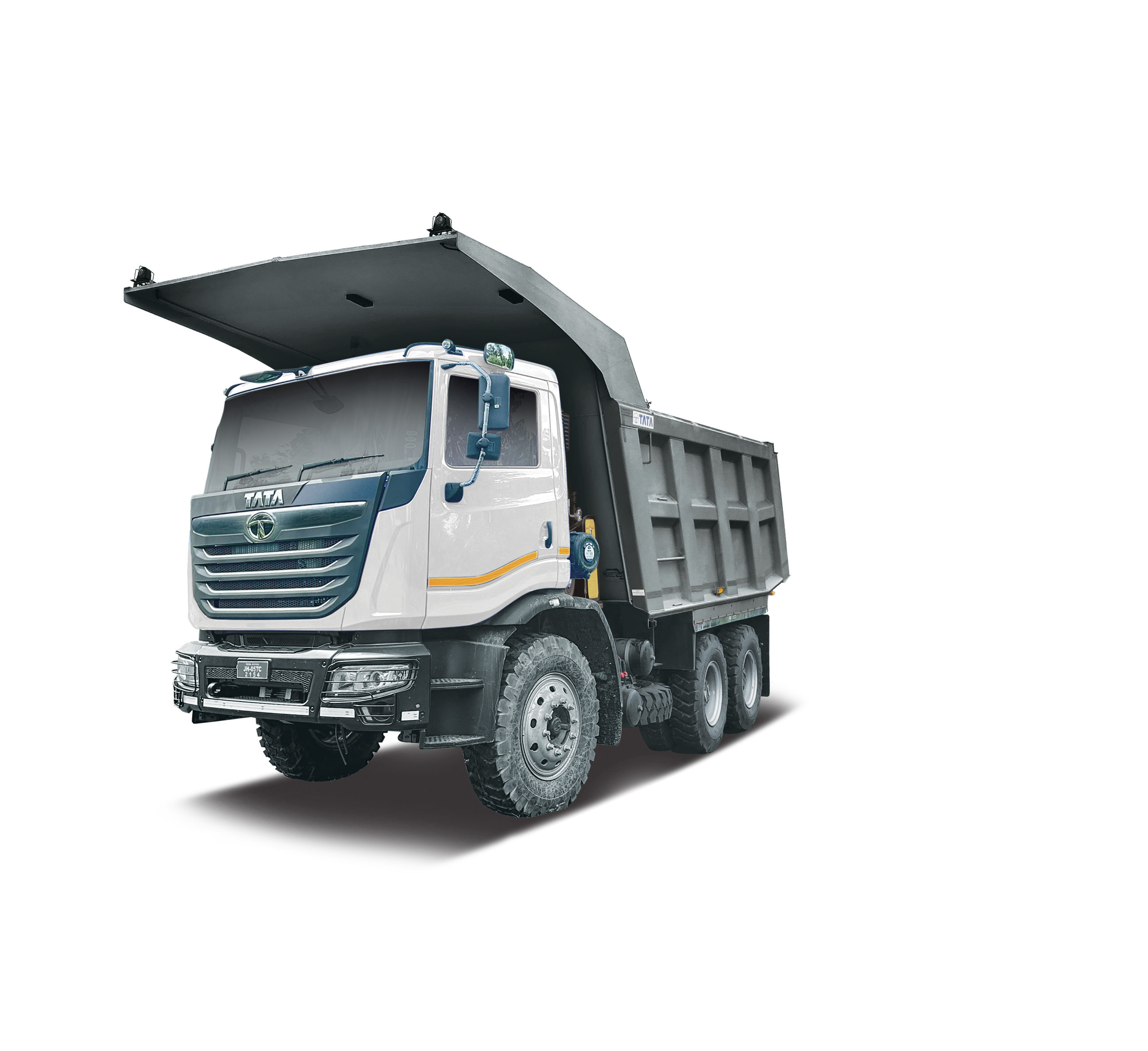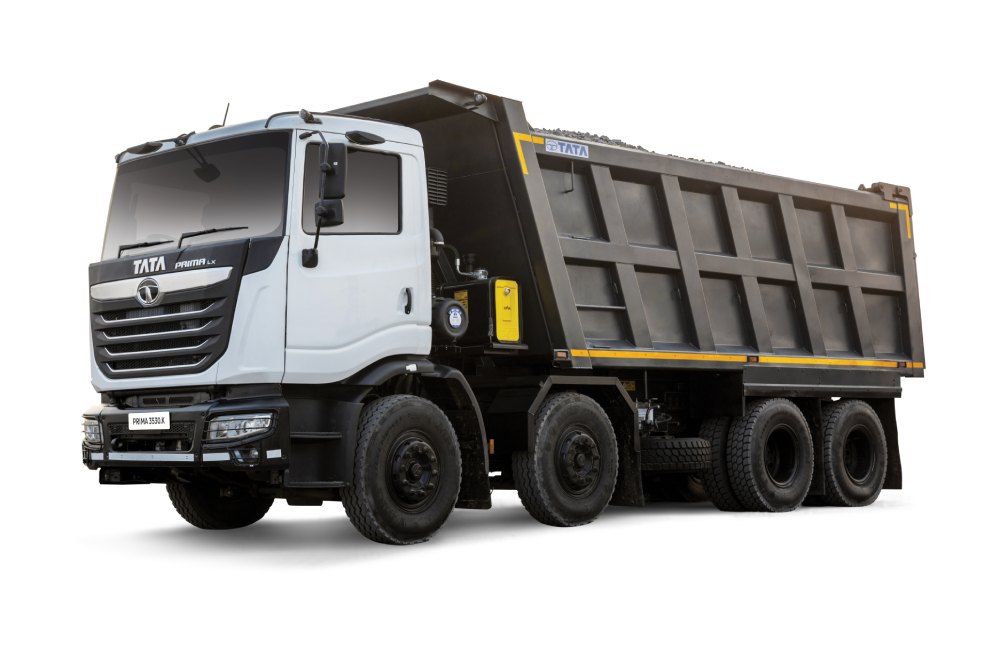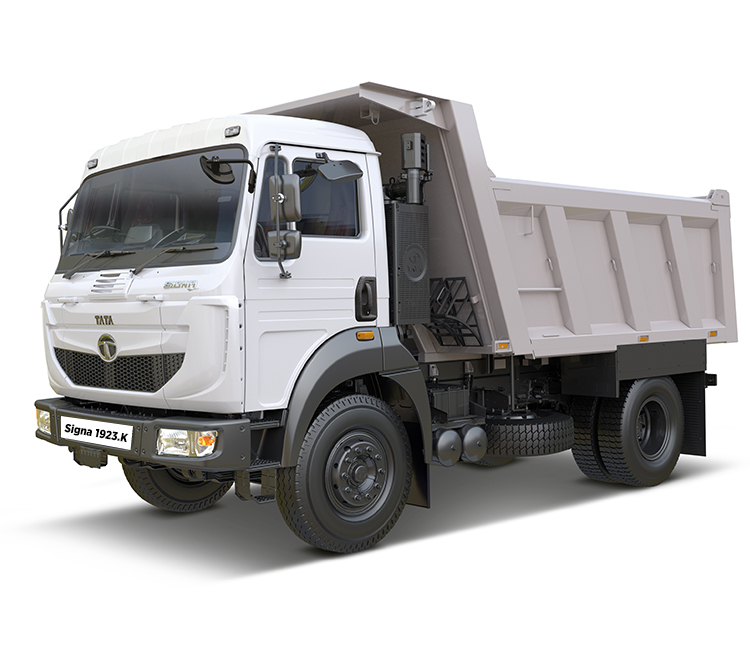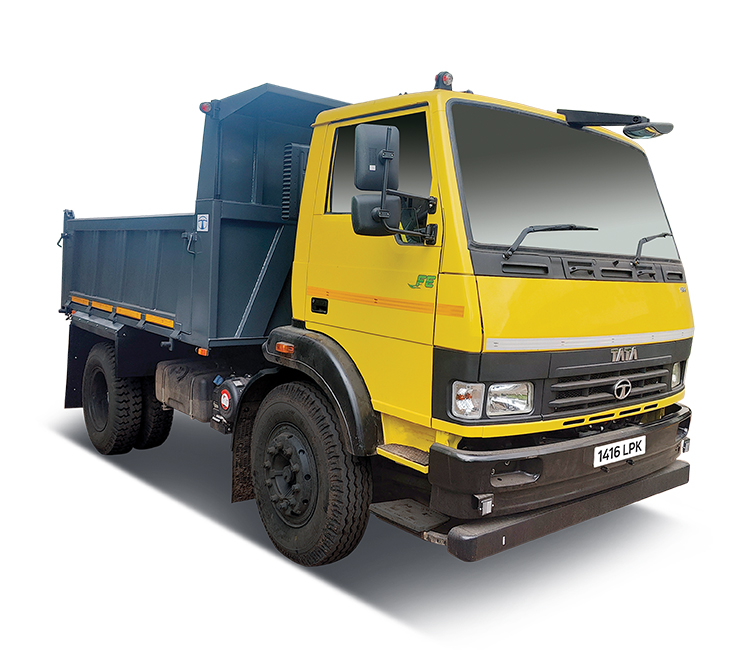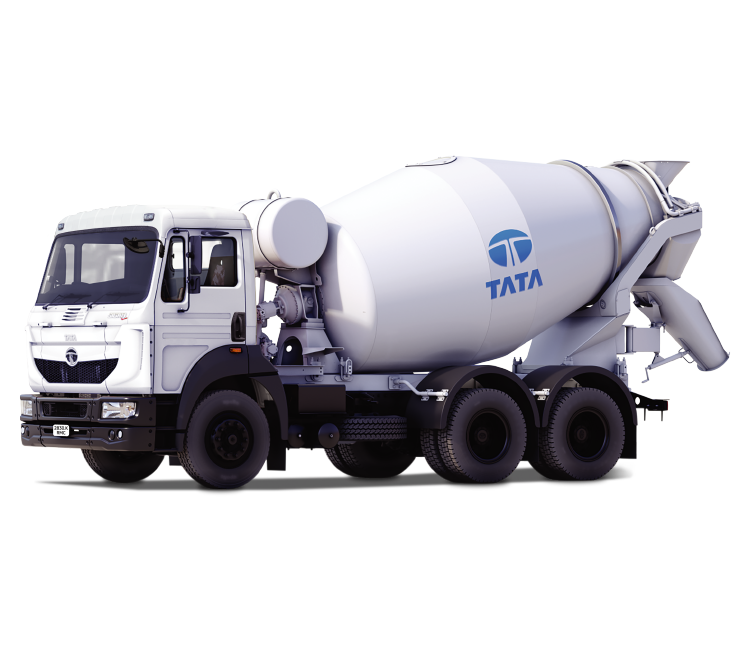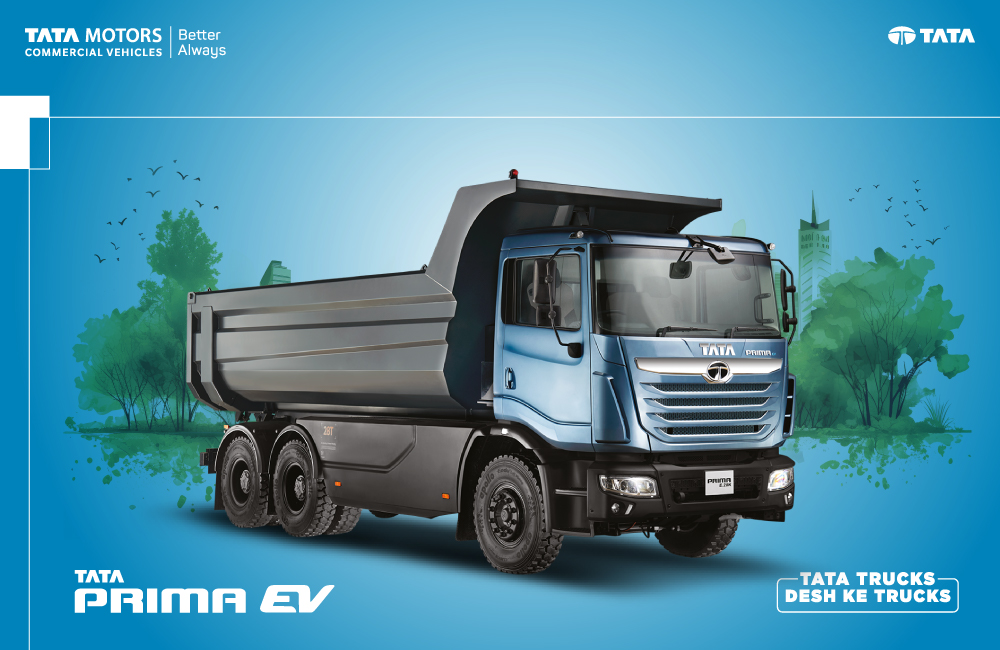
Electric trucks are no longer just ‘future tech’. They’re already hauling cargo, tipping loads and doing real work, from city streets to construction sites. Tata Motors is right in the middle of this shift, with electric small trucks like the Ace EV and heavy electric tippers like the Prima E.28K showing what the next decade of commercial transport could look like.
Here’s a look at how Tata Motors’ electric truck tech works – battery, drivetrain and real‑world performance.
The Battery: Silent Fuel Tank with Serious Capacity
Think of the battery pack as the diesel tank of an EV truck – only smarter.
At the light commercial end, the Tata Ace EV and Ace EV 1000 use a lithium iron phosphate (LFP) battery of around 21.3 kWh capacity.
- Certified range: about 154–161 km on a single charge, depending on variant and testing cycle.
- Charging:
- Standard AC: roughly 7 hours from 10% to 100%.
- DC fast charge: around 105 minutes from 10% to 80%.
This makes the Ace EV platform ideal for fixed, predictable city routes – think e‑commerce, FMCG, last‑mile delivery – where you charge overnight or between shifts and still comfortably cover your daily route.
Move up the ladder to the Tata Prima E.28K electric tipper, and the battery story gets much bigger:
- Battery capacity: around 453 kWh in the spec listed on TrucksDekho, with TrucksBuses citing a band of 300–450 kWh for different configs.
- Range: roughly 220 km per charge in the current 28‑tonne tipper spec.
This kind of capacity is what lets a 28‑tonne tipper run demanding construction, shallow mining and bulk cargo duties while staying zero‑emission at the tailpipe.
The Drivetrain: From Motor to Wheels
Under the body, Tata’s electric trucks swap the engine‑gearbox combo for an electric motor and a much simpler transmission layout.
On the Ace EV side:
- Motor: AC induction motor.
- Power: around 27 kW (≈36 hp) in the base Ace EV, and 36.2 hp peak in the Ace EV 1000.
- Torque: 130 Nm – delivered from very low speeds, which is why EVs feel “instant” off the line.
- Drive: single‑speed reduction gear – meaning no gear shifting, smoother operation and fewer moving parts.
For drivers used to diesel, that translates into:
- Less jerking in traffic.
- Easier control when starting on inclines.
- A quieter cabin, which matters across long days in city chaos.
On the Prima E.28K electric tipper:
- Motor: HV 3000 6‑phase traction motor.
- Power: around 315–328 hp equivalent, depending on source.
- Torque: a massive 2950 Nm, available from low speeds.
- Layout: electric central drive with a 6x4 rear‑wheel‑drive axle setup and an e‑gearbox with 2‑stage transmission.
The Prima E.28K is built to pull like a serious diesel tipper, but with a smoother, more controllable torque curve – ideal for stop‑start loading, steep haul roads and tight construction spaces.
Performance: Not Just About Top Speed
For commercial vehicles, performance is less “0–100 km/h” and more “Can it climb this ramp, haul this load, and keep doing it every day?”.
Ace EV / Ace EV 1000 – City Specialist
Key numbers from current specs:
- Top speed: 60 km/h – more than enough for urban and suburban runs.
- Gradeability: 22%, meaning it can comfortably handle flyovers, ramps and mild inclines even when loaded.
- Range: 154–161 km certified, which covers typical day‑route clusters for last‑mile businesses.
Use cases:
- Intra‑city goods movement for e‑commerce, FMCG, groceries, milk, pharma.
- Night and early‑morning runs where low noise and zero tailpipe emissions are a big plus.
Owners and reviewers consistently highlight the smooth drive, low running cost and reduced fatigue versus diesel micro trucks.
Prima E.28K – Heavy-Duty Electric Tipper
Performance specs that matter on site:
- GVW: 28,000 kg (28‑tonne heavy commercial).
- Torque: 2950 Nm – crucial for pulling full loads on steep, rough gradients.
- Gradeability: 32%, giving it the ability to climb serious slopes in mines and construction sites.
- Range: about 220 km on a full charge, tuned for typical construction/mining duty cycles rather than long‑haul highway use.
What that means in practice: the Prima E.28K is designed for high‑uptime, multi‑shift heavy duty where vehicles shuttle between pit, stockyard and crusher – the sort of work that traditionally belongs to powerful diesel tippers.
Charging & Uptime
- Small EV trucks (Ace EV family) work best on a depot‑charging model –
- Charge overnight, run routes through the day.
- Use DC fast charging during the day for high‑intensity operations.
- With ~150+ km range, many city routes don’t need more than one full charge per day.
- Heavy EV tippers (Prima E.28K) typically plug into higher‑capacity DC fast chargers, often set up at depots or site hubs. Tata’s EXCON 2025 showcase emphasised compatibility with fast charging infra (AC/DC) and designs aimed at enabling continuous heavy use across multiple shifts.
The big advantage:
- Less moving parts = lower maintenance needs compared to a diesel engine + complex gearbox.
- No tailpipe emissions = helps fleets meet stricter sustainability and city‑emission norms.
Why This Electric Architecture Matters for Business
- Predictable running cost: Electricity is typically cheaper per km than diesel, especially when paired with efficient drivetrains like the Ace EV and Prima E.28K.
- Cleaner operations: Zero tailpipe emissions and lower noise levels matter in cities, tunnels, enclosed sites and ESG‑driven mandates.
- Driver experience: Instant torque, fewer vibrations and simpler controls reduce fatigue – which is crucial when trucks are working long hours in tough conditions.
Whether it’s an Ace EV threading quietly through a housing society or a Prima E.28K hauling tons of material on an all‑electric duty cycle, Tata Motors’ electric truck platform shows that “performance” in an EV can mean just as much pulling power and productivity as it does sustainability – and that’s exactly the mix Indian fleets are starting to look for.